Tekota(2)
Shimano Fishing TEKOTA 500 LINE COUNTER A Conventional Reels [TEK500HGLCA] From $264.99

Shimano Fishing TEKOTA 500 LINE COUNTER A Conventional Reels [TEK500HGLCA]
Shimano Fishing TEKOTA 401 LINE COUNTER A Low Profile Reels [TEK401HGLCA]

Shimano Fishing TEKOTA 401 LINE COUNTER A Low Profile Reels [TEK401HGLCA]
FAQ
How do line counter reels work?
Line counter reels are designed to help anglers keep track of how much fishing line is deployed, which can be useful for targeting specific depths or distances.
- These reels have a built-in mechanism that counts the line as you cast or troll.
- Some display the number of feet or meters of line out, making it easier to repeat successful placements.
- Using a line counter can improve accuracy when fishing for species that stay at certain depths.
This added control can make your fishing trips more productive and enjoyable.
What makes a reel low profile?
Low profile reels are designed with a compact shape that fits comfortably in your hand, offering easier handling compared to bulkier models.
- Their streamlined build allows for better grip and control during long fishing sessions.
- They're often preferred for techniques like casting, where comfort and maneuverability matter.
- Low profile reels can be lighter, which helps reduce fatigue.
This style can be a good pick if you want a reel that's easy to use and less cumbersome.
Can I use these reels for saltwater fishing?
Many conventional and low profile reels are suitable for saltwater use, but it's important to check the product details to confirm.
- Look for reels that mention corrosion-resistant materials or sealed components.
- After saltwater fishing, rinse the reel with fresh water and dry it thoroughly.
- Regular maintenance can help extend the lifespan of your reel.
Always review the manufacturer's guidelines to make sure your reel is ready for saltwater conditions.
How should I clean my fishing reel?
Proper cleaning helps keep your fishing reel performing reliably and can prevent damage from dirt, sand, or salt.
- After each trip, wipe down the reel with a soft, damp cloth.
- For deeper cleaning, carefully remove the spool and rinse with fresh water—avoid using harsh chemicals.
- Dry all parts completely before reassembling.
- Apply a small amount of reel oil to moving parts, following product instructions.
Regular upkeep can help your reel stay in top shape for many outings.
What do I do if my reel feels stiff?
If your reel feels stiff or doesn't turn smoothly, a few basic steps might help improve its function.
- First, check for debris or dirt around the handle and spool.
- Clean the reel gently and add a drop of reel oil to moving parts.
- If the issue persists, consult the owner's manual for troubleshooting tips.
- For persistent problems, consider reaching out to the manufacturer or a professional repair shop.
Regular maintenance can prevent stiffness, but it's best to address issues promptly to avoid further wear.
Popular in Tekota
Related Products
Flame Spinning Reels,Lightweight 9+1BB Ultra Smooth Spinning Fishing Reels,19.8LBs Max Drag,2000,3000,4000,5000 Series,Red & Blue
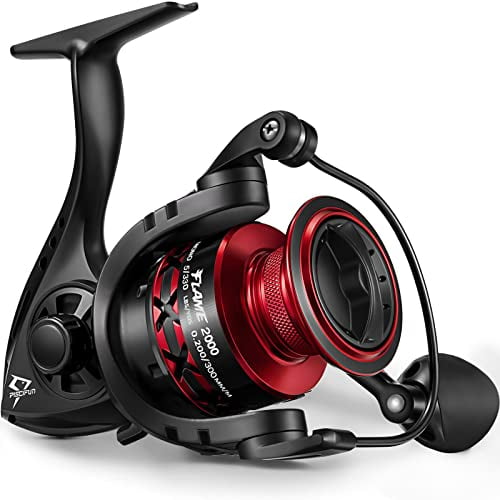 Flame Spinning Reels,Lightweight 9+1BB Ultra Smooth Spinning Fishing Reels,19.8LBs Max Drag,2000,3000,4000,5000 Series,Red & Blue$8.99current price $8.99
Flame Spinning Reels,Lightweight 9+1BB Ultra Smooth Spinning Fishing Reels,19.8LBs Max Drag,2000,3000,4000,5000 Series,Red & Blue
 Flame Spinning Reels,Lightweight 9+1BB Ultra Smooth Spinning Fishing Reels,19.8LBs Max Drag,2000,3000,4000,5000 Series,Red & Blue$9.00current price $9.00
Pitycbo Rotate Fishing Reel 3.0:1 Gear Ratio High Speed Casting Wheel for Fishing Red Red Double Handle
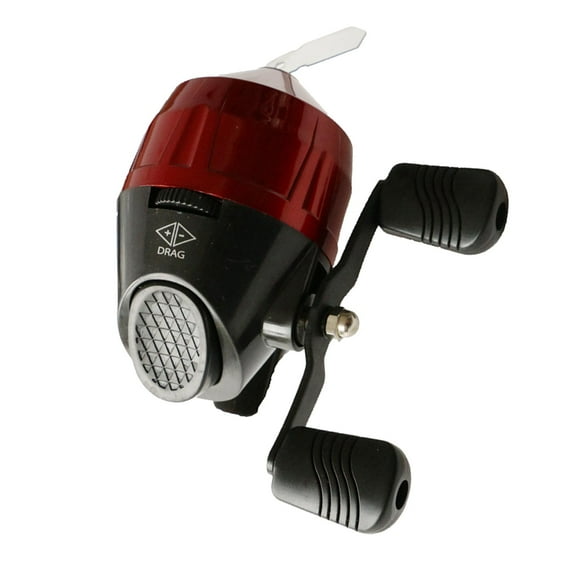 Pitycbo Rotate Fishing Reel 3.0:1 Gear Ratio High Speed Casting Wheel for Fishing Red Red Double Handle$13.99current price $13.99
KastKing Spartacus II 5000 Fishing Spinning Reel Carbon Fiber 22LBs Max Drag -7+1 Stainless BB-Green
 KastKing Spartacus II 5000 Fishing Spinning Reel Carbon Fiber 22LBs Max Drag -7+1 Stainless BB-Green$49.99current price $49.99
Daiwa Revros LT Spinning Fishing Reel - 2000
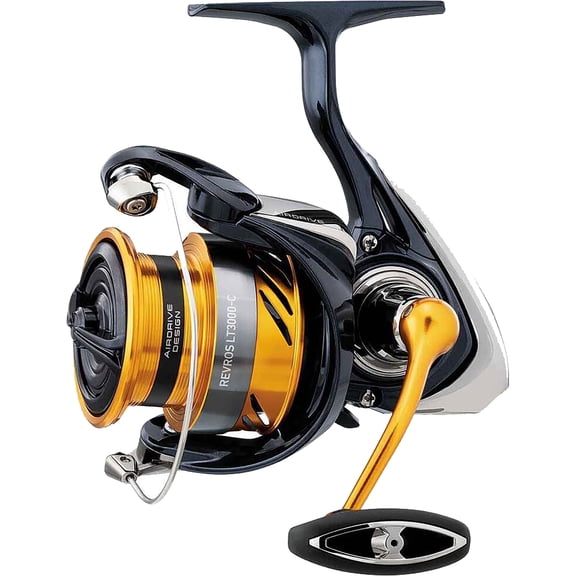 Daiwa Revros LT Spinning Fishing Reel - 2000$59.99current price $59.99