

Summer Wallpaper in Wallpaper by Season



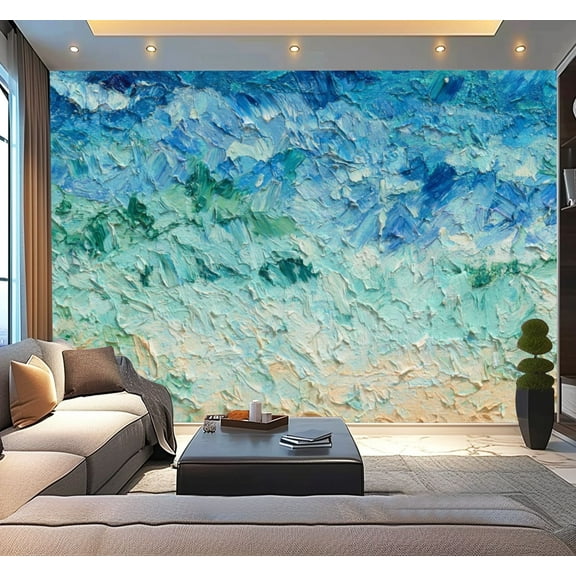


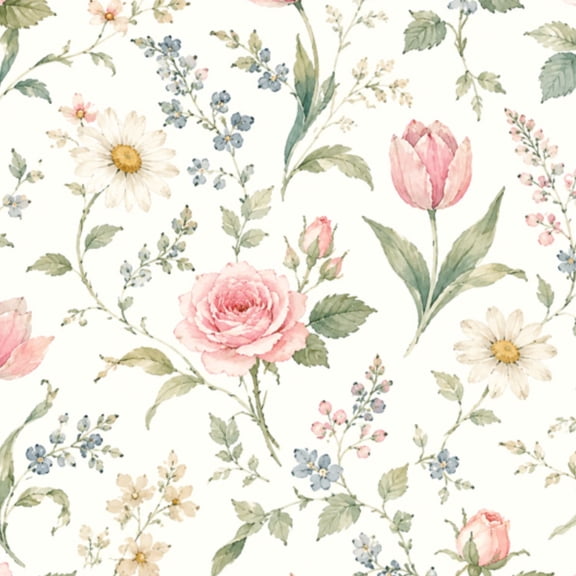











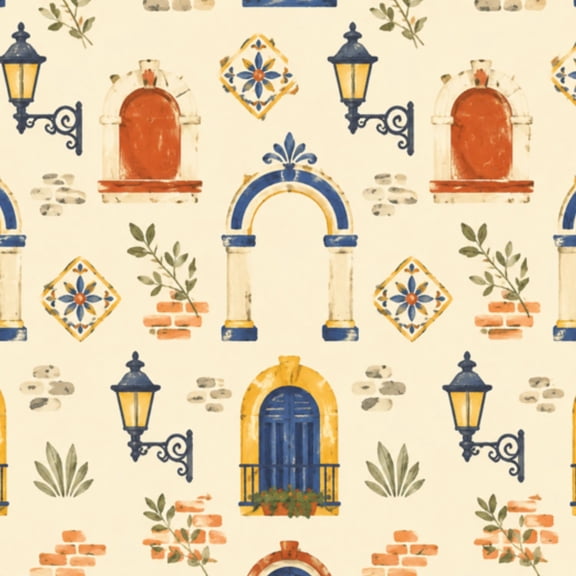








About Summer Wallpaper in Wallpaper by Season - Walmart.com
Summer wallpaper helps you bring warm-weather color indoors with tropical prints, bright florals, and coastal patterns that shift a room’s mood. You can use these designs to create a seasonal accent wall, refresh a rental, or add cheerful detail to everyday spaces.
If you’re comparing styles for a bedroom, bathroom, entryway, or sunroom, you’ll want guidance that matches how you decorate. You’ll also want to compare application type, material, finish, and pattern details before you choose.
How to choose summer wallpaper for your space
When you shop summer wallpaper, you’ll usually start with the look you want on the wall. You can compare tropical palms, floral prints, coastal stripes, and citrus motifs to match your furniture and light.
Tropical designs help you create a bold vacation-inspired backdrop with leafy shapes and lively color. Floral patterns give your room a softer seasonal update, while coastal prints keep your walls airy and relaxed.
Citrus themes add playful color to kitchens, breakfast nooks, and craft rooms with fruit shapes and sunny tones. You can also use a smaller print when you want a bright look that doesn’t overwhelm the room.
- You can create a seasonal accent wall without repainting the whole room.
- You can match tropical, floral, coastal, or citrus prints to your summer decor theme.
- You can choose removable or traditional formats based on your wall surface and project plan.
- You can use finishes and materials to shape how smooth, textured, soft, or shiny your walls look.
Choosing the right application type and material
You should compare application type first because it affects setup time, wall prep, and removal. You’ll usually see peel and stick, prepasted, and non-pasted options across this category.
Peel and stick styles work well when you want a simpler update with less setup. You can peel the backing, align the panel, and smooth it into place on clean, prepared walls.
Prepasted wallpaper can suit you if you want a traditional look with built-in adhesive activation. You’ll typically add water during installation, then position each section with careful alignment.
Non-pasted styles give you flexibility when you prefer separate paste and a more classic installation process. You may choose this format when you’re planning a longer-term room update.
Material also matters because it changes how the surface feels and how the wallpaper handles daily use. You’ll often compare vinyl, paper, and non-woven fabric when narrowing your options.
Vinyl surfaces can be useful when you want a wall covering that’s easy to wipe in busy areas. You may consider vinyl in kitchens, bathrooms, or entryways where splashes and humidity are more common.
Paper wallpaper gives you a classic decorative look that can suit lower-moisture rooms. Non-woven fabric options can help you handle installation with flexibility and a softer hand feel.
What to look for in finish, pattern repeat, and wall fit
You should check finish next because it changes how color and texture appear throughout the day. Matte finishes can soften glare, while glossy finishes reflect light and create a brighter look.
Textured finishes help you add depth and visual interest, especially on accent walls. Smooth finishes can give you a cleaner, crisper pattern presentation in modern or casual rooms.
Pattern repeat is another key detail because you’ll want the design to line up from panel to panel. You should compare how often the print repeats so you can plan matching and placement.
If you choose stripes, palms, or large florals, you’ll want extra attention on roll alignment. You can make installation simple by checking where the pattern starts before you place each new strip.
Wall texture also affects your results, so you should prepare the surface before installation. You’ll usually get a cleaner finish on smooth, clean, dry walls than on heavily textured ones.
For bathrooms and kitchens, you may also look for materials that handle moisture with steady performance. You should still compare the room’s humidity level, wall condition, and cleaning needs before you decide.
Using summer wall paper in different rooms
You can use summer wall paper in a sunroom when you want bright energy that feels tied to the season. Coastal stripes, palm leaves, or citrus prints can help you connect indoor spaces with outdoor views.
In bedrooms, you might prefer softer florals or breezy coastal patterns behind the bed. You can keep the room calm by pairing lighter backgrounds with natural wood, white bedding, or woven accents.
For kitchens, you may want cheerful fruit prints or small-scale florals that add color without feeling heavy. You should consider vinyl materials and smoother finishes when you expect easy cleanup to matter.
Bathrooms can benefit from fresh seaside themes, watercolor florals, or leafy prints with a relaxed look. You’ll want to compare material and moisture resistance if the room gets frequent steam.
If you’re decorating a rental, peel and stick styles may fit your project easily. You can update a dining nook, office corner, or entry wall without planning a full-room renovation.
You can also use seasonal wallpaper for party backdrops, reading corners, or nursery accent walls with a warm-weather feel. When you match design style, material, and finish carefully, you’ll get a look that feels intentional.
With summer wallpaper, you can make seasonal decorating feel more polished because your walls set the tone immediately. When you compare application type, style, material, and finish, you’ll choose a design that fits your room clearly.