

FAQ
What does "string" mean on this page?
On this page, “string” is an umbrella term for craft and household lines—everything from thin beading cords to thicker twines. You’ll find options made for jewelry making, gift wrapping, light tying tasks, gardening, layout lines for DIY projects, and more.
- Materials: Cotton, jute, hemp, nylon, polypropylene, elastic, and monofilament.
- Constructions: Twisted, braided, waxed, or polished finishes.
- Sizes: Listed by diameter (mm or inches) and length (ft/yd).
For the best fit, compare material, thickness, construction, length, and any listed working characteristics (like stretch). Product pages typically outline these details so you can match the string to your project—whether that’s stringing beads, tying plants, or marking a straight line.
What are the different kinds of string?
There are several common string types, each suited to different tasks:
- Cotton twine: Soft, easy to knot; popular for crafts, tags, and general tying.
- Jute/hemp twine: Natural look and feel; often used for rustic decor, gardening, and macramé accents.
- Nylon/poly line: Durable and low-stretch; often chosen for layout lines, outdoor use, and utility tasks.
- Elastic stretch cord: Ideal for stretch bracelets and adjustable jewelry.
- Monofilament/beading line: Clear or translucent; good when you want a less visible strand.
- Satin/nylon “rattail” cord: Smooth and colorful for knotting and braiding.
- Macramé cotton rope: Thicker cord for plant hangers and wall hangings.
Check diameter, length, and construction to match your project needs.
Which string works best for bracelets and necklaces?
It depends on your style and beads, but these options are commonly used:
- Elastic stretch cord: Great for simple stretch bracelets; choose a diameter that fills bead holes without forcing.
- Nylon or satin cord: Smooth for knotting and braiding (e.g., sliding knots, macramé, kumihimo).
- Waxed cotton/hemp cord: Adds grip and a natural look; helpful for holding knots.
- Monofilament or beading line: Thin and discreet for multi-strand or delicate designs.
To select, consider bead hole size, desired drape, knot strength, and clasp style. A small test strand can help you confirm fit and comfort. Results may vary based on bead material and wear, so plan a little extra length for adjustments.
Is there a difference between string, twine, and cord?
These terms often overlap, but there are common distinctions:
- String: A general term for thin, flexible line used in crafts and light tasks.
- Twine: Typically two or more strands twisted together (cotton, jute, hemp); good for tying, wrapping, and decor.
- Cord: Often thicker or braided and may be smoother (nylon, satin, cotton); popular for jewelry, macramé, and utility use.
Labels can vary by brand, so it’s helpful to check the actual diameter, material, ply/construction, and any stated working characteristics. For safety, avoid using these items for heavy lifting or safety-critical loads.
How do I store string and twine tangle-free?
A few simple habits can help keep your stash tidy and ready to use:
- Keep it on a spool or bobbin: Secure the end with tape, a notch, or a small binder clip.
- Use organizers: Resealable bags, boxes, or dowel rods can separate types by material and size.
- Label clearly: Note length, diameter, and material so you grab the right strand fast.
- Protect from moisture and sun: Store in a cool, dry spot; prolonged sunlight may fade color and weaken some fibers over time.
- Don’t compress elastic: Gentle coils help preserve stretch.
These steps can reduce waste and make projects smoother, though specific results depend on your workspace and materials.
Popular in Beading and Jewelry Making String Supplies
Related Products
AK-Trading 6mm x 10 Yards Jute Rope Cord Twine (Blue)
 AK-Trading 6mm x 10 Yards Jute Rope Cord Twine (Blue)$16.15current price $16.15
Kohler Jute Twine 4-Ply Biodegradable - 147 Ft, Brown
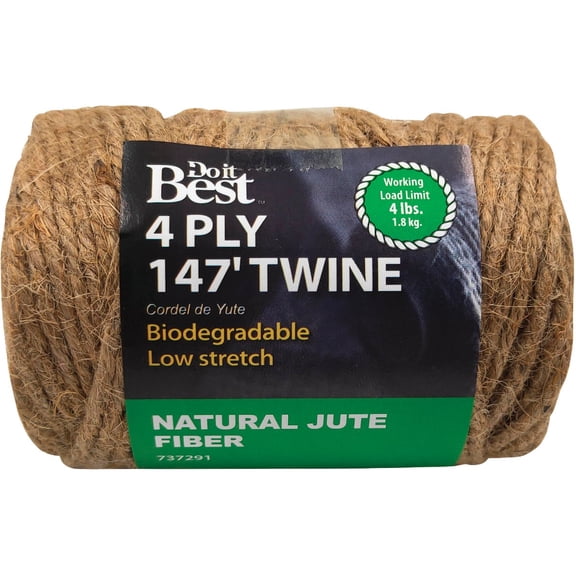 Kohler Jute Twine 4-Ply Biodegradable - 147 Ft, Brown$12.69current price $12.69
Golberg Polypropylene Value Twine - 200 Feet on a Spool - Tan or White - Great for Indoor or Outdoor Uses
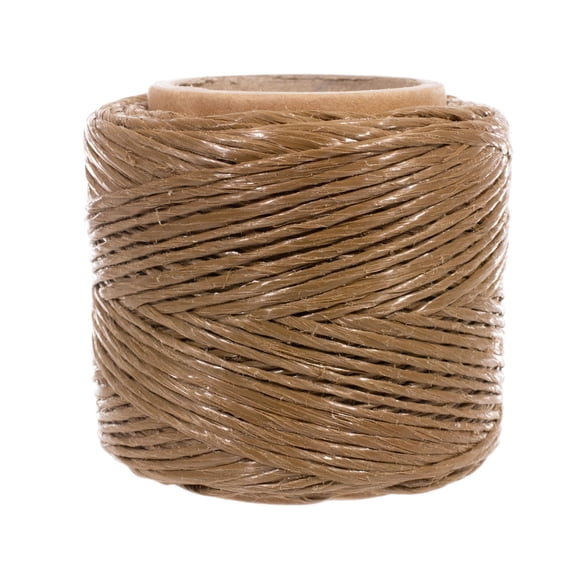 Golberg Polypropylene Value Twine - 200 Feet on a Spool - Tan or White - Great for Indoor or Outdoor Uses$11.99current price $11.99
Coollooc 300 Ft Natural Jute Twine, 2mm Thin White Cotton Rope for Crafts, Art, Gardening, Gift Wrapping, Decoration, Packing
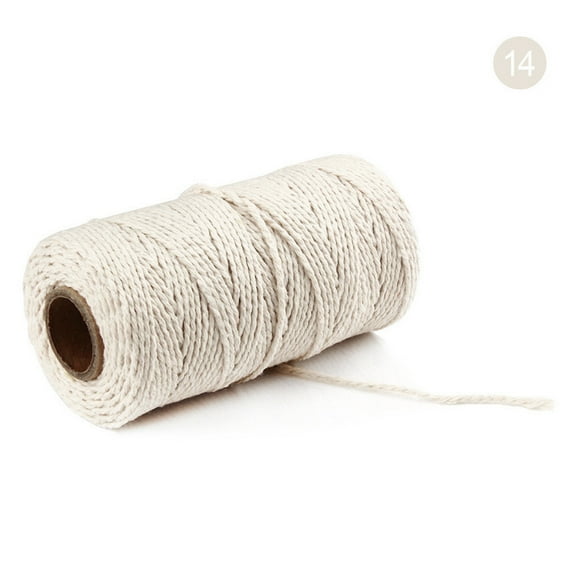 Coollooc 300 Ft Natural Jute Twine, 2mm Thin White Cotton Rope for Crafts, Art, Gardening, Gift Wrapping, Decoration, Packing$6.77current price $6.77
8mm Thick Jute Twine Rope, 10 Meters for Decoration & Gardening
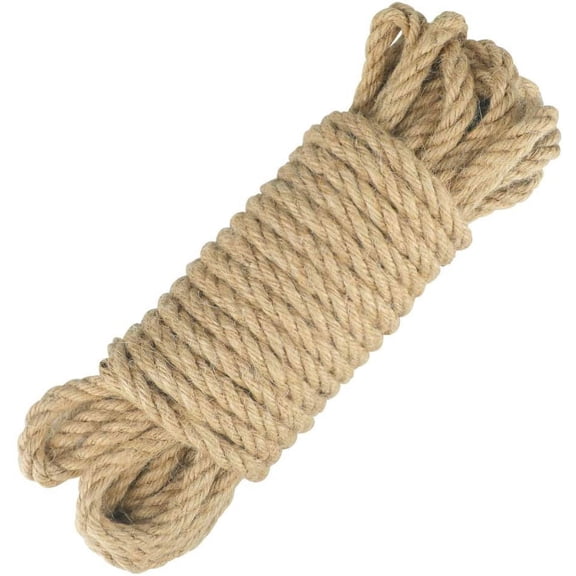 8mm Thick Jute Twine Rope, 10 Meters for Decoration & Gardening$7.99current price $7.99
Macrame Cord Natual Cotton Twine Rope String Cord for Handmade Wall Hanging Craft Making 4mm x 220yd
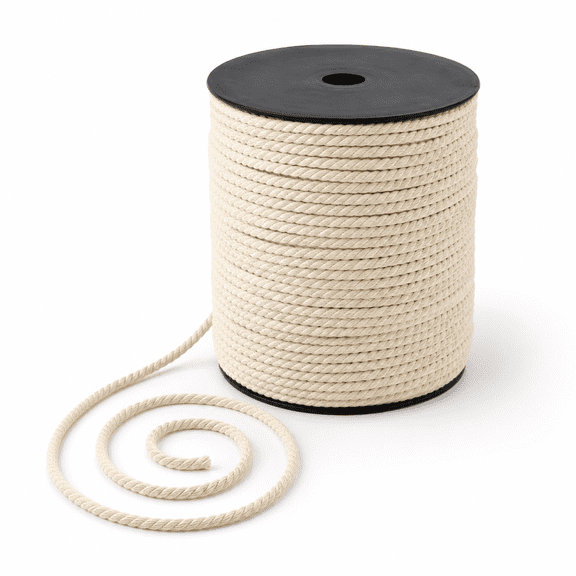 Macrame Cord Natual Cotton Twine Rope String Cord for Handmade Wall Hanging Craft Making 4mm x 220yd$19.99current price $19.99
BambooMN 75 Yard, 2mm Crafty Jute Twine Thread Cord String Jute for Artworks, DIY Crafts, Gift Wrapping, Picture Display and Gardening, 3 Balls Grey
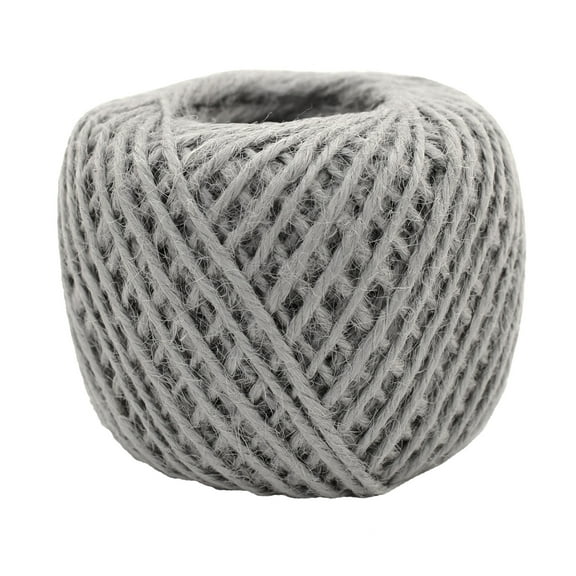 BambooMN 75 Yard, 2mm Crafty Jute Twine Thread Cord String Jute for Artworks, DIY Crafts, Gift Wrapping, Picture Display and Gardening, 3 Balls Grey$13.99current price $13.99
Two-Color Cotton Rope, Twine Cotton, String Rope Cord, 1.5mm x 109 Yard Colourful Bakers Twine for Gift Wrapping Arts Crafts Party Decorations Gardening
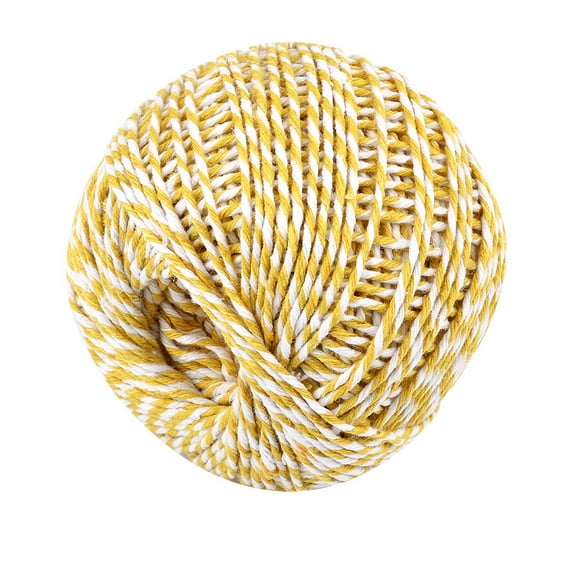 Two-Color Cotton Rope, Twine Cotton, String Rope Cord, 1.5mm x 109 Yard Colourful Bakers Twine for Gift Wrapping Arts Crafts Party Decorations Gardening$2.99current price $2.99
3Pack 2mm Natural Jute Twine String 2000 Feet Long Twine String for Crafting Gardening Gift Wrapping DIY Home Decor
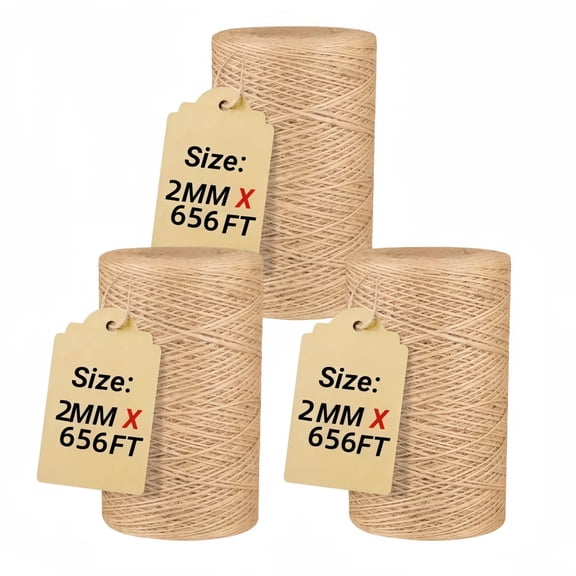 3Pack 2mm Natural Jute Twine String 2000 Feet Long Twine String for Crafting Gardening Gift Wrapping DIY Home Decor$12.89current price $12.89
656ft Jute String,3mm Decoration Hemp Twine String,Sturdy Rope for Artworks,Gift Packing,Wedding Decoration,Gardening,DIY Crafting
 656ft Jute String,3mm Decoration Hemp Twine String,Sturdy Rope for Artworks,Gift Packing,Wedding Decoration,Gardening,DIY Crafting$10.00current price $10.00
Huahf Jute Twine 4 Ply - 147 Ft - Natural String for Crafts, Gardening, Packing
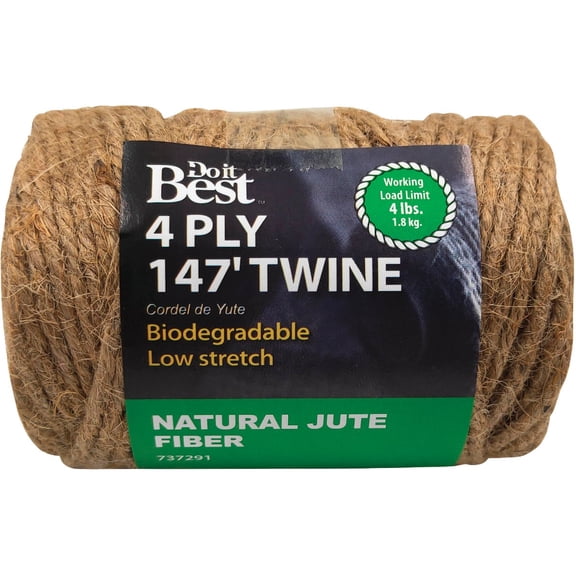 Huahf Jute Twine 4 Ply - 147 Ft - Natural String for Crafts, Gardening, Packing$12.69current price $12.69
Twfbrm 32.8 Feet Christmas Twine Cotton String Rope Cord for Gift Wrapping, Arts Crafts Twine,Green and White Twine,Red and White Twine
 Twfbrm 32.8 Feet Christmas Twine Cotton String Rope Cord for Gift Wrapping, Arts Crafts Twine,Green and White Twine,Red and White Twine$5.99current price $5.99
Macrame Cord 3mm x 218 Yards Jute Twine String, Cotton Rope for Crafts/Floristry/Bundling/Gardening(Natural)
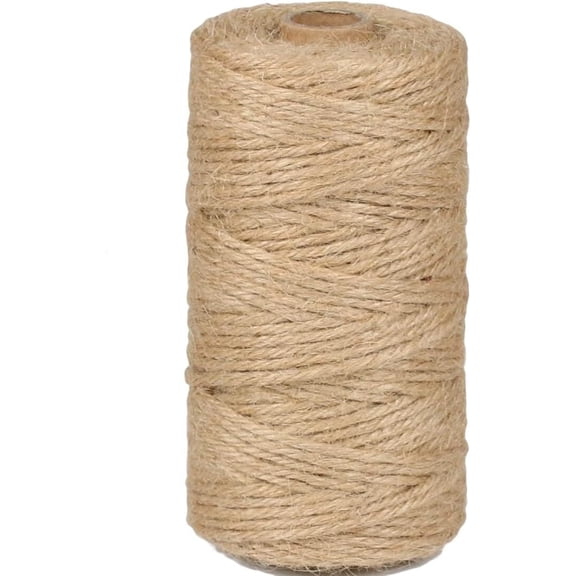 Macrame Cord 3mm x 218 Yards Jute Twine String, Cotton Rope for Crafts/Floristry/Bundling/Gardening(Natural)$10.99current price $10.99
Jute Twine 10lb Tube - Natural Fiber Cord for Crafts, Gardening, and Home Decor - Strong & Soft
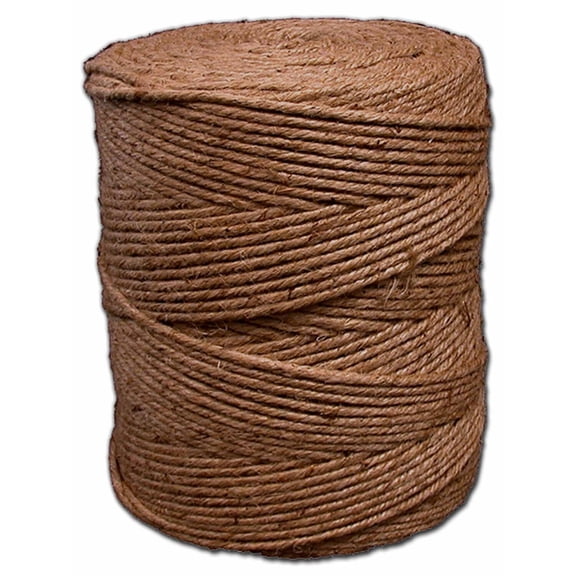 Jute Twine 10lb Tube - Natural Fiber Cord for Crafts, Gardening, and Home Decor - Strong & Soft$47.90current price $47.90
Green String | Green Twine | Moss Green Jute Twine - 1.5mm x 100 Yards (pm4824017)
 Green String | Green Twine | Moss Green Jute Twine - 1.5mm x 100 Yards (pm4824017)$18.95current price $18.95
Nylon DIY Craft Braided Chinese Knot Bracelet Cord String Rope Red 110 Yards
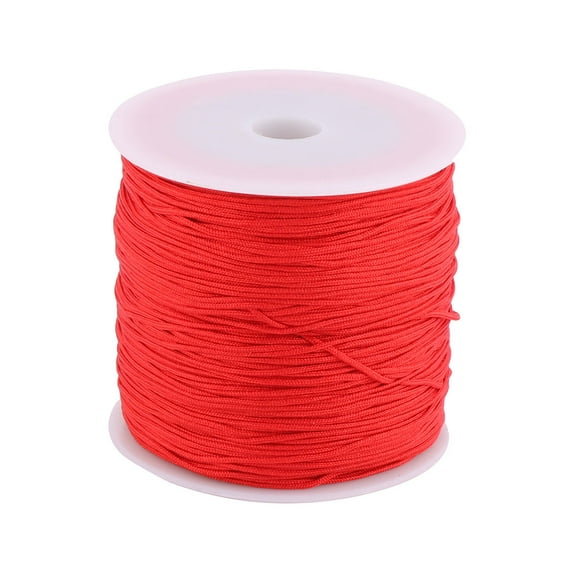 Nylon DIY Craft Braided Chinese Knot Bracelet Cord String Rope Red 110 Yards$10.99current price $10.99
Koch 7023823 370 ft. White Twisted Cotton Butcher Twine
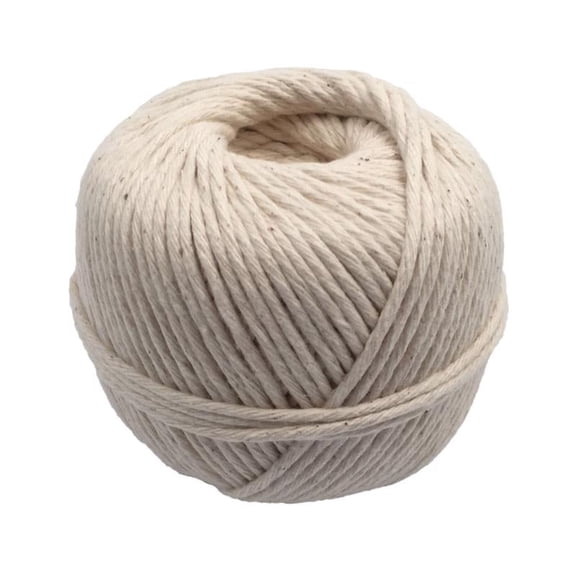 Koch 7023823 370 ft. White Twisted Cotton Butcher Twine$7.95current price $7.95