

Stoneware Plates in Plates


































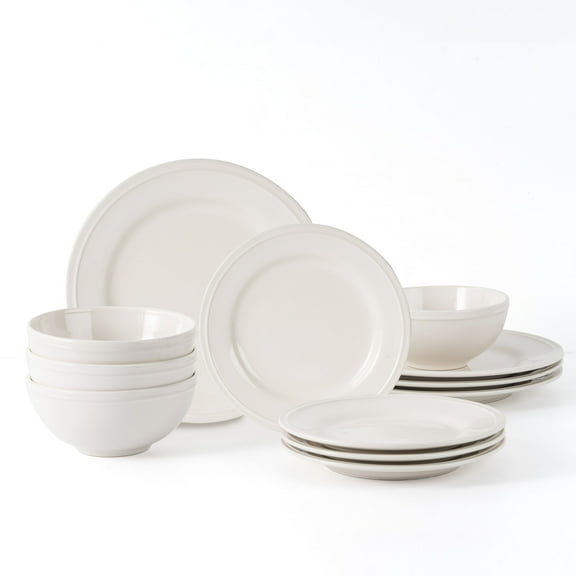


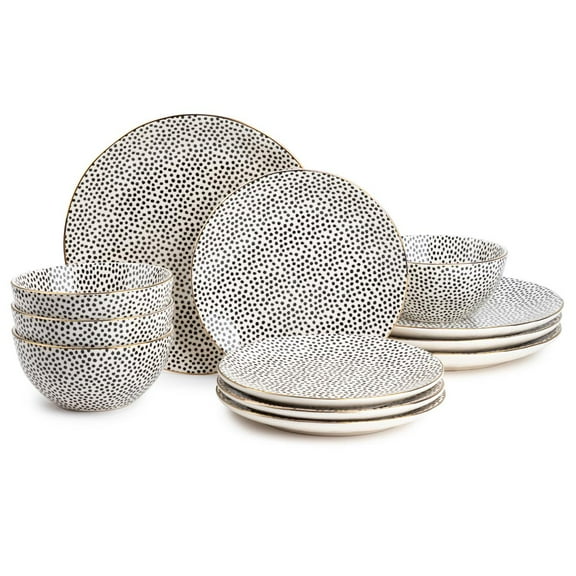
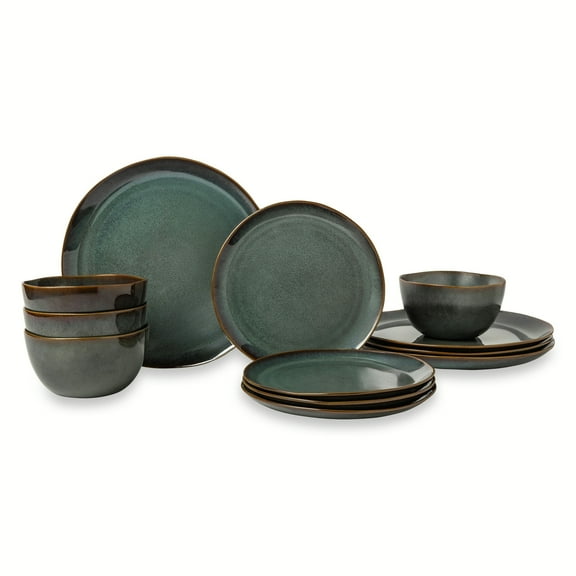
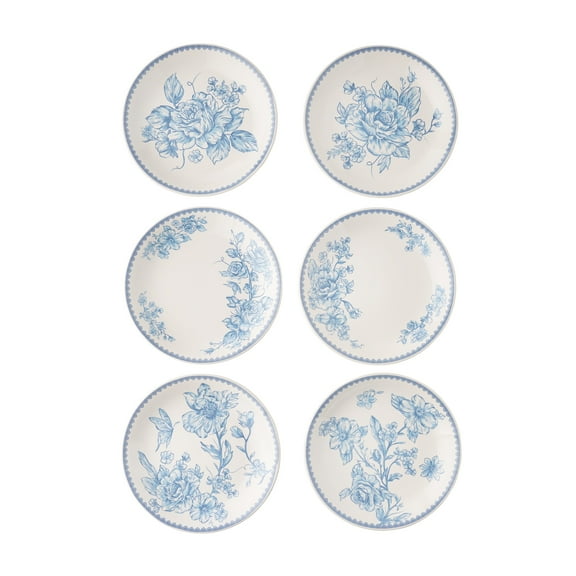






About Stoneware Plates in Plates - Walmart.com
Stoneware plates give your table a substantial feel and an artisanal look for everyday meals, casual gatherings, and holiday hosting. You can compare sizes, finishes, and care details to choose pieces that fit your routine and your style.
How to choose stoneware plates by plate type
You should start with plate type because each size supports a different place setting and serving need. You can use dinner plates for main courses, while salad plates suit lunches, sides, and layered table settings.
When you compare diameter in inches, you can match plates to your portions and your cabinet space. You may also notice rim styles and coupe styles, which affect how your food presents.
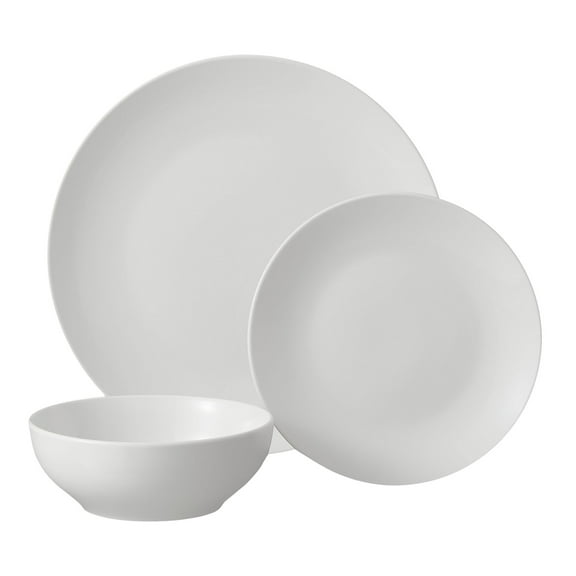
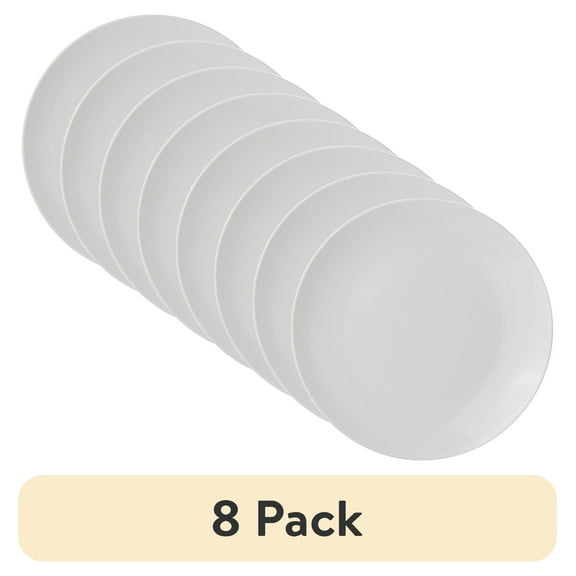
Rimmed stoneware dinner plates can help you contain sauces and create a classic table setting. Coupe ceramic stoneware plates give you a cleaner edge and a more modern look.
If you host often, you can add appetizer plates or dessert plates for courses, snacks, and sweets. You can also build a mixed set with stoneware side plates for everyday flexibility.
What to look for in finish and texture
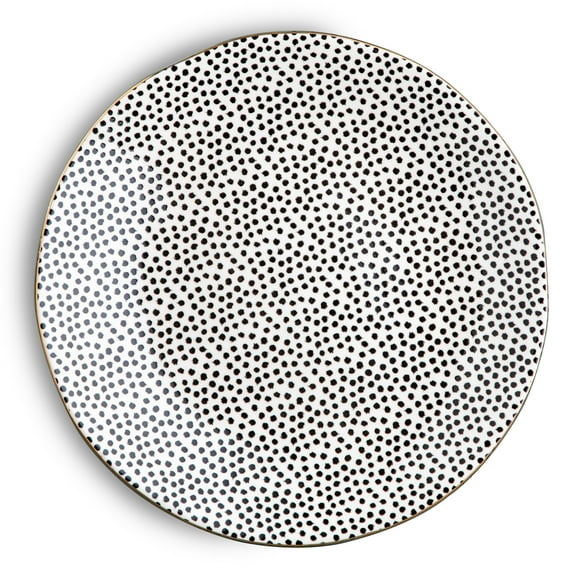
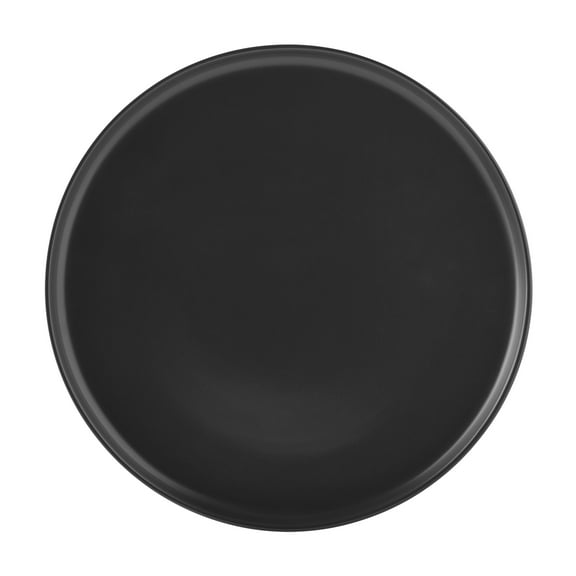
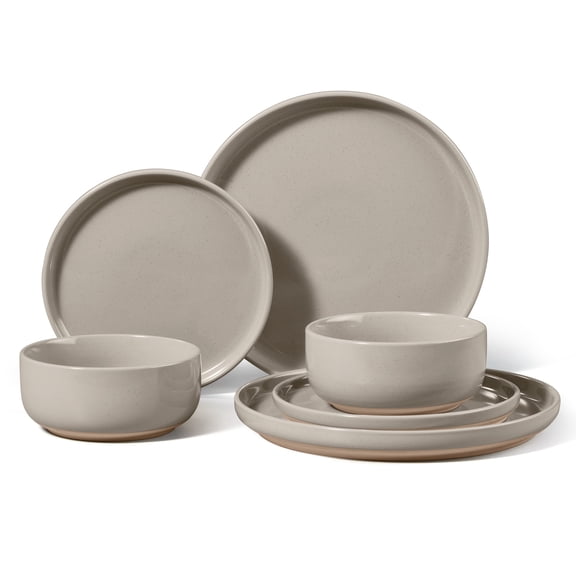
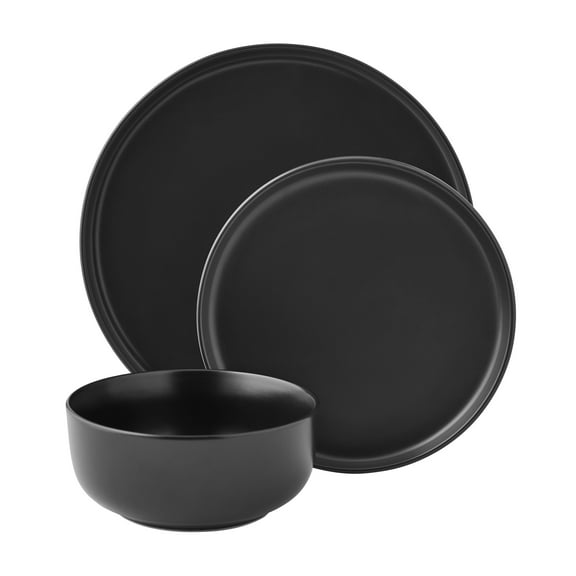
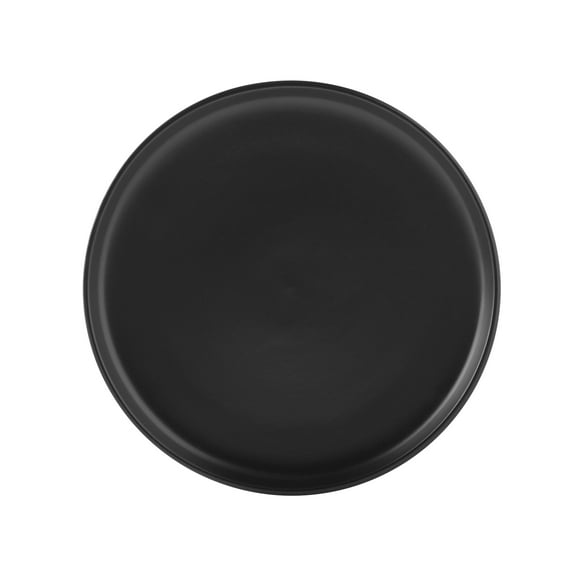
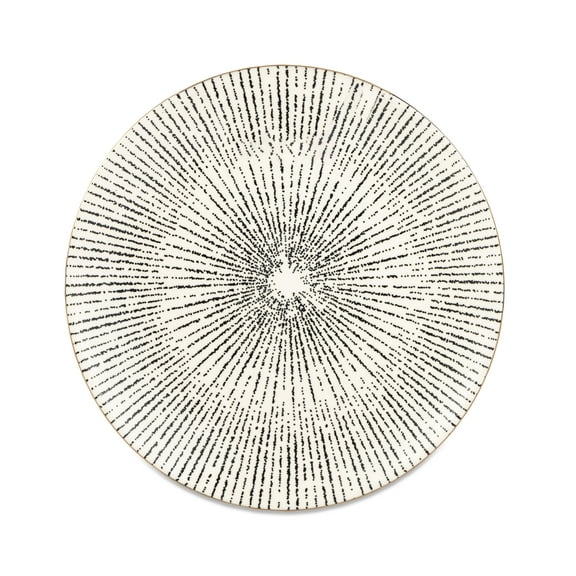
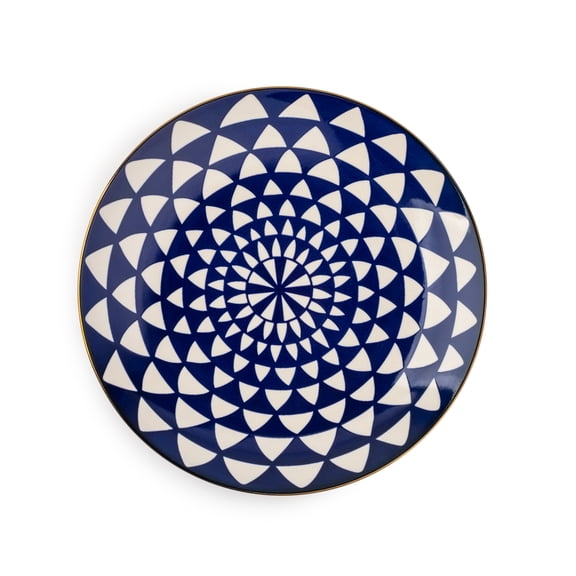
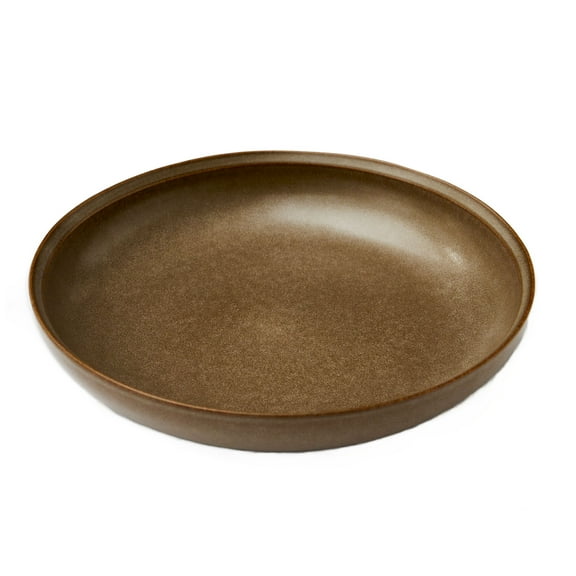
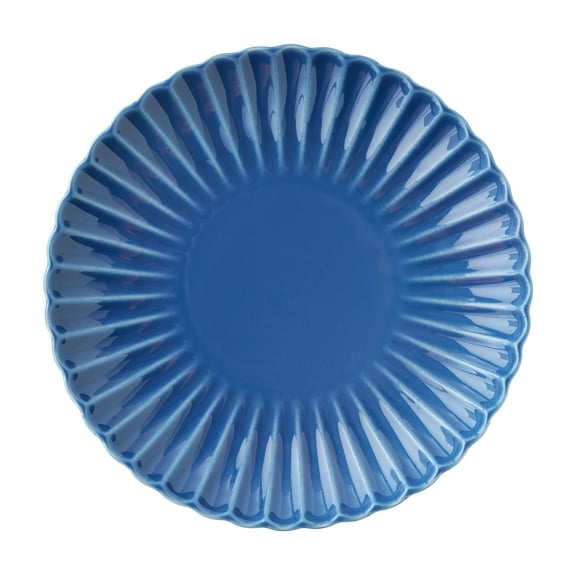
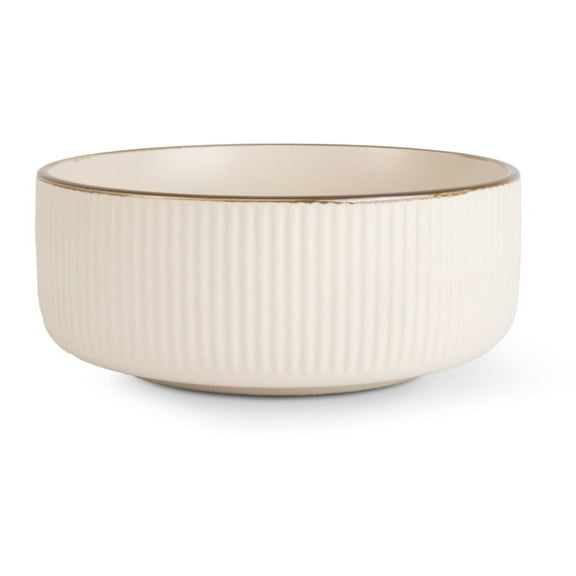
You can shape your table’s mood by choosing matte, glossy, glazed, or reactive glaze finishes. You’ll see that matte stoneware plates often feel understated, while glossy surfaces reflect more light.
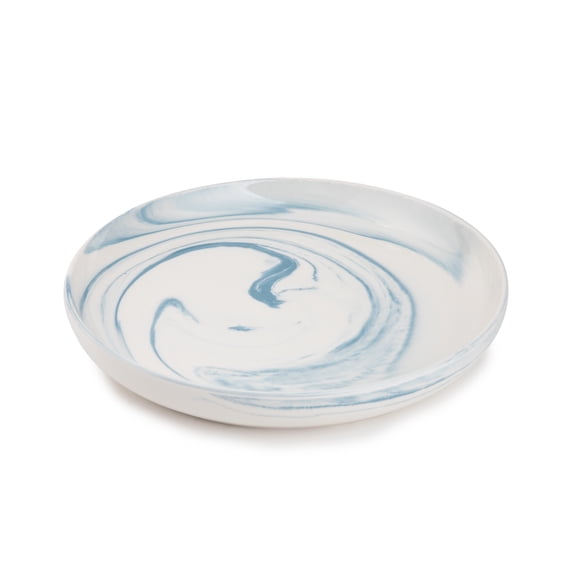
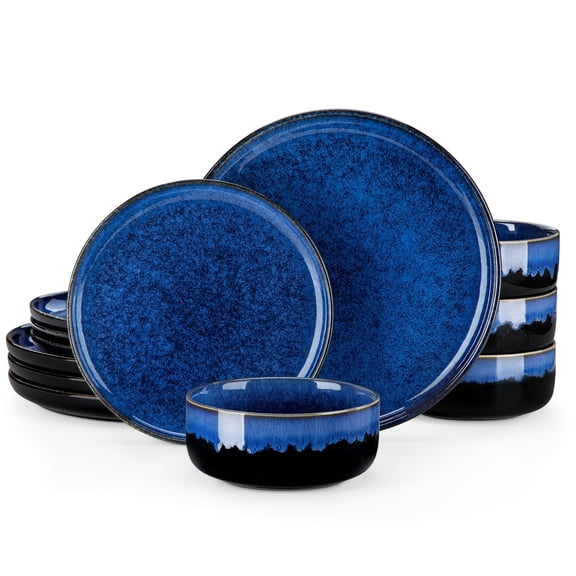
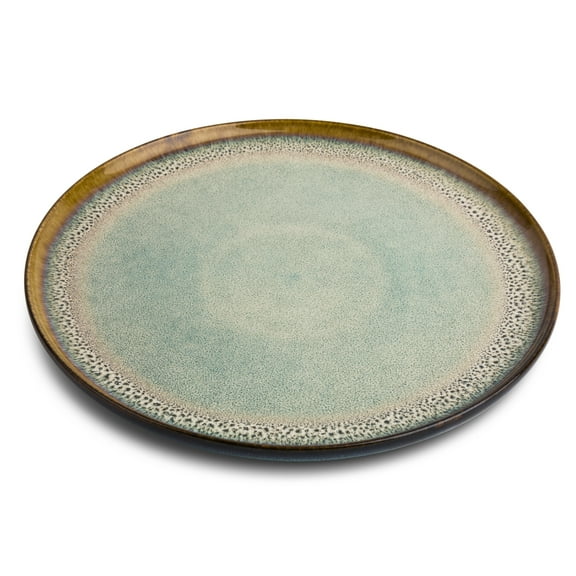
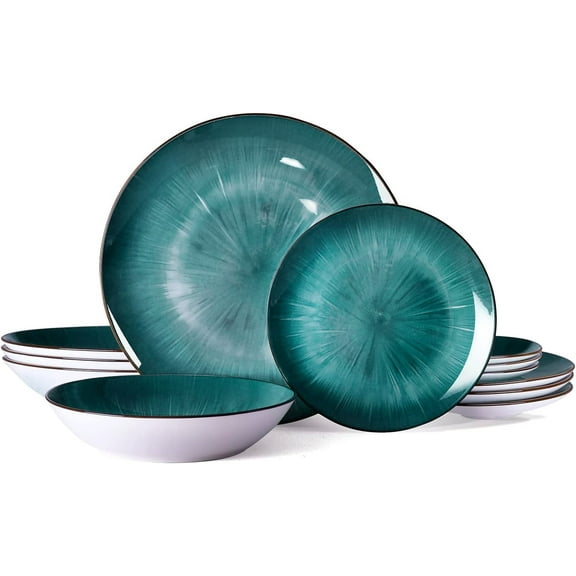
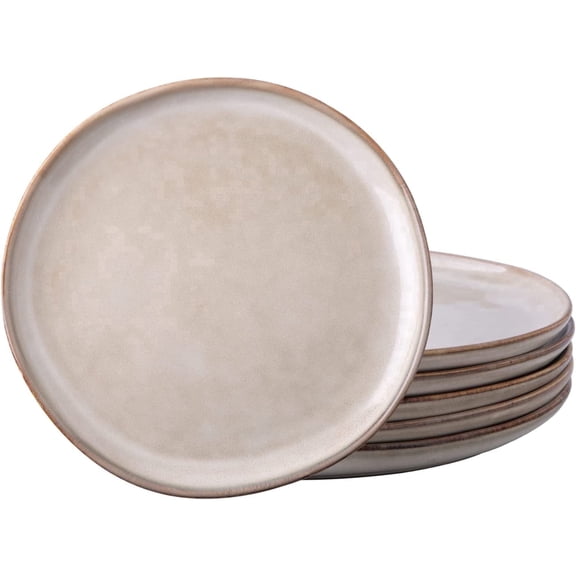
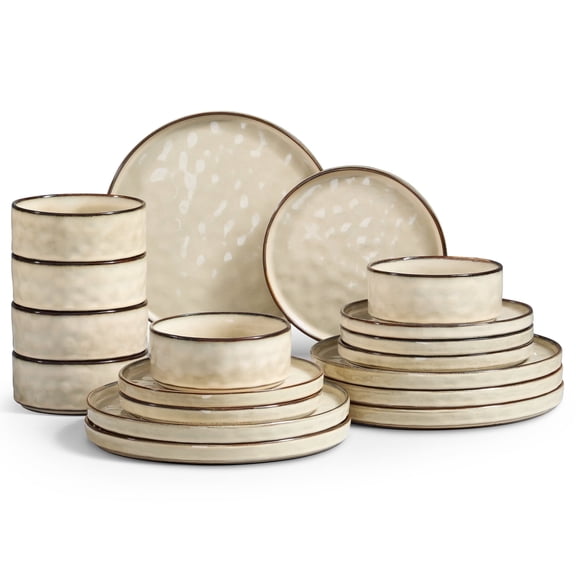
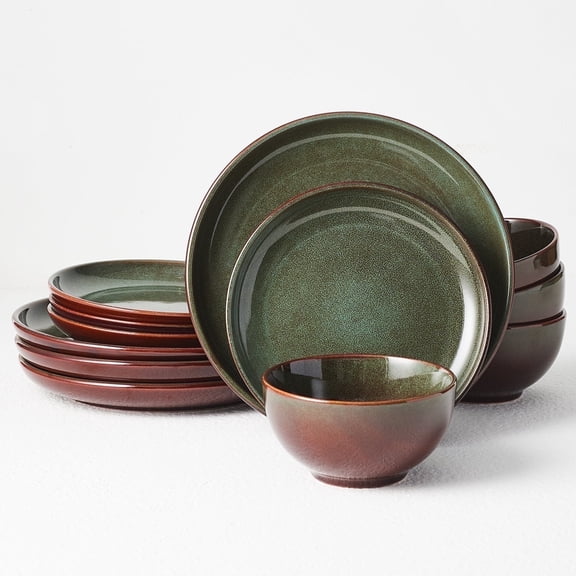
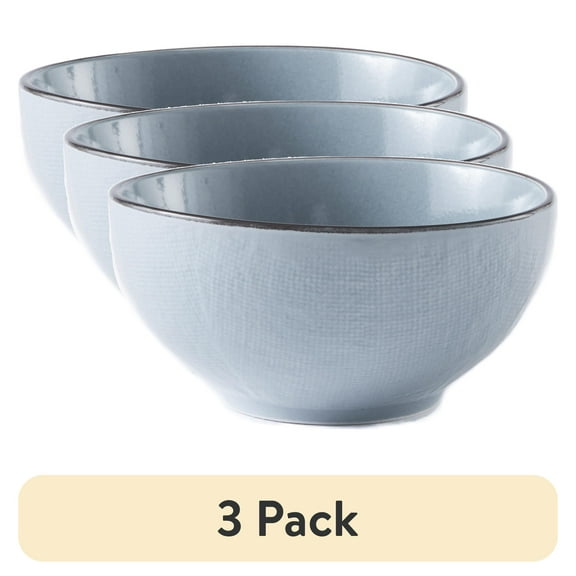
Reactive glaze pieces can give your table subtle variation, so your place settings look collected instead of uniform. You should expect color movement and surface character that make each plate feel distinct.
- You can choose matte finishes for a soft, modern table.
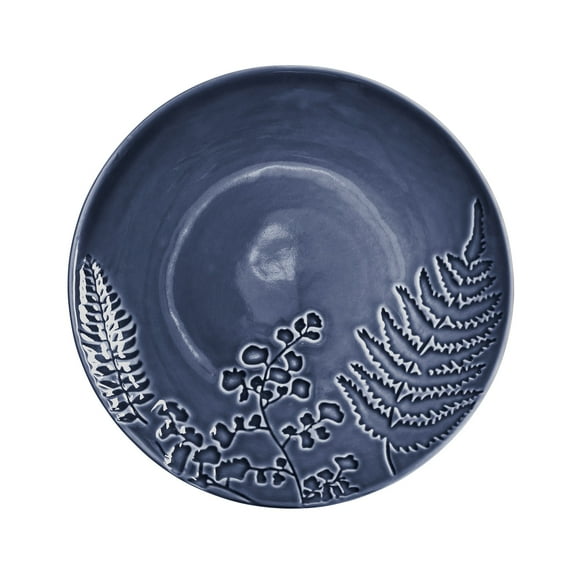
- You can choose glossy or glazed finishes for a polished look.
- You can choose reactive glaze for variation in tone and pattern.
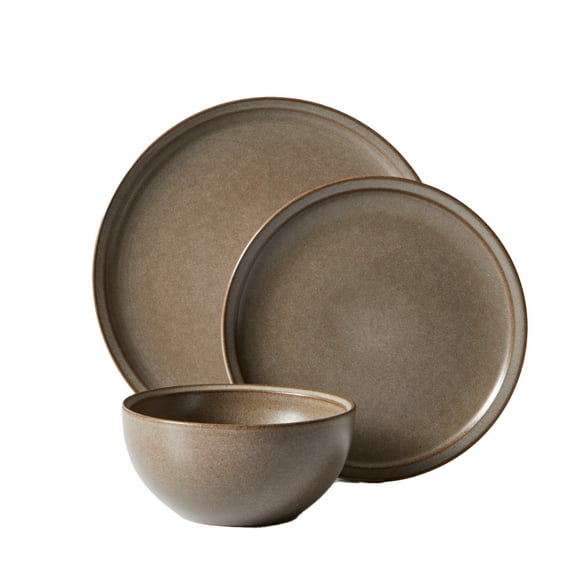
- You can mix white, black, and earth tones for a layered setting.
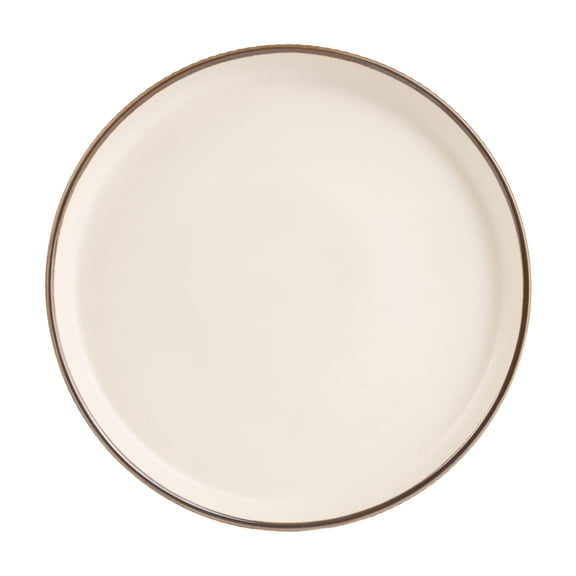
When you compare finishes, you should also check how they fit your flatware and linens. You can create a rustic table with earth tones or a clean look with white stoneware dishes.
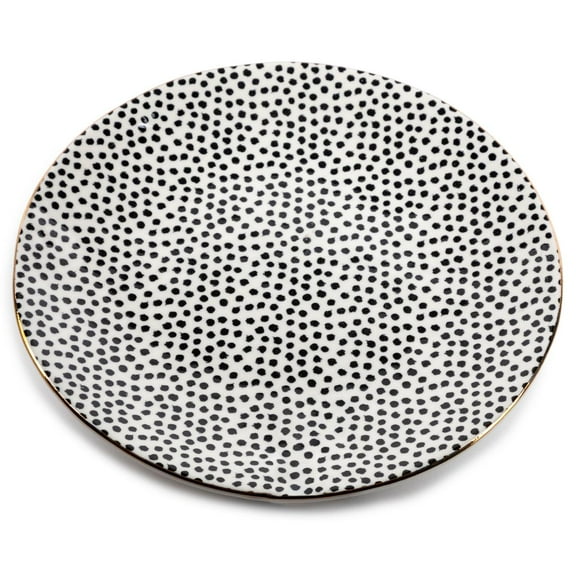
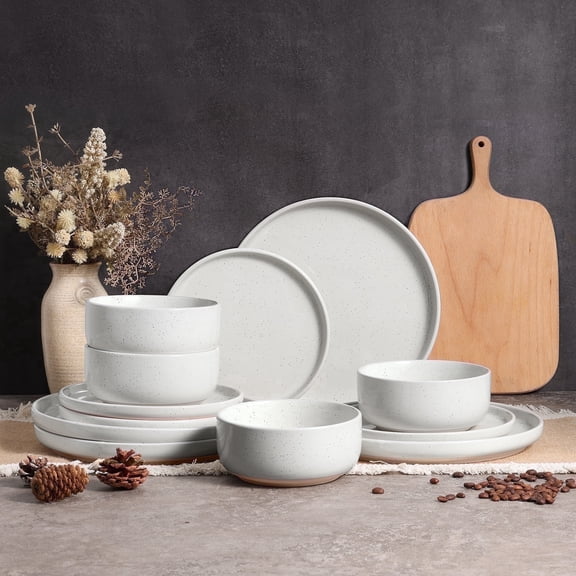
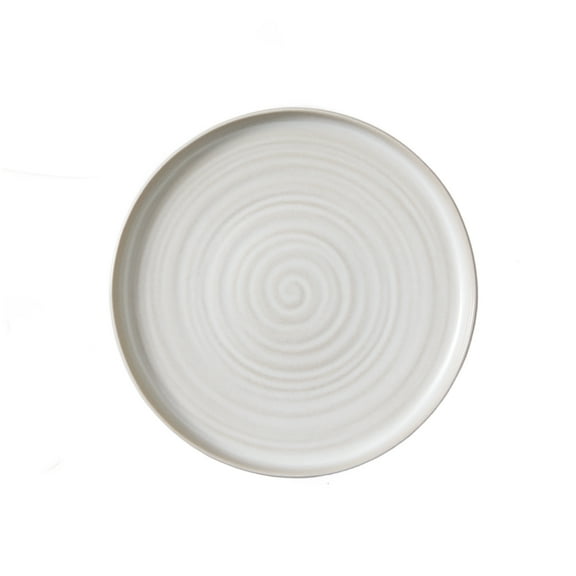
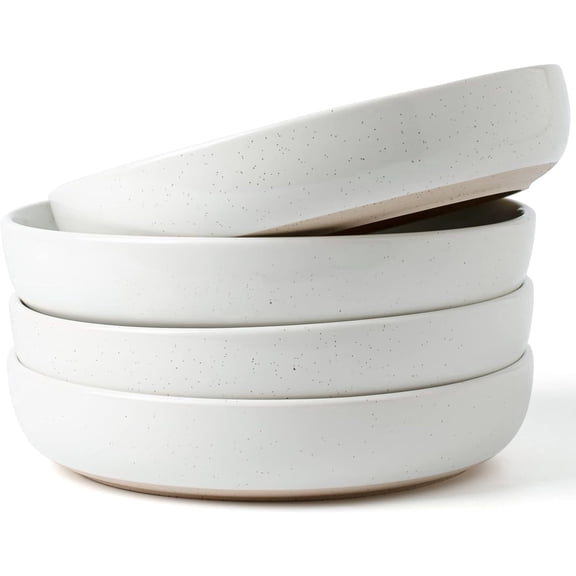
If you like visual depth, you may prefer handcrafted styling with speckling, uneven edges, or glaze variation. You can use those details to make everyday dining feel more intentional.
Choosing ceramic stoneware plates for daily care
You likely want ceramic stoneware plates that work easily with your daily routine. You should check whether plates are microwave safe, dishwasher safe, or oven safe before choosing them.
Microwave compatibility gives you easy reheating for leftovers, quick breakfasts, and busy weeknight meals. Dishwasher compatibility helps you keep cleanup simple after family dinners or larger gatherings.
Oven-safe pieces can help you warm foods before serving or keep dishes coordinated from oven to table. You should always compare the listed care guidance so your use matches the plate’s intended design.
You can also compare glaze durability and scratch resistance when you narrow your options. You may notice that some surfaces show flatware marks differently, especially on darker or matte finishes.
If stackability matters in your kitchen, you should look at profile, weight, and rim shape together. You can often store lower-profile plates more neatly in cabinets with limited shelf height.
Key differences in size, weight, and storage
You can make a smarter choice by measuring your cabinets, dishwasher slots, and placemats before you buy. You should compare plate diameter, overall height, and how many pieces you plan to stack.
Heavier stoneware plates can give your table a grounded, substantial feel during meals. Lighter profiles can help you carry stacks more easily from cabinets to the table.
If you serve large entrees, you may prefer wider stoneware dinner plates with room for sides. If you plate smaller meals, you might choose salad plates or dessert plates for better proportion.
You should also consider how rimmed plates and coupe plates stack in your cabinets. You can find that shape affects both storage efficiency and how easy plates feel in your hands.
Using stoneware plates for everyday meals and seasonal tables
You can use stoneware dishes every day because they pair well with casual breakfasts, packed lunches, and weeknight dinners. You can also set them out for weekend brunches, shared platters, and holiday meals.
White or black plates can anchor a simple table when you want a clean, versatile foundation. Earth tones and rustic finishes can warm up your setting during fall dinners and seasonal gatherings.
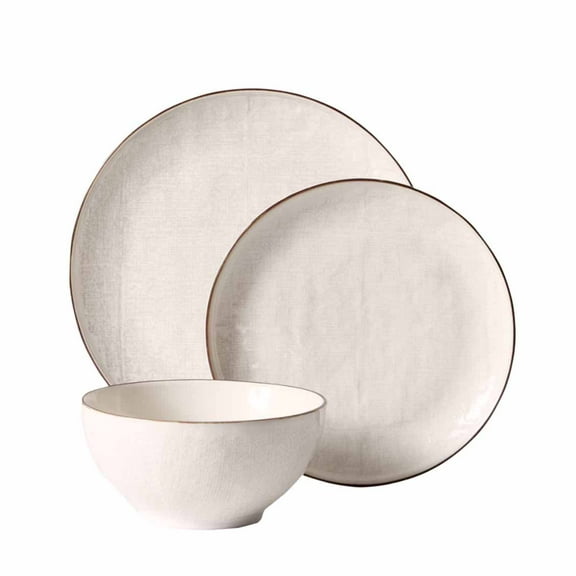
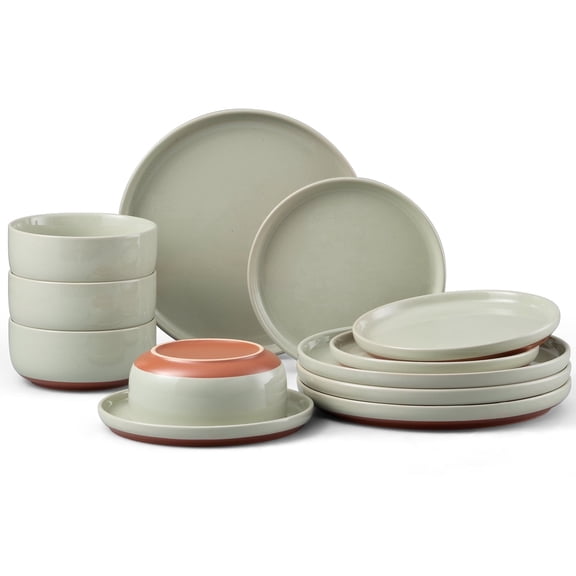
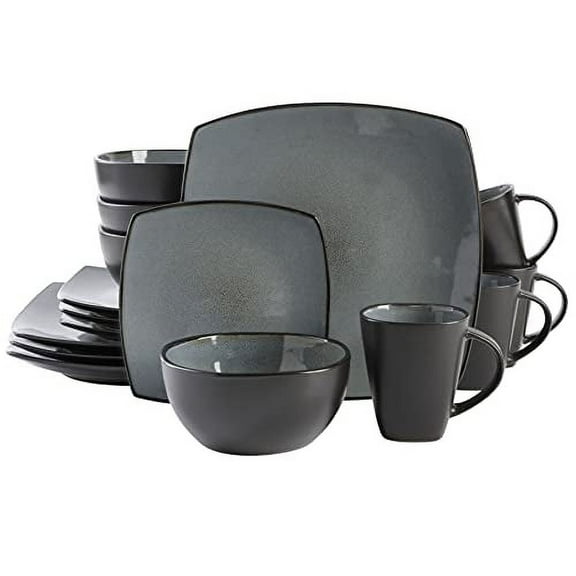
If you’re building layered place settings, you can pair stoneware salad plates with larger dinner plates. You can add appetizer plates or dessert plates when you want each course to feel more organized.
For entertaining, you may prefer reactive glaze or handcrafted looks that add texture to your table. For daily use, you might choose smoother glazed finishes that coordinate easily with mugs and bowls.
You can also mix matte stoneware plates with glossy serving pieces for contrast and dimension. You’ll create a table that feels collected, while keeping your place settings practical for regular use.
When you compare stoneware holiday plates with everyday styles, you should focus on color, finish, and layering potential. You can reuse versatile shapes long after the season ends.
Stoneware plates and porcelain differences to compare
You may compare stoneware plates with porcelain when you want the right look and feel for your home. You’ll often notice that stoneware brings a thicker profile and a more handcrafted appearance.
That substantial build can suit relaxed dining, layered textures, and rustic or modern tables alike. You can choose based on the weight, finish, and visual character that feel right in your space.
With the right plate type, finish, and care details, you can build a table that works from weekday meals to special occasions. You’ll get stoneware pieces that feel cohesive, store well, and support the way you serve.