

RV Skirts for Campers and Motorhomes


















About RV Skirts for Campers and Motorhomes - Walmart.com
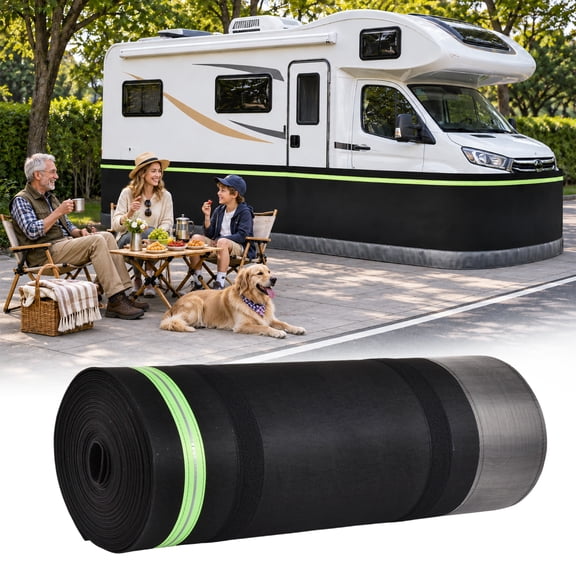
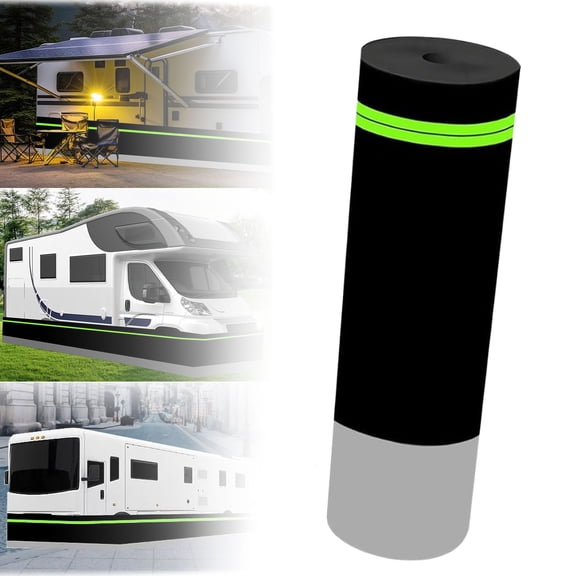
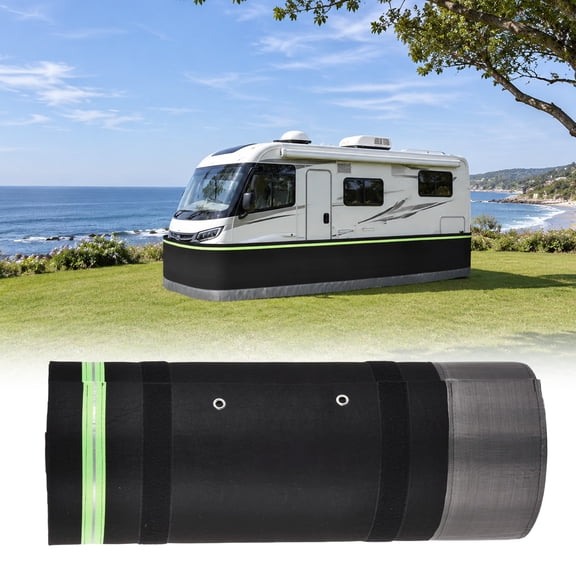
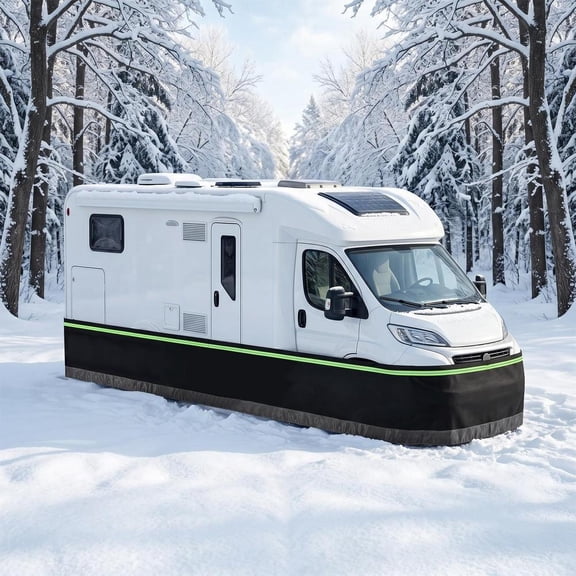
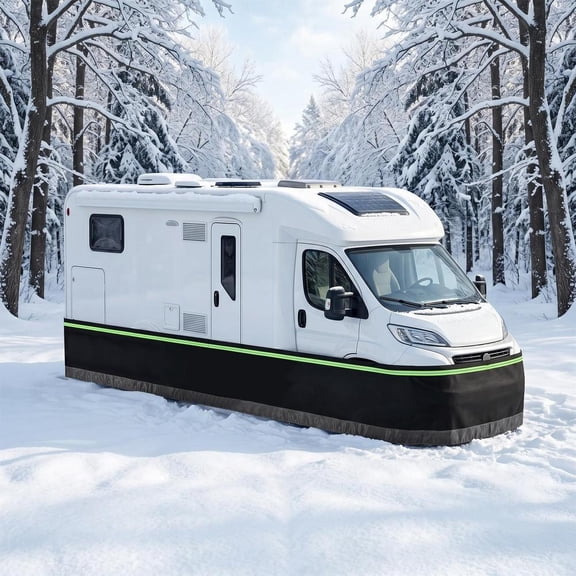
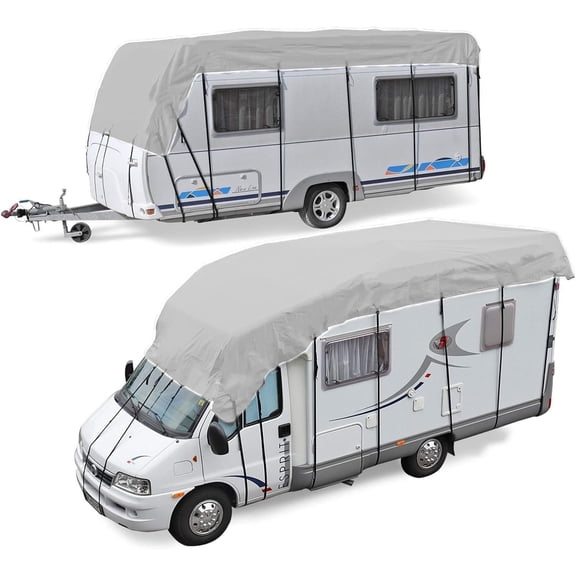
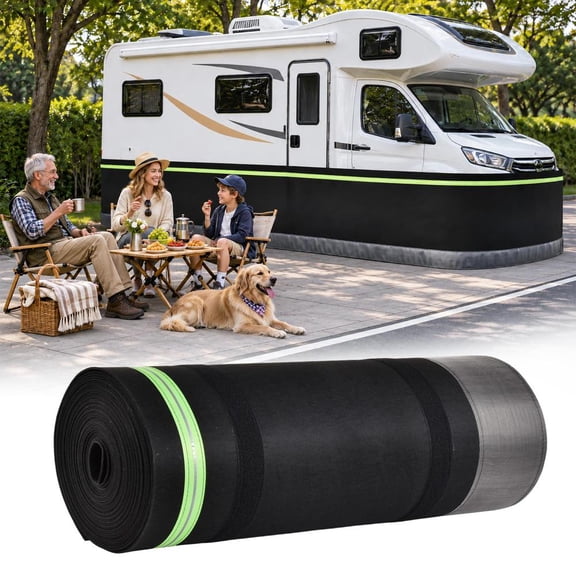
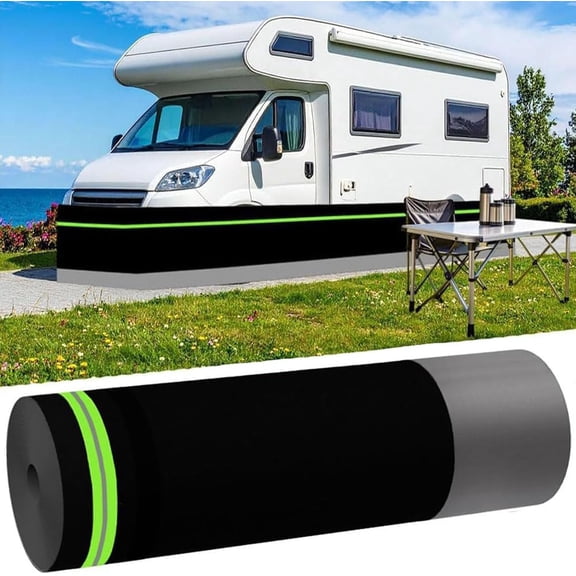
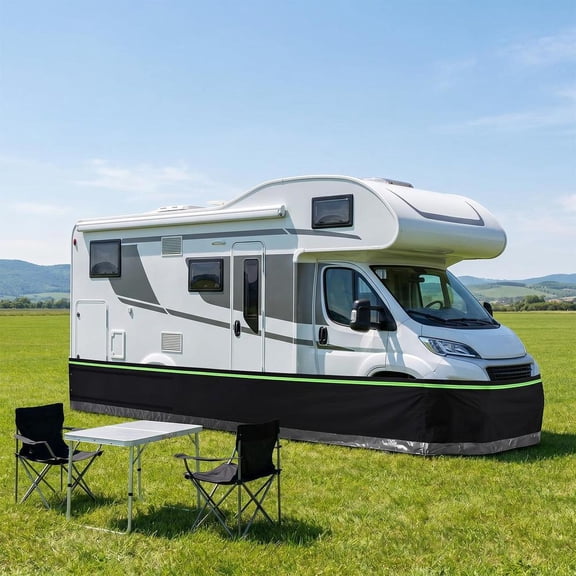
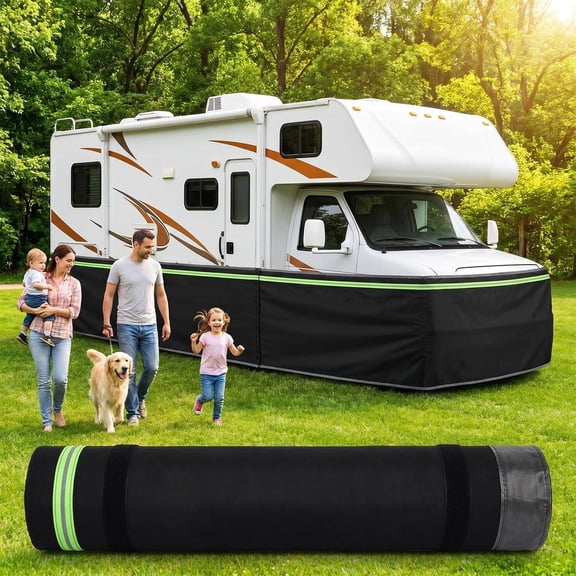
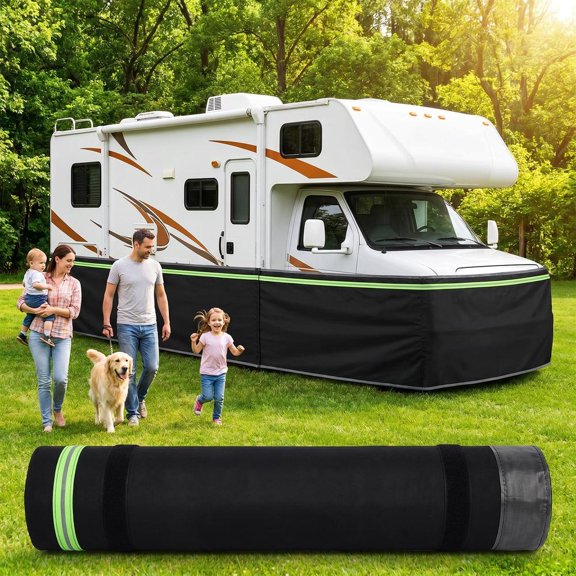
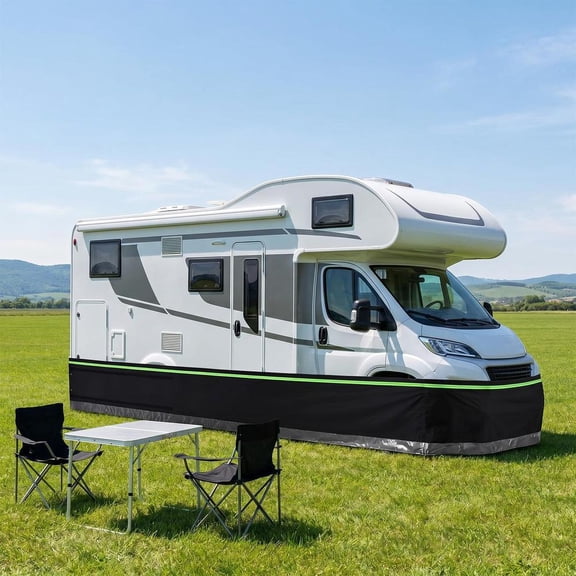
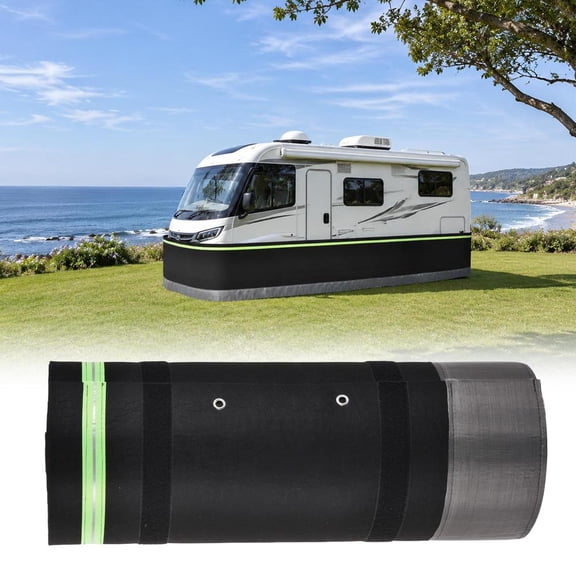
RV skirts help you create a cleaner, more protected space under your camper during cold, windy, and wet seasons. You can compare fit, material, attachment method, and seasonality to choose skirting that matches your rig and camping plans.
Choosing the right RV skirts for your setup
Fit type is your first decision because your rig shape affects coverage around steps, slides, and storage areas. You should compare fifth wheel, travel trailer, motorhome, and universal options before you measure your perimeter.
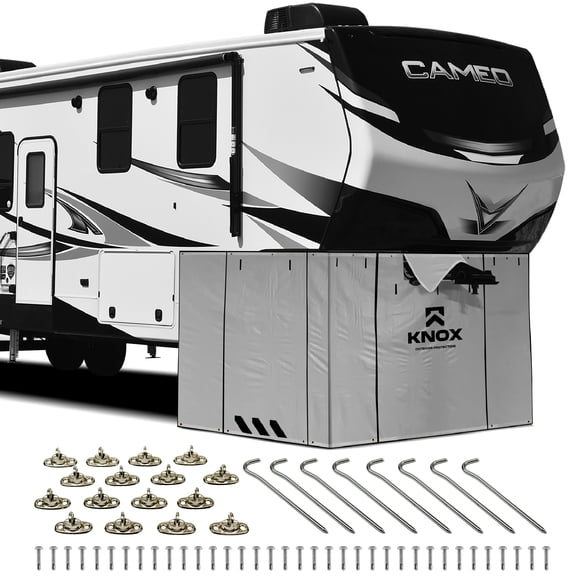
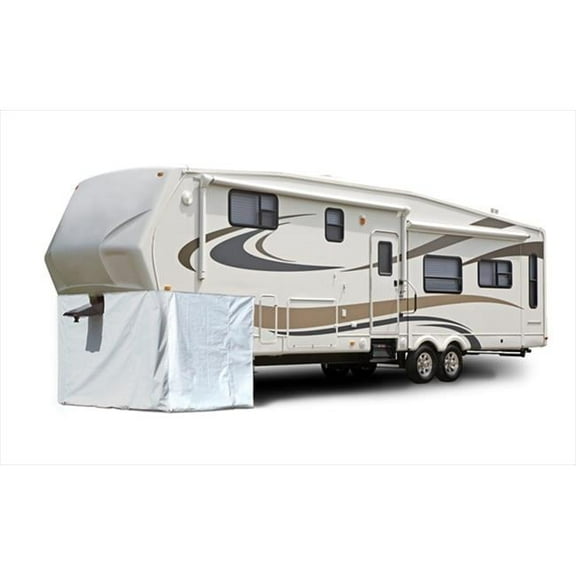
A fifth wheel RV skirt usually works with a raised front section and different ground clearance. Travel trailer skirting often suits straighter side profiles, while universal panels give you more flexibility around varied layouts.
Before you choose a set, you should measure total length, wheel areas, and access points you still need to reach. You’ll get a neater fit when your panels match your rig’s profile and skirt height.
What to look for in RV skirting for winter
Seasonality matters because your camping conditions change how much coverage and insulation you need. You may prefer four-season coverage for changing weather, or you may choose winter-specific panels for colder destinations.
When you compare RV winter skirting, look for material thickness and how tightly the panels seal along the bottom edge. You’ll usually notice less airflow under your rig when gaps stay covered.
- You can use skirting to reduce drafts around the undercarriage during cold-weather camping.
- You can create a tidier perimeter that helps block blowing leaves, slush, and road splash.
- You can choose removable panels that support seasonal setup and takedown.
- You can compare insulated options when you want added separation from cold ground air.
If you’re comparing insulation, you may see R-value listed on some materials. You can think of R-value as a simple guide to how well a material slows heat transfer.
A higher R-value usually means you’re adding more resistance between the space under your RV and outside temperatures. You should still compare fit and sealing because gaps can reduce that added benefit.
Comparing materials and durability
Material choice affects how your skirting handles wind, snow, sun, and repeated setup. You’ll often compare heavy-duty vinyl, canvas, insulated foam, and inflatable designs when you narrow your options.
Heavy-duty vinyl can give you a sturdy barrier that folds down for storage between trips. You may prefer canvas when you want a softer panel feel and a flexible fit around uneven ground.
Insulated foam panels can appeal to you when you want more structure and a more rigid wall effect. Inflatable styles can work when you want faster setup and a cushioned perimeter around your RV bottom skirts.
You may also notice vinyl weight listed in ounces or similar terms. A heavier vinyl often feels thicker in your hands, which can help you judge durability for snow, wind, and sun exposure.
When you camp in open areas, you should compare how each material handles flapping and shifting. You’ll want panels that keep their shape without constant adjustment during changing weather.
Understanding attachment methods and wind resistance
Attachment method is a decision-critical factor because wind resistance depends on how securely your panels connect to the RV. You should compare snap-on, suction cup, channel-track, and weighted adhesive systems before you commit.
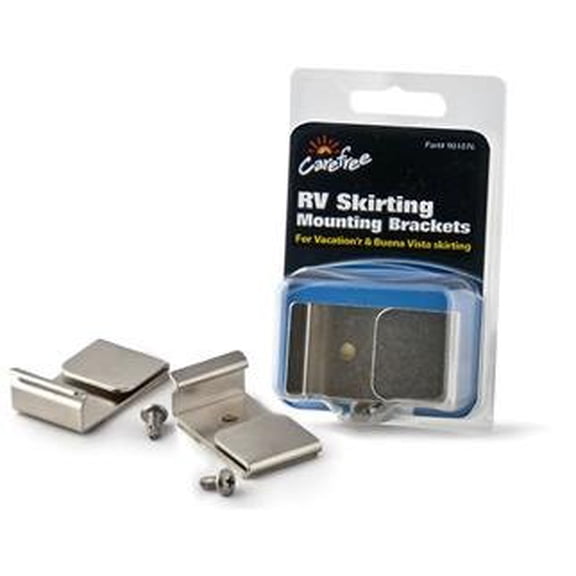
Snap-on systems can give you a fixed connection point along the rig body. You may like channel-track systems when you want panels to slide into place for a more continuous seal.
Suction cup styles can suit temporary use when you want a simpler setup routine. Weighted adhesive options may appeal to you when you’re comparing no-drill RV skirting choices for a cleaner install approach.
You should also look for wind-anchoring details that help hold the lower edge in place. You’ll get steadier coverage when your skirting uses secure corners, weighted bottoms, or ground anchoring points.
If you camp where gusts are common, check whether the system supports repeated tightening or repositioning. You can avoid loose edges when your attachment method matches your site conditions.
Matching RV skirts to real camping use
If you stay in one spot for weeks, you may want a more structured setup with channel-track or snap-on panels. You’ll usually appreciate the cleaner perimeter and steadier fit during extended winter stays.
For weekend trips, you might prefer lighter camper skirts that pack down easily and set up fast. You can simplify arrival and departure when your panels store compactly in an exterior compartment.
If you travel with a fifth wheel, you should account for the front overhang and changing skirt depth. You’ll want coverage that follows the frame shape instead of leaving open sections underneath.
When you use travel trailer skirting, you may focus on wheel cutouts, entry steps, and storage access. You can maintain convenience when your panel layout still lets you reach key compartments.
Motorhome owners may need a different approach around utilities and lower body contours. You should compare universal kits and customizable panels when your rig has more varied attachment areas.
For snowy sites, you may lean toward insulated RV skirting or thicker materials with stronger edge support. You’ll also want attachment points that keep panels stable when weather shifts throughout the season.
When you compare RV skirts carefully, you can choose a setup that fits your rig, your climate, and your install preference. You’ll end up with skirting that supports a more comfortable and controlled campsite perimeter.