

RV Fireplaces for Heating and Cooling Comfort

About RV Fireplaces for Heating and Cooling Comfort - Walmart.com
RV fireplaces help you add compact comfort and a built-in look to your camper interior. You can compare voltage, mounting style, and cutout size for a cleaner fit.
If you're upgrading a travel trailer or motorhome, you can focus on RV-specific measurements first. You can avoid wasted space when your fireplace matches tight walls and cabinetry.
How to choose RV fireplaces for your setup
When you compare RV fireplaces, you should start with your camper's wiring and available amperage. You can narrow your options faster when your power needs match your rig.
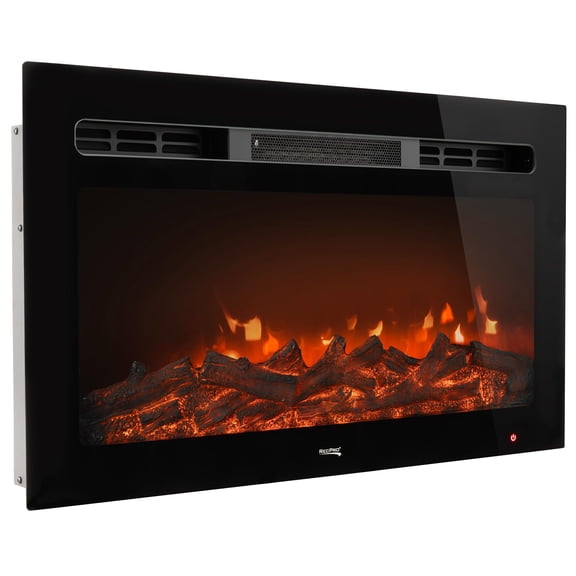
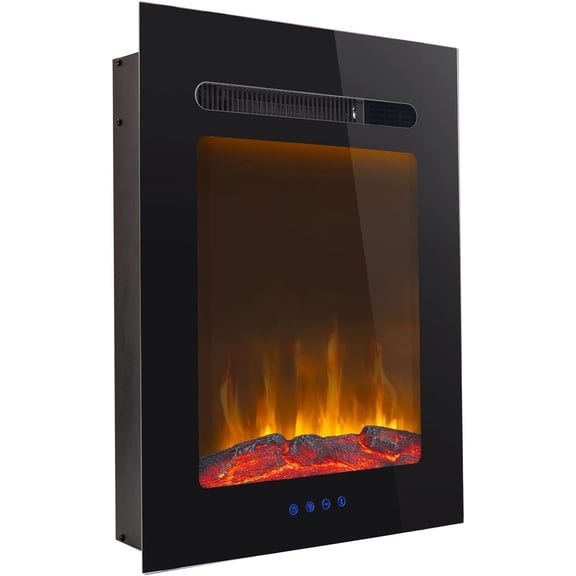
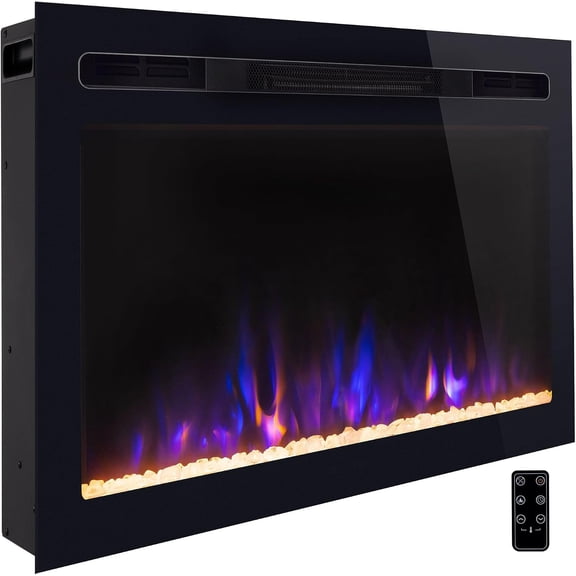
Many shoppers compare RV fireplaces electric because you get flame display and heater functions in one compact format. You can add ambiance without giving up valuable floor space.
If you're replacing a fireplace for camper use, you should measure your current opening before anything else. You can reduce fit issues when you check width, depth, and trim coverage early.
Choosing power source and voltage
You should compare 12V DC, 110V AC, and 120V AC options based on your camper's wiring. You can confirm shore power use, inverter support, and circuit capacity before installation.
A 12V model can suit certain RV electrical setups when you want lower-voltage compatibility. A 110V or 120V unit can fit campers with household-style appliance support.
You should also check wattage and amperage draw, especially with 750W or 1500W heaters. This helps you match heater output to your available electrical capacity.
- You can compare 12V DC, 110V AC, and 120V AC options for your electrical setup.
- You should check 750W, 1500W, or 5000 BTU output for your interior comfort goals.
- You can select recessed, wall-mounted, or freestanding designs for your floorplan.
- You should measure 26-inch, 28-inch, 30-inch, or compact widths before choosing.
- You can look for flame-only mode when you want visual ambiance without added heat.
Choosing mounting type and size
You should pick a mounting type that matches your cabinet space and walkway clearance. You can choose recessed models for a built-in appearance or wall-mounted units for simpler placement.
If you want layout flexibility, you can also consider freestanding styles in select camper setups. You can match the installation style to your storage access and seating area.
Recessed installations usually need exact cutout dimensions and enough mounting depth behind the wall. You should measure both width and depth so your unit fits without crowding nearby storage.
A 26-inch, 28-inch, or 30-inch fireplace for camper interiors can match common entertainment walls and furniture openings. You can also consider compact sizes when your trailer has tighter dimensions.
You should check trim size as well as firebox size because both affect final fit. This helps you cover the opening cleanly without blocking nearby doors or drawers.
Comparing heat output and flame-only use
You should think about how much warmth you want during cool evenings and shoulder-season trips. You can compare 750W, 1500W, and 5000 BTU options for different interior sizes.
A lower output can suit smaller campers when you want gentle warmth and lighter power draw. A higher output can fit larger living areas when you want stronger heat circulation.
You may also want flame-only mode for warmer months or daytime ambiance. You can keep the fireplace look you want without adding extra heat inside your RV.
Many RV fireplaces electric designs let you switch between visual flames and heating functions with simple controls. You can tailor the experience to changing weather and campsite hookups.
What to look for in RV fireplaces electric
You should look for overheat protection when you're placing a heater inside a tighter camper layout. This helps you choose a unit designed for enclosed RV living spaces.
Cool-to-the-touch glass is another useful detail when your walkway runs close to the fireplace. You can move through compact interiors more comfortably when exterior surfaces stay easier to handle.
You should also review vent placement, control access, and clearance guidance before installation. You can support steadier day-to-day use when your unit has room to operate as intended.
Matching your fireplace for camper use to real setups
If you're updating a travel trailer entertainment wall, you may prefer a recessed unit in a 26-inch or 28-inch width. You can create a cleaner built-in look while keeping your walkway open.
If you're outfitting a smaller camper, you may lean toward a compact model with flame-only mode. You can enjoy the fireplace appearance on mild evenings without warming the cabin too much.
When your rig has household-style power available, you may compare 110V or 120V options first. You can focus on output, trim size, and mounting depth for a more precise fit.
If you want flexible placement in a seasonal setup, you may prefer a freestanding design. You can simplify placement when your floorplan limits wall cutouts or built-in cabinetry.
You should choose RV fireplaces with measurements and power requirements that align with your exact camper layout. This helps you get a cleaner installation, steadier comfort, and a polished built-in look.