

RV Door Stops for Exterior Door Parts


About RV Door Stops for Exterior Door Parts - Walmart.com
With rv door stops, you can keep entry and baggage doors in place during setup, loading, and campsite use. You’ll find category options that focus on weather exposure, mounting fit, and steady holding power for daily RV travel.
How to choose rv door stops for your RV
When you compare rv door stops, you should start with your door type and mounting layout. You’ll want a match that suits an entry door, baggage door, screen door, or cabinet door.
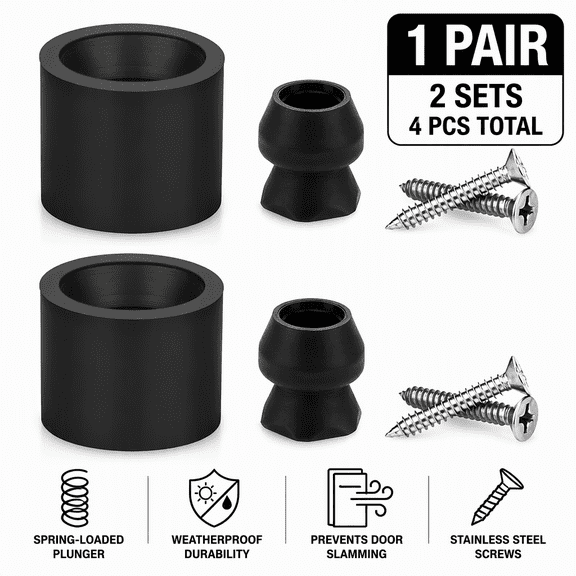
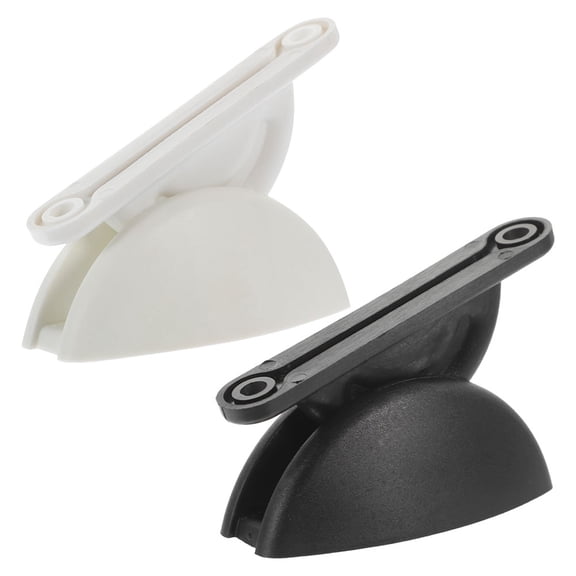
Style matters because you’ll use each design differently during travel stops and campsite setup. You may prefer an rv door holder t-style, a plunger style, a magnetic catch, or a friction hinge.
A T-style setup usually uses a fixed catch point, so you should check hole spacing before you choose. A plunger style uses spring tension, so you’ll want the bracket position to line up cleanly.
- You can hold an entry door open while unloading coolers, chairs, and camping gear.
- You can secure baggage doors during storage access, cleaning, and hook-up routines.
- You can compare magnetic pull force or mechanical tension for steadier holding in breezy campsites.
- You can check whether screws, brackets, and matching hardware are included before installation.
Choosing material, size, and rv door holder durability
Material affects how your hardware handles sun, rain, and repeated opening cycles outside. You’ll often compare plastic, stainless steel, metal, and rubber based on exposure and finish preferences.
If you want a lighter option, you may look at plastic parts for simple replacement needs. If you expect more outdoor wear, you may consider stainless steel or other metal rv door stops.
Rubber contact points can help you reduce rattling where doors meet catches or stops. You’ll also want finishes that support rust resistance and a clean look on exterior panels.
Size is another decision point because reach changes how far your door opens and where it rests. You can compare three inch, four inch, and six inch rv door holder lengths by measuring clearance.
If your awning arm, steps, or storage layout affects swing space, you should measure before you replace old hardware. You’ll avoid guesswork when your chosen length matches your door path.
What to look for in rv door latch catch styles
An rv door latch catch should match the way your door closes, holds, and releases. You’ll want a style that feels easy to use when your hands are full.
Magnetic options can give you quick contact and release, which helps during frequent trips in and out. You should compare pull strength, because stronger magnets can hold more steadily in moving air.
Mechanical designs use tension or a locking shape, and you’ll notice a firmer hold once they engage. You may choose these when you want a more deliberate catch on heavier exterior doors.
Mounting hardware also matters because you’ll want a straightforward replacement process. You should check for screws, strike plates, brackets, and any listed hole spacing before installation.
If your current part sits on a curved surface or narrow frame, you should compare bracket shape carefully. You’ll get a cleaner fit when the base matches the door and wall profile.
Matching application needs from entry doors to rv baggage door clips
Your application changes what kind of holder makes the most sense for daily use. You may need one setup for the main door and another for storage compartments.
For an entry door, you’ll often want a secure hold that stands up to repeated opening at camp. You may look for an rv camper door holder that keeps the door steady during setup.
For storage areas, rv baggage door clips can help you keep compartment doors open while you load hoses, tools, or leveling gear. You’ll appreciate compact hardware that fits tighter exterior spaces.
Screen doors and cabinet doors can call for smaller hardware and shorter reach. You should compare scale, bracket size, and release style so the fit feels appropriate indoors or outside.
If your RV sees frequent weekend trips, you may want simple replacement parts that install without extra adjustment. If you travel longer routes, you may focus on stronger materials and steadier catches.
How your measurements and hardware checks support a clean install
Before you choose, you should measure door swing, mounting space, and the distance between existing holes. You’ll make a faster replacement when those details match your current setup.
You should also check whether your part mounts vertically or horizontally on the wall or frame. You’ll narrow options quickly when you compare orientation with your RV’s existing hardware location.
Holding force is worth reviewing if wind exposure is common at your campsites. You may compare magnetic pull force or mechanical tension based on how firmly you want the door retained.
When you select the right style, material, length, and application, you’ll get a cleaner fit for everyday RV use. You’ll keep doors positioned where you want them, with less shifting during campsite routines.