


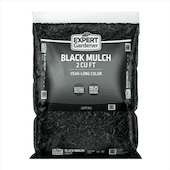
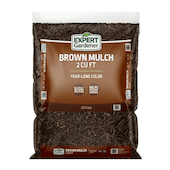
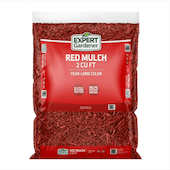
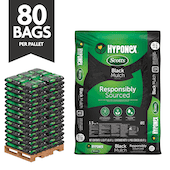

Rubber Mulch in Mulch























About Rubber Mulch in Mulch - Walmart.com
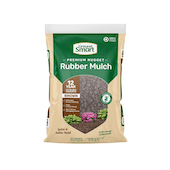
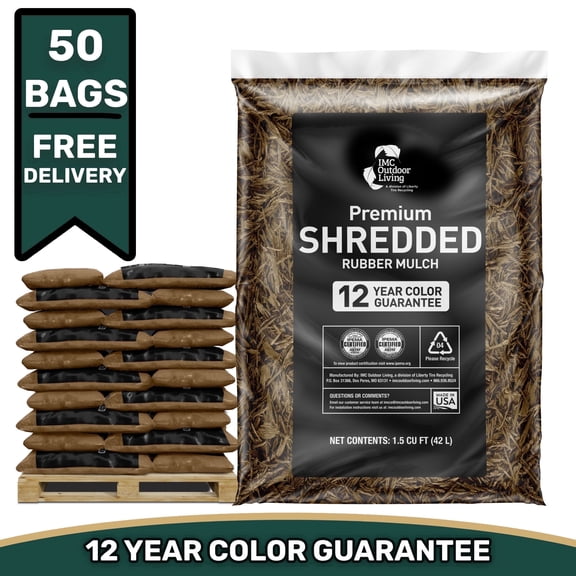
Rubber mulch helps you build cleaner landscape beds and cushioned play areas with long-lasting color, low upkeep, and easy-to-carry bag or bulk options. You can compare packaging, bag size, color, and use case before you choose the right coverage for your yard or project.
Choosing the right rubber mulch for your project
When you compare rubber mulch, you should start with where you'll spread it and how much ground you need to cover. You can use it for playground safety surfacing, landscaping borders, and garden beds that need a neat, finished look.
If you want easier handling, you can choose individual bags for small refreshes and weekend projects. If you're covering larger spaces, you may prefer bulk pallets or loose fill for fewer trips and steadier installation.
You may also notice that this material doesn't break down like wood chips during wet seasons and heavy use. That means you can spend less time topping off thin spots and more time maintaining a consistent surface depth.
Why rubber mulch in bags works for busy outdoor spaces
Rubber mulch in bags gives you a practical way to plan coverage, move material, and store extra product between projects. You can carry bags to side yards, tree rings, play sets, and narrow borders without special equipment.
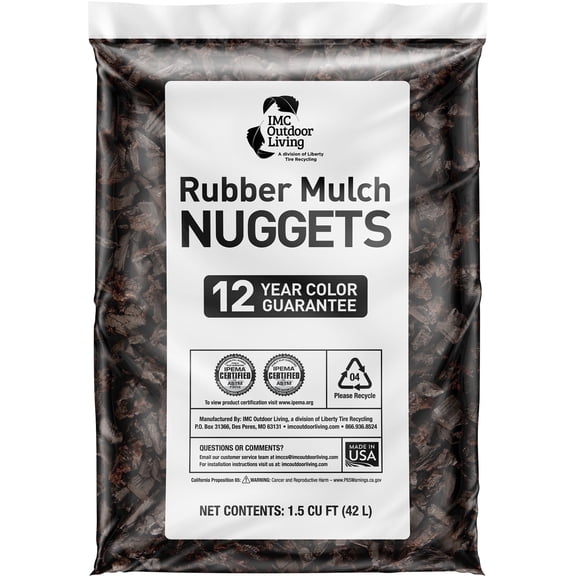
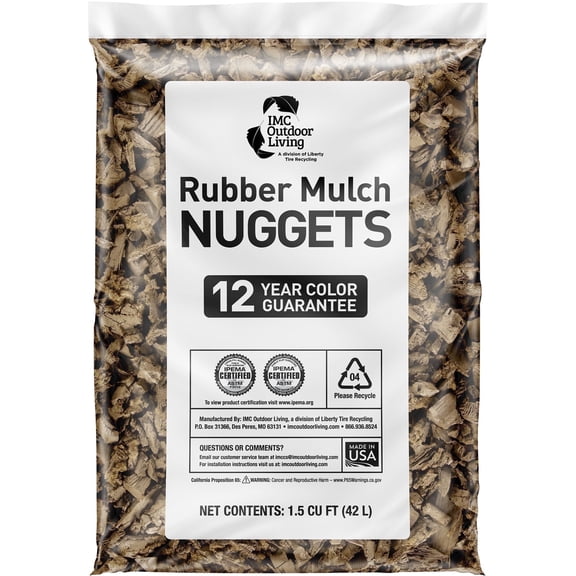
- You can keep color looking consistent in black, brown, red, or blue areas.
- You can reduce frequent replenishing because the material keeps its shape longer.
- You can create cushioned surfaces for play zones and high-traffic spots.
- You can spread smaller amounts at a time when you want controlled placement.
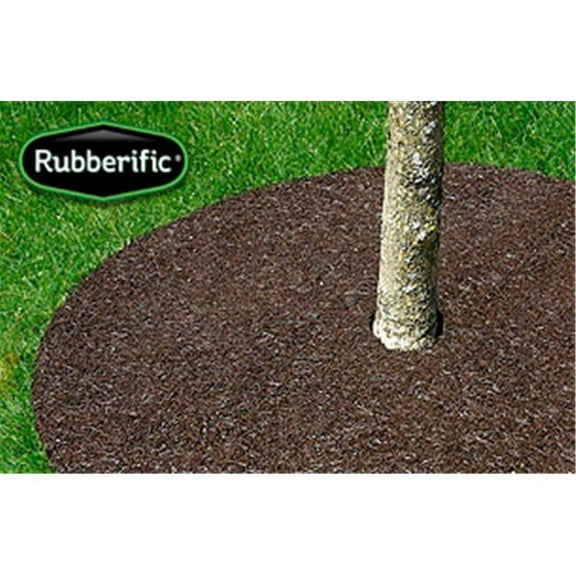
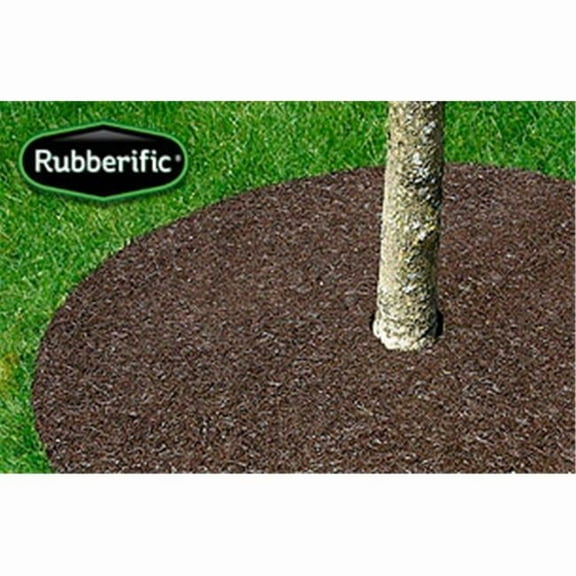
For landscaping, you can use it to outline shrubs, paths, mailbox beds, and edging with a tidy appearance. For play areas, you can build a resilient surface that stays in place around swings, slides, and climbing zones.
You may also like that bags simplify partial replacements after weather, renovation, or seasonal cleanup. If you maintain several areas, you can keep unopened bags ready for touch-ups without storing a loose pile.
Comparing rubber mulch bags, bag sizes, and coverage
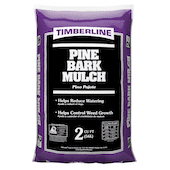
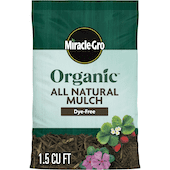
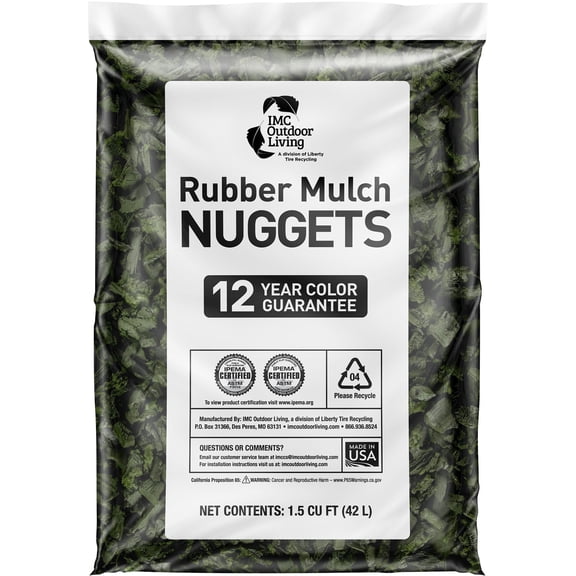
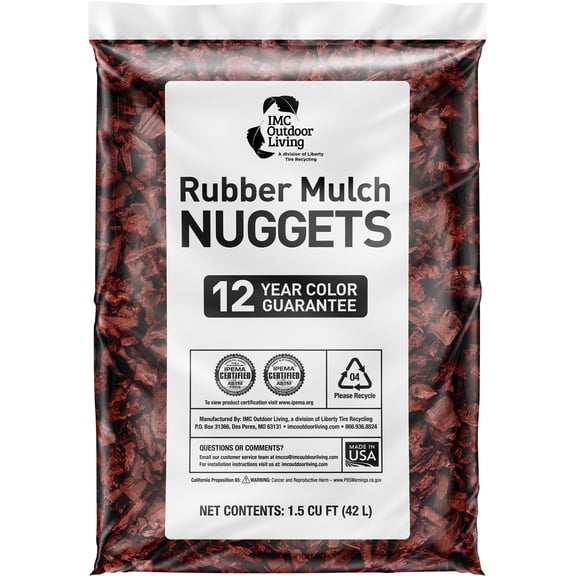
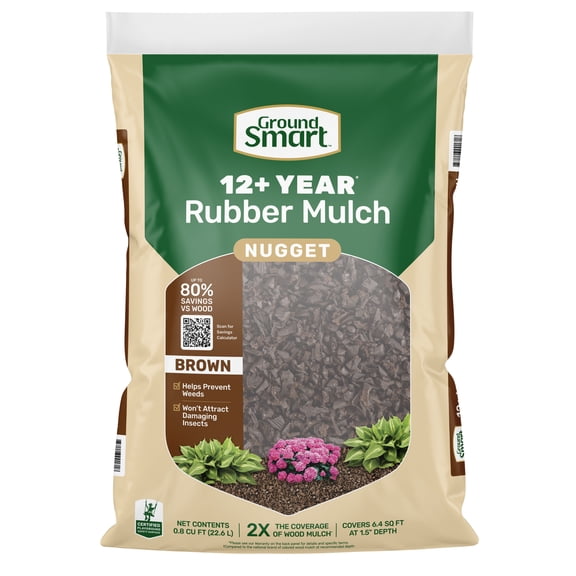
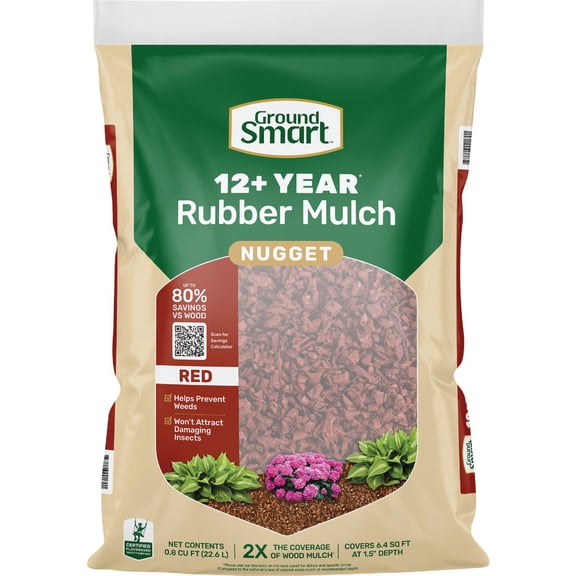
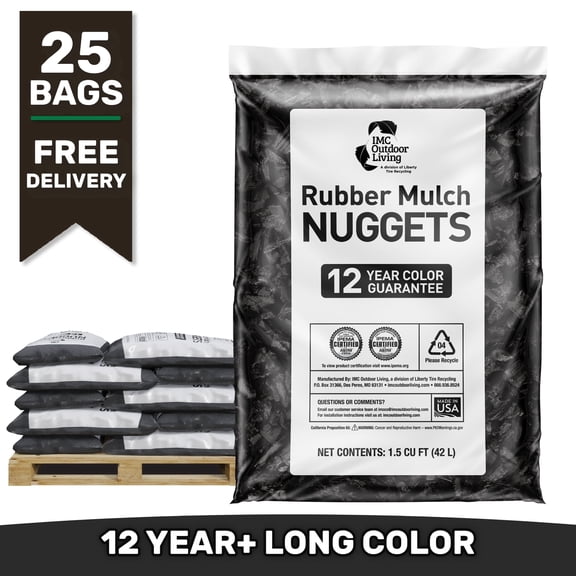
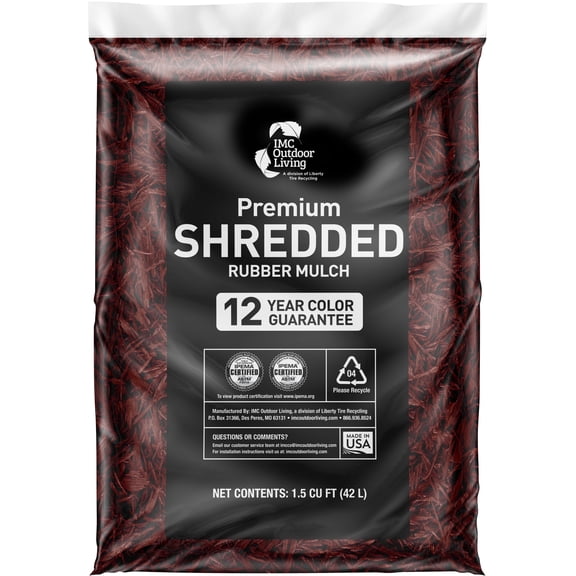
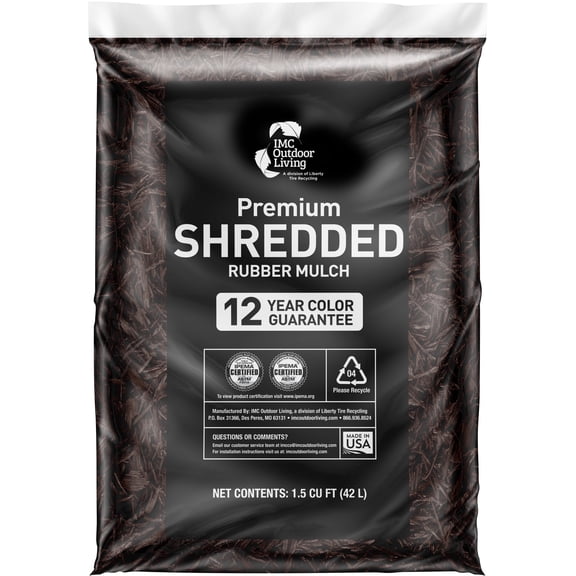
When you review rubber mulch bags, you should check packaging type and bag size together. You may see 0.8 cu ft bags, 1.5 cu ft bags, and bulk yard options that fit different project sizes.
If you're covering a small border, you can often manage the project with individual bags and simple measuring. If you're planning a larger playground or long bed line, you should compare larger bag counts or pallet quantities.
To estimate coverage, you can measure your space in square feet and match that number to your target depth. You should plan a deeper layer for playground surfacing and a lighter layer for decorative beds.
As a simple guide, you can multiply length by width to get square footage before checking each package label. Then you can compare rubber mulch per bag and total bags needed for your planned depth.
For safety surfacing, you should look for IPEMA certification and check fall height ratings listed on product details. You can use those technical details to match surface depth with the play equipment you're covering.
You should also look for a 99.9% wire-free rating when you're choosing material for active family spaces. That detail helps you compare products intended for barefoot play areas and frequent foot traffic.
Choosing color and use case for rubber mulch
Color affects how your finished space looks across seasons, so you should compare black, brown, red, and blue before ordering. You may prefer black or brown for natural beds, while red or blue can define play zones.
You'll also want to think about color longevity when the area gets direct sun every day. Rubber pieces usually hold their color longer than natural mulch, so you can keep a uniform look with fewer refreshes.
For garden beds, you can use this material around perennials, shrubs, and decorative borders where you want clean edges. For playground zones, you can choose colors that separate play space from nearby grass or patios.
If your goal is landscape definition, you should focus on visual contrast, coverage depth, and package count. If your goal is playground surfacing, you should focus on certification details, depth guidance, and cushioned ground coverage.
How to match packaging type to your installation plan
You can choose individual bags when you need flexibility for spot updates, narrow beds, or phased projects. You can choose bulk pallets when you want a larger quantity delivered together for broad coverage.
Loose fill may suit larger installations where you already know your cubic yard needs and staging area. Before you choose, you should measure gate widths, path access, and storage space for unloading.
If you're comparing pickup or delivery convenience, you can use packaging type as a planning tool. You may find that bagged options fit tighter spaces, while bulk formats support faster installation on larger footprints.
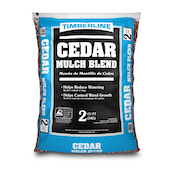
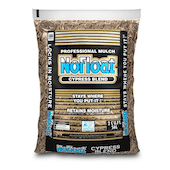
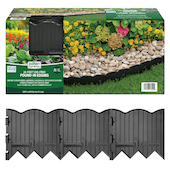
Related outdoor categories can also help you complete the job with cleaner results and clearer borders. You can pair your order with landscaping fabric, garden borders, playground equipment, or wood mulch for nearby areas.
Rubber mulch per bag planning for confident results
When you calculate rubber mulch per bag, you can avoid ordering too little for deep coverage or too much for a compact bed. You should start with your square footage, then compare bag volume and intended depth.
This category makes planning easier because you can shop by bags, pallets, color, and use case in one place. You can finish with a surface that stays tidy, cushions active areas, and keeps its look through repeated outdoor use.