

Oval Area Rugs in Area Rugs





























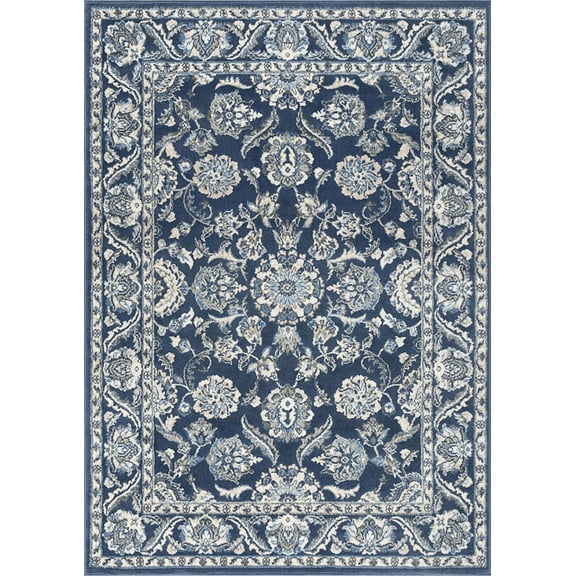
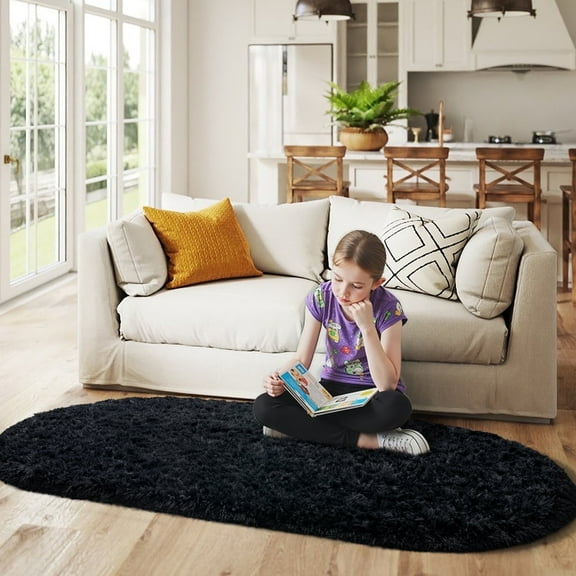
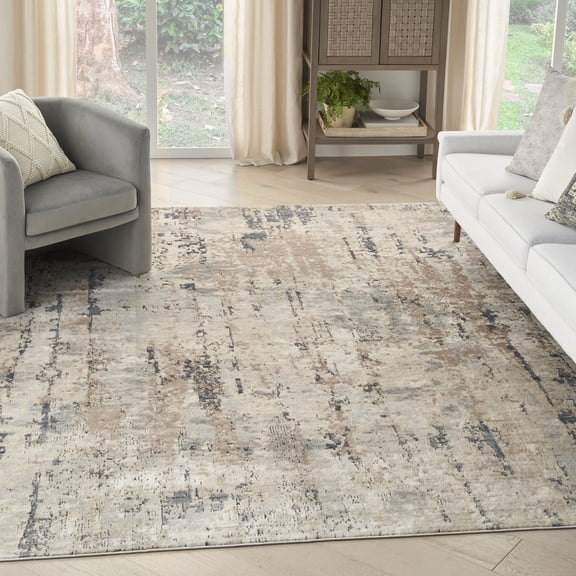
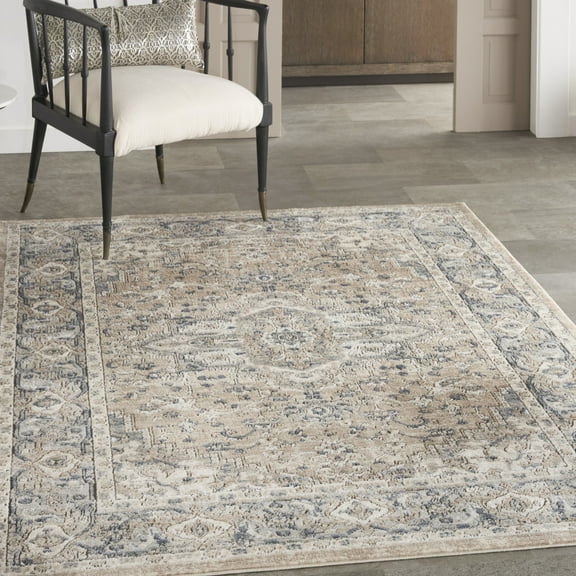


















About Oval Area Rugs in Area Rugs - Walmart.com
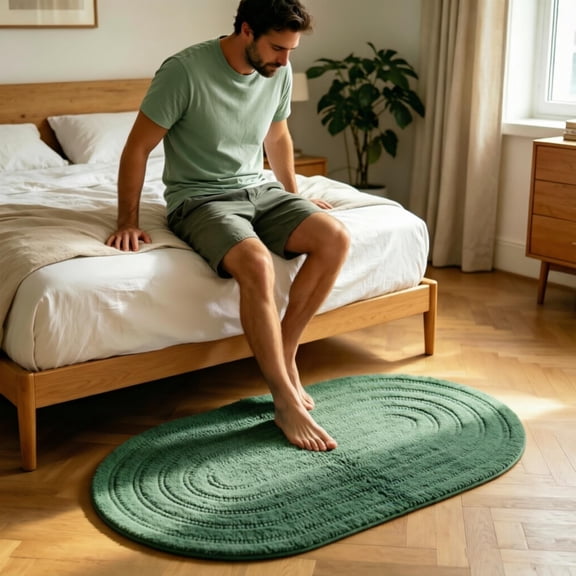
Oval area rugs help you soften straight furniture lines and define rooms with a shape that feels polished. You can use this distinctive silhouette to anchor seating, frame dining tables, and guide traffic through narrow spaces.
How to choose oval area rugs by style and construction
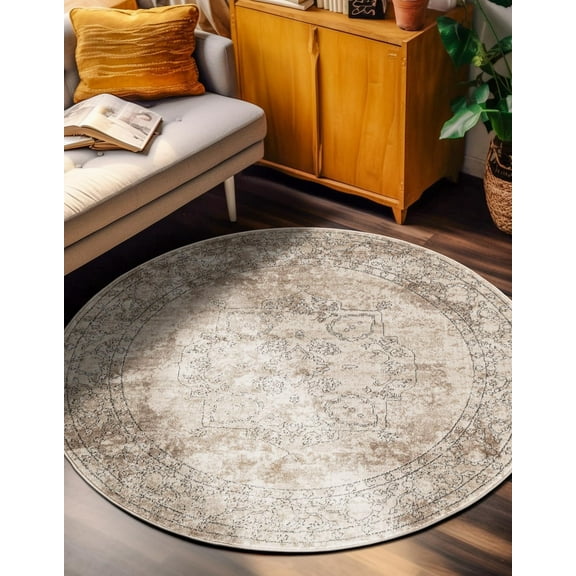
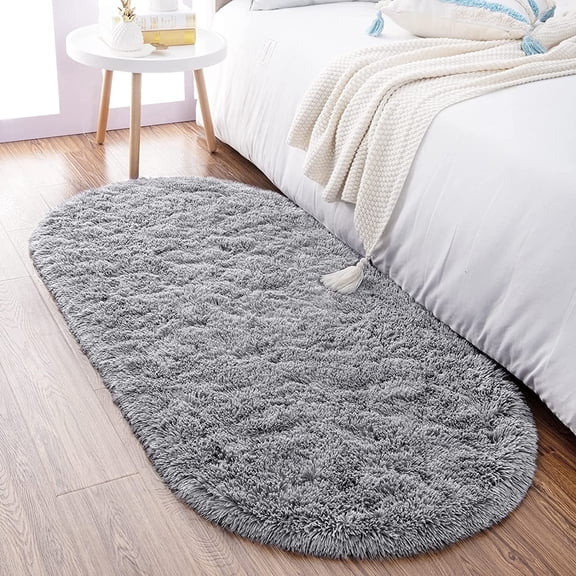
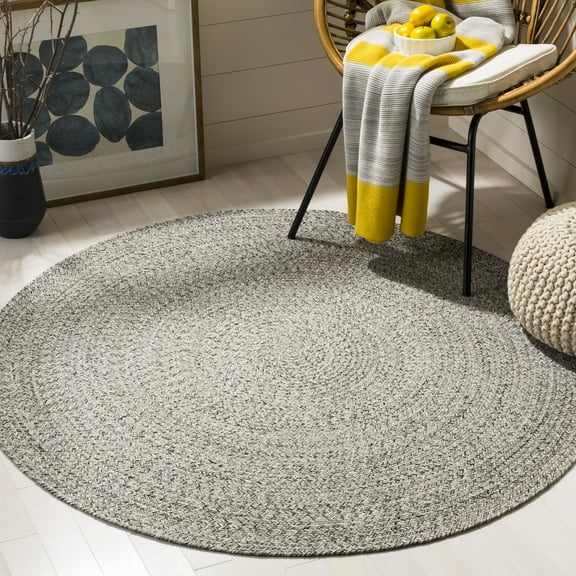
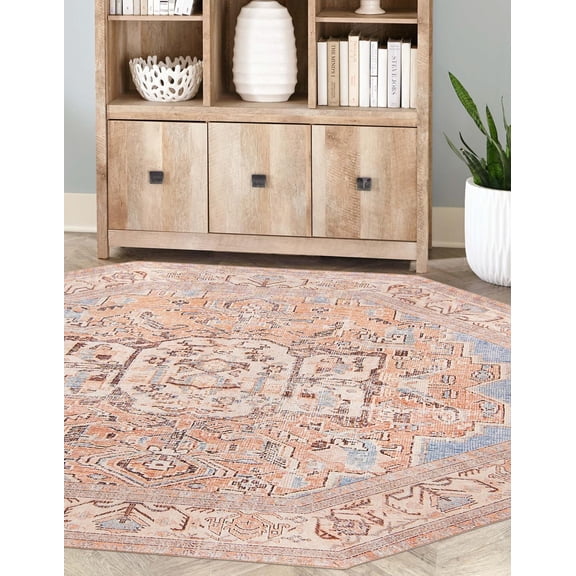
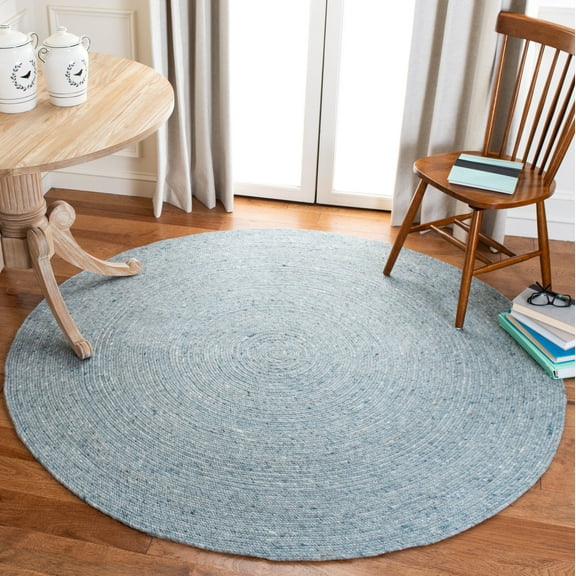
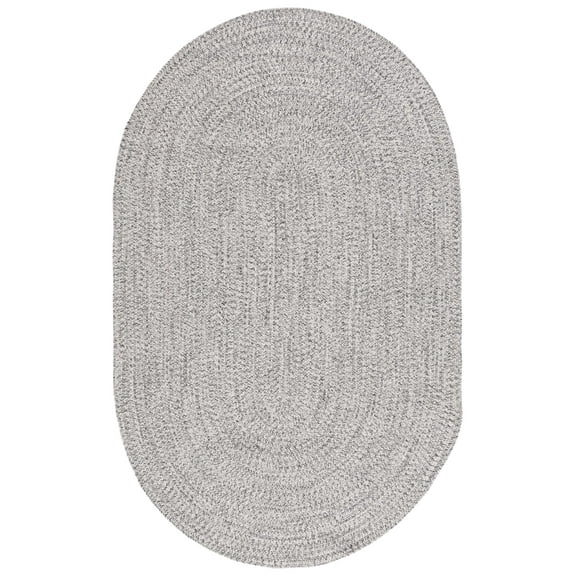
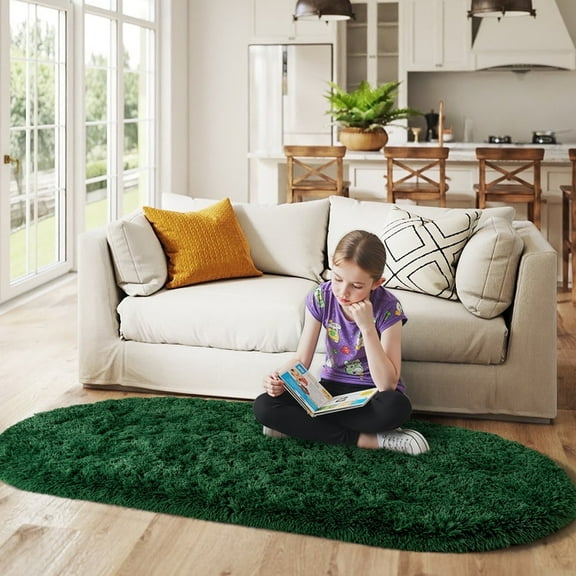
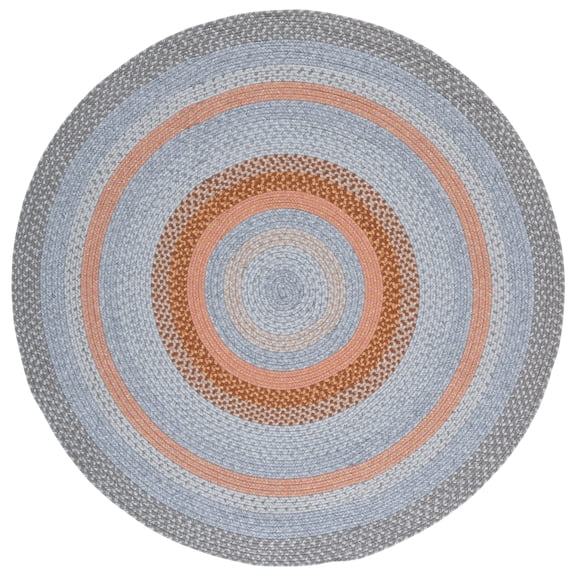
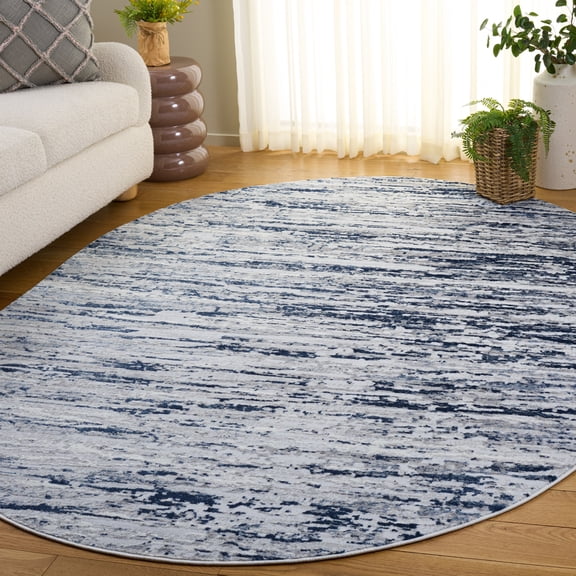
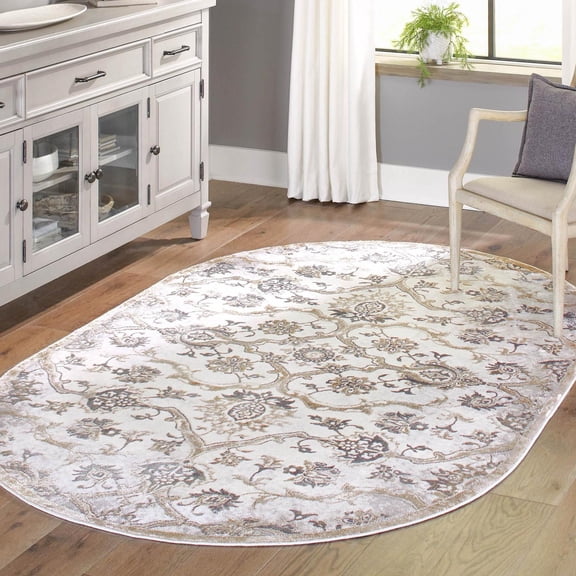
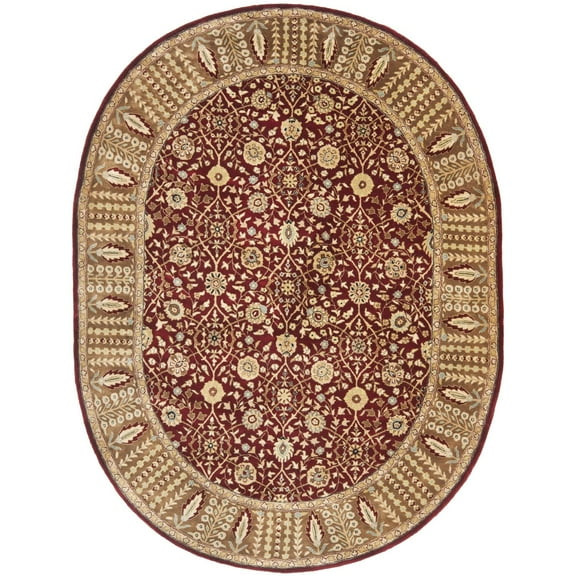
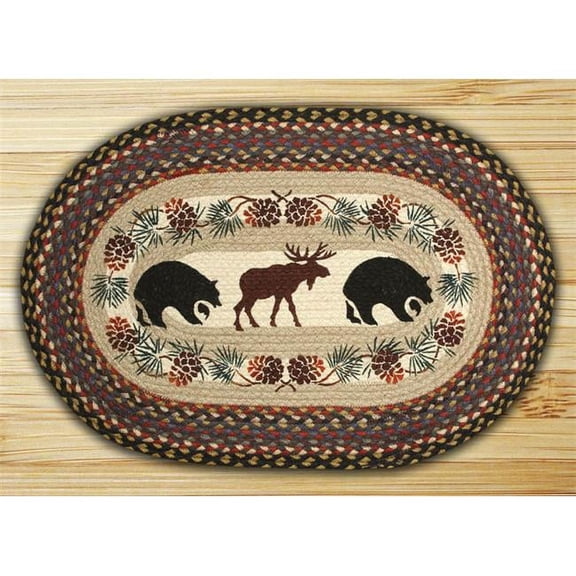
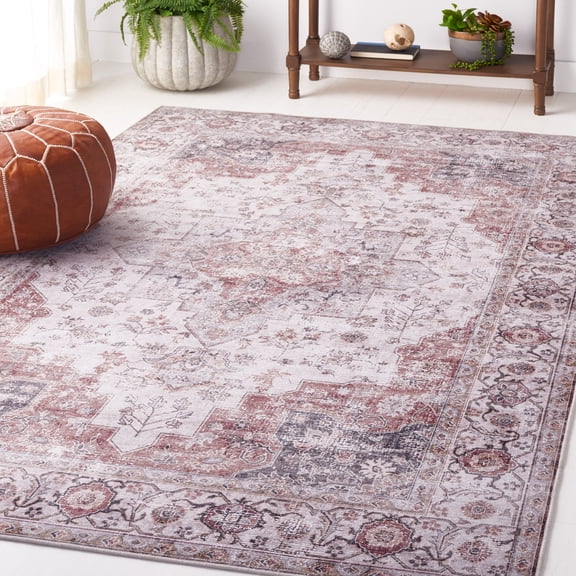
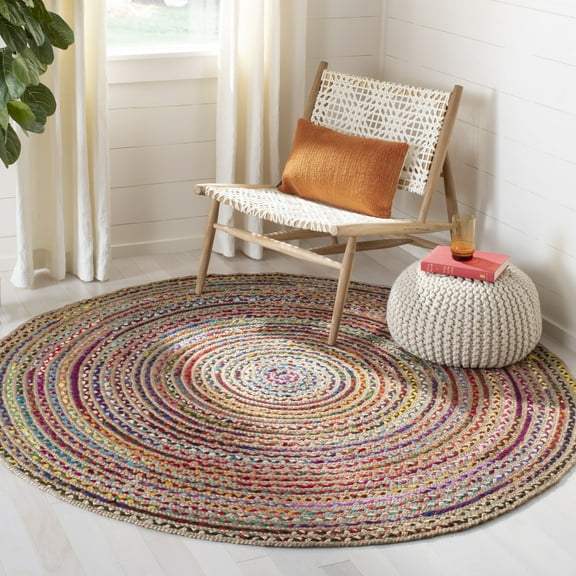
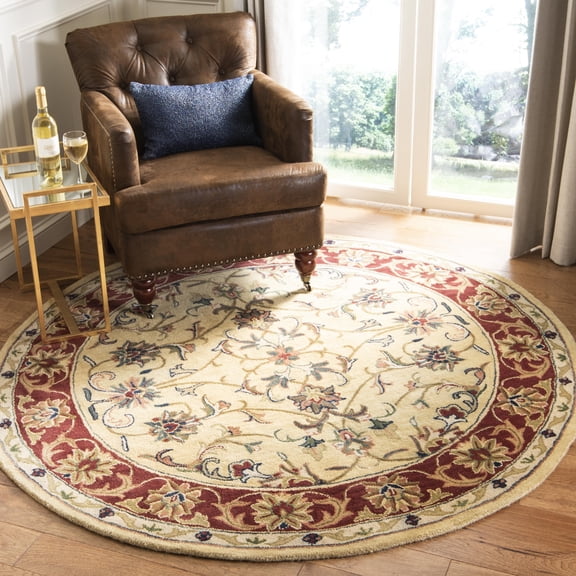
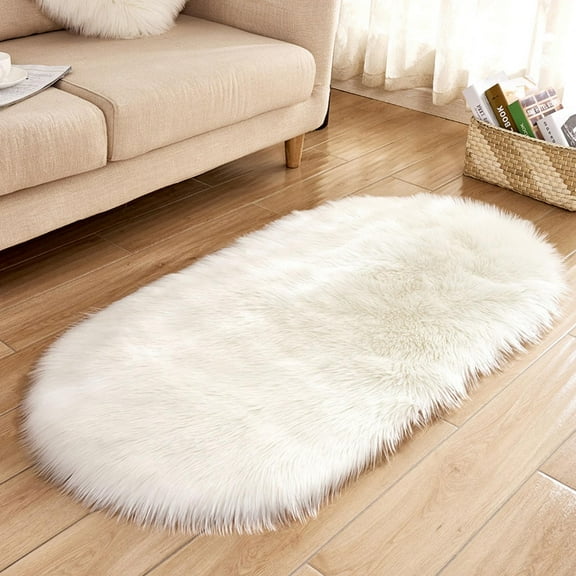
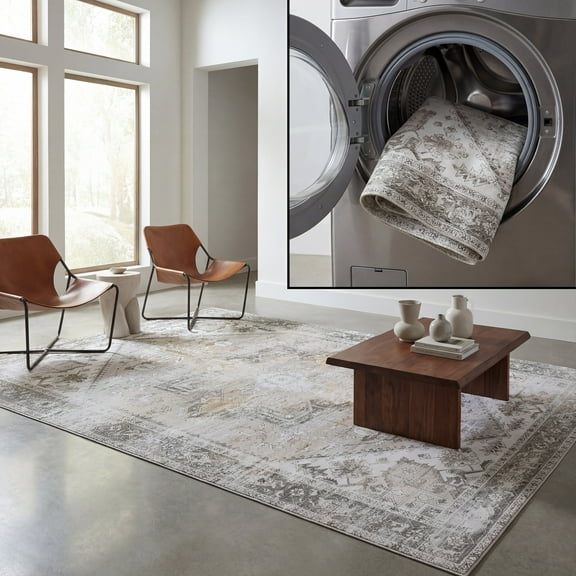
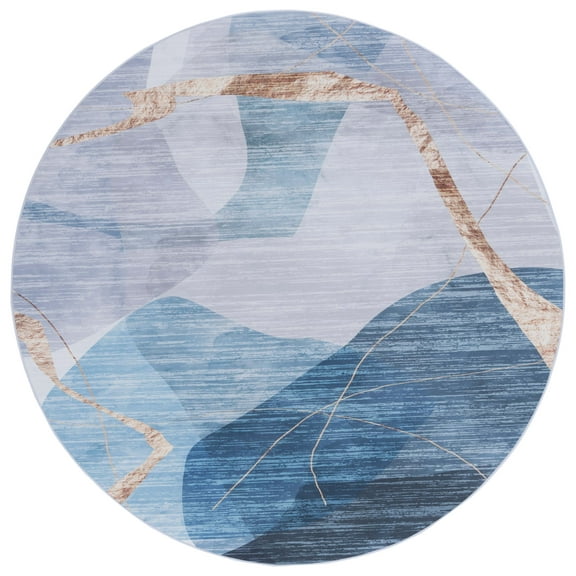
When you compare styles, you should start with the look you want your room to carry. You can choose braided oval rugs for texture, modern designs for clean lines, traditional patterns for detail, or shag for a soft surface.
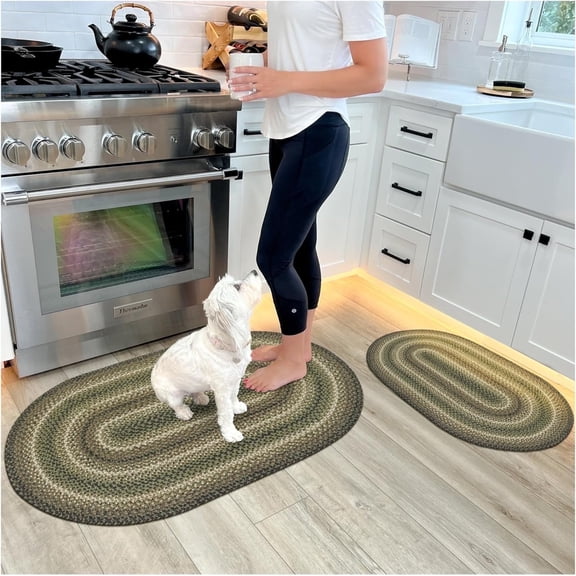
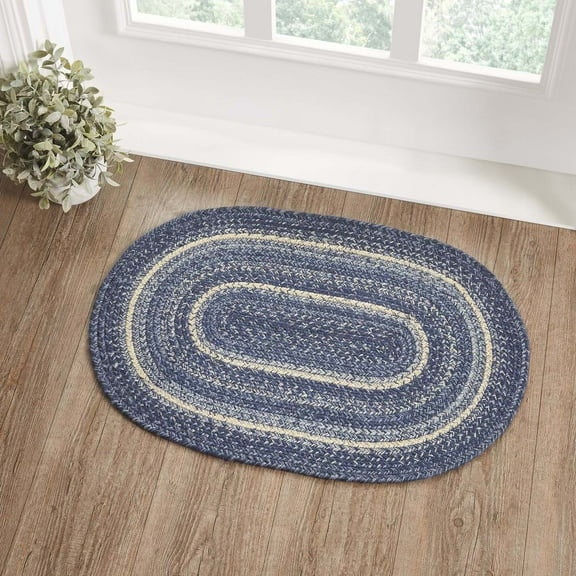
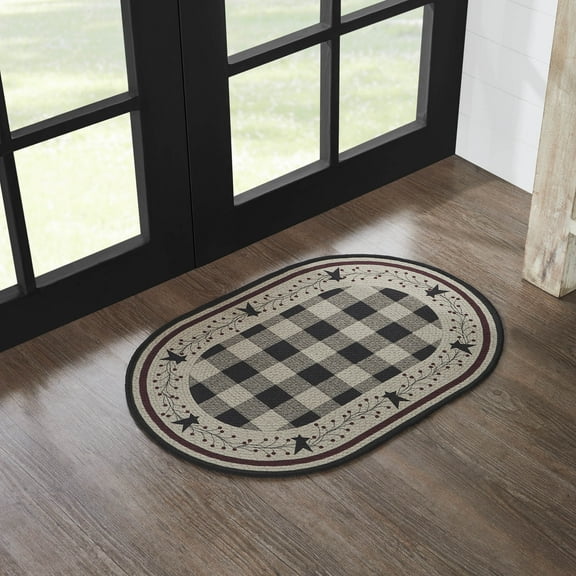
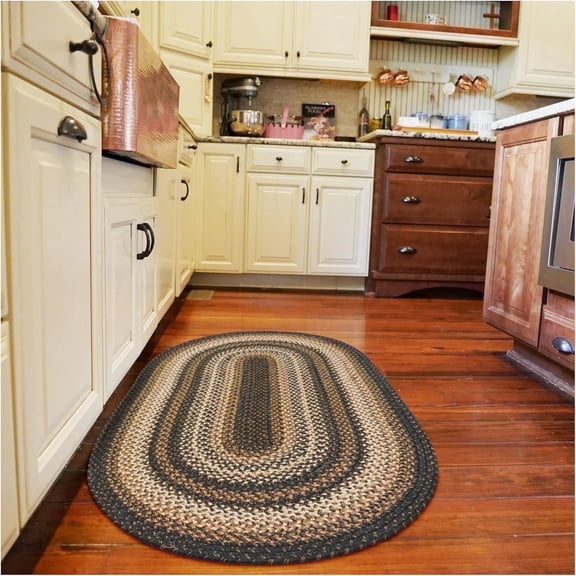
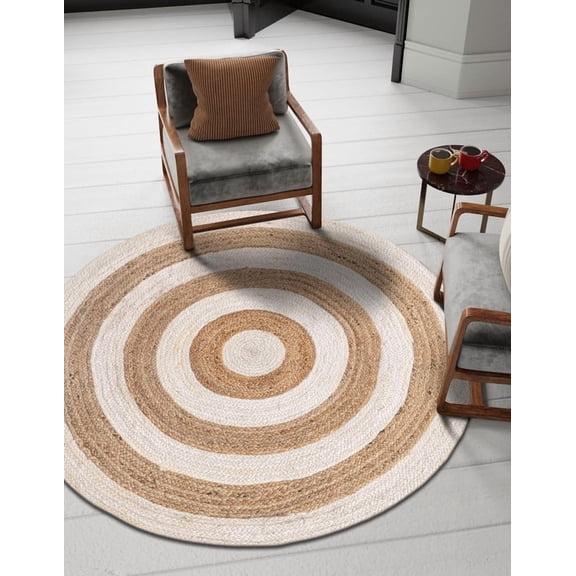
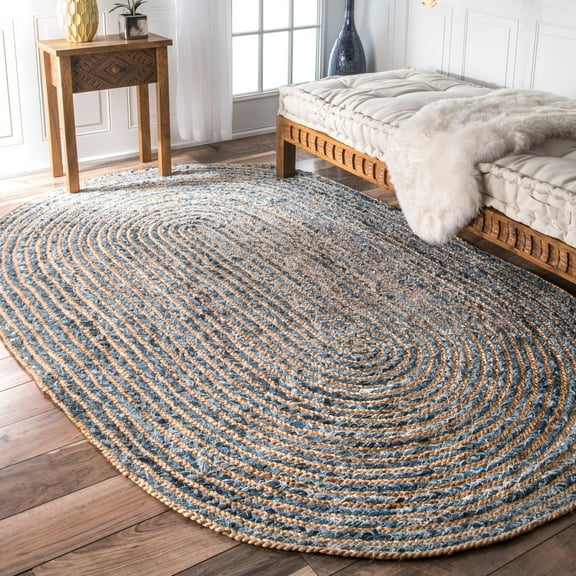
If you want a casual, cottage-inspired look, you may prefer braided construction with visible bands of color. If your room has tailored furniture, you may prefer modern or traditional motifs that echo your decor.
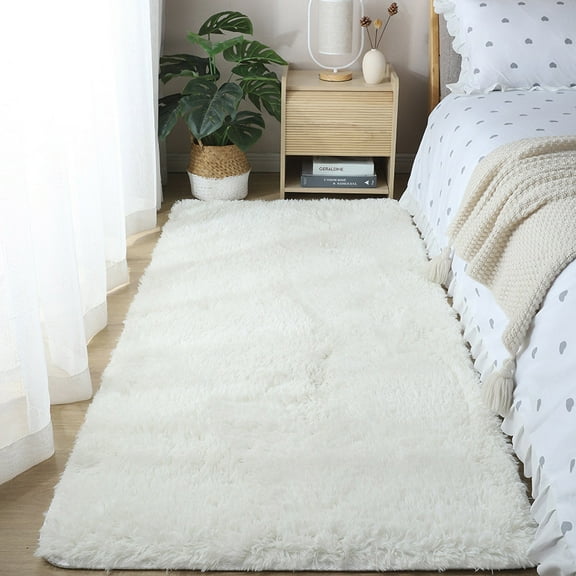
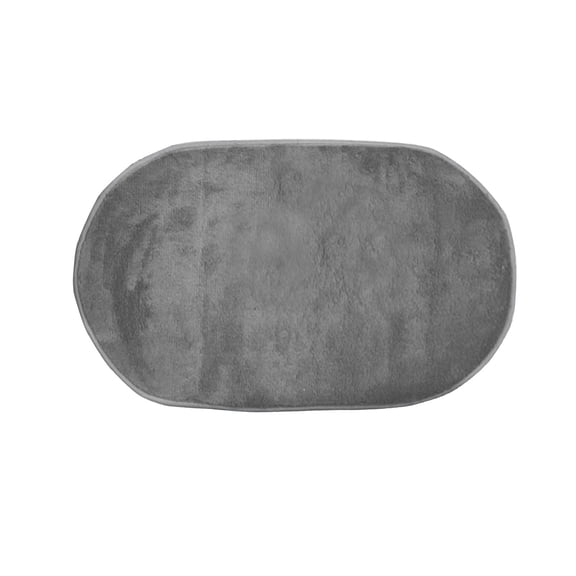
You should also consider pile height before you decide. You’ll notice lower profiles slide easily under tables, while shag styles create a cozy feel in relaxed spaces.
Choosing oval rugs for living room and dining room placement
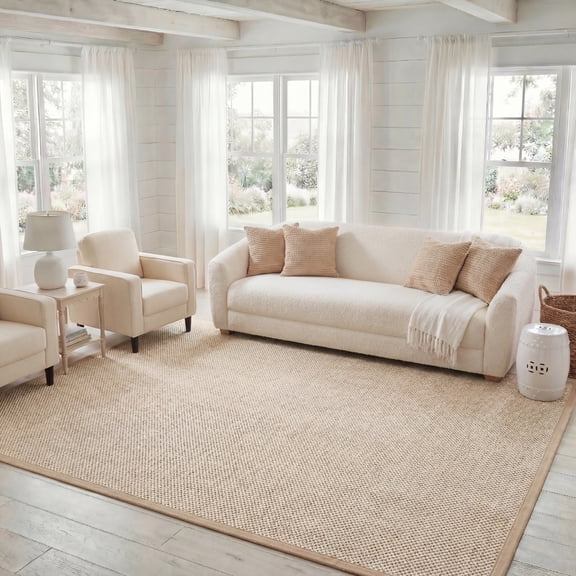
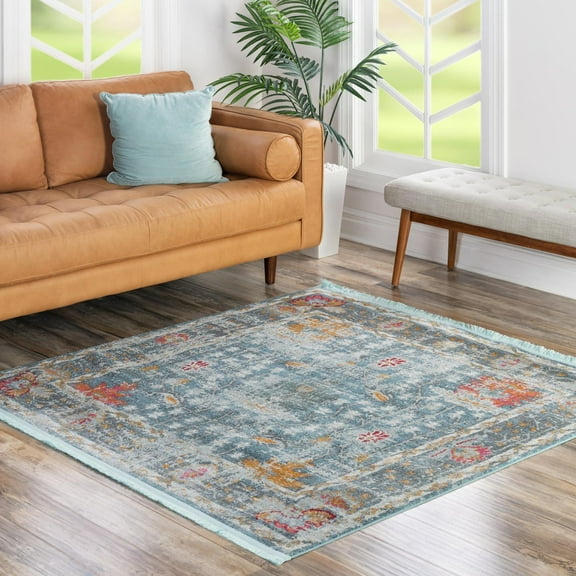
When you place oval rugs for living room layouts, you should measure your seating area first. You’ll get a clean look when front furniture legs rest on the rug instead of floating outside it.
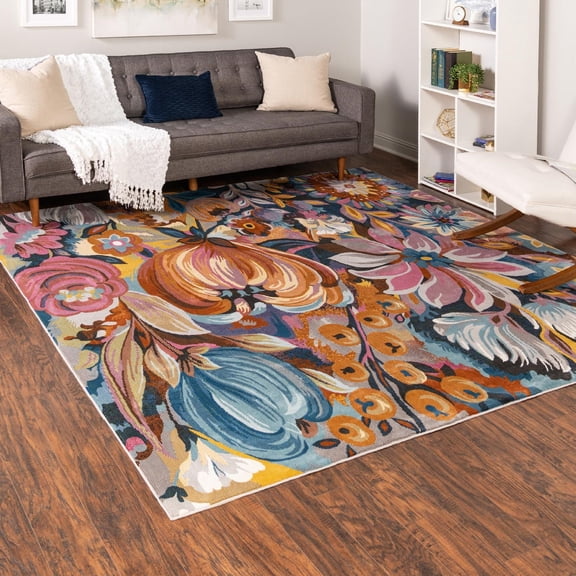
For sofas and sectionals, you should compare rug dimensions with the open floor around your furniture. You’ll usually want enough border showing so the oval shape stays visible.
In dining rooms, you should measure the table and the chairs pulled out. You’ll want the rug to extend beyond the chair legs so movement feels smooth during meals.
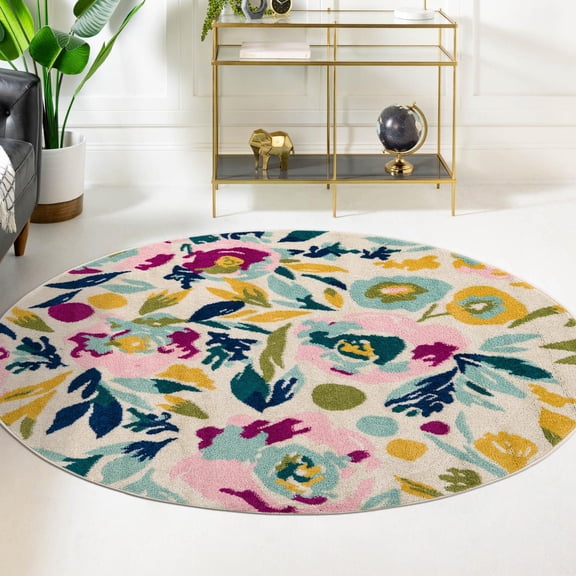
Large oval area rugs can help you define open-concept spaces without adding sharp corners. Smaller sizes can help you highlight an entryway, bedside area, or kitchen zone with a soft outline.
- You can use a 5x8 size in compact seating areas, breakfast nooks, or entry spaces.
- You can use 8x10 rugs when you need added coverage under sofas or larger dining tables.
- You should check chair clearance in dining rooms before you choose your final rug dimensions.
- You can keep the oval outline visible by leaving floor space around the rug edge.
What to look for in material and durability
When you compare materials, you should match the fiber to your room’s traffic and routine. You may like wool oval area rugs for natural texture, while polypropylene can suit busy spaces and frequent foot traffic.
If you want an earthy, relaxed look, you can consider jute or cotton. You should know these natural fibers often bring a light, casual texture that works well in farmhouse oval rugs.
When you need easy everyday care, you may prefer synthetic fibers. You’ll often find polypropylene holds color well and suits entryways, dining areas, and other active rooms.
For covered patios, mudrooms, or sunrooms, you can compare oval indoor outdoor rugs. You should look for constructions designed for moisture-prone spaces and regular sweeping or spot cleaning.
How maintenance changes your decision
You should think about cleaning habits before you choose color, fiber, and pile height. You’ll usually find lower-pile rugs collect less visible debris than deep, fluffy constructions.
If you have an active household, you may want patterns that help disguise everyday dust between cleanings. You should also check whether your preferred rug calls for vacuuming, spot cleaning, or occasional professional care.
Natural fibers can give your room warmth and texture, but you should review care needs closely. Synthetic options can make routine cleanup simple when you expect spills near dining tables or kitchen paths.
You may also notice some rugs need a rug pad to help them sit flat on hard floors. You can use a rug pad to support placement, add cushioning, and reduce shifting during daily use.
Matching room use with the right oval rug combination
You can quickly narrow your options when you pair style, material, and size with a specific room. You’ll make an informed choice when each detail supports how the space actually functions.
For a living room, you might choose a modern or traditional design in an 8x10 size. You can create a cohesive furniture grouping when the rug reaches under the front legs of chairs and sofas.
For a dining room, you may want a low-profile rug with enough clearance for chairs. You should compare the table footprint with the pulled-out chair position before choosing large oval area rugs.
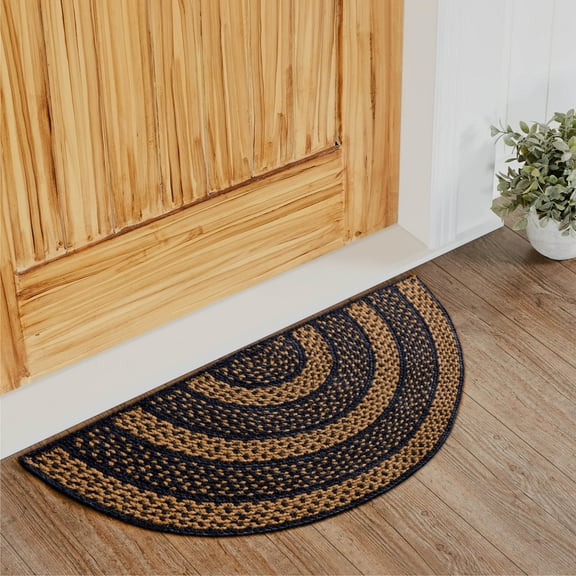
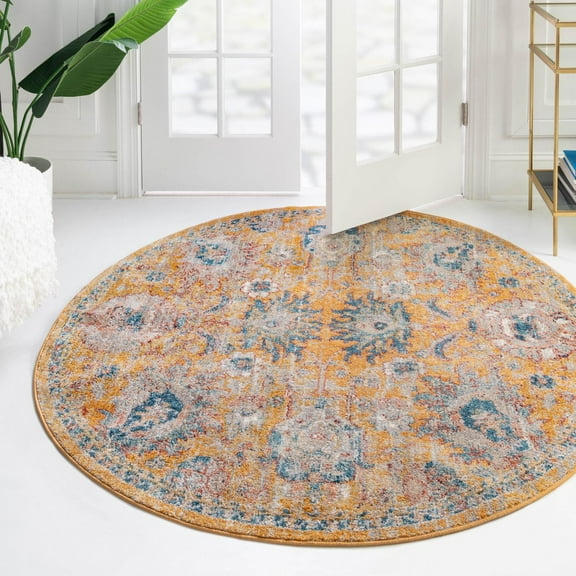
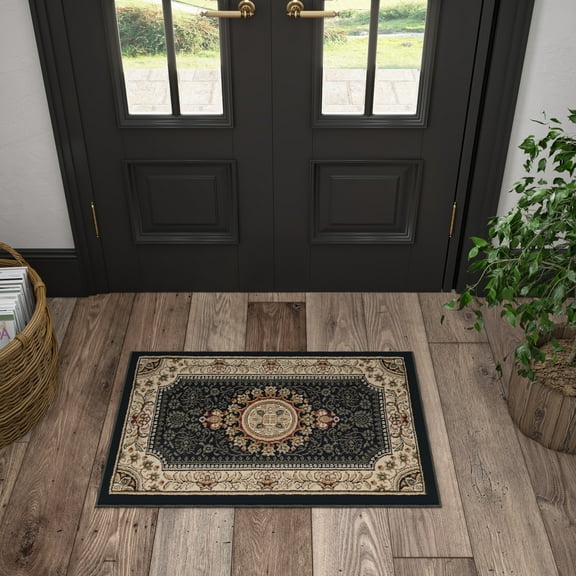
In an entryway, you may prefer braided oval rugs or synthetic constructions that handle frequent traffic. You can welcome guests with a shape that softens the doorway without crowding it.
For kitchens and covered outdoor zones, you might look at oval indoor outdoor rugs in easy-care fibers. You’ll appreciate simple cleanup and a shape that fits islands, breakfast tables, or narrow walkways.
If your style leans rustic or layered, you can try farmhouse oval rugs in jute, cotton, or braided looks. You’ll get a relaxed shape that pairs naturally with wood tables, benches, and painted finishes.
How to measure before you choose
You should start with the open floor area, then compare it with your furniture footprint. You’ll avoid guesswork when you mark the rug outline with tape before you buy.
For seating areas, you should measure width and depth, then check how much floor remains around the edges. For dining rooms, you should include chair movement, not just tabletop dimensions.
When you plan carefully, oval area rugs can make your room feel intentional and balanced. You’ll end with a shape, size, and material that suits your layout and daily routine.