


Find bulbs that fit
Let’s search for bulbs that fit your vehicle.
Motorcycle Tail Lights in Motorcycle Lights

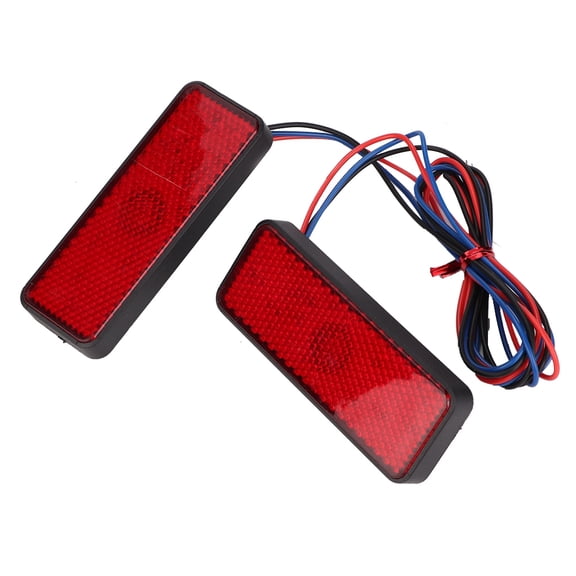
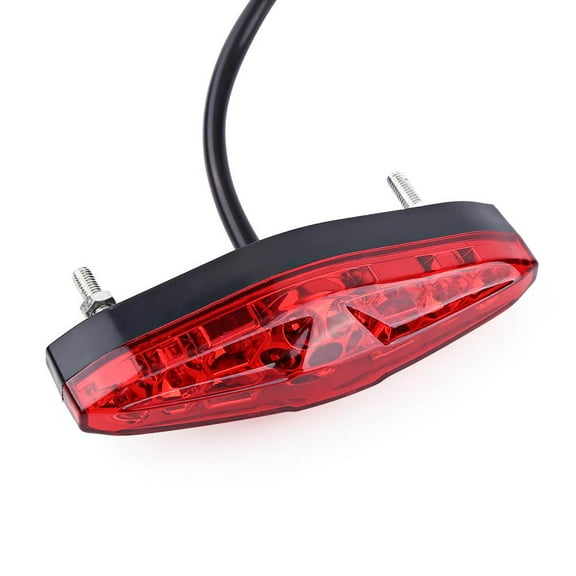


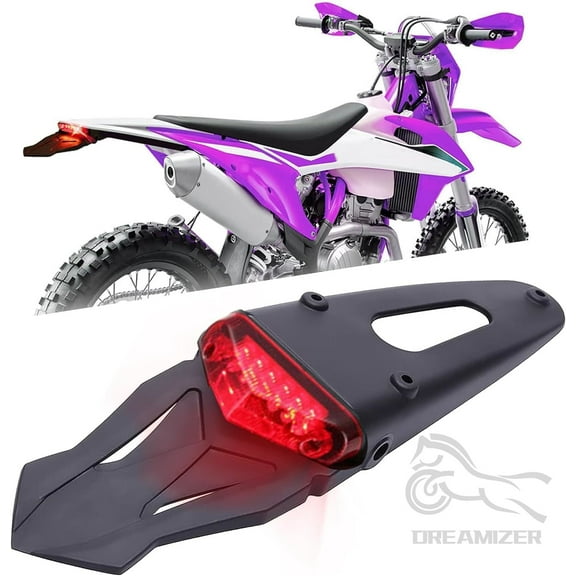
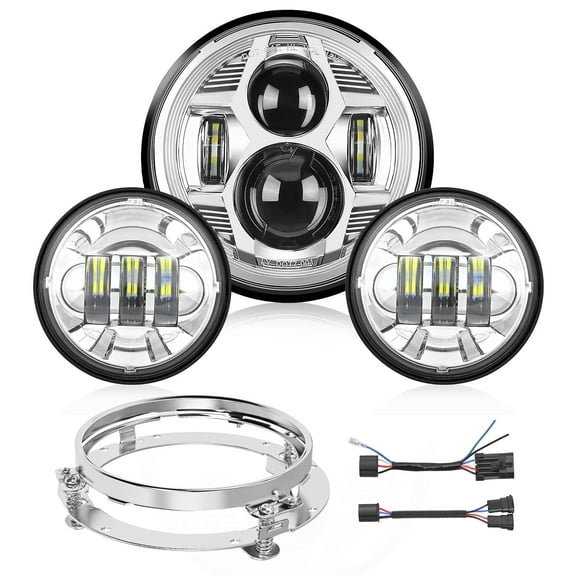




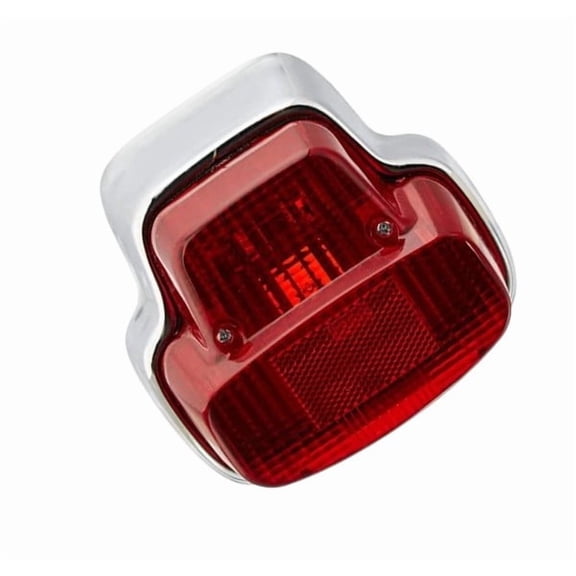
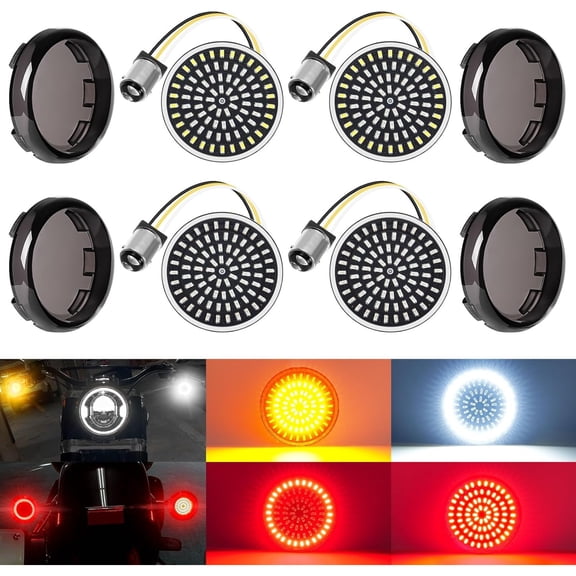


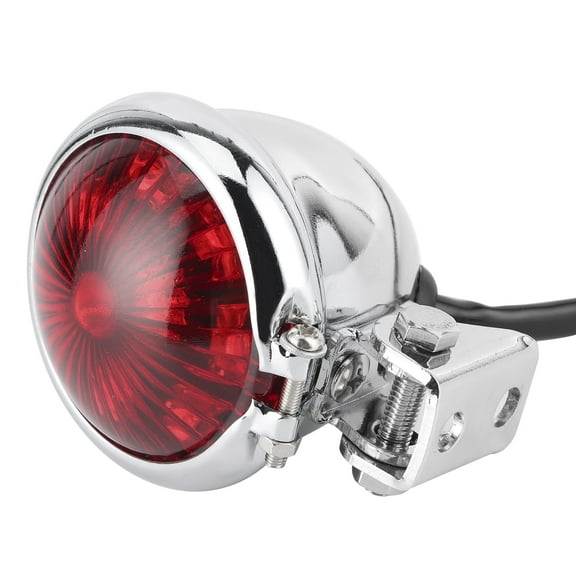

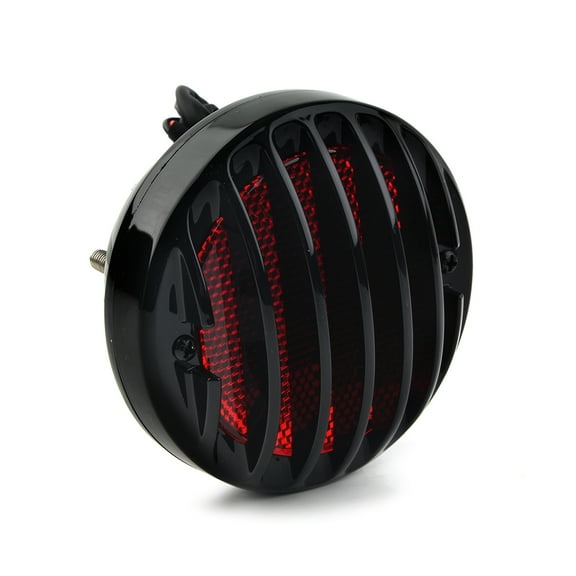


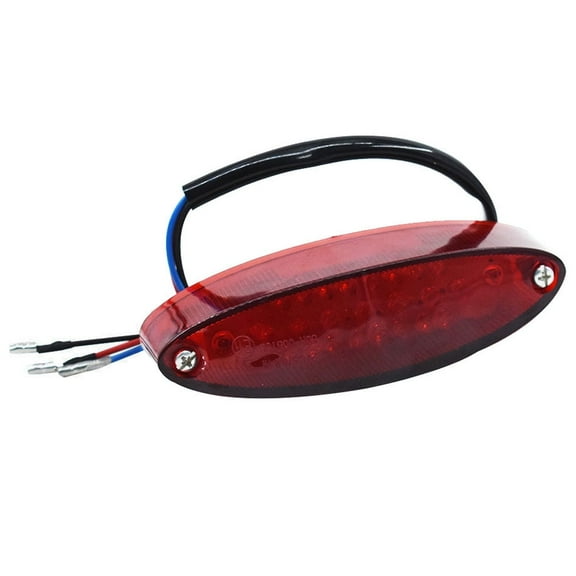


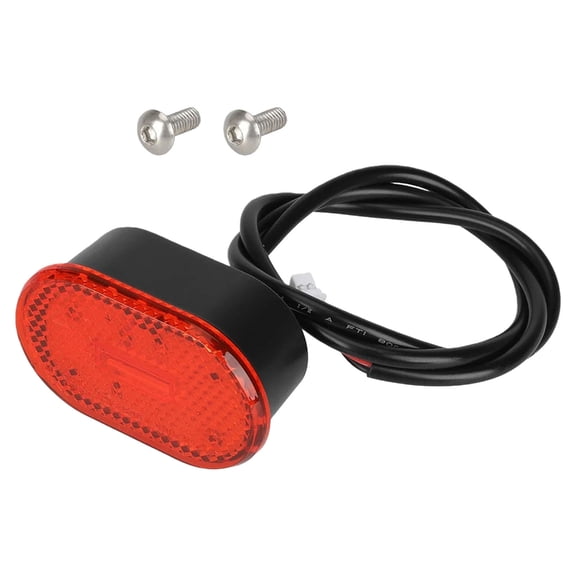
About Motorcycle Tail Lights in Motorcycle Lights - Walmart.com
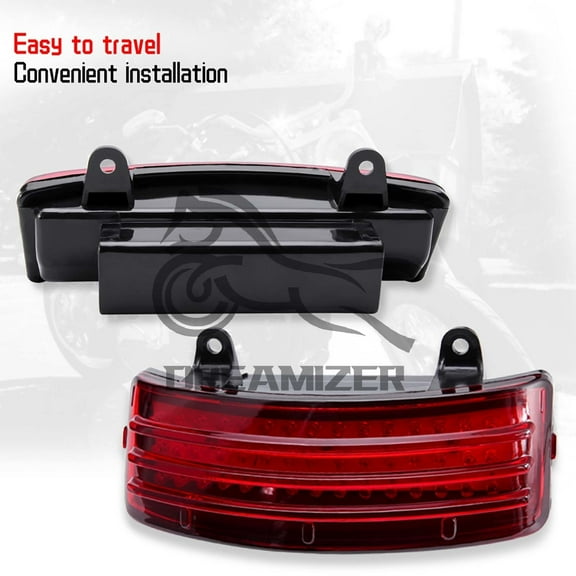
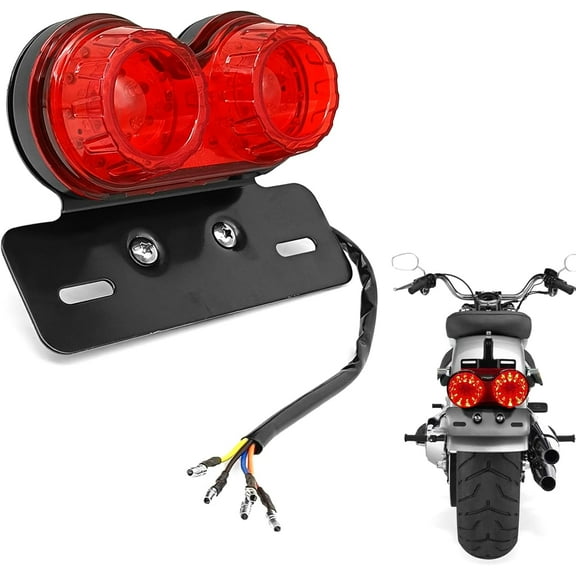
You can narrow a motorcycle tail light assembly efficiently when you compare fitment, wiring, and road-ready functions before you choose. You can also find category options that cover universal mounts, compact rear housings, and integrated signal layouts for different bike setups.
If you’re replacing damaged rear motorcycle lights or finishing a street conversion, you need clear decision points. You’ll want to compare compatibility, functionality, kit type, and mounting location so your setup matches your motorcycle.
How to choose a motorcycle tail light assembly
You should start with compatibility because wire harness style, mounting bracket dimensions, and voltage affect installation. You can find an easier match when you compare your bike’s rear mounting area and connector style first.
When you choose a universal motorcycle tail light, you usually get added flexibility for custom builds. If you ride a model-specific bike, you may prefer a shaped housing that follows your fender lines.
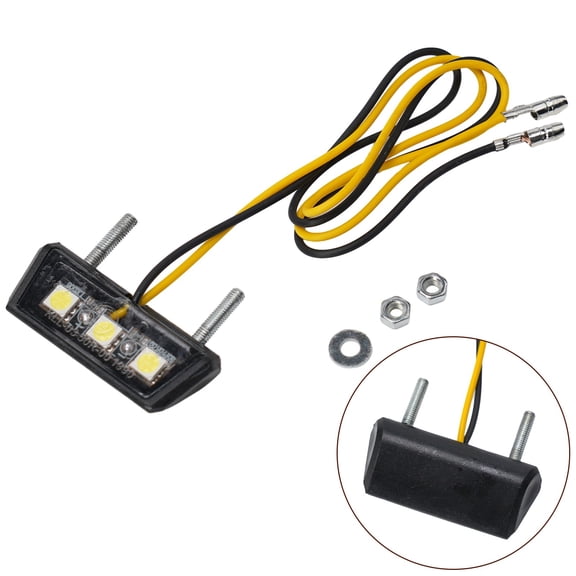
You should also measure the rear placement before you order. You’ll want enough room for a fender mount, license plate bracket, or compact under-fender position.
Choosing functionality for rear motorcycle lights
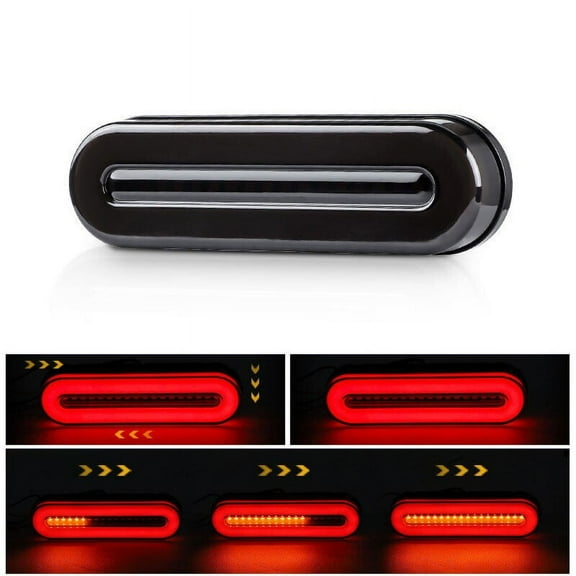
You can simplify your rear setup when you compare brake light only units, running lights, and integrated turn signals. You can get a cleaner tail section when one housing handles several lighting tasks.
If you commute or ride after dark, you may want running lights that stay visible with your main lights on. When you brake, you’ll want the brighter brake function to stand out clearly.
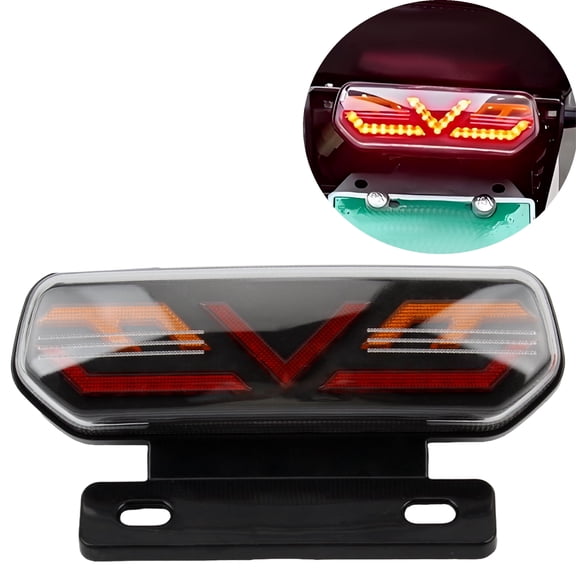
A motorcycle tail light with turn signals can reduce extra hardware on your rear of your bike. You may like this format for dual-sport builds, mini bikes, and custom rear fenders.
- You can choose brake-only units when you need a simple replacement for an existing rear housing.
- You can pick running light and brake combinations when you want steady visibility and brighter stopping indication.
- You can select integrated turn signals when you want fewer separate parts on your rear section.
- You can compare compact housings when you need a small motorcycle tail light for a trimmed fender.
What to look for in kit type and wiring
You should compare whether you need a single tail light assembly or a complete street legal kit. If you’re converting an off-road bike, you may need a headlight and tail light kit instead.
A complete kit can help you coordinate rear lighting with front signals, switches, and road-use equipment. You’ll want to confirm whether your setup includes basic connectors or needs custom splicing.
When you compare wiring, you should check voltage, connector type, and harness length. This helps you avoid guesswork when your replacement matches your bike’s existing electrical layout.
You may also need to confirm bracket spacing and bolt pattern before installation. This helps ensure a cleaner fit when the mounting points align with your rear fender or plate bracket.
Comparing universal and model-specific options
You can use universal parts when you’re building a custom tail section or replacing older hardware. You’ll usually need to check bracket dimensions closely because fit varies from bike to bike.
If your motorcycle uses model-specific mounting points, you may want a part shaped for that rear profile. You can spend less time adjusting hardware when the assembly follows factory dimensions.
For dirt bike and dual-sport conversions, you should look at compact housings with clear function labels. You’ll want to know whether the light supports brake input, running light input, and signal input.
If you’re shopping a mini bike brake light and turn signal kit, you should pay close attention to housing size. You’ll need a setup that fits small frames without crowding the rear section.
Understanding tusk street legal kit with headlight and similar setups
You should confirm road-use requirements before choosing a complete street setup. You’ll want to check whether your intended configuration supports the lighting functions needed for on-road riding.
You may search terms like tusk street legal kit with headlight, wr450f street legal kit, or wr250f street legal kit. You should still compare actual fitment details because your wiring and mounting points can differ by bike.
If you’re comparing a yamaha wr450f street legal kit, you should review product details carefully. You can make an informed choice when you compare lens markings, function support, and intended vehicle type.
You should also think about installation complexity before you choose a kit. You may prefer plug-and-play options when you want a quicker install and fewer wiring changes.
Matching placement to your riding setup
You can improve fit and appearance when you choose the right rear mounting location. You’ll commonly see rear motorcycle lights designed for fender mount positions or license plate bracket mounting.
If your bike has a short tail, you may prefer a smaller housing that tucks under the fender. You can keep the rear profile cleaner while preserving brake and running light visibility.
For larger rear sections, you may want a wider lens that aligns with the fender shape. You can get a balanced look when the light fills the available mounting space.
You can also compare lens style and housing shape for custom builds. You’ll notice that compact rectangles, slim strips, and rounded housings suit different rear layouts.
You can choose with confidence when you compare compatibility, function, kit scope, and rear placement together. You can end up with a motorcycle lighting setup that fits cleanly, wires smoothly, and supports your intended ride style.