

Moroccan Area Rugs in Area Rugs
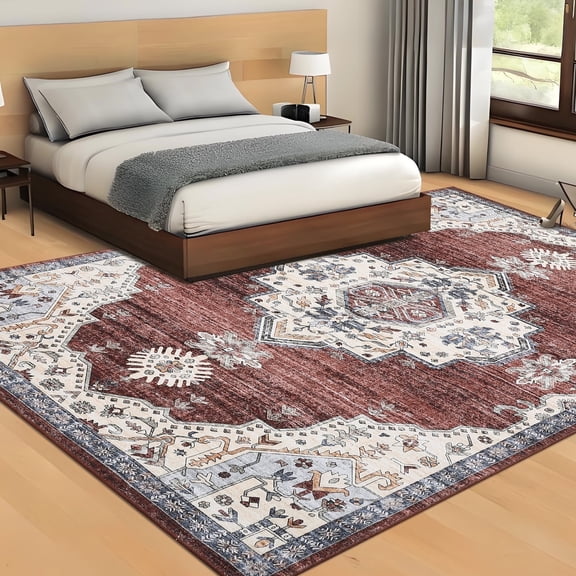


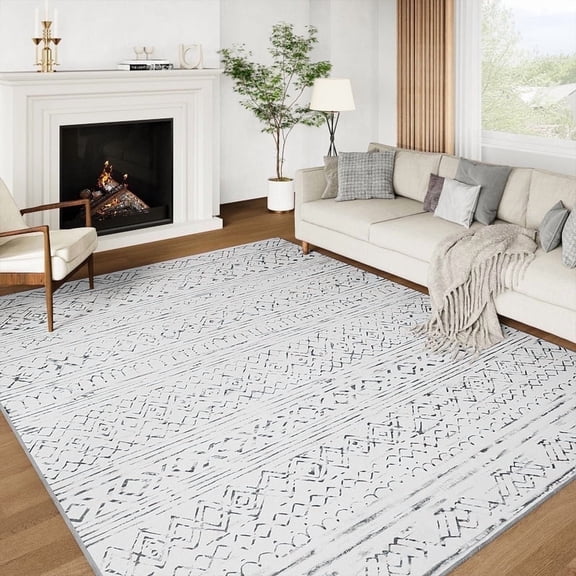

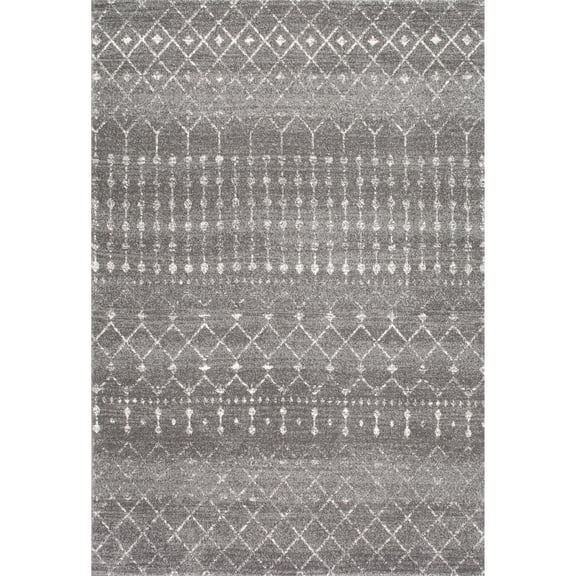


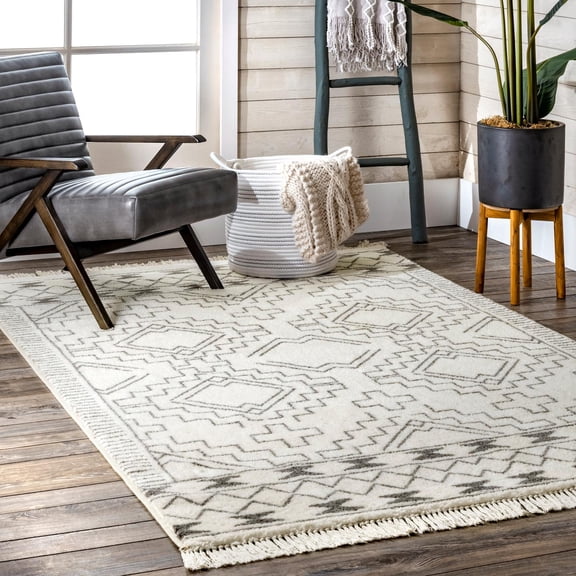






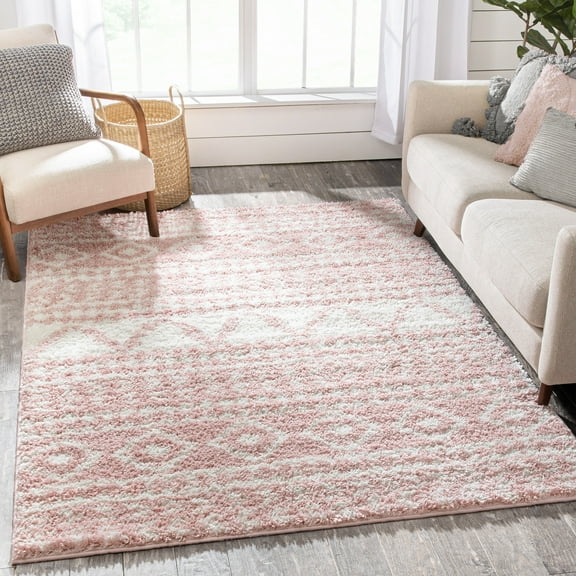


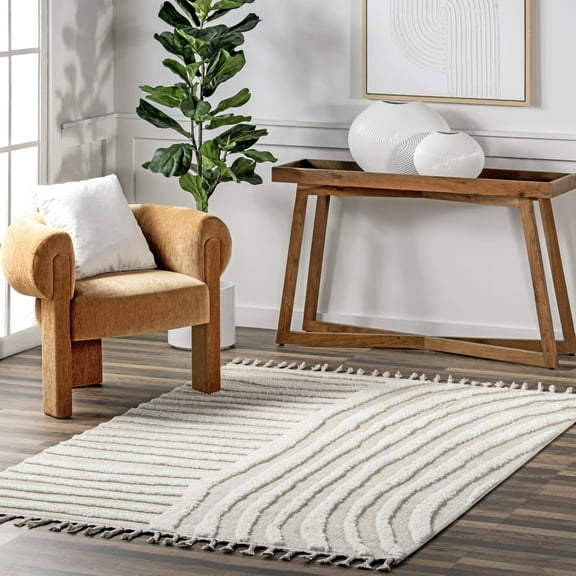
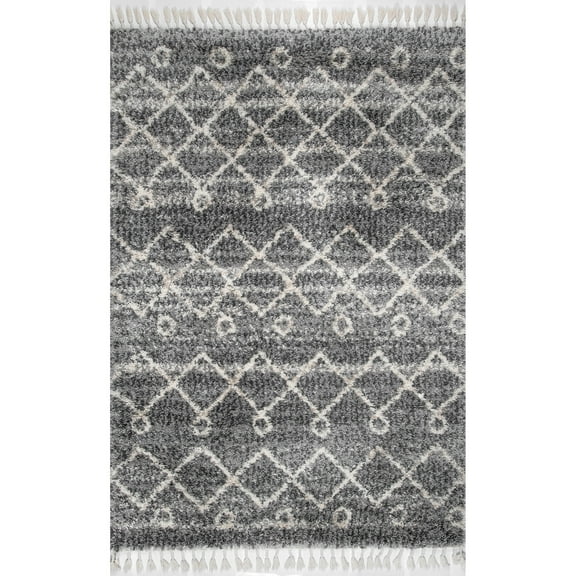


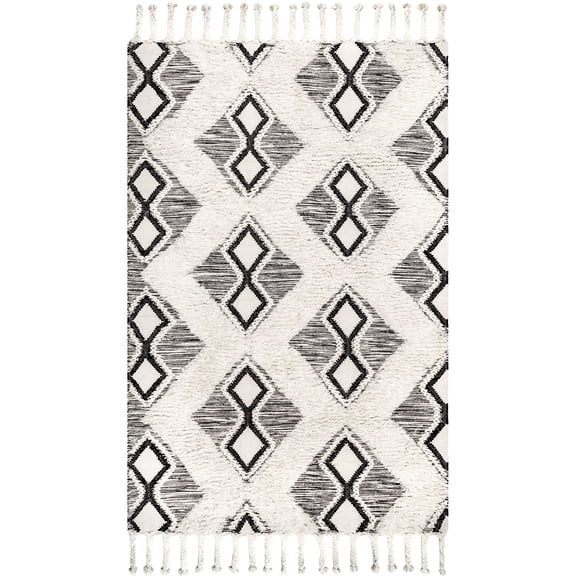


About Moroccan Area Rugs in Area Rugs - Walmart.com
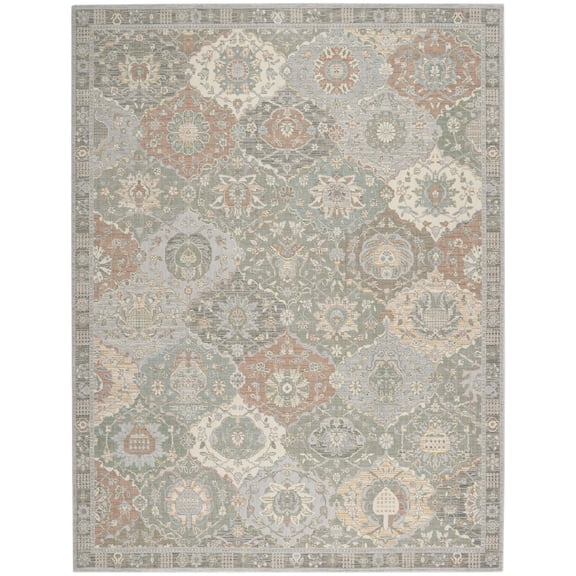
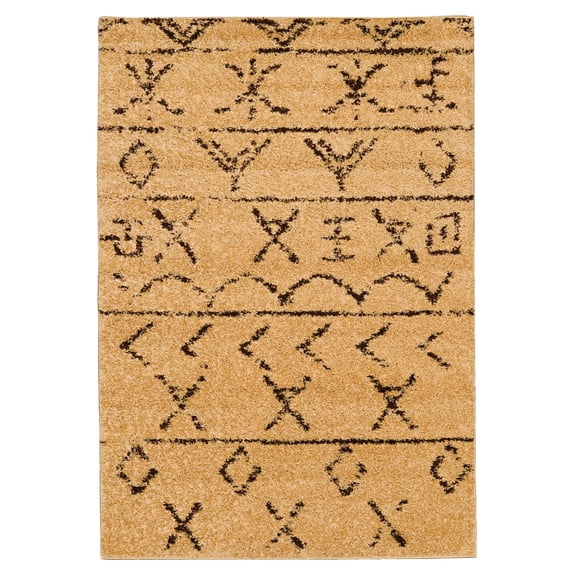
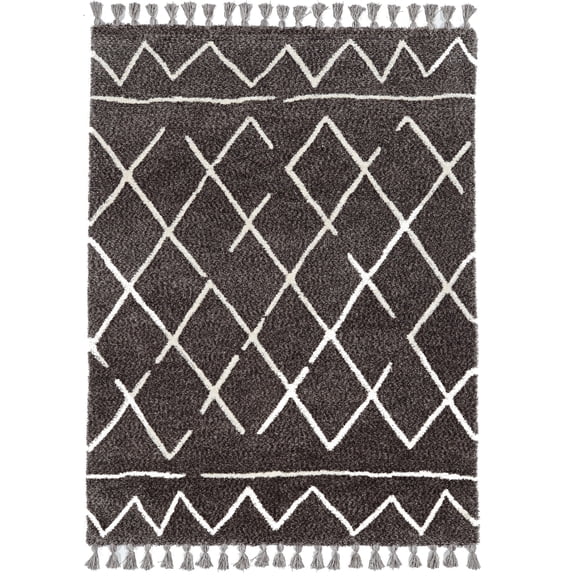
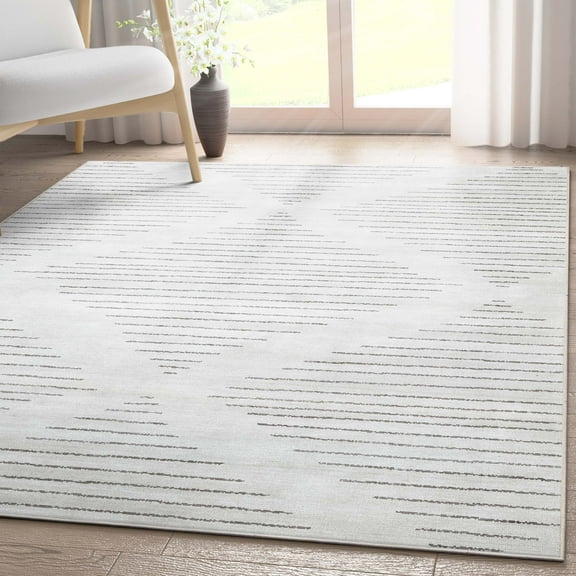
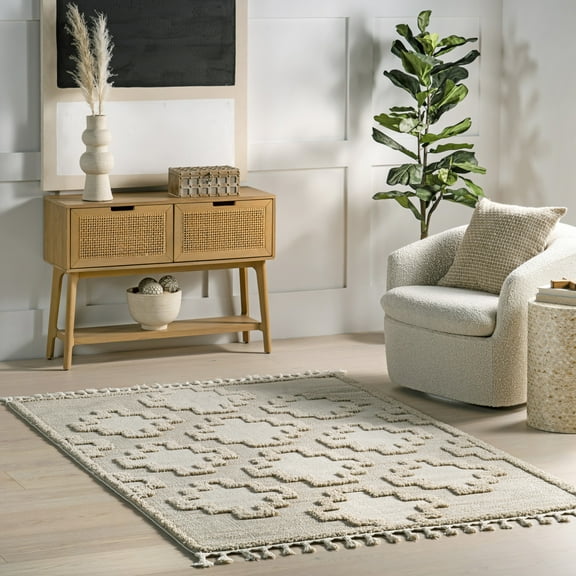
Moroccan area rugs help you add pattern, texture, and warmth while giving your room a clear design direction. You can compare shag, flatweave, runner, and geometric looks to match your layout and daily routine.
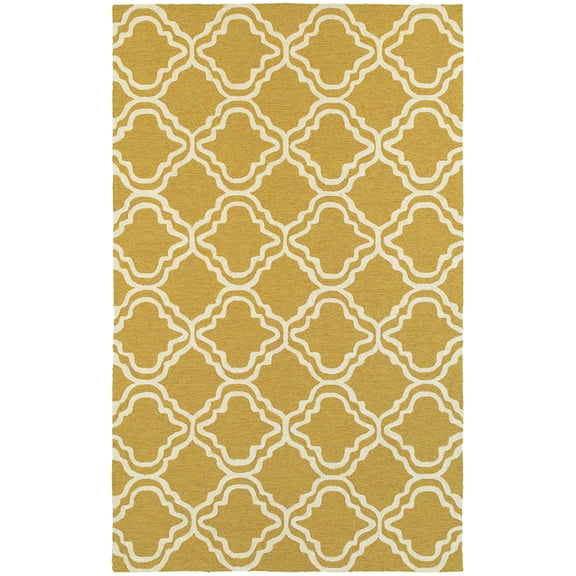
If you’re updating a living room, bedroom, or hallway, you’ll notice this category offers distinct choices that shape your space. You can use Moroccan-inspired trellis motifs, tribal details, and layered texture to create a grounded, finished look.
How to choose Moroccan area rugs for your space
When you compare Moroccan area rugs, you’ll want to start with weave, texture, and room traffic. You can narrow your options faster when you match pile height and material to how you use your room.
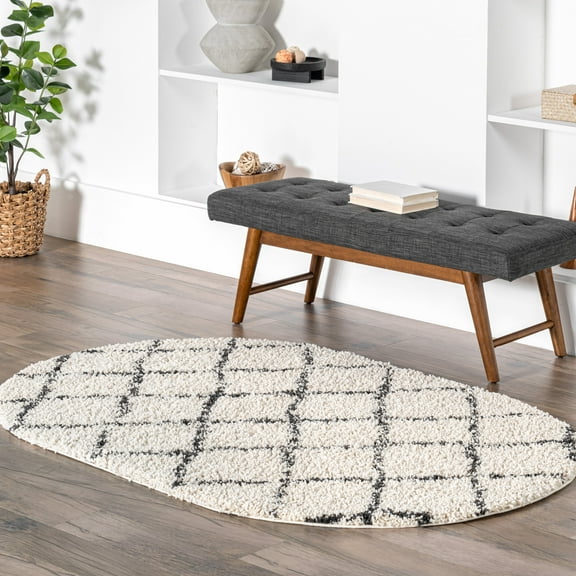
For a softer look, you may lean toward Moroccan shag rugs with a deeper pile and a cozier surface. For a cleaner profile, you might prefer flatweave or low-pile styles that feel lighter under furniture.
- You can use shag textures to soften bedrooms, reading corners, and relaxed living spaces.
- You can choose flatweave or low-pile rugs when you want easier chair movement and a flatter surface.
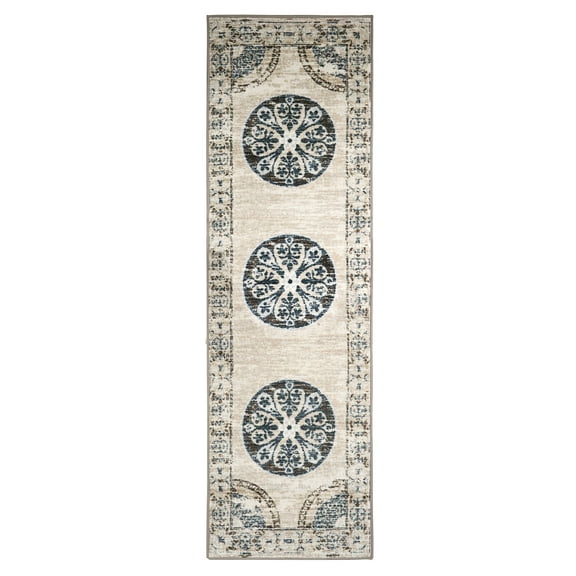
- You can use runner shapes to define hallways, kitchen paths, and narrow spaces.
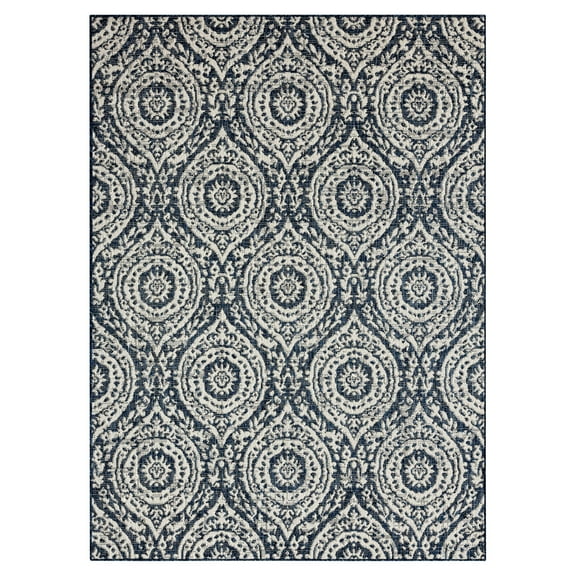
- You can pick geometric area rugs when you want a bold pattern that still feels structured.
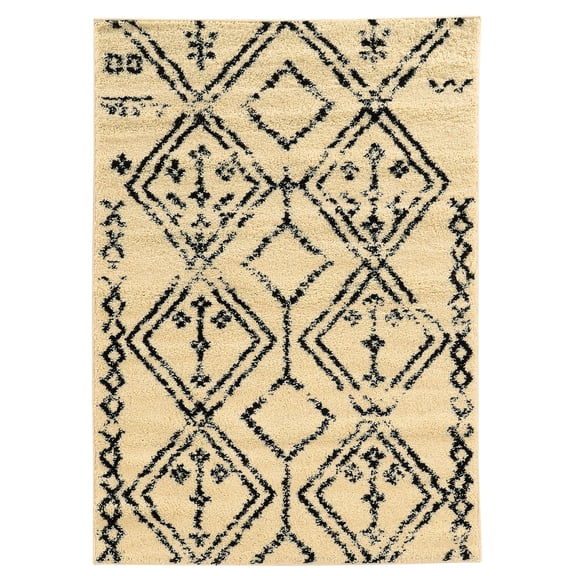
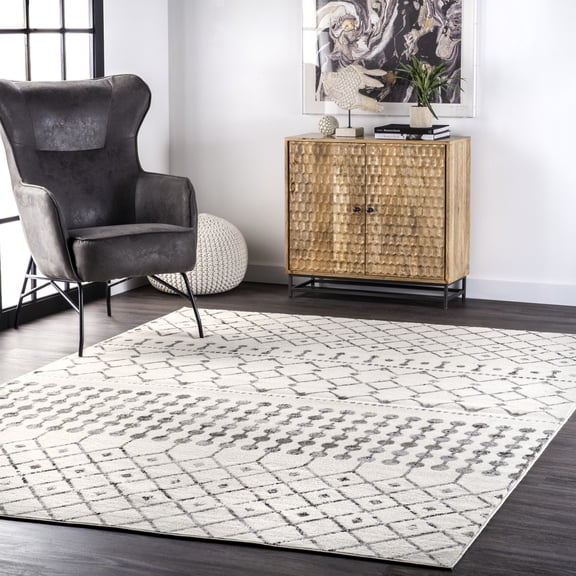
Another key decision is pattern direction and color balance. You can use a black and white Moroccan rug to create contrast, or you can choose colorful tribal designs for a layered boho look.
Choosing weave, texture, and material
As you compare textures, you should check pile height in inches because it affects feel and daily upkeep. You’ll usually notice higher piles feel plusher, while lower piles look more streamlined around tables and sofas.
If you’re considering Moroccan shag rugs, you may want extra softness in spaces where you walk barefoot or lounge often. If you prefer simpler maintenance, you can compare low-pile and flatweave options that collect less visible debris.
Material also matters when you’re choosing between comfort, structure, and traffic needs. You can look at wool Moroccan rugs for natural texture, or you can choose polypropylene and other synthetics for busy zones.
Wool often gives you a dense feel and a classic rug look with visible texture. Synthetic fibers usually give you easier cleanup and dependable shape retention in entryways, family rooms, and dining areas.
Cotton can give you a lighter feel when you want a more relaxed layer in casual rooms. Hand-knotted construction may appeal when you want a detailed surface, while machine-made styles can give you more everyday versatility.
Choosing pattern, shape, and room size
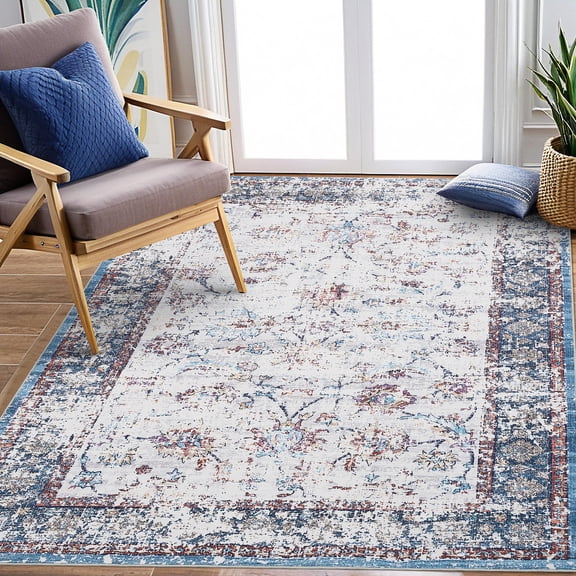
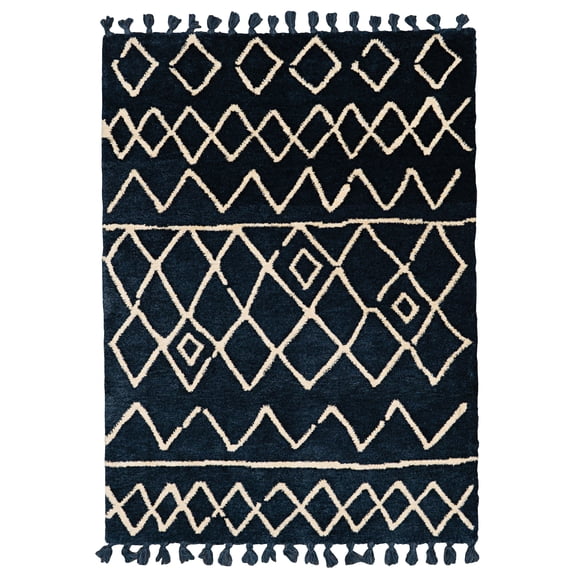
Pattern changes how your room reads from across the space, so you should compare scale before you choose. You can use trellis designs for symmetry, tribal motifs for movement, and distressed looks for a softer visual finish.
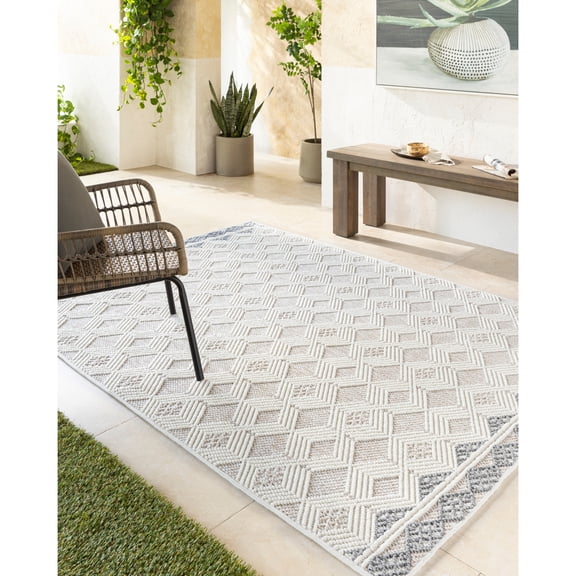
Geometric area rugs work well when you want clear lines that connect with modern, contemporary, or boho area rugs. If your furniture is simple, you can let a stronger Moroccan pattern become your room’s focal point.
Shape matters just as much as design because it affects flow and furniture placement. You can use rectangular rugs under seating groups, round rugs to soften corners, and square rugs in balanced layouts.
Moroccan runner rugs are especially useful when you need visual length in hallways, beside beds, or in galley kitchens. You’ll want a runner that leaves a clean border of floor visible on each side.
For living rooms, you can measure so front furniture legs rest on the rug for a connected arrangement. For hallways, you can choose a narrower size that guides movement without crowding the path.
Using Moroccan area rugs in everyday rooms
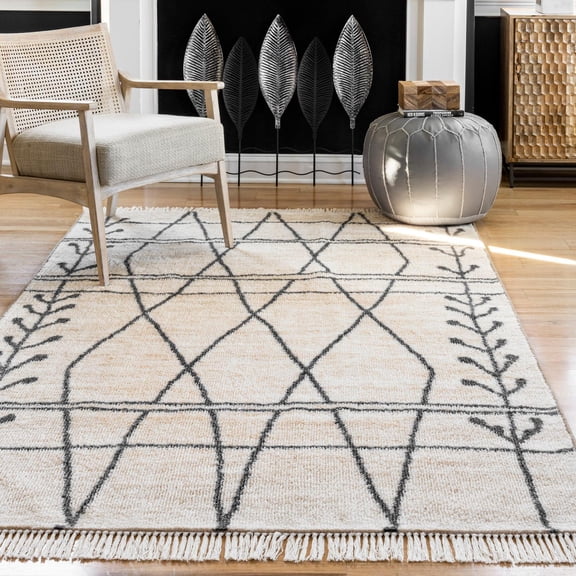
In living rooms, you can use Moroccan patterns to break up large furniture blocks and add texture under sofas and coffee tables. You’ll often find black and white styles pair well with wood, metal, and neutral upholstery.
In bedrooms, you may prefer a shag or low-pile rug that adds softness around the bed. You can place a larger rug under the frame or use runners along each side.
For hallways and entry spaces, you should focus on durable fibers and practical shapes. You can use Moroccan runner rugs in synthetic materials when you want pattern without adding too much bulk.
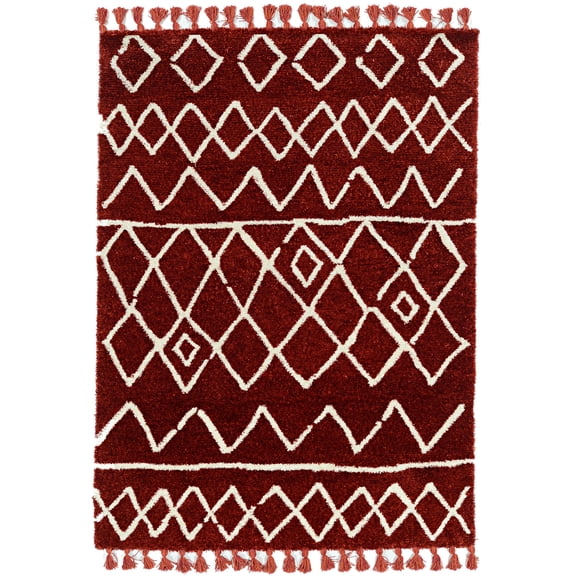
If your room already has color, you can choose a restrained trellis design that supports the palette without competing. If your room feels plain, you can introduce colorful tribal motifs for extra energy and dimension.
You can also coordinate materials with how each room functions throughout the week. A wool rug may suit a lower-traffic sitting area, while a synthetic rug may fit a playroom or busy family space.
When you compare all these details together, you can choose a rug that fits your floor plan and your design goals. You’ll feel more confident when texture, size, pattern, and material all work with your daily routine.
With the right Moroccan-inspired rug, you can anchor furniture, soften hard floors, and give your room a clear visual rhythm. You’ll bring home a style that looks intentional and feels suited to the way you live.