

Metal Coolers in Coolers by Features




















About Metal Coolers in Coolers by Features - Walmart.com
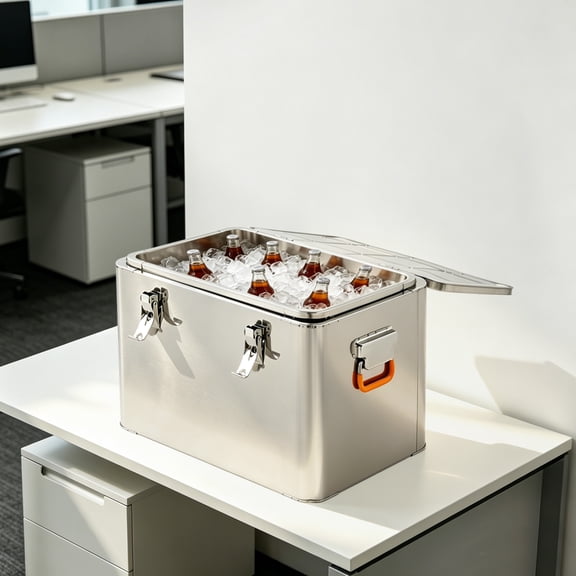
A metal cooler gives you durable cold storage with classic style for patios, campsites, tailgates, and backyard gatherings. You can compare finishes, insulation, and capacity easily when you know which design details match your routine.
How to choose a metal cooler
You should start with the material because your finish affects weather resistance, weight, and upkeep. You’ll usually compare stainless steel, aluminum, iron, and steel based on where you plan to use it.
Stainless steel works well when you want a polished look and easy wipe-down care. Aluminum keeps carrying weight lower, so you may prefer it for portable trips and quick weekend packing.
Steel and powder-coated iron can suit stationary setups when you want a sturdy patio presence. You should check the coating and hardware if your cooler will stay outdoors between gatherings.
Choosing size and capacity
You’ll want to match cooler size to your typical guest count and drink load. A small metal cooler can suit quick outings, packed lunches, or a few bottles for two people.
Medium sizes help you carry enough cans, snacks, and ice for day trips. Large sizes and patio styles support longer events when you need room for multiple beverage types.
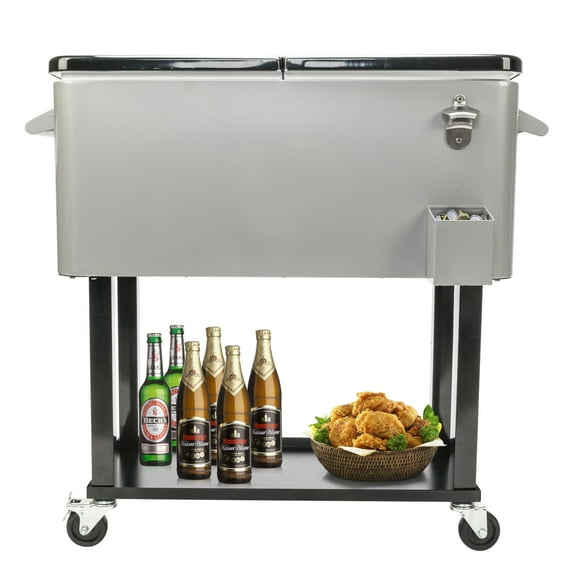
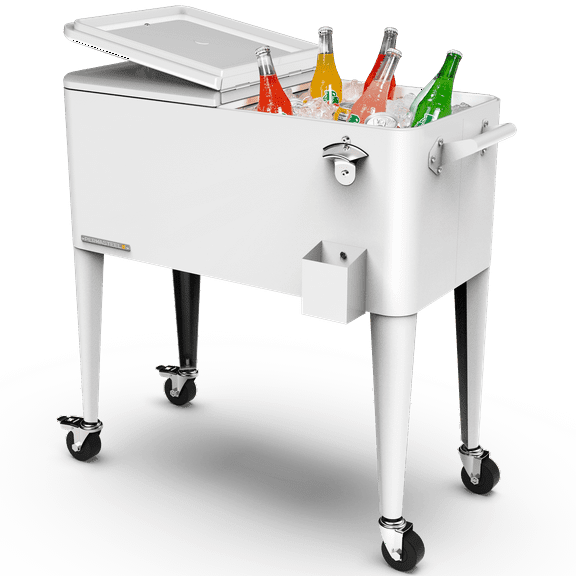
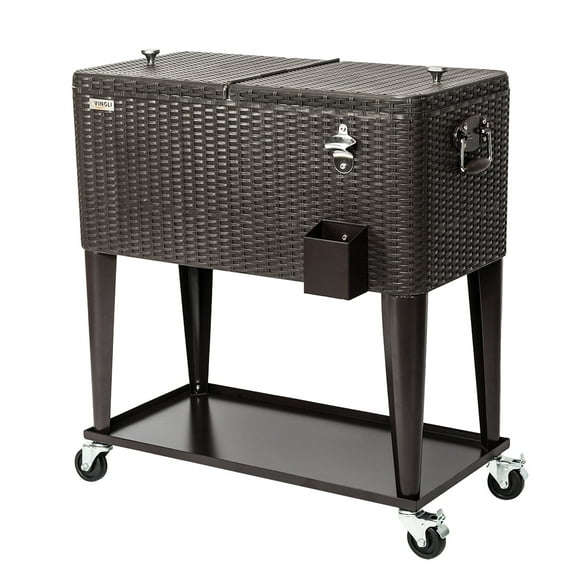
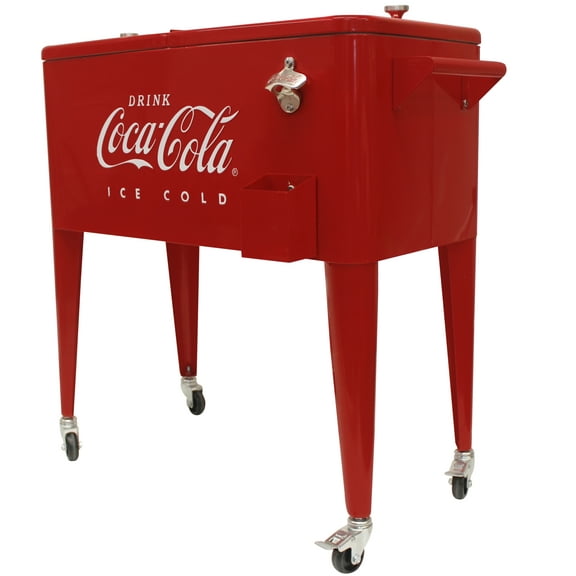
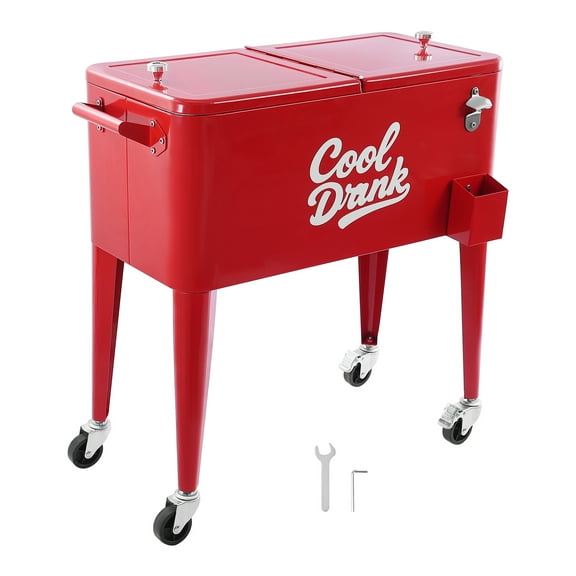
An 80-quart patio format gives you a serving station feel for decks and cookouts. You should measure your storage spot first, especially if you’re placing it beside seating or a grill.
- You can choose small sizes for grab-and-go drinks, picnics, and compact vehicle storage.
- You can choose medium capacities for family park days, tailgates, and mixed snack storage.
- You can choose large or patio coolers when you’re hosting parties and need more ice coverage.
- You should compare interior room, exterior footprint, and handle placement before you decide.
What to look for in insulated metal cooler designs
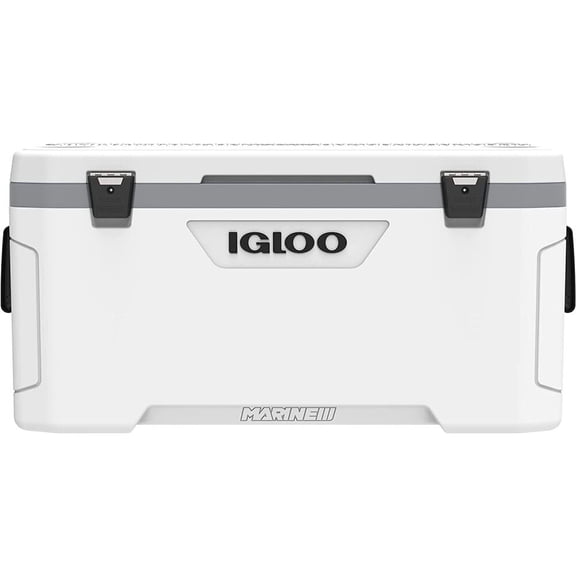
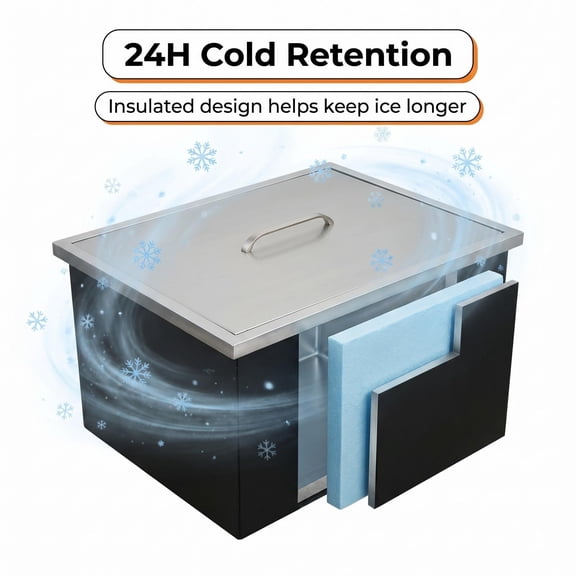
You should compare insulation type carefully because it shapes how long your ice lasts. An insulated metal cooler may use polyurethane foam or double-walled construction for reliable temperature hold.
Polyurethane foam usually fills wall space to slow heat transfer during long outdoor use. You’ll want this option when your cooler stays open often during barbecues, tailgates, or camping meals.
Vacuum-style insulated panels can help when you want slimmer walls with steady cold retention. You should check the intended use because some builds favor patio storage, while others support frequent transport.
Heavy-duty designs often pair thicker walls with reinforced lids and tougher hardware. You may prefer that build when your cooler rides in a truck bed or moves between campsites.
Comparing rust resistance and exterior finish
You should look closely at finish details if your cooler will sit on a porch or near a pool. Rust and weather resistance often depend on stainless steel grade, coatings, and exposed hardware.
Stainless steel can help you maintain a clean exterior through repeated outdoor use. Powder-coated iron or steel can also work well when you want color options and a classic body shape.
You should inspect hinges, latches, handles, and drain parts because those areas see frequent contact. A well-finished exterior helps you keep the cooler looking sharp through seasons of cookouts.
Picking style, from retro to modern
You can use style as a practical filter because your cooler may double as visible outdoor furniture. Retro and vintage looks fit nostalgic patios, while modern lines suit cleaner deck layouts.
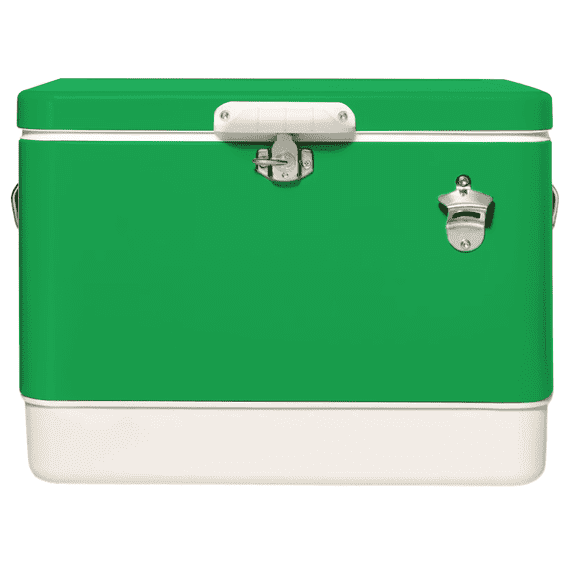
A classic metal cool appearance often includes rounded corners, raised lids, and polished hardware. You should compare those details if your cooler will stay beside a bar cart or dining set.
Color and finish also affect how easily your cooler blends with chairs, tables, and umbrellas. You’ll get a more intentional setup when your storage piece matches the rest of your outdoor space.
Matching portability features to your routine
You should think about movement before you choose capacity because full coolers get heavy fast. Handles, wheels, and side grips matter when you’re lifting over curbs, loading trunks, or crossing campsites.
Portable builds often suit road trips, fishing days, and sports events where your cooler moves often. Stationary patio coolers make more sense when you want a beverage station near guests.
You should also check for drainage access because melted ice cleanup affects convenience after every use. A simple drain placement helps you empty water without awkward tilting or extra lifting.
Hieleras de metal: Classic style and rugged insulation
A classic hielera de metal offers the same durable cold storage and timeless style for outdoor gatherings. You can compare material, insulation, and size the same way when choosing the right outdoor setup.
You may want a portable option for day trips or a patio model for entertaining at home. You’ll get a clearer fit when you match finish, can capacity, and handle style to your plans.
Where a metal cooler fits into your outdoor setup
You can use metal coolers for backyard parties, patio dinners, camping weekends, and tailgate parking lots. An aluminum ice chest can make sense when you want lighter carry weight with a durable shell.
You might keep one by your grill for bottled drinks during cookouts and game nights. You can also bring one to a campsite when you need cold storage with a rugged exterior.
You’ll make an informed choice when you compare cans held, insulation type, finish protection, and portability together. That approach helps you choose a cooler that fits your space, your plans, and your cleanup routine.