

Drawer & Cabinet Organizers in Kitchen Storage & Organization



























About Drawer & Cabinet Organizers in Kitchen Storage & Organization - Walmart.com
Drawer cabinet organizers help you turn cluttered storage into usable space with measured fits, flexible layouts, and room-specific options for kitchens, bathrooms, pantries, and offices. You can compare drawer inserts, slide-out shelves, and adjustable trays by size, material, and installation style before choosing what fits your cabinets.
If you're sorting cutlery, wraps, spices, or cleaning tools, you need organizers that match your drawer depth, width, and height clearance. You can use this guide to compare practical features that matter on a busy day.
How to choose drawer cabinet organizers by size
You should measure drawer cabinet organizers by interior width, depth, and sidewall height before you compare shapes or compartments. You can avoid wasted space when your organizer matches the drawer instead of the label.
For kitchen drawer organizers, you may want shallow sections for flatware and deeper sections for serving tools. In cabinets, you should also check door clearance and shelf height before picking a slide-out format.
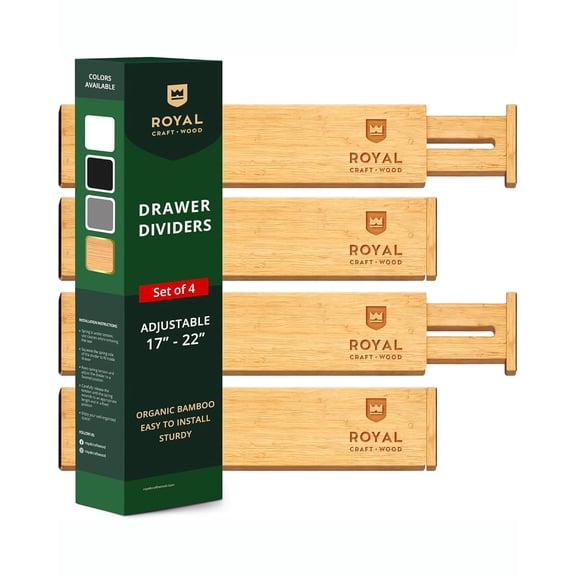
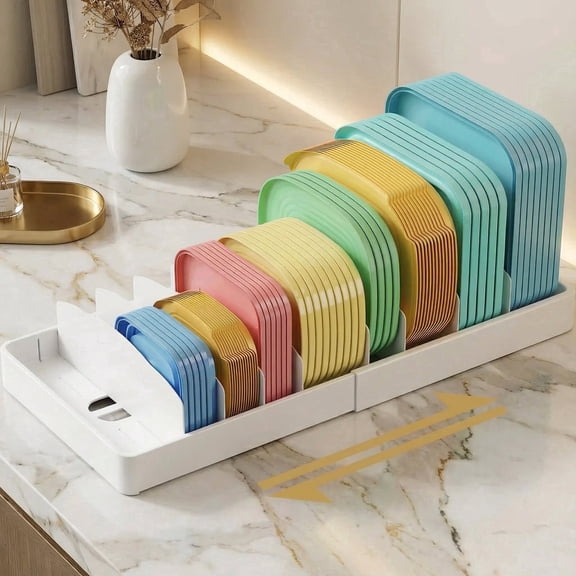
An expandable drawer organizer gives you more flexibility when your drawer size falls between standard widths. You can widen the sides for a closer fit and keep utensils from shifting around.
- You should measure inside edges, not the outside of the drawer box.
- You should check height clearance if your drawer closes under a countertop lip.
- You can compare fixed trays with expandable layouts for tighter fits.
- You should measure cabinet depth if you want a slide out cabinet organizer.
Choosing materials for kitchen drawer organizers and cabinets
You can narrow your options quickly when you compare bamboo, plastic, metal wire, and wood by how you use the space. Your routine matters because dry utensil drawers need different surfaces than damp bathroom cabinets.
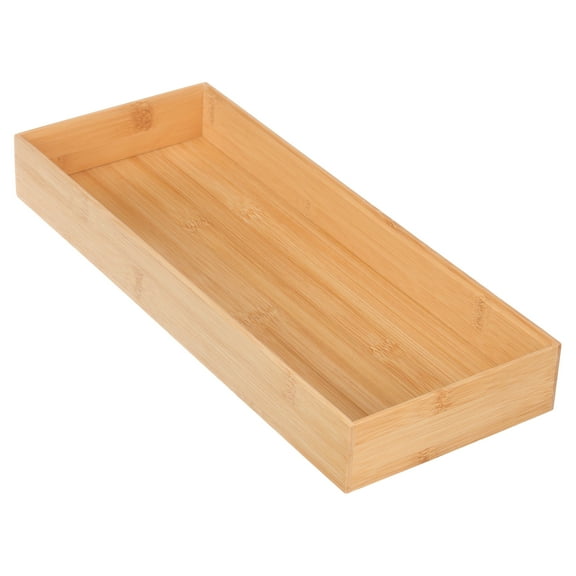
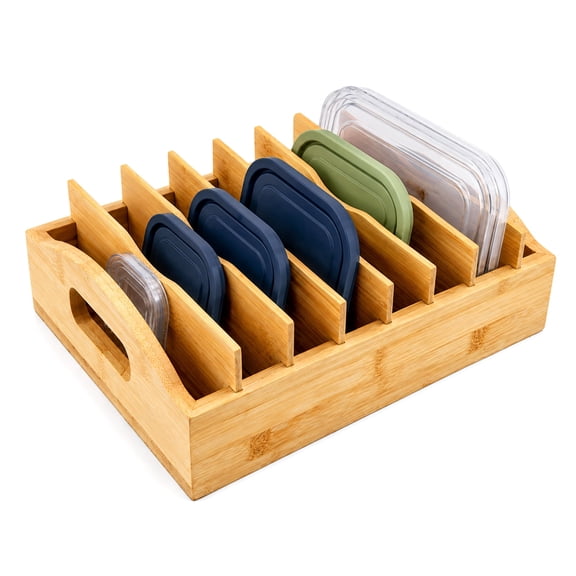
Bamboo drawer organizers give you a warm, furniture-like look in dry drawers with forks, spoons, and kitchen tools. You should keep bamboo in spaces where splashes are limited and surfaces stay mostly dry.
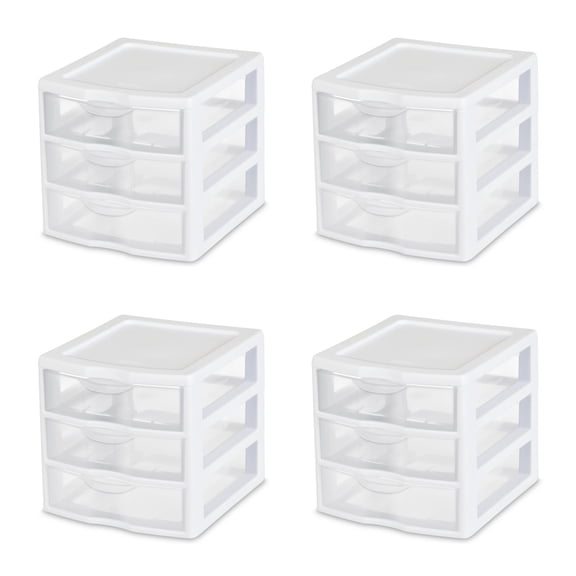
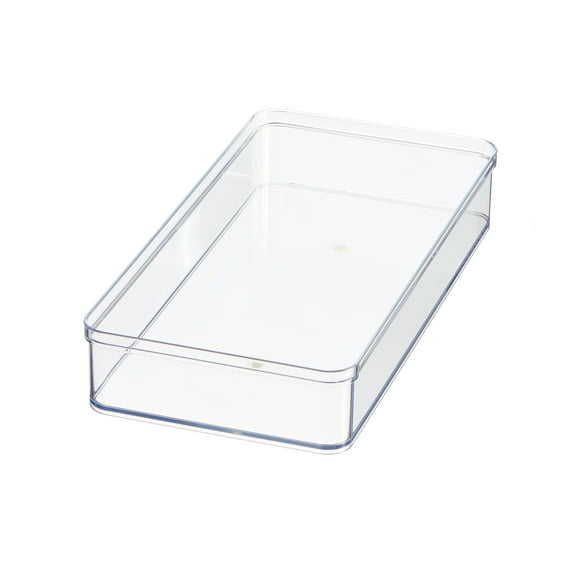
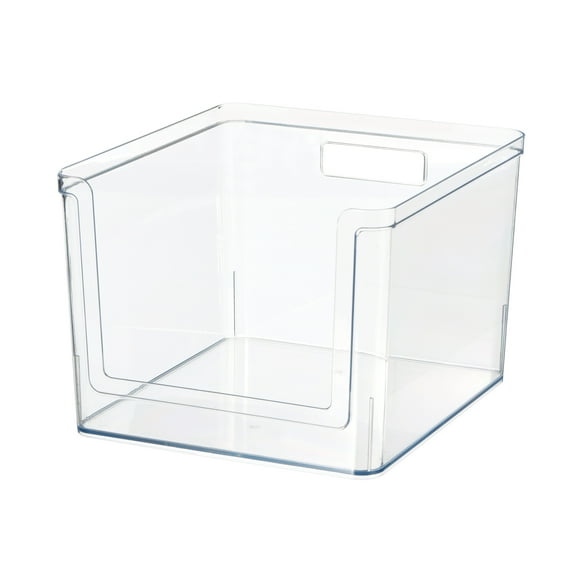
Plastic organizers work well when you want easy wipe-down care in bathrooms, under-sink cabinets, or snack drawers. You can also spot clear bins and molded sections more easily in mixed-use storage.
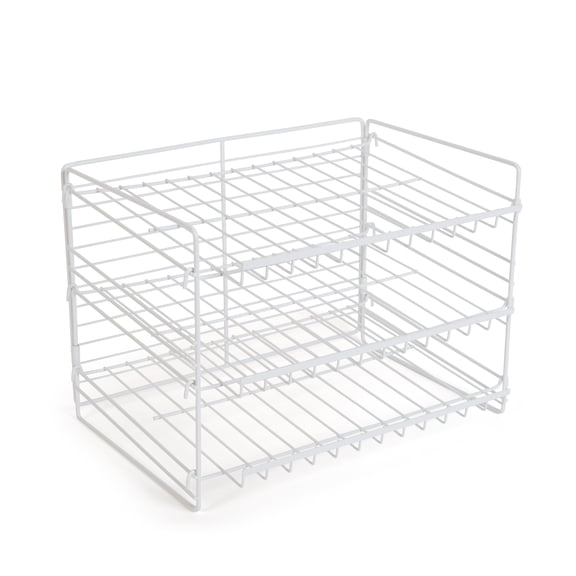
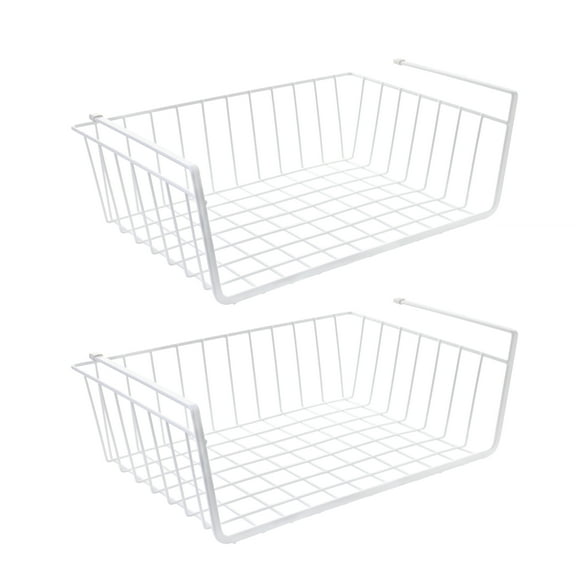
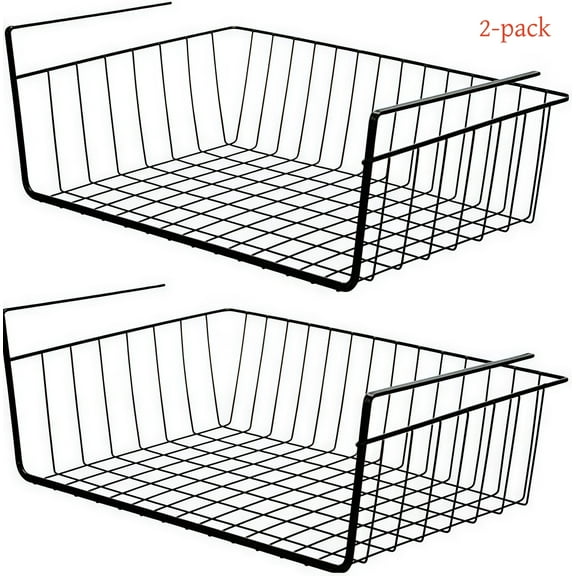
Metal wire styles help you see contents quickly, especially in pantry shelves or cabinet drawers with packaged items. Wood styles can look more built-in, and you should compare sealed finishes for everyday cleanup.
Comparing expandable, fixed, stackable, and slide-out types
You can choose fixed trays when your drawer dimensions are standard and your storage needs stay consistent. You may prefer expandable drawer organizer designs when your drawers vary across the kitchen.
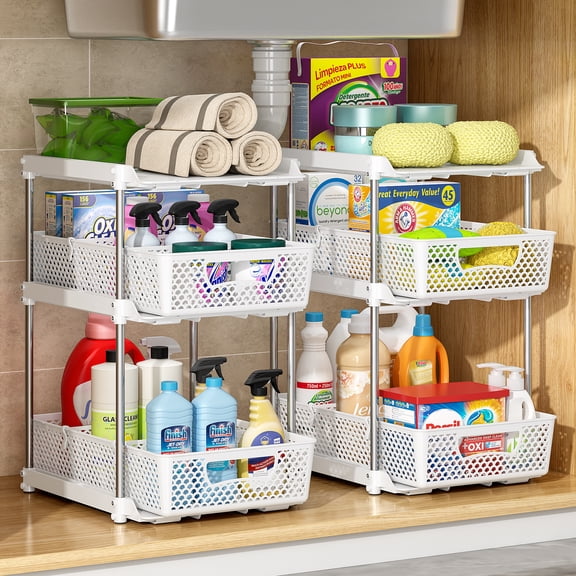
Stackable options help you use vertical space in taller drawers or pantry shelves without mixing small items together. You can separate packets, baking tools, or office supplies while still seeing each section.
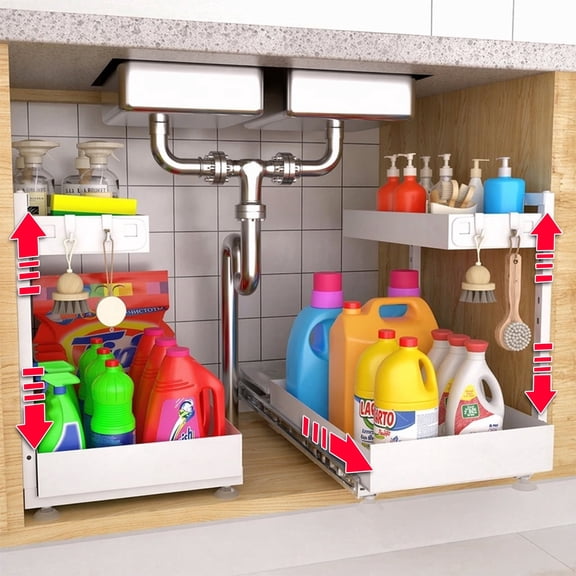
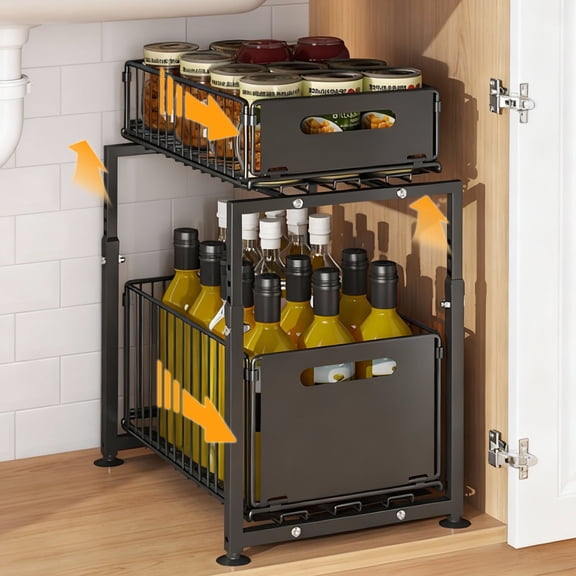
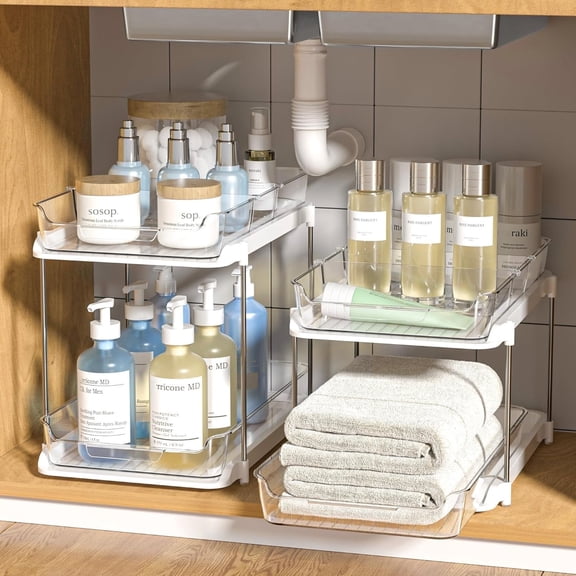
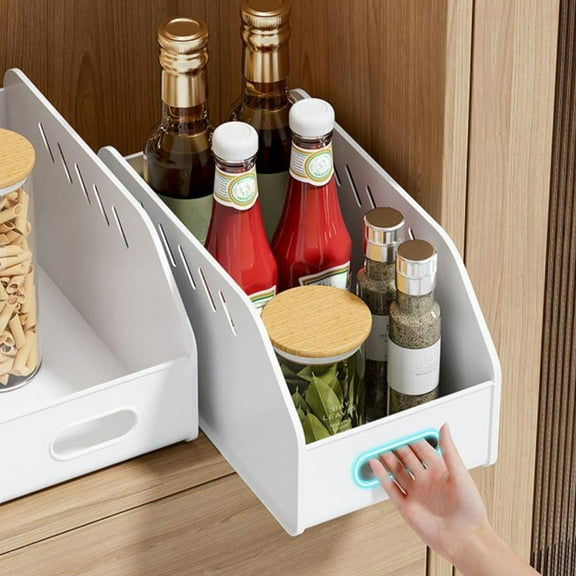
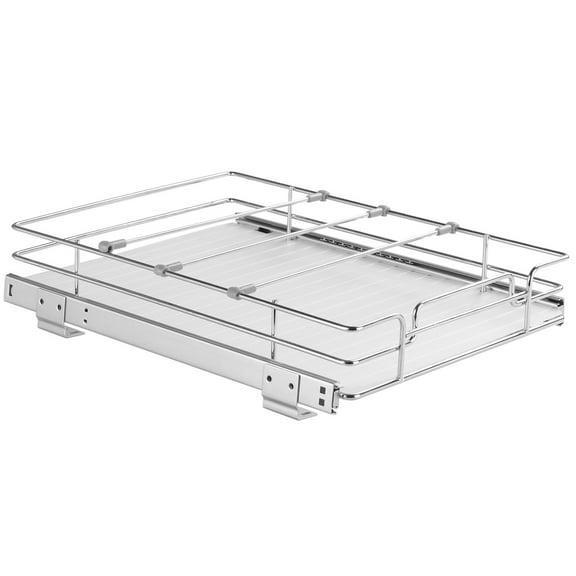
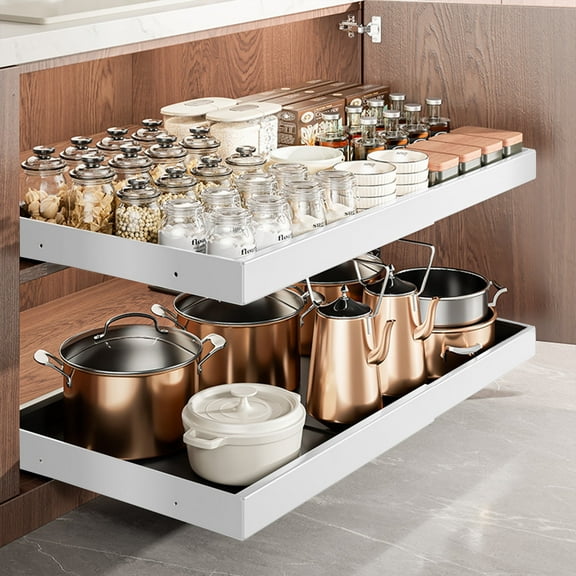
A slide out cabinet organizer helps you reach mixing bowls, pans, and small appliances without digging in the back. You should check the slide rail load rating if you plan to store heavier cookware.
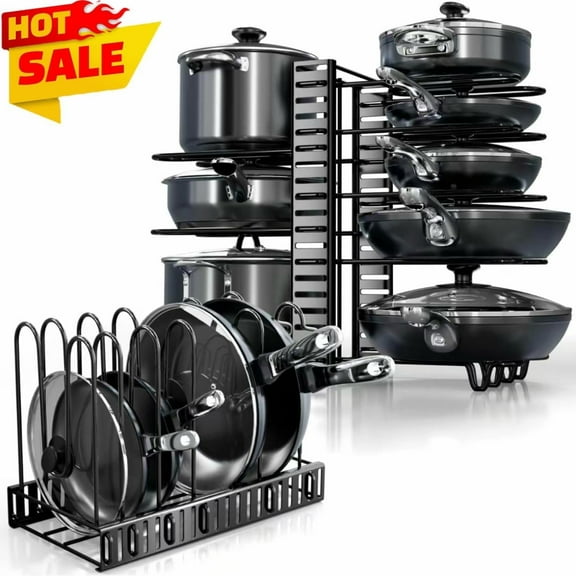
For heavy pots and pans, you may want rails rated around 50 lbs because weight support affects how smoothly the shelf moves. You can also compare freestanding, screw-in, and tension-fit installation styles.
Matching drawer cabinet organizers to each room
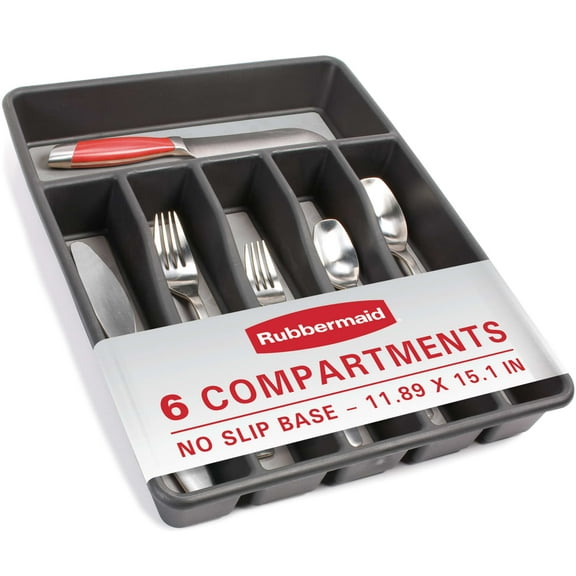
You can use kitchen drawer organizers for silverware, cooking tools, foil boxes, and spice packets when you want cleaner sections. A utensil drawer organizer or silverware tray helps you assign a clear place to everyday pieces.
In bathroom cabinets, you may want compact bins or slide-out shelves for brushes, bottles, and grooming tools. You should prioritize easy-clean materials and check clearance around plumbing lines.
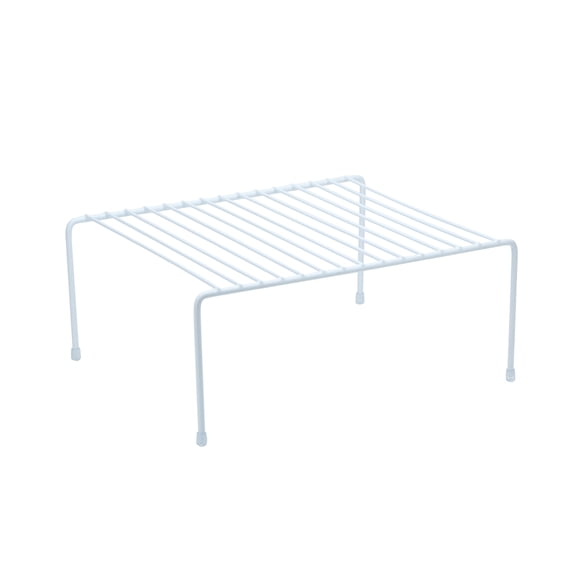
For pantry storage, you can use cabinet shelves and pull-out organizers to bring canned goods and snacks forward. You may find deeper organizers useful when you store boxed foods or taller containers.
Office drawers need a different layout, so you can look for smaller compartments for pens, clips, chargers, and sticky notes. Cabinet drawer organizers also help you separate paper supplies from electronics accessories.
What to look for before installation
You should compare freestanding organizers if you want a simple setup that drops into place right away. These styles work well when you want to rearrange sections as your storage changes.
Screw-in slide-out units create a more fixed setup for lower cabinets that hold heavier kitchen items. You should measure side clearance and base depth so the shelf can extend smoothly.
Tension-fit styles can work when you want a more adjustable setup without a permanent feel. You can compare these options carefully if your cabinet walls are straight and evenly spaced.
When you review installation details, you should focus on dimensions, extension length, and weight capacity before appearance. That approach helps you choose drawer cabinet organizers that fit your space and keep daily essentials easier to reach.
You can make crowded drawers and hard-to-reach cabinets feel more usable when your organizer matches your measurements, material needs, and storage habits. With the right combination, your utensils, pantry items, and household tools stay sorted and easier to access.