Kai Knife(66)
Pure Komachi HD - 6 Coated Carbon Stainless Steel Knives with Matching Sheaths $69.99
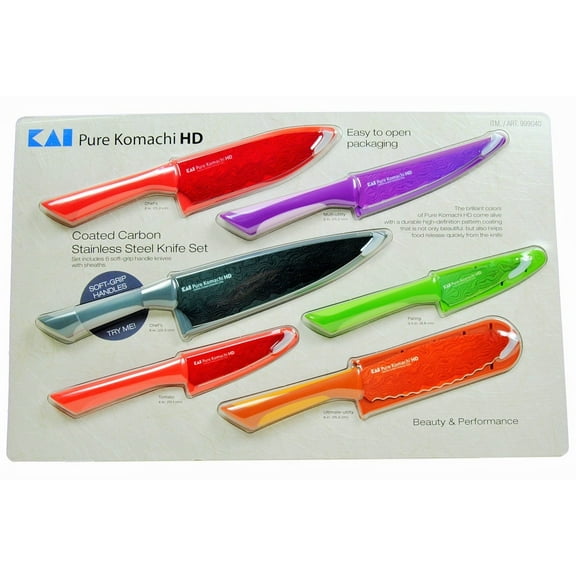
Pure Komachi HD - 6 Coated Carbon Stainless Steel Knives with Matching Sheaths
Kai Luna Paring Knife 3.5" w/Sheath and soft-grip handle $12.57

Kai Luna Paring Knife 3.5" w/Sheath and soft-grip handle
DFVYU-Kai Inspire Bread Knife, 9 Inch blade with Hammered Finish, , Silver $38.82
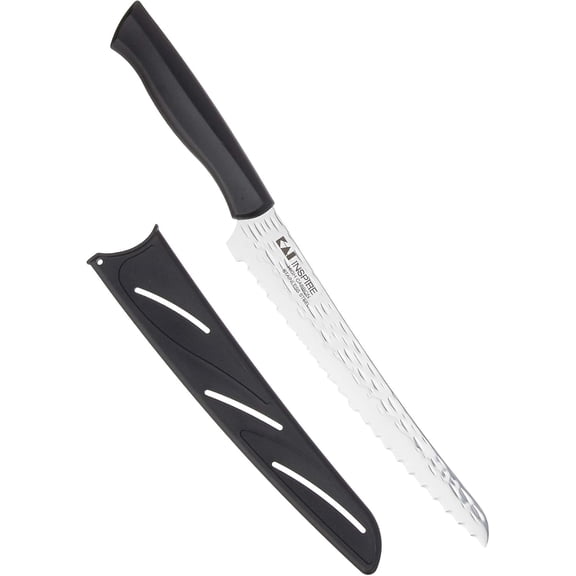
DFVYU-Kai Inspire Bread Knife, 9 Inch blade with Hammered Finish, , Silver
Explore related products(1000+)
FAQ
How do I choose the right kitchen knife?
Picking the right kitchen knife depends on what you'll be using it for. If you're prepping lots of veggies, a nakiri or paring knife can be handy. For slicing bread, look for a serrated blade. Consider the handle comfort and blade length as well.
- Think about your main cooking tasks.
- Check if the handle feels good in your hand.
- Look for blade types that match your needs.
Trying out different shapes can help you find what works best for you.
What's the best way to store my knives?
Safe knife storage keeps blades sharp and helps prevent accidents. You can use a knife block, magnetic strip, or blade sheaths. Avoid tossing knives loose in a drawer, as this can damage the blade and pose safety risks.
- Knife blocks are popular for countertop storage.
- Magnetic strips save space and keep knives visible.
- Sheaths protect blades during drawer storage.
Choose what fits your kitchen layout and keeps your knives in good condition.
How do I clean a kitchen knife safely?
It's important to wash knives by hand soon after use. Use mild soap and warm water, then dry them immediately with a towel to prevent rust. Avoid leaving knives soaking or running them through the dishwasher, as this may harm the blade or handle.
- Wash with gentle soap and water.
- Dry completely right after cleaning.
- Don't soak or use abrasive cleaners.
Regular cleaning helps your knives last longer and perform well.
Can I use a kitchen knife for bread and meat?
Different foods call for different knife types. Bread knives have serrated blades to cut through crusts without crushing. Slicing or brisket knives are designed for meats and make cleaner cuts. Using the right tool for each job can help you achieve better results.
- Bread knives work well for baked goods.
- Slicing knives handle meats efficiently.
- Using a knife for its intended purpose can maintain its edge.
Having a variety of knives lets you tackle different kitchen tasks easily.
What should I look for in a knife handle?
The handle affects comfort and control. Look for handles that feel secure and fit your grip. Materials like soft-grip or textured finishes can offer more stability, especially when your hands are wet. Check if the handle's shape helps prevent slipping.
- Comfortable, non-slip materials are a plus.
- Consider the handle's shape and weight balance.
- Secure grip is important for safe use.
Testing how a handle feels can help you make the best choice for your kitchen.
Popular in Kai Knife
Related Products
Rada Cutlery 2-Piece Paring Knife with Sharpener Set, Silver Handle
 Rada Cutlery 2-Piece Paring Knife with Sharpener Set, Silver Handle$36.20current price $36.20
Global GF-35 - 12 inch, 30cm Heavyweight Chef's Knife
 Global GF-35 - 12 inch, 30cm Heavyweight Chef's Knife$192.89current price $192.89
Steak Knives Set of 8,Sharp Serrated Dinner Knife Kitchen Cutting Knife for Meat Cheese Stainless Steel Black Knife Cutlery Set Dishwasher Safe
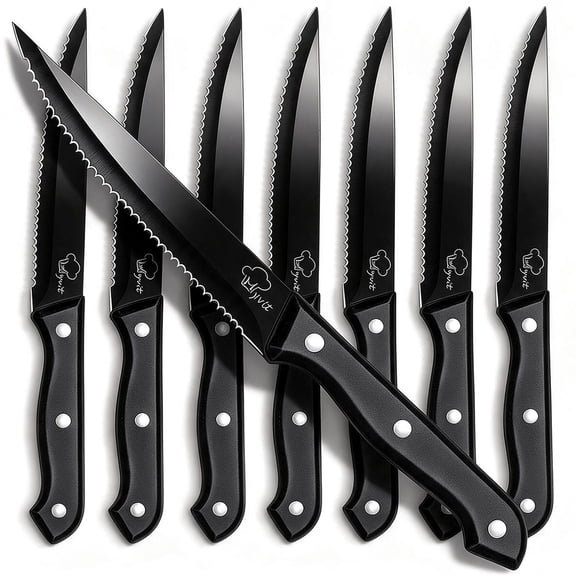 Steak Knives Set of 8,Sharp Serrated Dinner Knife Kitchen Cutting Knife for Meat Cheese Stainless Steel Black Knife Cutlery Set Dishwasher Safe$14.98current price $14.98
Chef Craft Select Steak Knife Set, 4.5 inch Blade 8.5 inches in Length 2 Piece Set, Stainless Steel/Black
 Chef Craft Select Steak Knife Set, 4.5 inch Blade 8.5 inches in Length 2 Piece Set, Stainless Steel/Black$8.99current price $8.99
Richardson Sheffield Universal Butcher Knife with Notches Stainless Steel 10 In
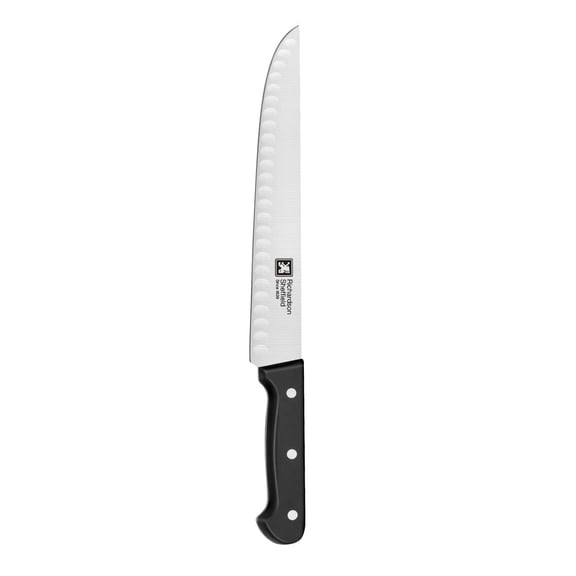 Richardson Sheffield Universal Butcher Knife with Notches Stainless Steel 10 In$35.24current price $35.24
Chicago Cutlery Walnut Tradition 8-Inch Chef's Knife
 Chicago Cutlery Walnut Tradition 8-Inch Chef's Knife$34.22current price $34.22
Chicago Cutlery B144 4-Piece Walnut Tradition Steak Knife Set (2-Pack)
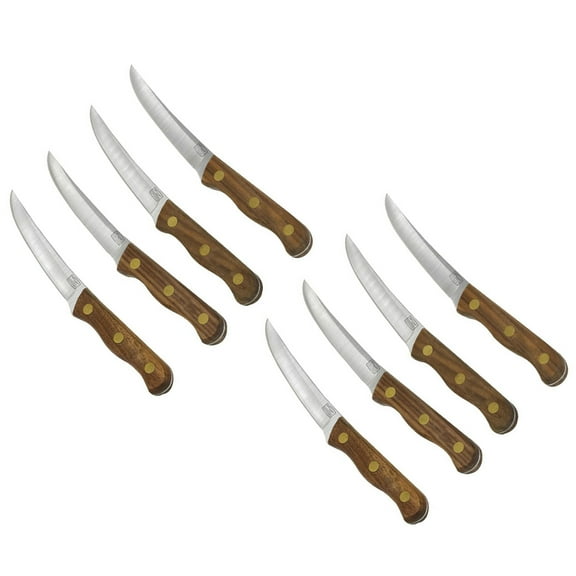 Chicago Cutlery B144 4-Piece Walnut Tradition Steak Knife Set (2-Pack)$85.99current price $85.99
Dot Pet Khaki Sharp Stainless Steel Kitchen Knife Set for Home
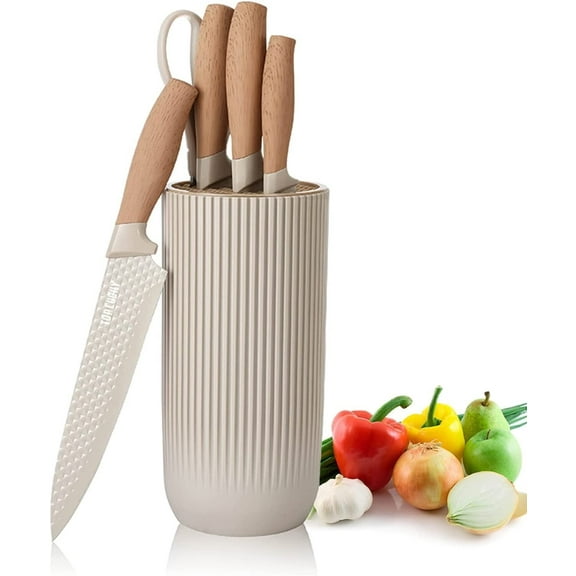 Dot Pet Khaki Sharp Stainless Steel Kitchen Knife Set for Home$23.97current price $23.97
MAC Chef Series 10" Hollow Edge Chef's Knife
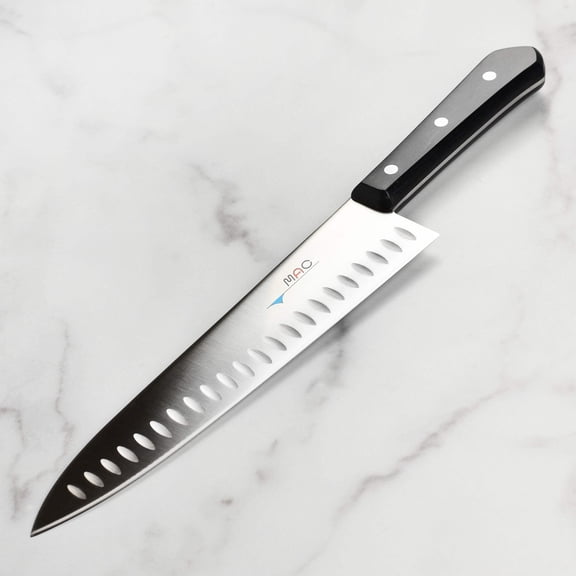 MAC Chef Series 10" Hollow Edge Chef's Knife$149.95current price $149.95