

Jackery Portable Power Stations & Solar Generators
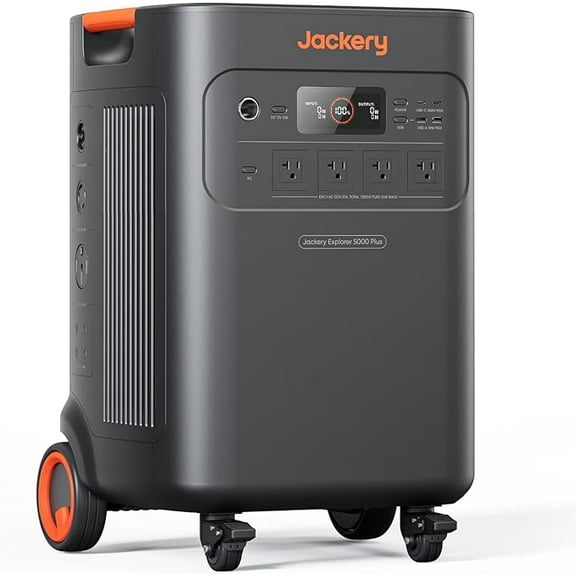
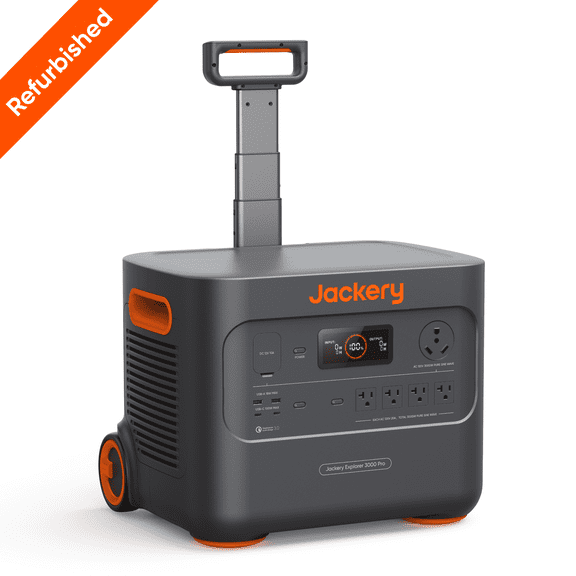
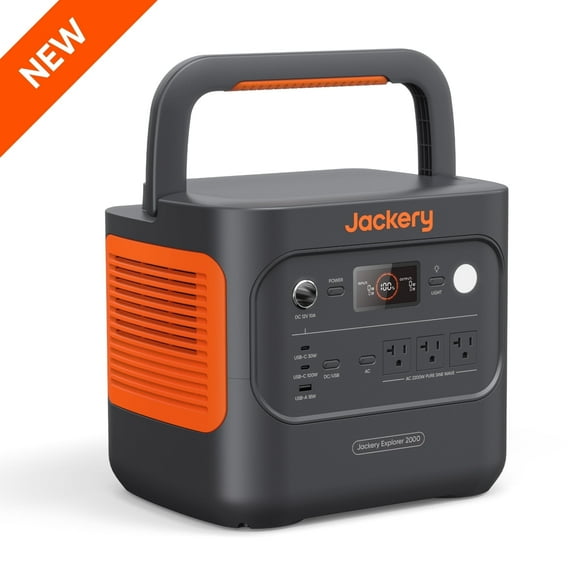


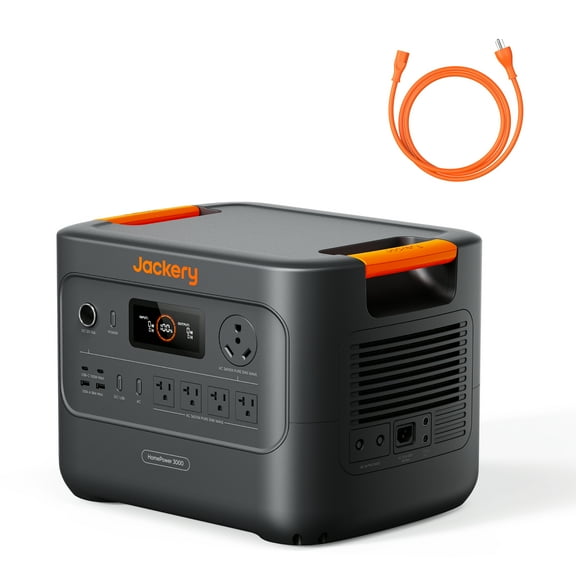
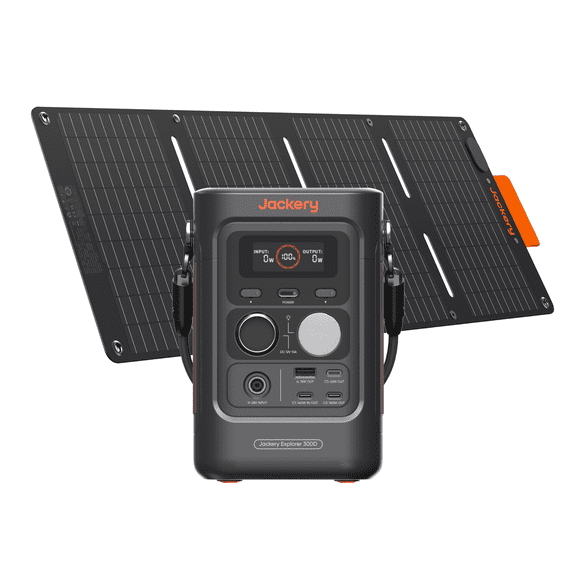


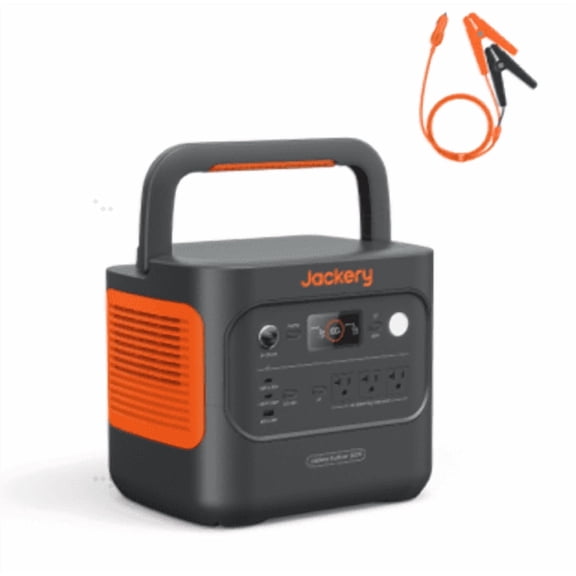
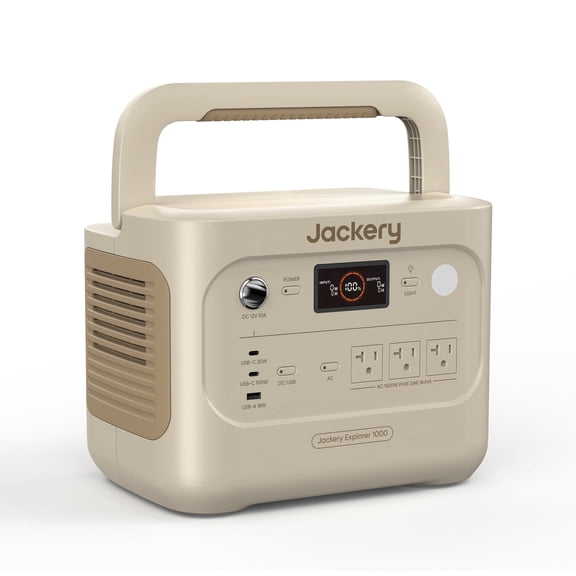
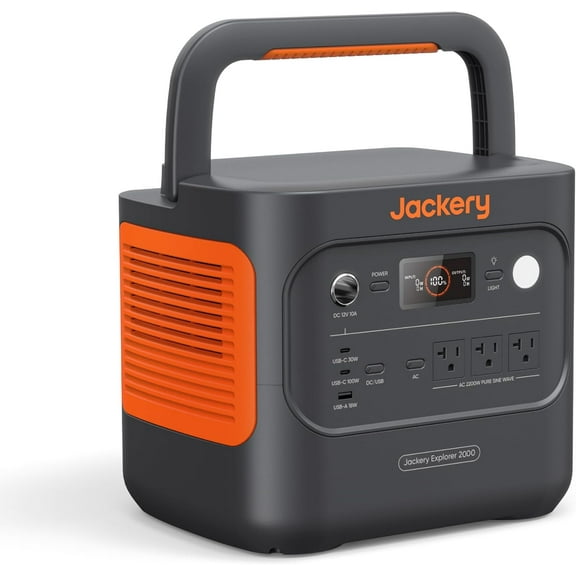


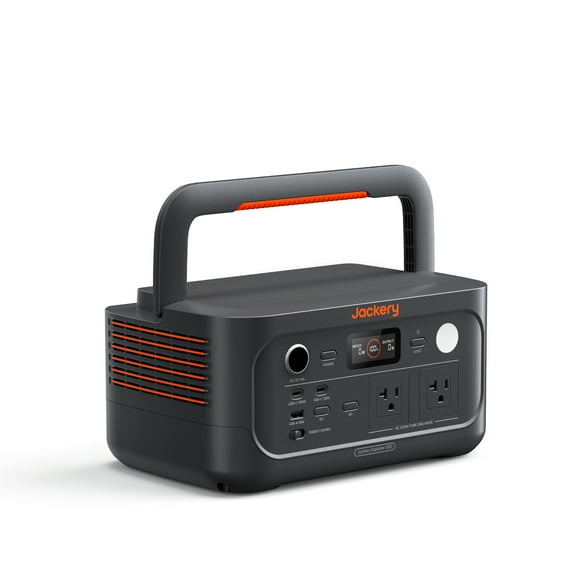


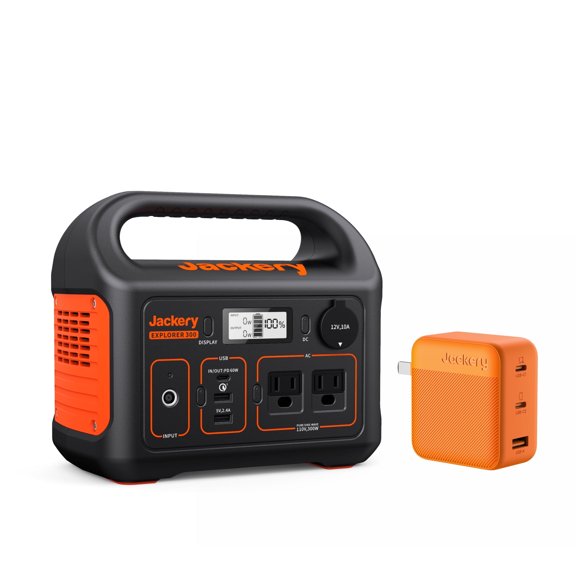
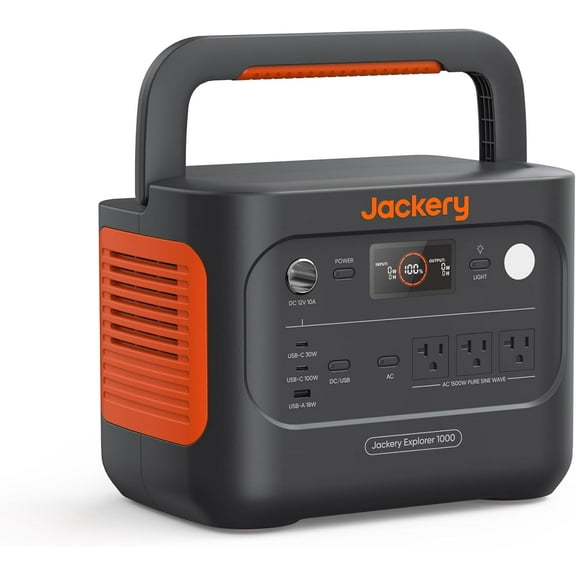
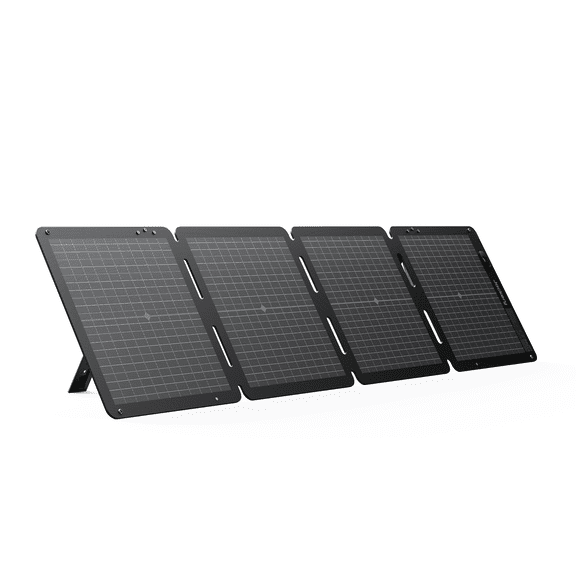
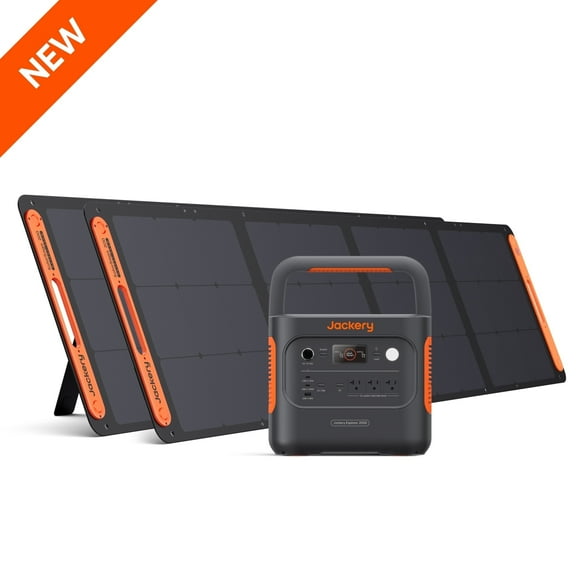
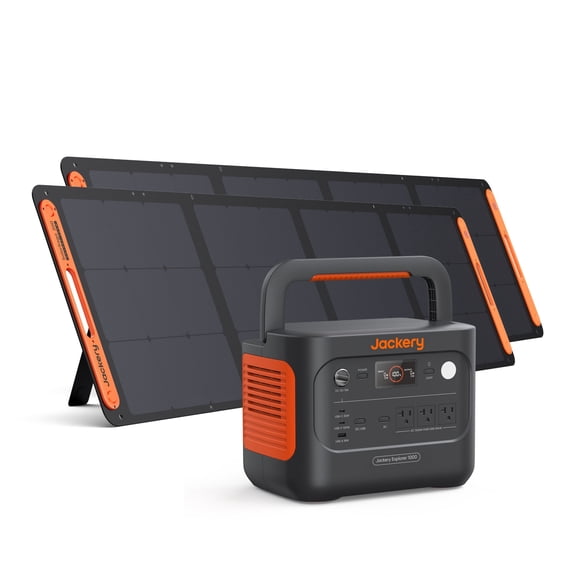
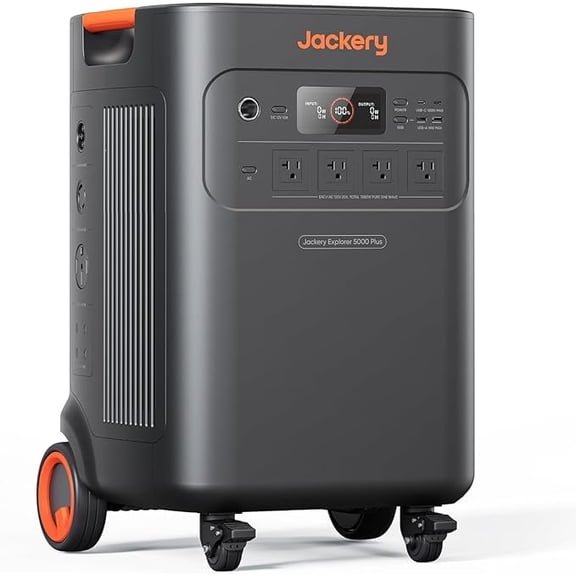


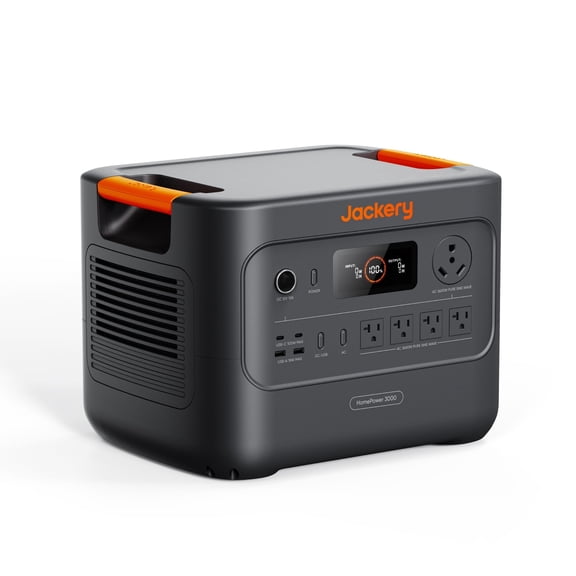

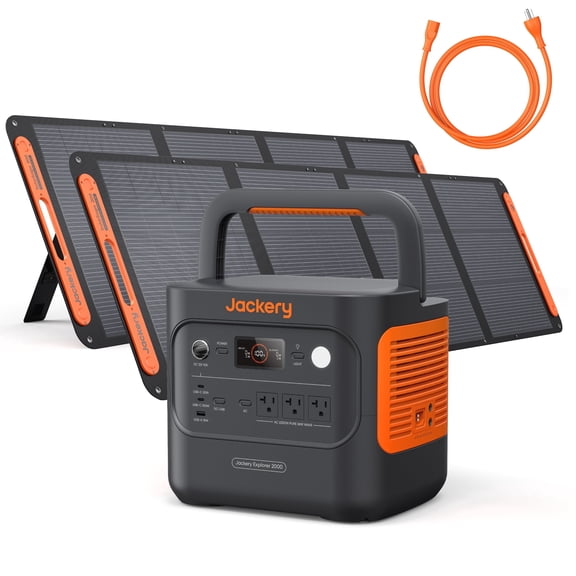
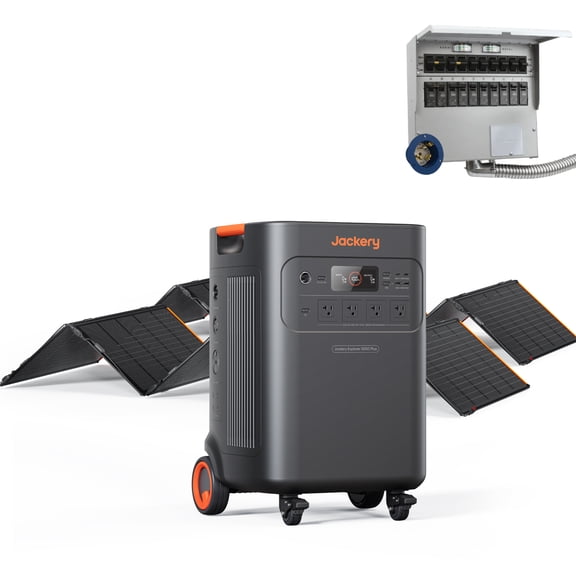
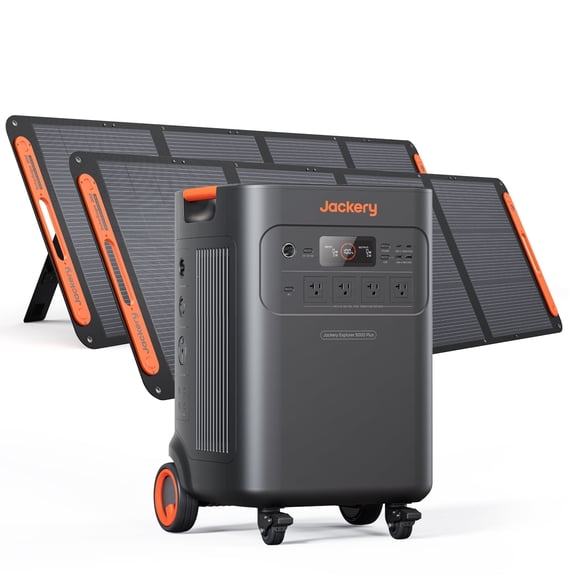


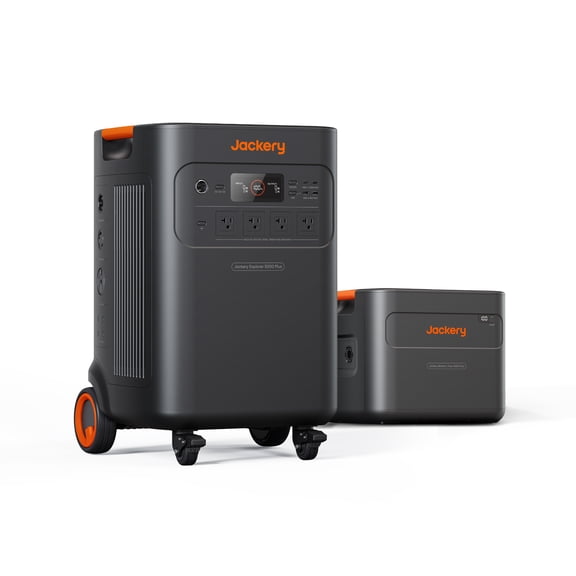


About Jackery Portable Power Stations & Solar Generators - Walmart.com
Jackery portable power stations help you keep devices running during camping trips, road travel, and home backup moments. You can compare capacity, output, and charging options so your setup fits your routine.
You may also search for Jackery solar generators when you want stored power that pairs with compatible panels. You’ll notice this category centers on battery power, not fuel engines, pull cords, or loud operation.
Choosing Jackery portable power stations by capacity
You should start with watt-hours because capacity affects how long your gear can run. You can compare 240Wh, 500Wh, 1000Wh, and 2000Wh options against your daily needs.
If you pack phones, lights, and a laptop, you can begin with 240Wh or 500Wh models. If your plan includes longer backup, you can look at 1000Wh or 2000Wh units.
You also need to compare output wattage before you decide on a model. You can use 200W for small electronics, while 1000W or 2200W supports larger device loads.
- You can match 240Wh with short camping weekends and simple charging needs.
- You can choose 500Wh when your trip includes laptops, fans, or camera batteries.
- You can look at 1000Wh or 2000Wh when your plan includes longer outages or more devices.
- You can compare 200W, 500W, 1000W, and 2200W outputs against your device labels.
How to compare output, battery type, and charging
You should check output ratings because your devices need enough starting and running power. You can compare the station watt label with the label on your appliance.
You may also care about pure sine wave power for sensitive electronics. You’ll want that inverter type when your setup includes laptops, CPAP machines, monitors, or similar gear.
You can compare lithium-ion and LiFePO4 battery chemistry as another buying decision. You’ll often choose based on weight, size, and the use pattern you expect.
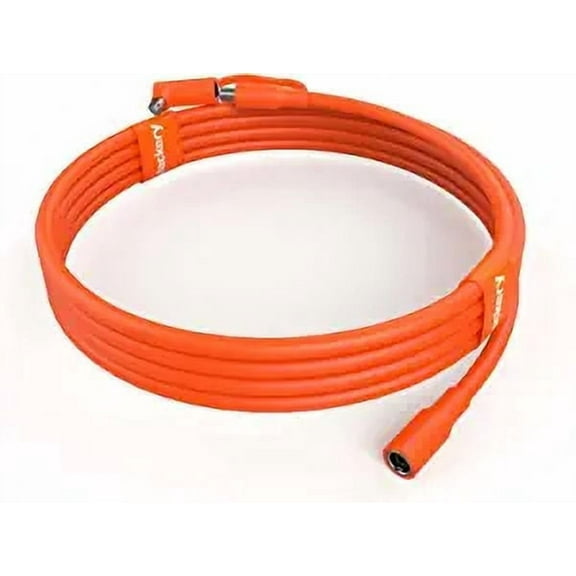
When you compare charging sources, you can look for solar panel input, AC wall charging, and 12V car charging. You’ll gain flexibility when your plans change between home, vehicle, and campsite use.
You should expect solar recharge time to depend on panel input and weather conditions. You can usually recharge faster with stronger sun and higher solar input wattage.
If you want easier planning, you can treat wall charging as your home base. You can use car charging or solar charging when you need off-grid power away from outlets.
What to look for in Jackery solar generators
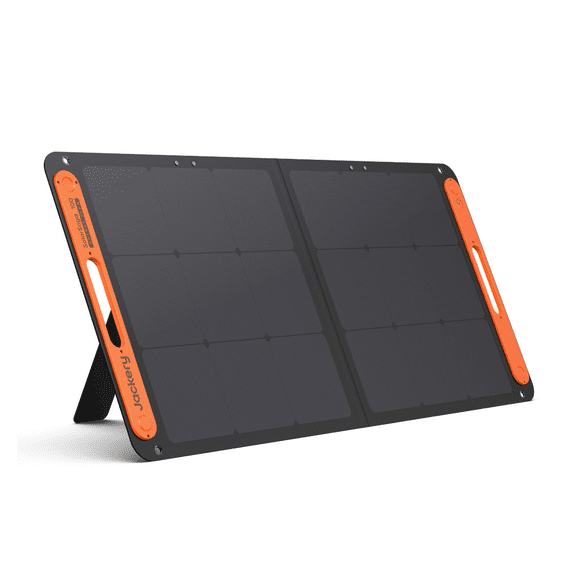
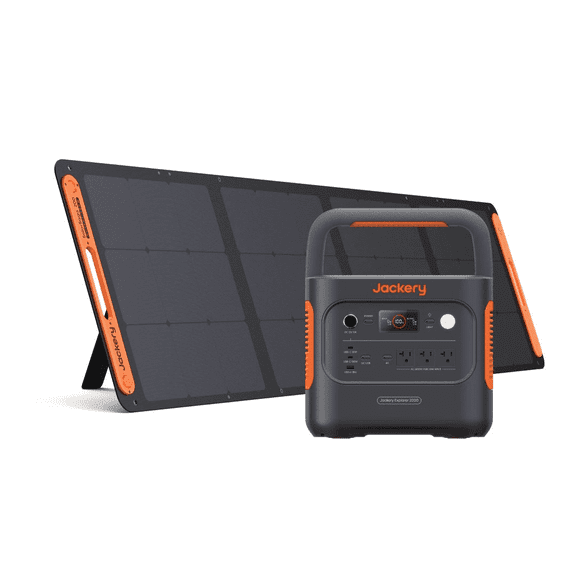
You may use the term Jackery solar generators when you want a power station paired with compatible solar panels. You’ll get a quieter setup with no fuel storage or pull-start routine.
You should check whether your chosen station supports the solar input you want. You can pair higher-capacity units with larger panel setups for longer off-grid use.
You can also compare port layouts before you choose a model. You’ll want the right mix for USB charging, AC plugs, and 12V connections.
If you’re comparing common search variations like zachary generators, you still want the same decision points. You should focus on watt-hours, output, recharge options, and carry design first.
How to choose a jackery portable power station near me
You may want nearby availability when timing matters for travel or backup planning. You can check Walmart fulfillment options for shipping, pickup, and in-store availability before you choose.
If you search for jackery pick up today, you’re usually balancing convenience with the right specs. You should still compare capacity, output, and carry style before making your final choice.
You may also look for jackery in store when you want faster access to a unit. You can use local availability signals while keeping your focus on device compatibility and runtime.
If your search includes jackery store or jackery near me in stock, you’re likely narrowing choices quickly. You can speed up your decision by checking watt-hours, pure sine wave support, and recharge methods first.
Choosing the right portability and use case
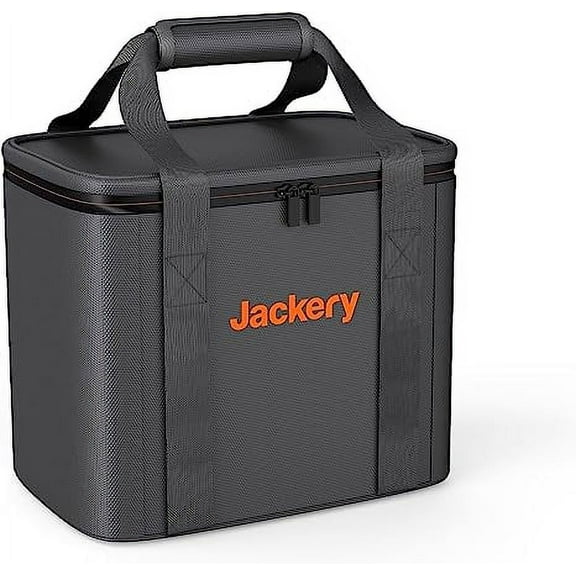
You should compare size and weight with where you’ll carry the unit most often. You can choose compact handheld styles, carry handle designs, or wheeled suitcase formats based on movement needs.
If your plan includes tailgating, tent camping, or van travel, you’ll likely want easier carrying. You can move a lighter station from your vehicle to your site with less effort.
You may want home backup for routers, lights, phones, and work devices during an outage. You can keep essential electronics running with quieter stored power instead of engine-driven equipment.
For camping, you can pair moderate capacity with solar charging for phones, lanterns, and small fans. For home backup, you can compare larger wattage and capacity for longer runtime.
How you can narrow your final choice
You should match device wattage, desired runtime, and charging plans before picking a model. You can avoid guesswork when you compare capacity, output, portability, and battery chemistry together.
Once you align those details, you’ll have a Jackery setup that fits your trips and backup plans. You can power essential gear with a quieter portable system that matches your routine.