




Incline Bench in Weight Benches

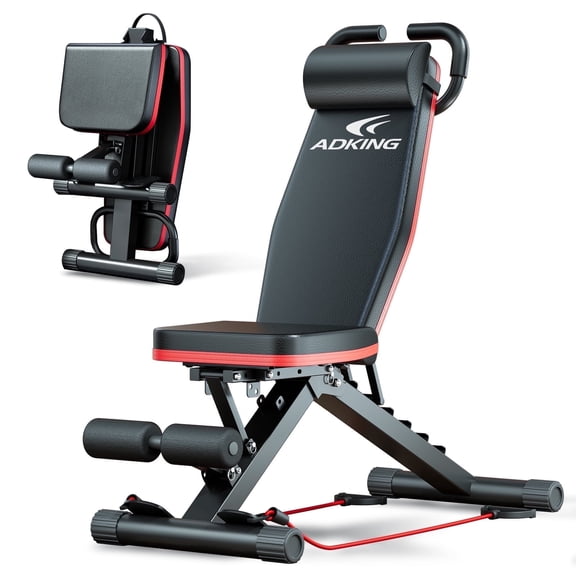
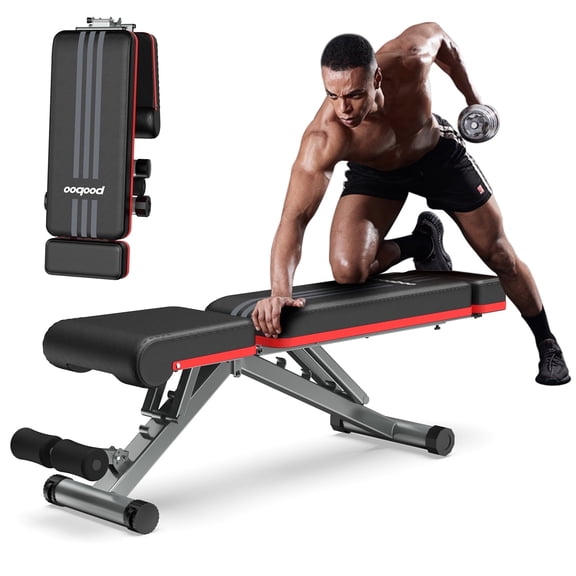
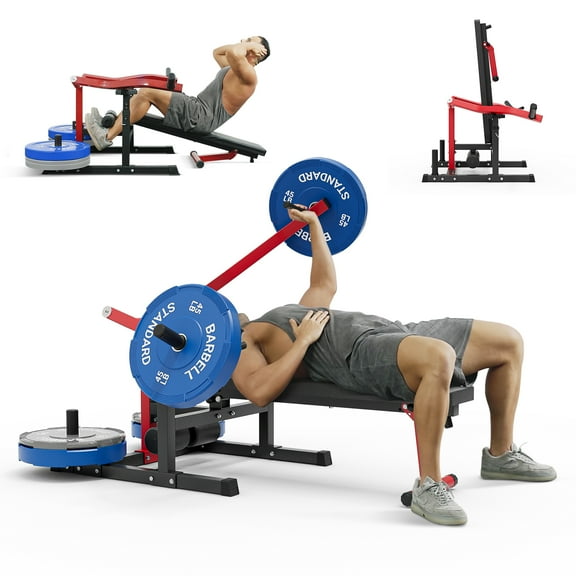
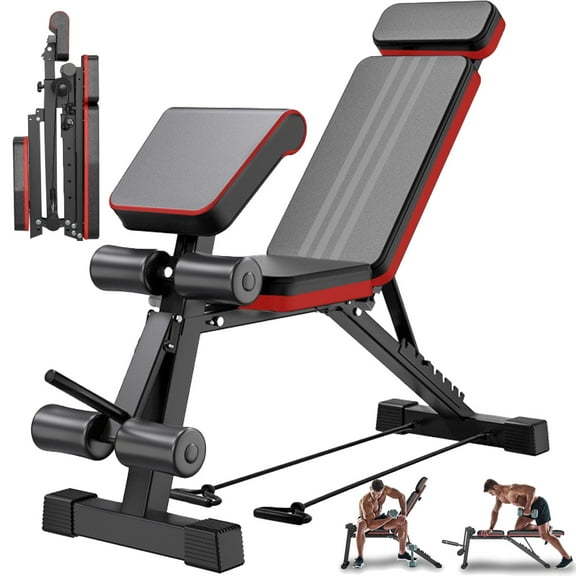






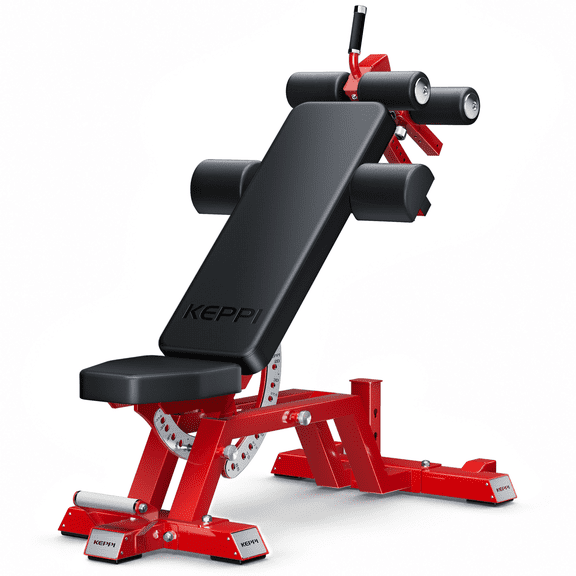
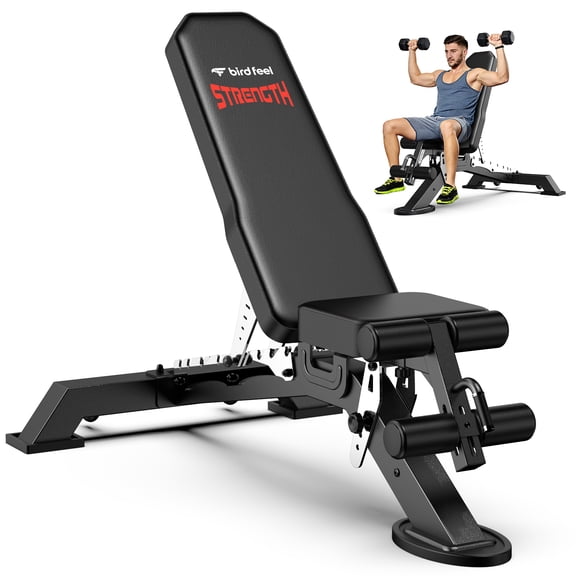

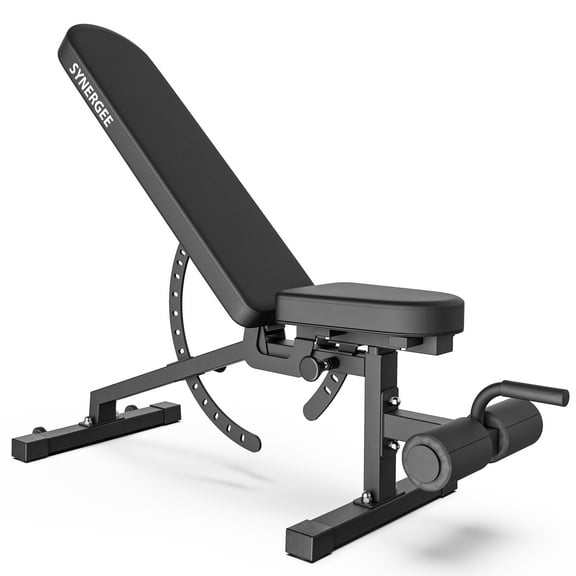

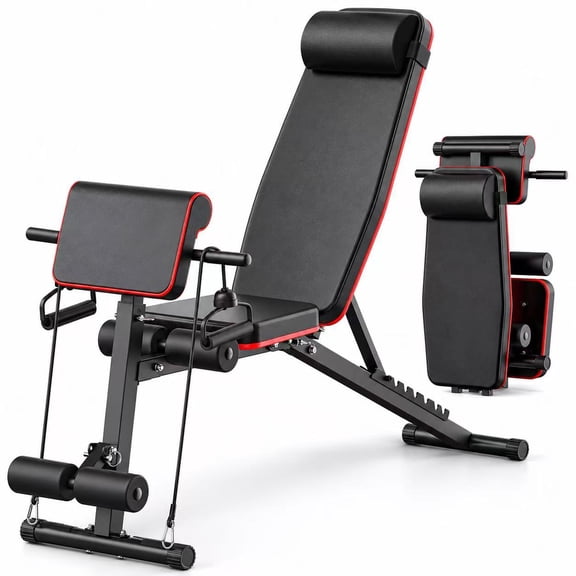























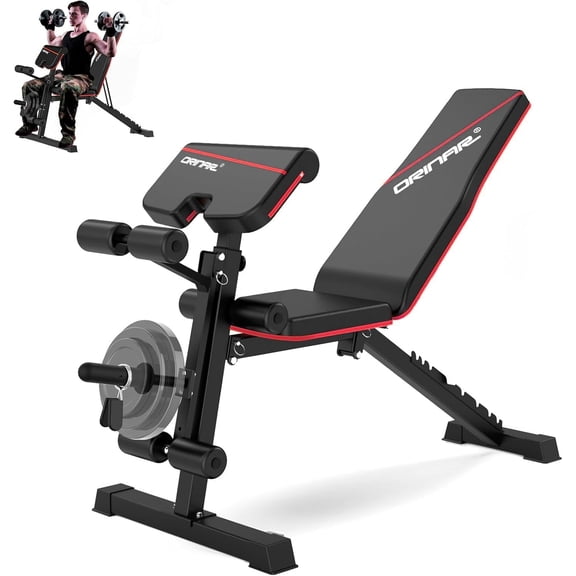


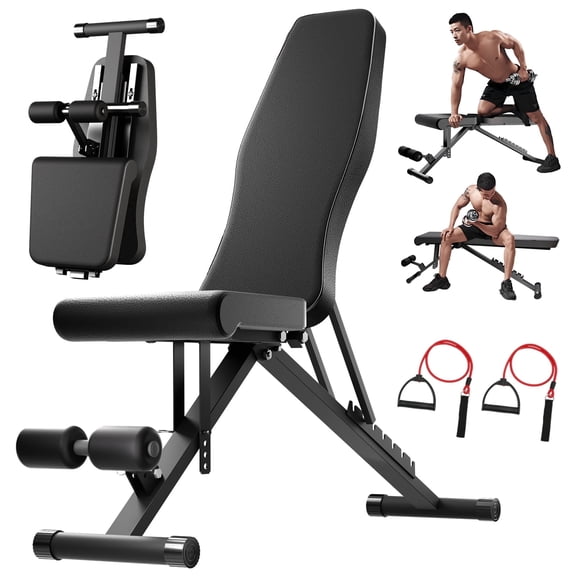


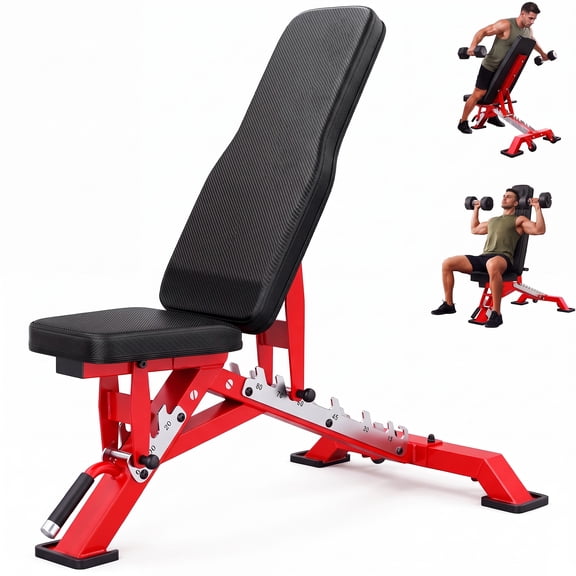
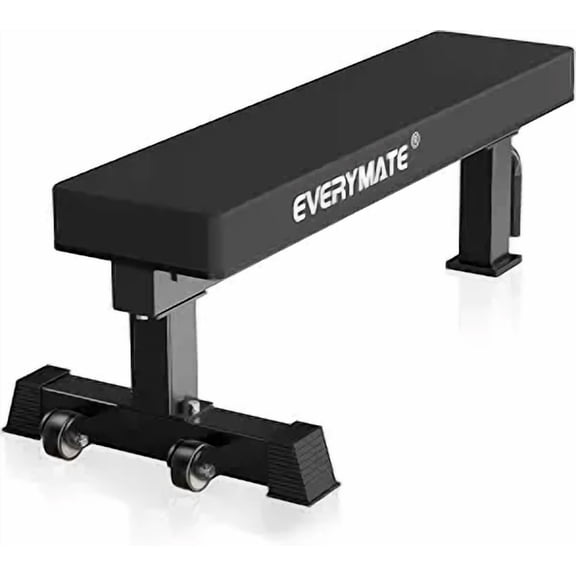








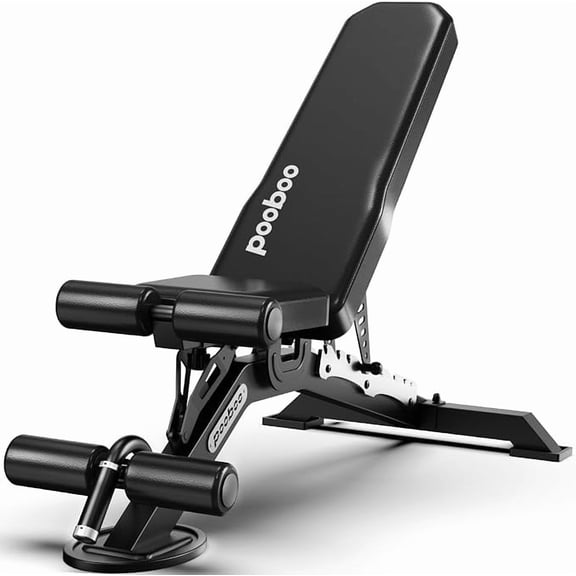
About Incline Bench in Weight Benches - Walmart.com
Your incline bench setup can shape how smoothly you train at home. You’ll find incline bench options that support presses, rows, flyes, and seated dumbbell work without wasting floor space.
Choosing the right incline bench
When you compare adjustability, you should start with how many positions you want in your routine. You’ll usually choose between adjustable, fixed, and folding designs based on flexibility and storage needs.
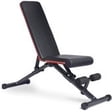
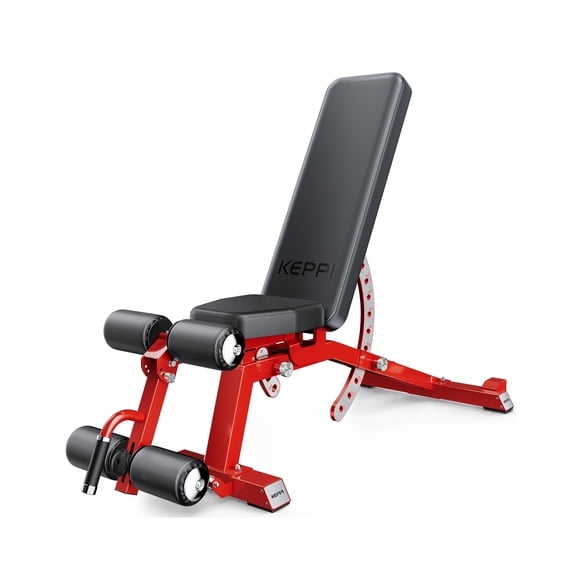
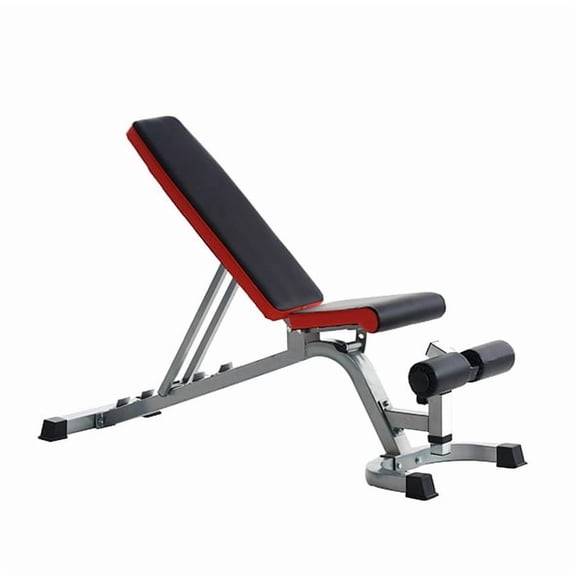
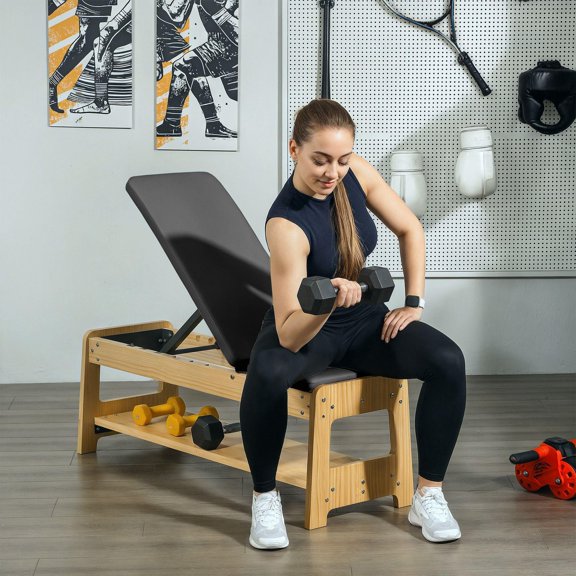
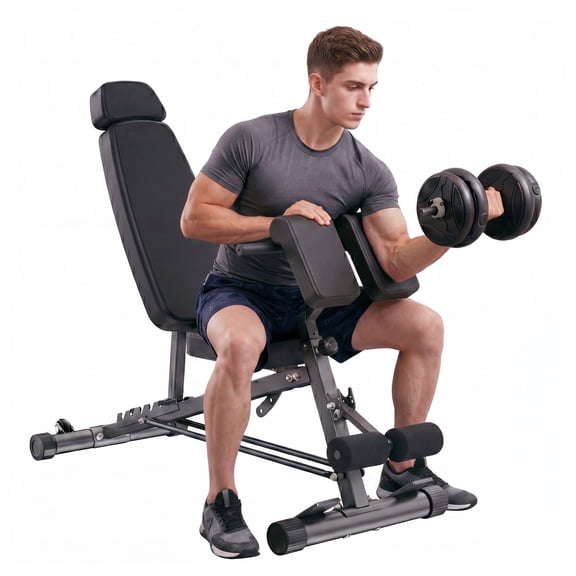
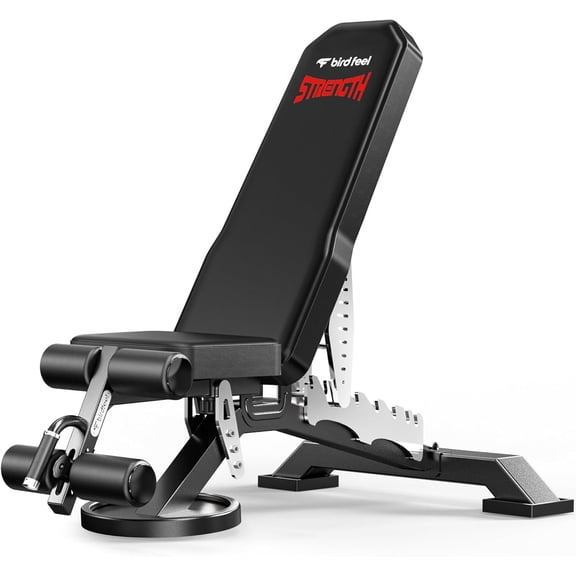
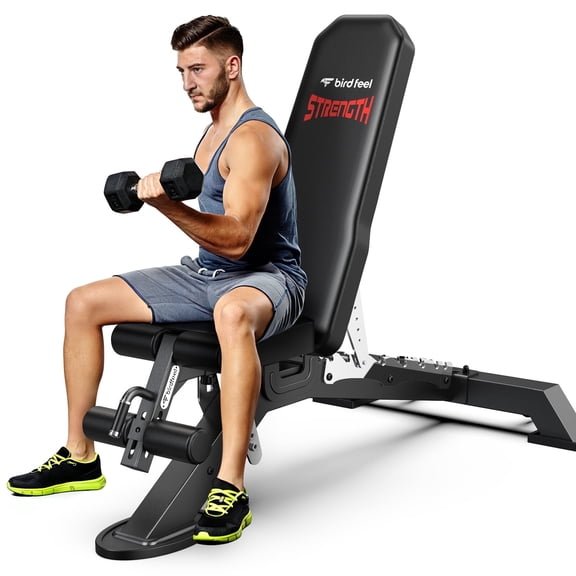
An adjustable incline bench gives you more exercise variety in one footprint. You can shift angles for incline presses, shoulder work, and seated curls without changing stations.
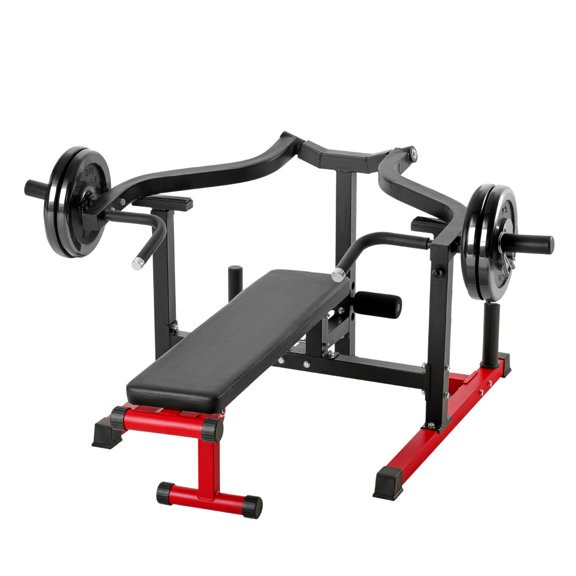
A fixed incline weight bench suits you when you want a dedicated angle for repeat sessions. You’ll get a straightforward setup that keeps your workout flow simple and consistent.
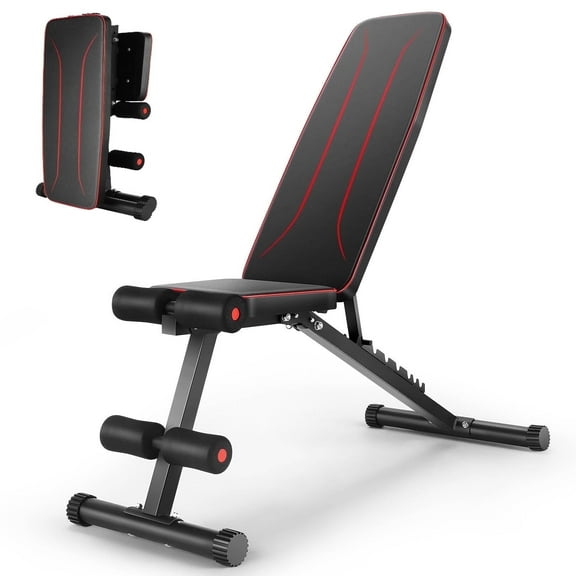
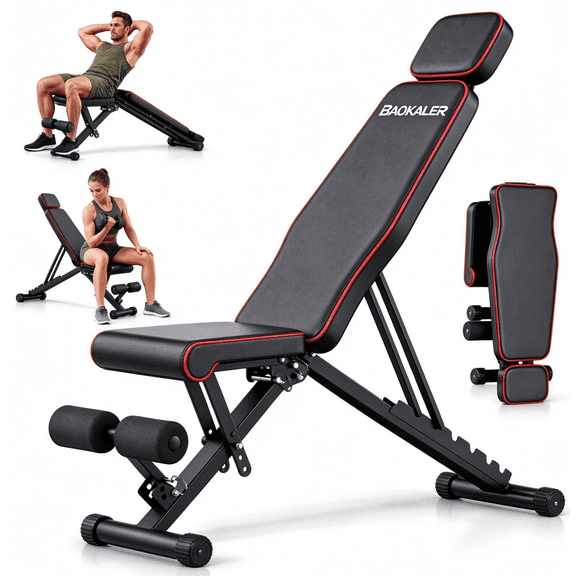
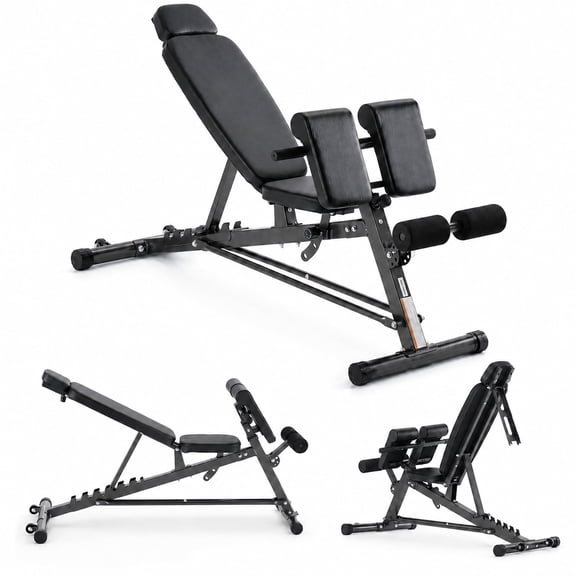
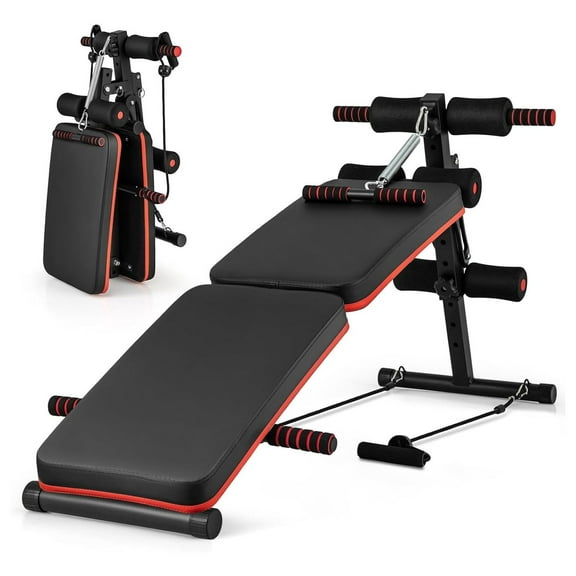
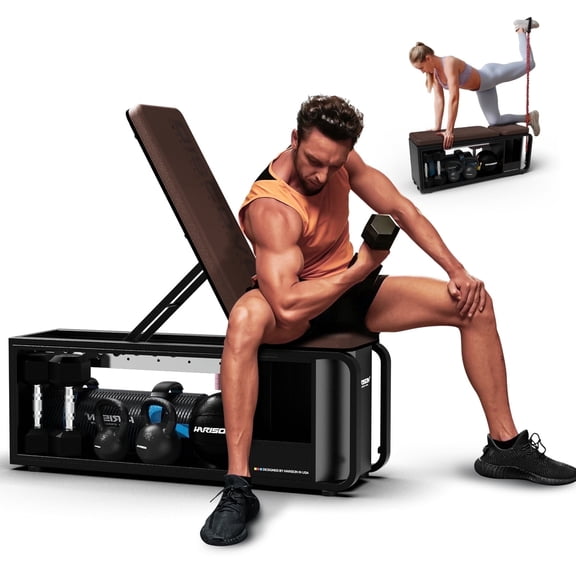
If your room does double duty, a folding incline bench can make everyday setup easier. You can train, fold it down, and clear your space for other equipment.
How adjustability affects your workouts
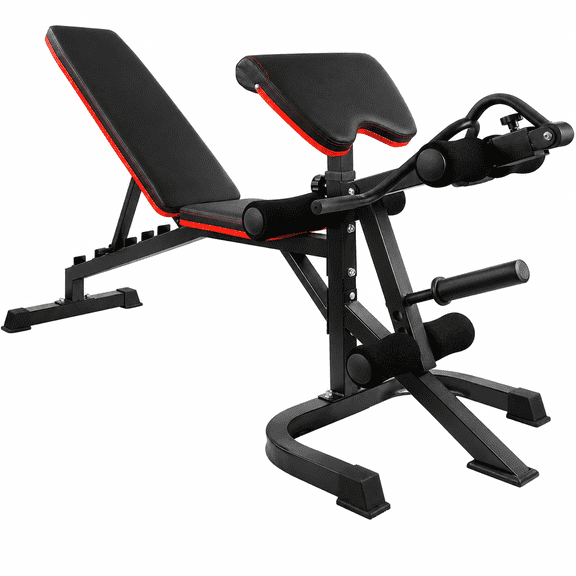
You should check whether the bench offers incline only or flat incline decline, often called FID. That choice affects how many pressing, rowing, and core movements you can do on one workout bench.
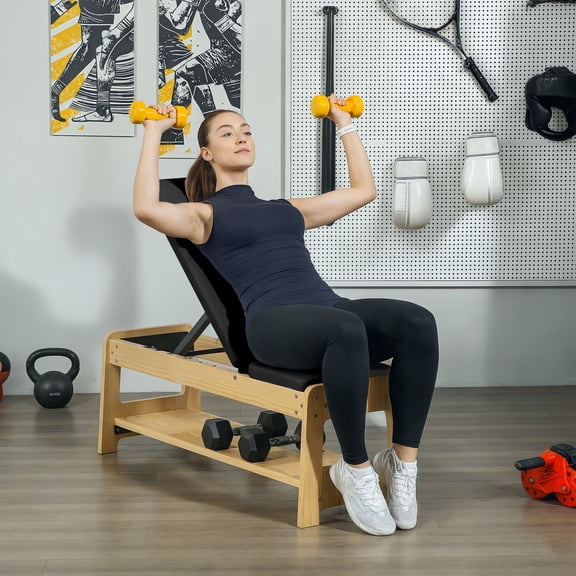
With an incline-only design, you can focus on upper-body movements that need elevated back support. You’ll often prefer this style when your training centers on dumbbell presses and shoulder sessions.
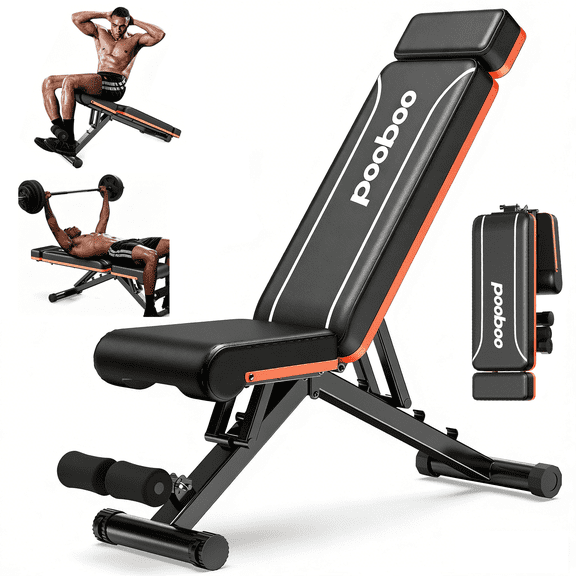
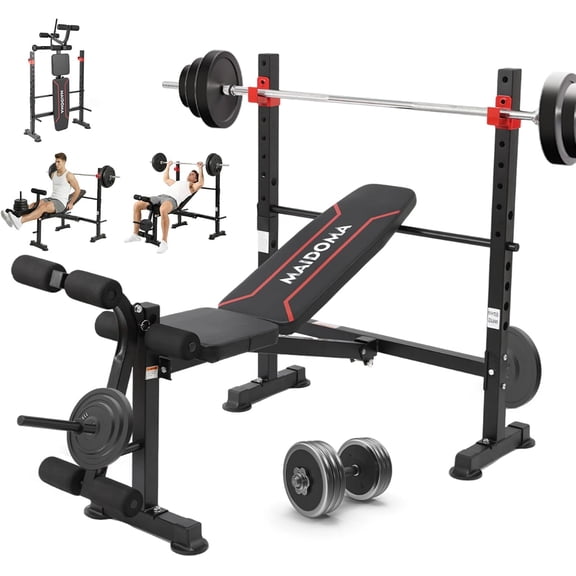
With a flat incline decline bench, you can cover more exercise angles in one piece. You can move from flat presses to incline work and decline variations with fewer equipment swaps.
- You can expand exercise variety with multiple back pad angles.
- You can match bench positions to dumbbell workouts, chest days, and shoulder training.
- You can choose folding designs when your home gym needs faster storage.
- You can simplify repeat training with fixed models that keep one consistent angle.
What to look for in an adjustable incline bench
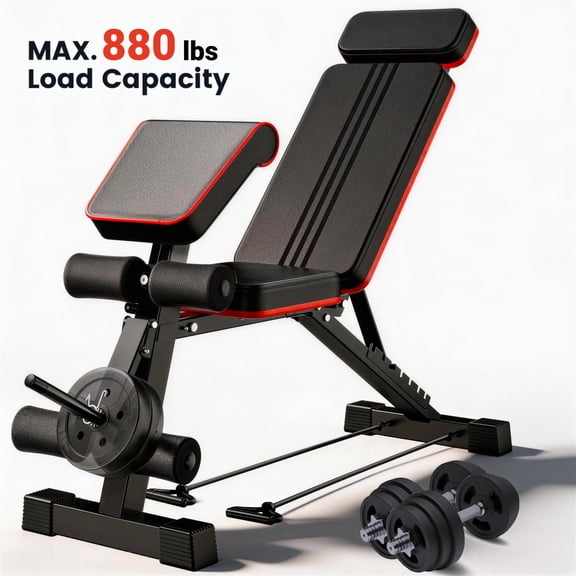
You should measure weight capacity before you compare anything else. You’ll want a bench that supports your body weight plus the load you plan to lift.
You may see capacities like 300 lbs, 500 lbs, 800 lbs, or 1000 lbs. You should generally move higher when you want heavier dumbbell sessions or commercial strength use.
Steel gauge matters because you want the frame to feel steady through presses and rows. You’ll notice stronger construction helps the bench feel more planted during repeated sets.
Padding thickness also deserves attention because you need support through longer sessions. You’ll want upholstery that feels firm enough for pressing and durable enough for regular use.
Seat and back pad adjustments can change how comfortable each movement feels. You should look for settings that help your hips, shoulders, and back stay aligned through different angles.
Assembly details matter when you want faster setup in your training area. You should check the frame style, transport wheels, and folded dimensions before you choose.
Matching weight capacity and design to your space
You should think about where the bench will live before you pick a frame size. You’ll want enough clearance for dumbbells, arm movement, and easy entry from both sides.
For a home gym, you may prefer a compact adjustable incline bench with transport wheels. You can move it beside a rack, then roll it away after your session.
For commercial strength spaces, you may need a heavier frame and higher weight limit. You’ll usually want wider bases and thicker steel when the bench sees frequent, loaded use.
If your plan centers on dumbbell workouts, you should prioritize quick angle changes and stable padding. You can move from incline flyes to seated presses without interrupting your pace.
When your room is tight, folding models can make storage much easier. You’ll appreciate designs that reduce the footprint without removing the main functions you use daily.
Using an incline weight bench for common routines
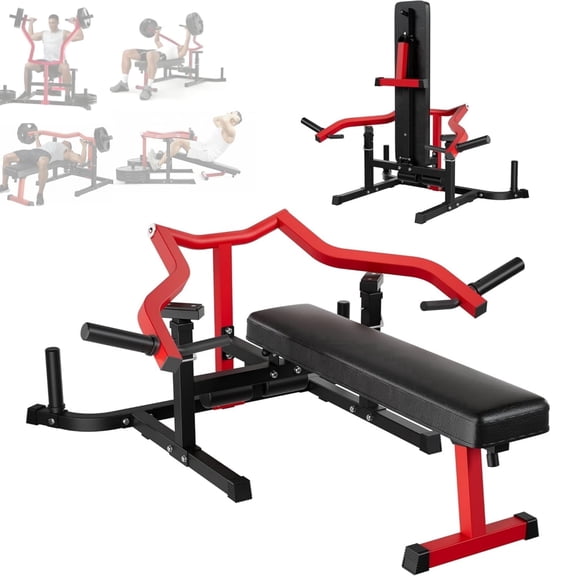
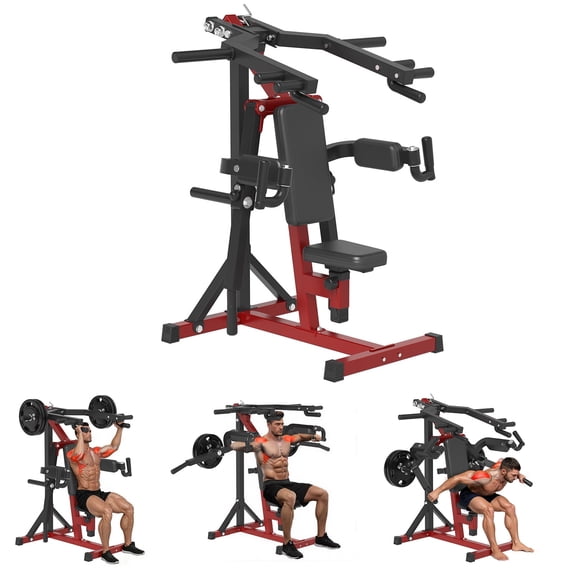
You can use an incline press bench for chest training that needs an elevated torso position. You’ll also use it for shoulder presses, concentration curls, and supported rows.
On upper-body days, you can pair your bench with dumbbells or barbells for structured sets. You’ll get more position options than you would with a single flat setup.
For mixed training, an adjustable incline bench helps you switch between pressing and accessory work quickly. You can keep one station active for chest, shoulders, arms, and some core movements.
If you’re building a compact home gym bench setup, you should compare folded size and carry features. You’ll want storage convenience without giving up the angle range you actually use.
For shoppers choosing between FID and incline-only benches, your routine should guide the choice. You can keep things simple with incline-only, or add decline and flat positions for broader programming.
Your bench choice is especially important when it matches your training load, floor space, and exercise mix. You’ll train with more consistency when your setup feels stable, comfortable, and easy to adjust.