










Power Saws in Power Tools









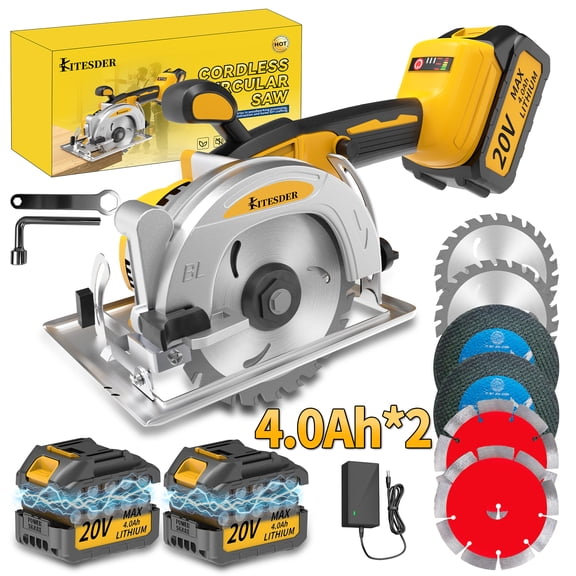


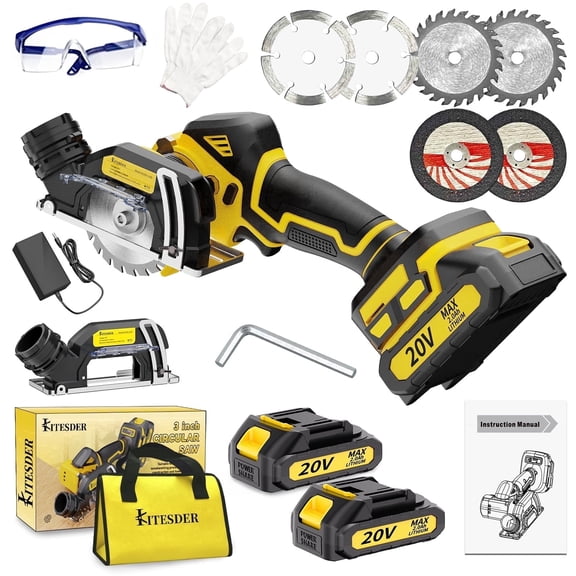


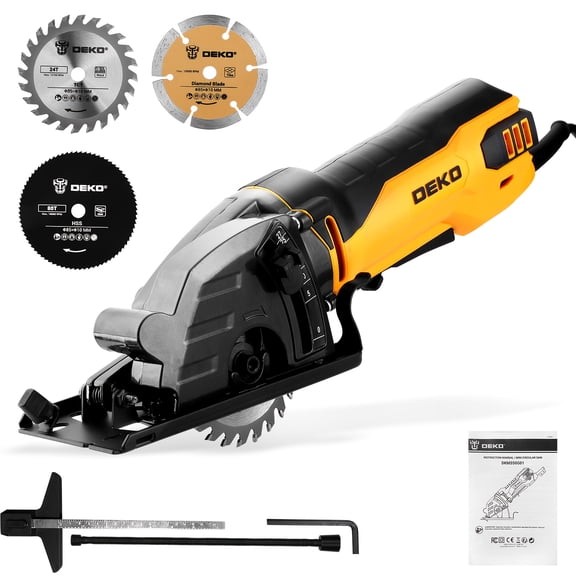








About Power Saws in Power Tools - Walmart.com
Power saws help you handle framing, trim work, demolition, and workshop projects with the cutting speed your tasks demand. You can compare saw types, power sources, and blade sizes in one place, so your choice fits your material and workflow.
Choosing power saws by saw type
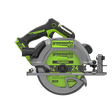
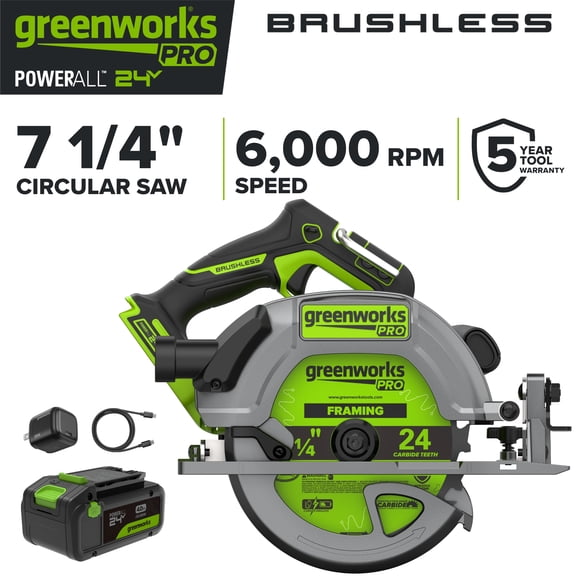
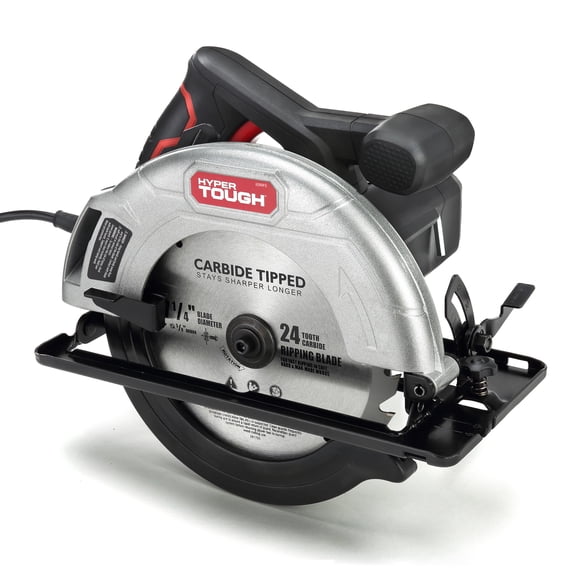
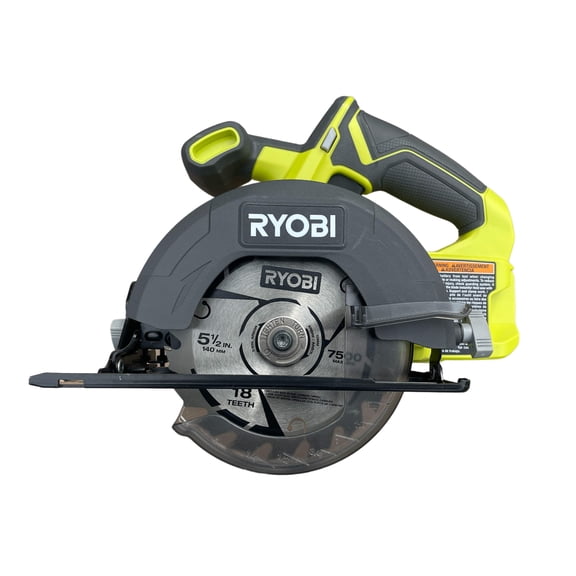
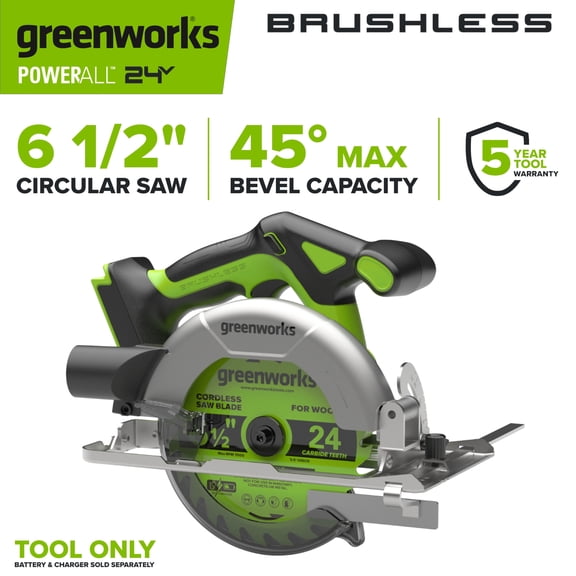
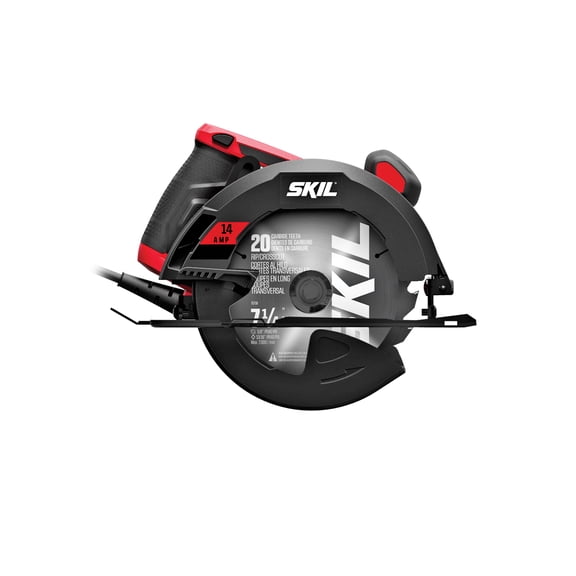
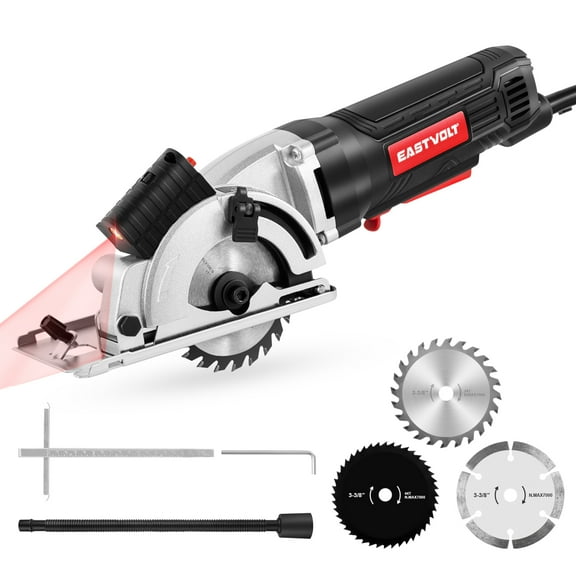
You should start with saw type, because each design matches a specific cut style. You can usually choose circular saws for long straight cuts and sheet goods that need steady guidance.
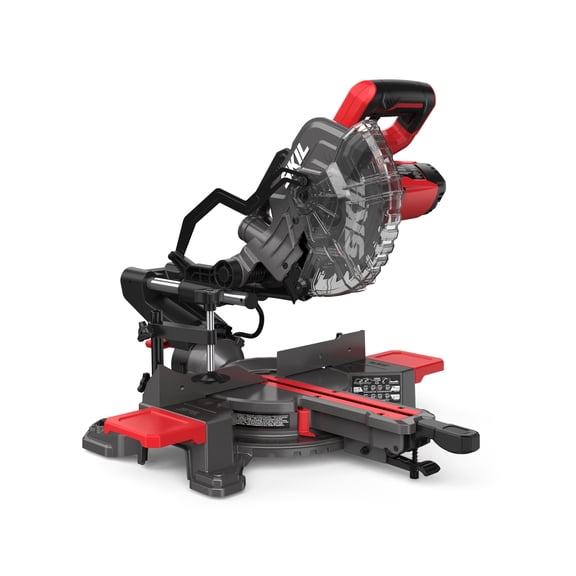
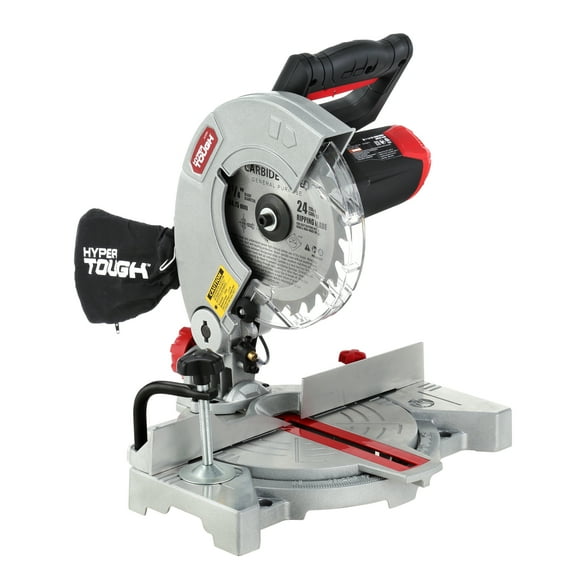
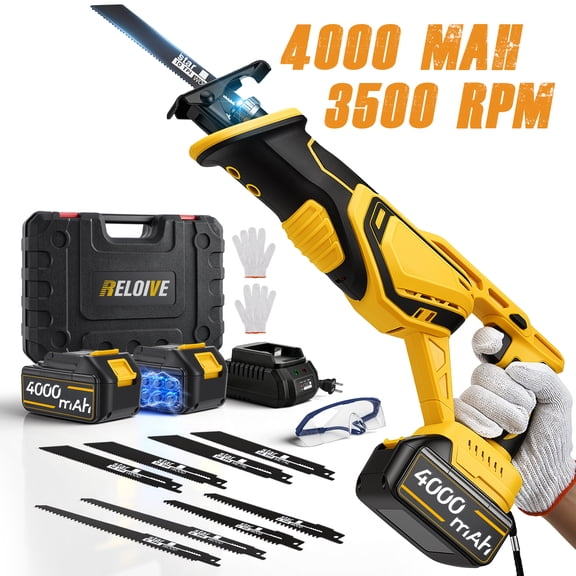
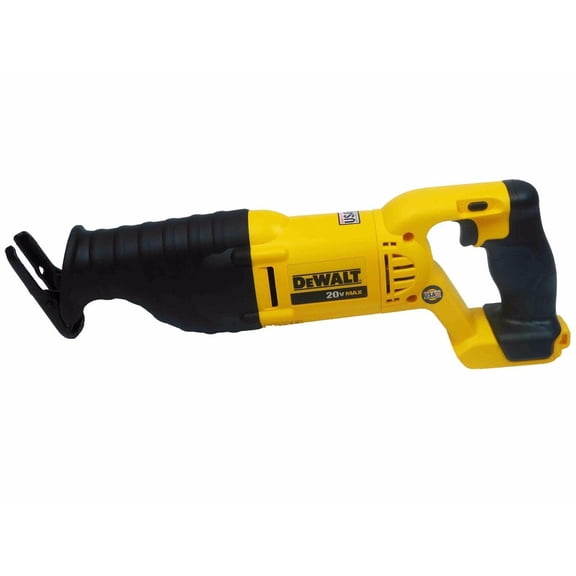
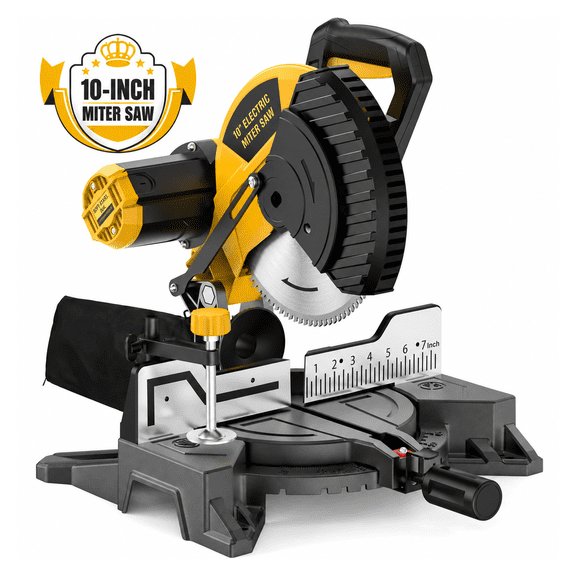
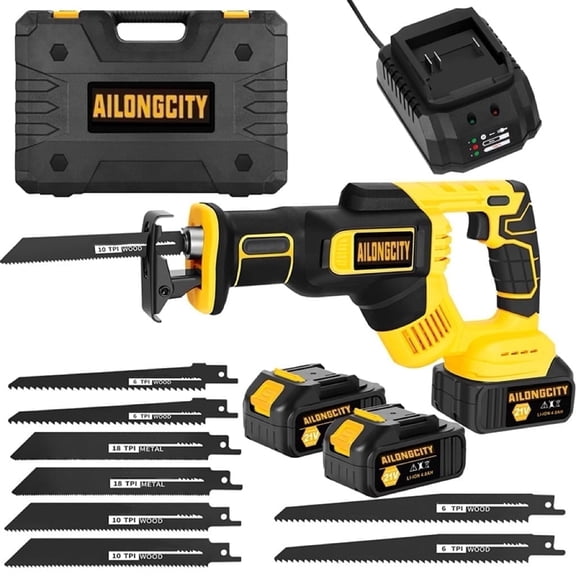
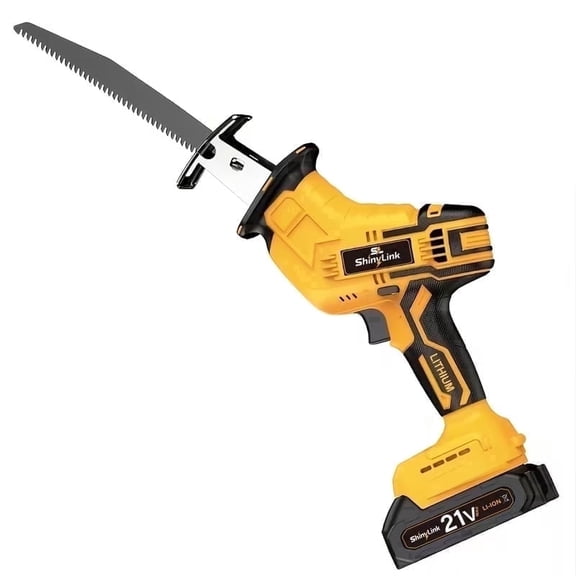
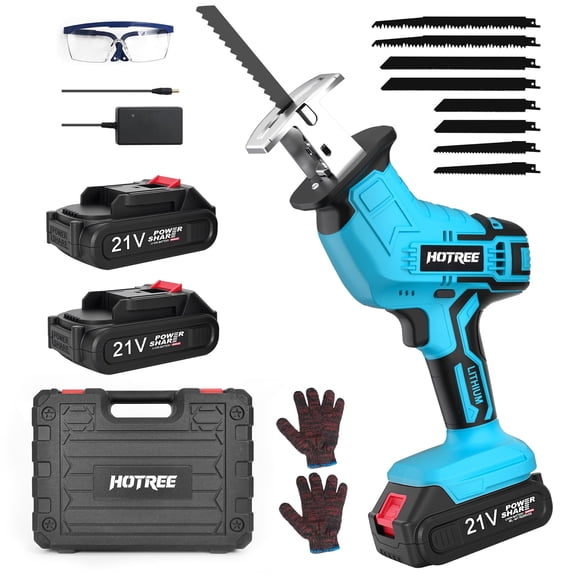
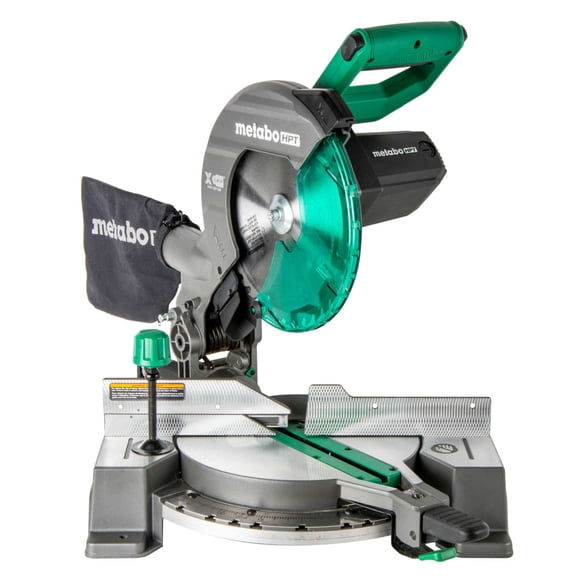
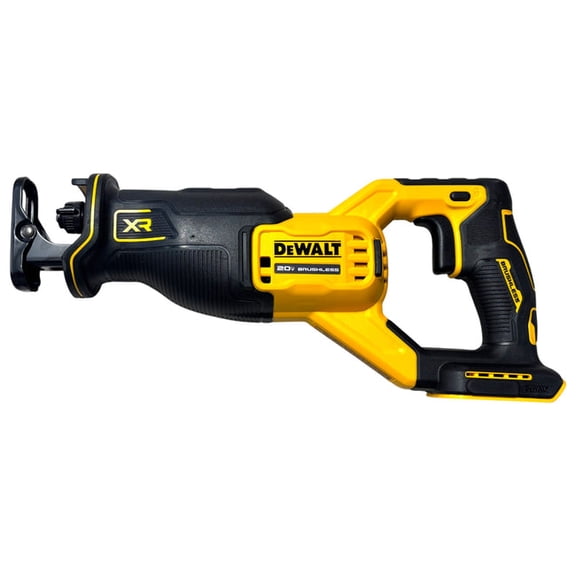
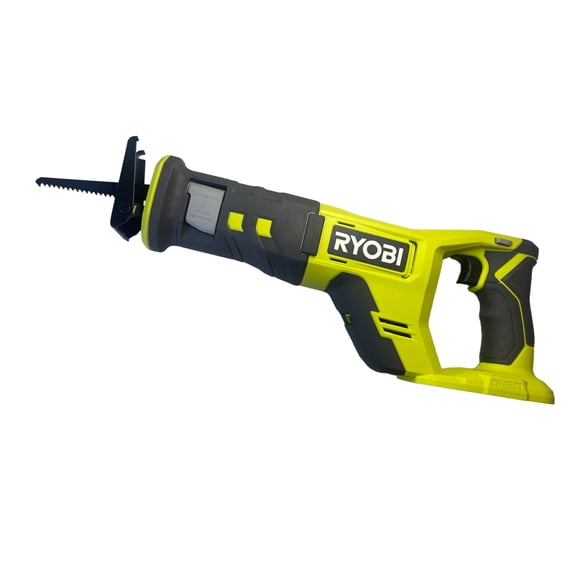
If you need accurate angles, you should consider a miter saw for crosscuts, bevels, and repeat trim pieces. When you need rough tear-out work, you may find reciprocating saws useful for fast demolition cuts.
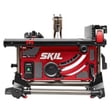
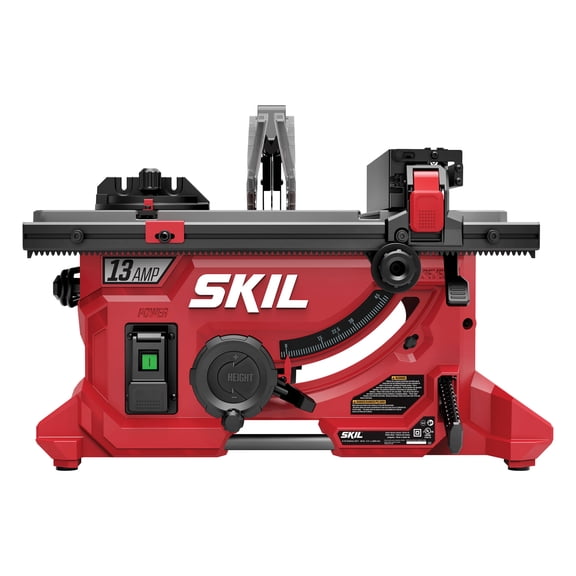
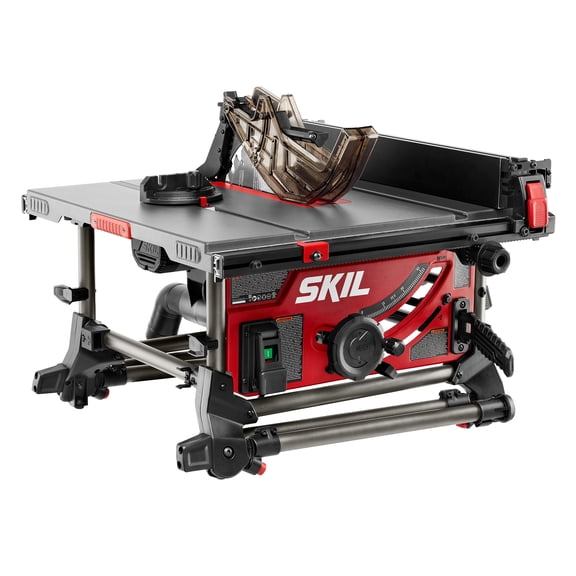
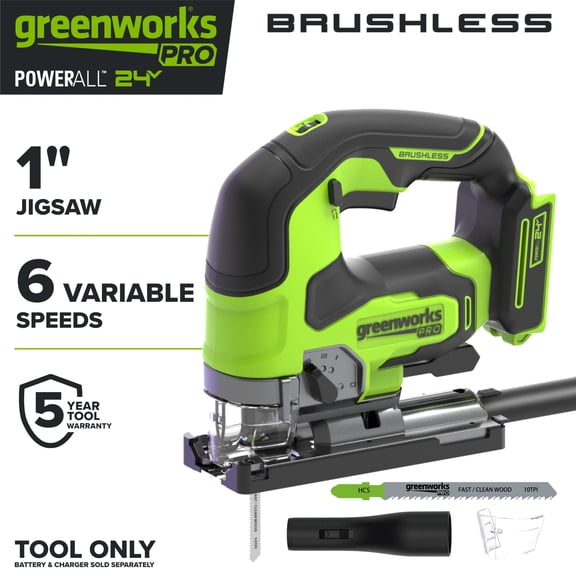
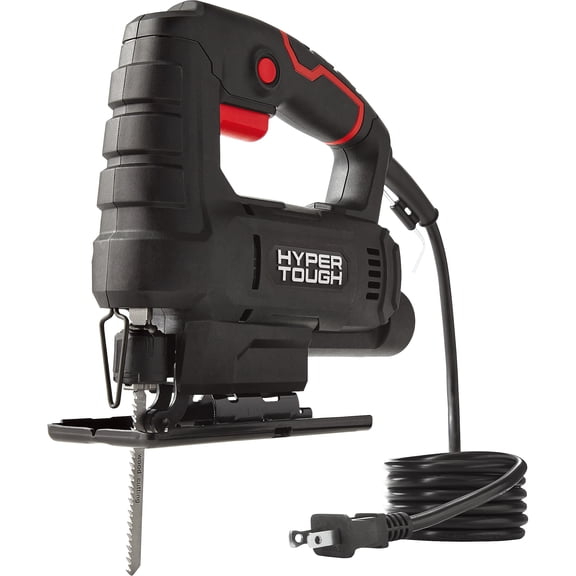
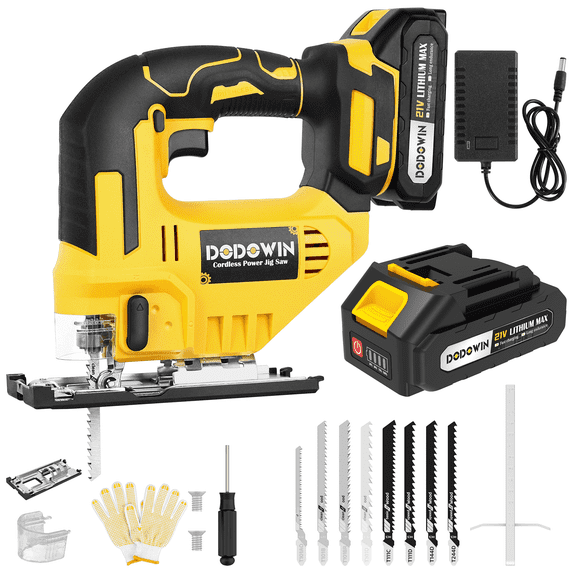
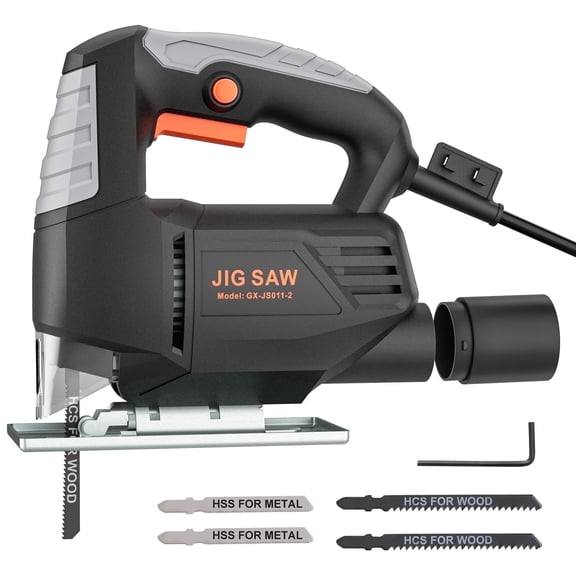
For curves and detailed shapes, you should look at a jig saw that gives your hands more control around corners. If your setup stays in a workshop, you may compare table saws for ripping boards and repeat fence-guided cuts.
Comparing cordless power saws and corded options
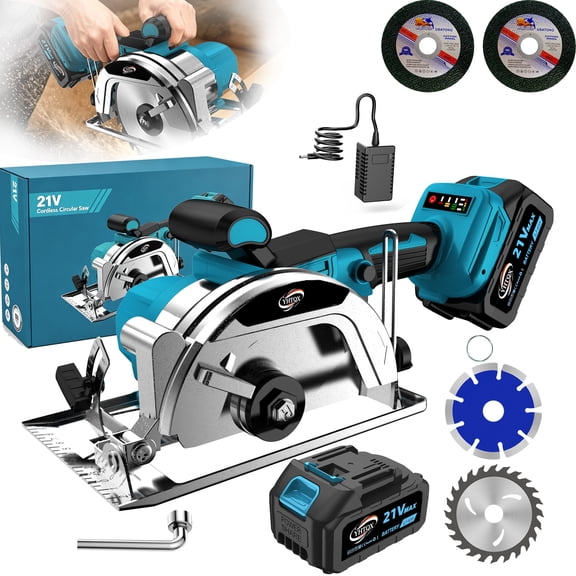
You should compare power source next, because it affects mobility, runtime, and where you can work. Cordless power saws let you move across roofs, yards, and unfinished spaces without managing a cord.
If you already use 18V or 20V battery systems, you should check platform compatibility before you choose. You may often notice brushless motors run efficiently and support longer work sessions on the same battery pack.
When you need steady output for long cuts, you may prefer corded electric models with continuous power. If you work far from outlets, you might also compare gas-powered saws for outdoor cutting tasks.
How to compare electric hand saws, blades, and materials
You should match your saw and blade to the material, because wood, metal, and masonry cut differently. Electric hand saws can give you direct control when you need handheld cutting across different work areas.
When you compare blades, you should check tooth count or TPI, which means teeth per inch. Higher counts usually give you cleaner finishes, while lower counts help you remove material faster.
You should also confirm blade diameter, because size affects depth of cut and saw compatibility. Common options like 7-1/4 inch, 10 inch, and 12 inch blades fit different circular and miter saw setups.
- You can choose circular saws for framing lumber and plywood cuts.
- You can use miter saws for trim, molding, and angle cuts.
- You can pick reciprocating saws for demolition, remodeling, and rough openings.
- You can use jig saws for curves, cutouts, and detailed woodworking.
- You should match blade teeth and material type for cleaner results.
How features shape your power saws decision
You should compare motor and handling features, because they influence control during repeated cuts. A balanced grip, clear sightline, and manageable weight can help you guide the saw with more confidence.
If you’re reviewing portable power saws, you should check whether the tool fits your transport and storage routine. You may want compact designs for ladders and jobsite movement, while larger setups suit fixed benches.
You should also review bevel capacity, fence design, shoe adjustment, and dust collection support where available. Those details can affect how easily you set angles, follow lines, and keep your workspace clearer.
Matching applications to the right setup
You should match your setup to the job, so your saw supports the cuts you make most often. For woodworking, you may want cleaner finishes, stable guides, and blades suited for visible edges.
If you handle metal cutting, you should verify material compatibility and blade style before you begin. For masonry work, you may compare saws and blades designed for abrasive materials and tougher cutting surfaces.
When you plan demolition, you may usually want reach, mobility, and fast blade changes for mixed materials. If your projects move from room to room, portable power saws can simplify transport between work areas.
You may also choose by project pace, because occasional DIY tasks and daily jobsite work need different setups. A cordless model suits quick home projects, while a corded model supports longer sessions without battery swaps.
You can make a smarter choice when you compare saw type, power source, application, and blade diameter together. That approach helps you find power saws that match your material, your workspace, and the cuts you need every time.