



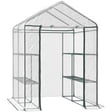


Greenhouses in Garden Center
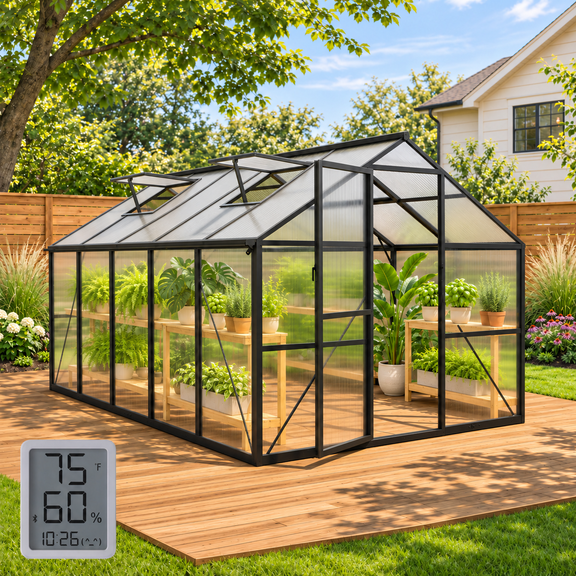


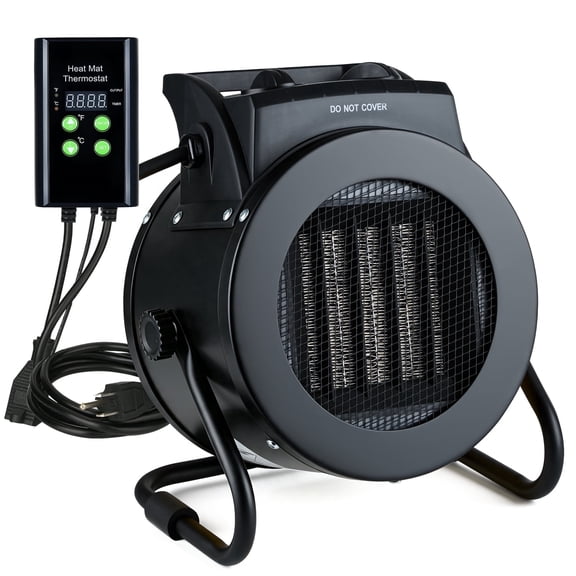


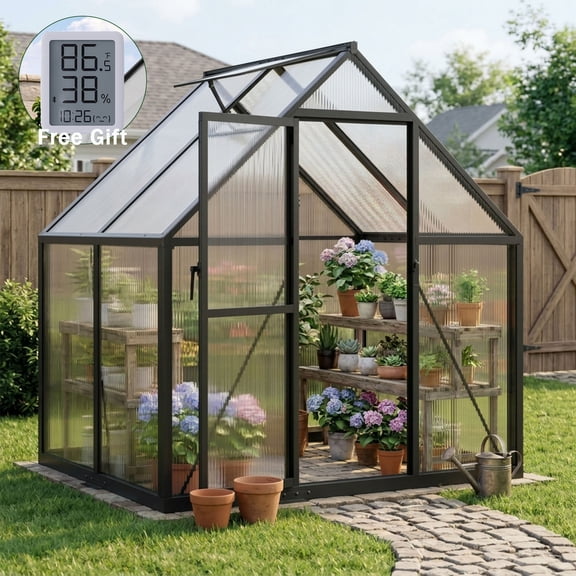











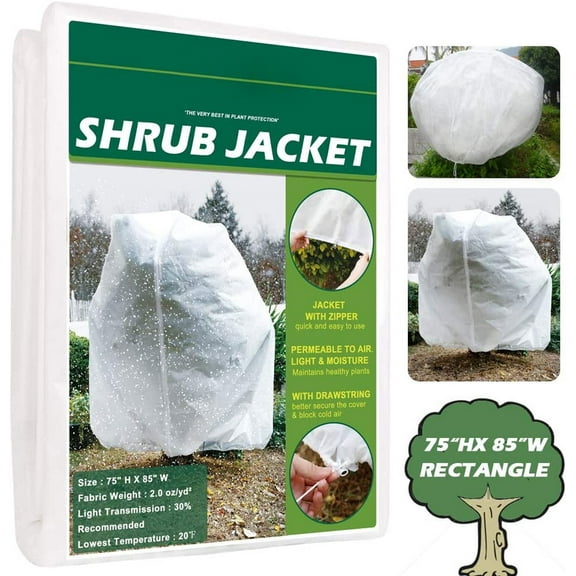
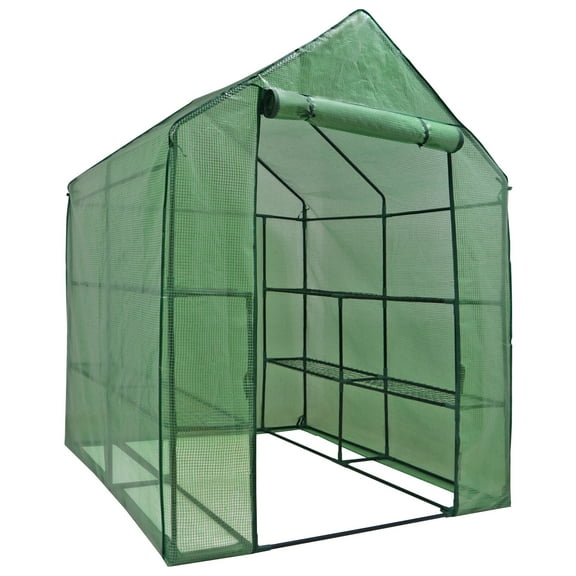
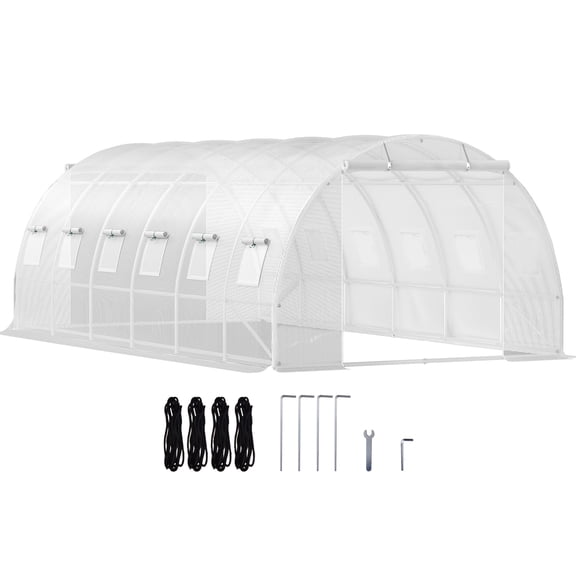

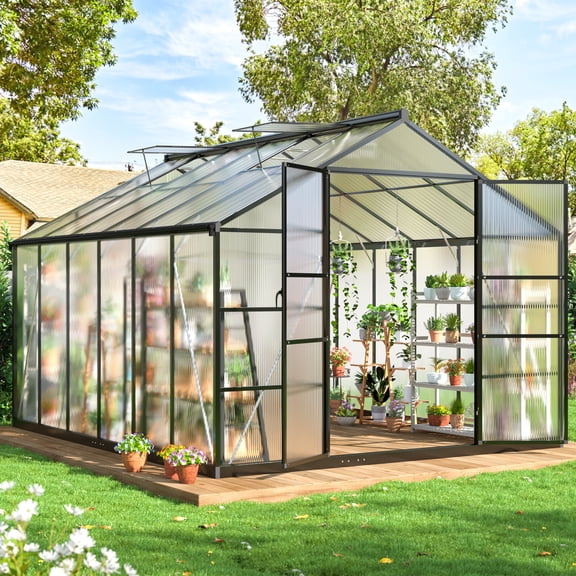


About Greenhouses in Garden Center - Walmart.com
Greenhouses help you extend your growing season, protect tender plants, and organize your backyard setup with more control over light, airflow, and shelter. When you compare greenhouse kits for outdoor use, you can narrow your choice by frame strength, panel type, size, and assembly needs.
How to choose greenhouses for your space
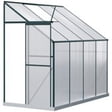
You should start by measuring your yard, patio, or garden path before you compare footprints. If you have a narrow area, you may prefer lean-to designs that sit neatly against an exterior wall.
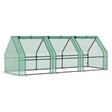
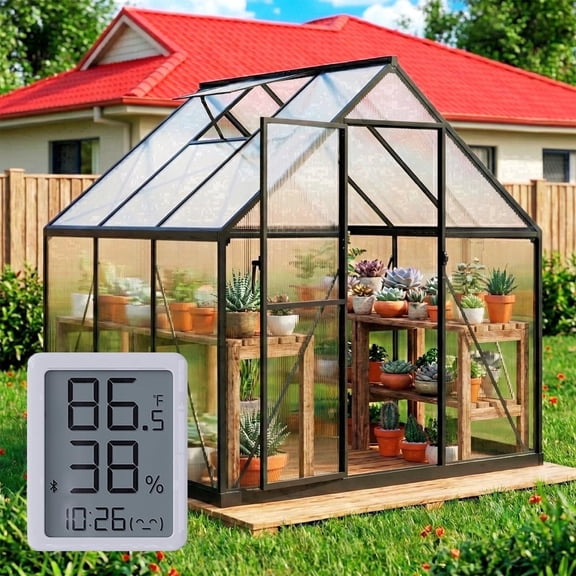
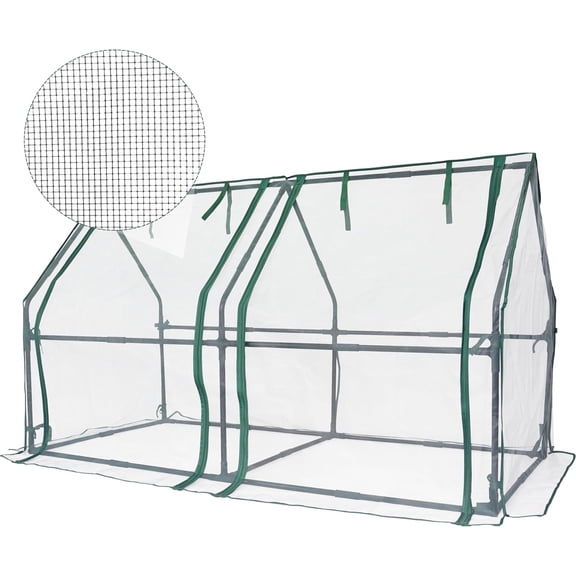
You'll also want to match the structure to your gardening goals before you choose a model. If you start seedlings or protect potted herbs, mini greenhouses may fit your routine without taking much room.
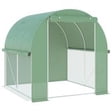
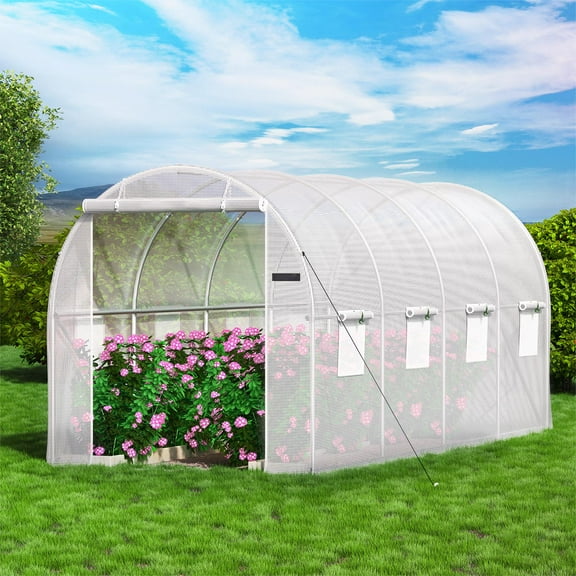
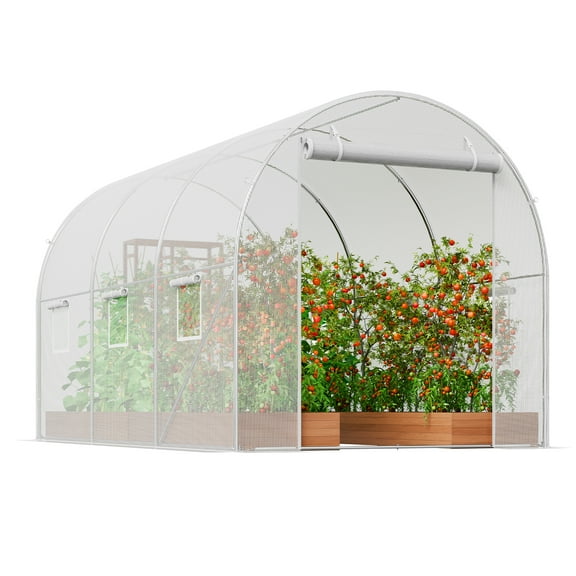
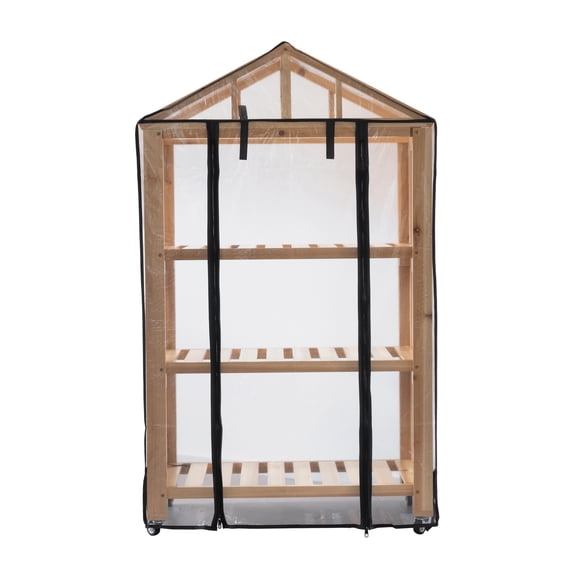
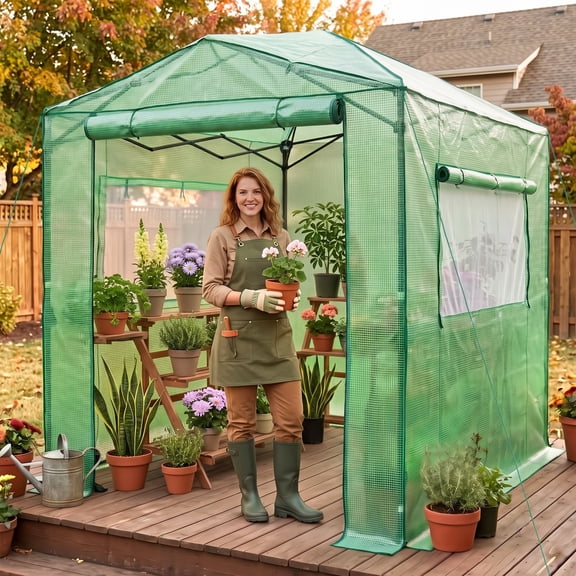
When you want more standing room, walk-in greenhouses give you space for shelves, benches, and daily plant checks. If you move seasonally or garden in changing spots, portable greenhouses can suit your layout.
Choosing greenhouse kits by frame material
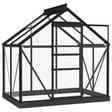
You can use frame material as a quick guide to strength, upkeep, and overall weight. Aluminum frames usually feel lighter, while steel frames often give you a sturdier feel in larger outdoor greenhouses.
If you want a classic garden look, wood frames can blend into landscaped yards and raised bed areas. If you want lighter handling for temporary setups, plastic frames can work for smaller hobby gardening needs.
You should also compare wind rating in miles per hour when you review greenhouse kits. That number helps you understand how the structure is designed to handle breezy open-yard conditions.
- You can look for aluminum when you want lighter handling and simpler repositioning.
- You can consider steel when you want added structure for larger walk-in greenhouses.
- You can choose wood when your outdoor setup calls for a natural garden look.
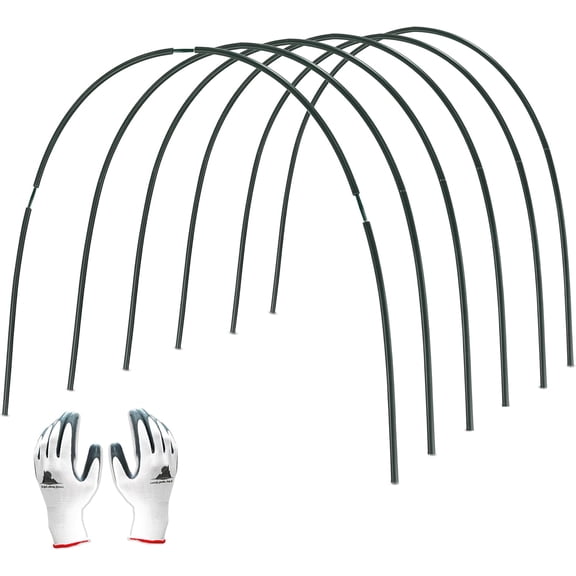
- You can review plastic frames when your focus is compact, portable coverage.
What to look for in panel type and insulation
You should compare panel materials because they affect warmth, brightness, and visibility. Polycarbonate panels can help you balance light transmission with more insulation than single-layer film covers.
If you want clearer views of your plants, glass panels can give you a clean look. If you want lighter materials for portable greenhouses, polyethylene covers can feel easier to handle during setup.
You may also see acrylic panels when you want a rigid option with a bright, clean appearance. When you compare double-wall polycarbonate with single-layer film, you usually get more temperature buffering from the thicker panel design.
You can use that insulation difference for year-round growing or plant overwintering in cooler months. You should still check how much sunlight your plants need, because light diffusion can vary by panel style.
Choosing size and type for daily use
You can narrow your options faster when you connect size with your gardening routine. Mini greenhouses work well when you want to start seeds, protect trays, or keep a few containers organized.
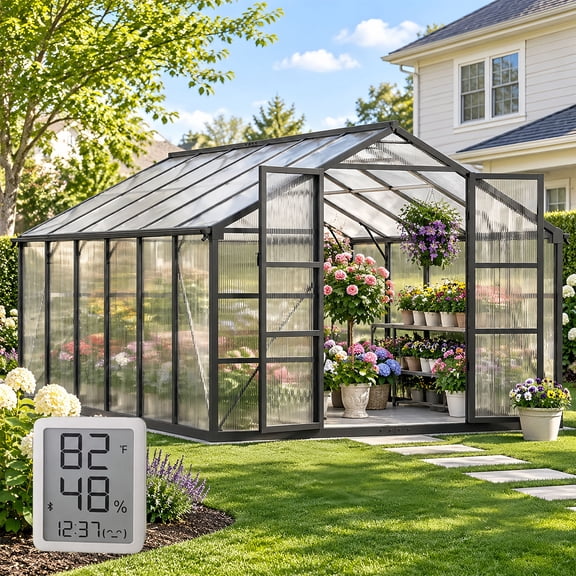
If you need room to move around, walk-in greenhouses let you reach shelves and watering tools more comfortably. Large structures can support expanded layouts when you manage more flats, pots, or climbing plants.
You may prefer lean-to styles when you want easier access from a house or garage wall. That layout can make outdoor greenhouses feel more integrated into your everyday backyard workflow.
How ventilation and climate control affect results
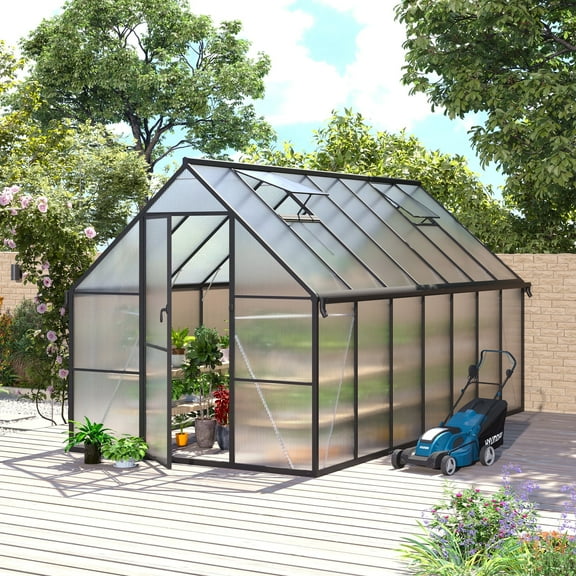
You should pay close attention to ventilation because heat can build quickly in bright conditions. Roof vents and louvered windows help you move warm air out and bring fresher air through.
If you plan to use your greenhouse through changing seasons, you should check how vents open and adjust. You'll want airflow options that support seed starting, hobby greenhouses, and plant overwintering without constant manual changes.
You can also compare door style and vent placement when you review walk-in greenhouses. Those details affect how easily you manage temperature swings during midday sun and cool evenings.
How to compare portability, setup, and foundation needs
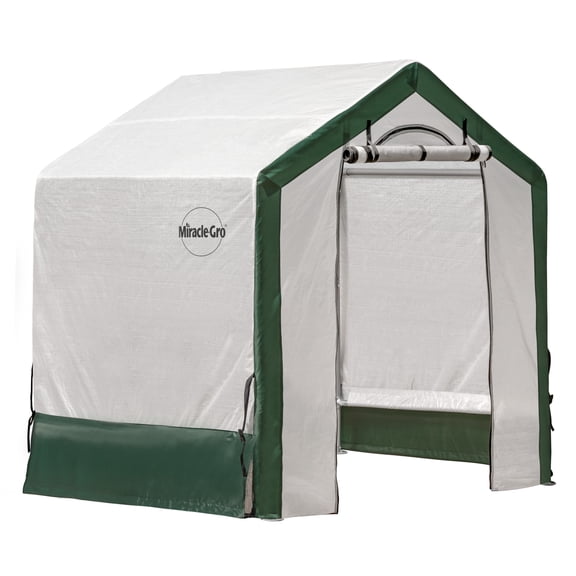
You should think about setup time before you choose between permanent, portable, and pop-up designs. Portable greenhouses can make sense when you want seasonal coverage or easier off-season storage.
If you prefer a more fixed structure, you should review anchoring and foundation expectations carefully. Some greenhouse kits work with a prepared base, while others may need a more involved foundation plan.
You can also compare panel count, frame connections, and door assembly before you commit. Those details help you judge whether your project feels like a quick weekend build or a longer backyard installation.
When you review snow load in pounds per square foot, you get another useful planning detail. That spec helps you compare which outdoor greenhouses align with your local weather patterns and intended use.
Matching greenhouses to your gardening goals
You can match hobby gardening with mini greenhouses or compact portable styles when you want a lighter setup. If you focus on seed starting, you may prefer shelving space, bright panels, and easy vent access.
For year-round growing, you should look closely at insulation, venting, and structure size before choosing. If you need plant overwintering space, walk-in greenhouses can give you more room for grouped containers and taller growth.
You may also pair your greenhouse with raised garden beds, gardening tools, and greenhouse accessories for a more organized routine. With the right combination of frame, panel, size, and airflow, you can create a setup that supports steadier growing conditions.