


Find auto parts that fit
Let’s search for parts that fit your vehicle.
Gooseneck Locks in Hitch Locks & Pins
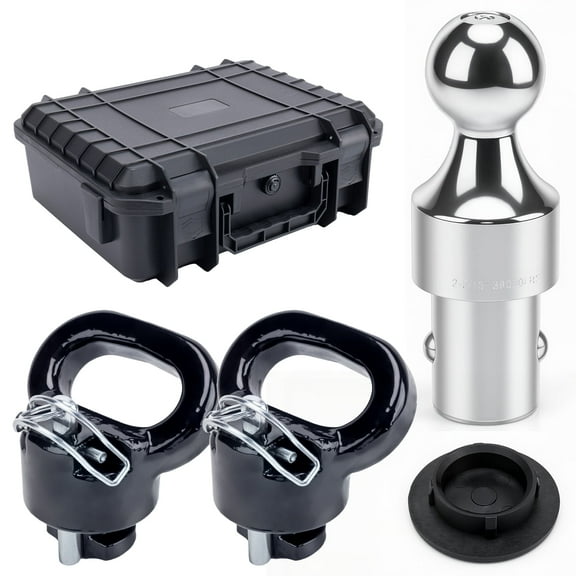

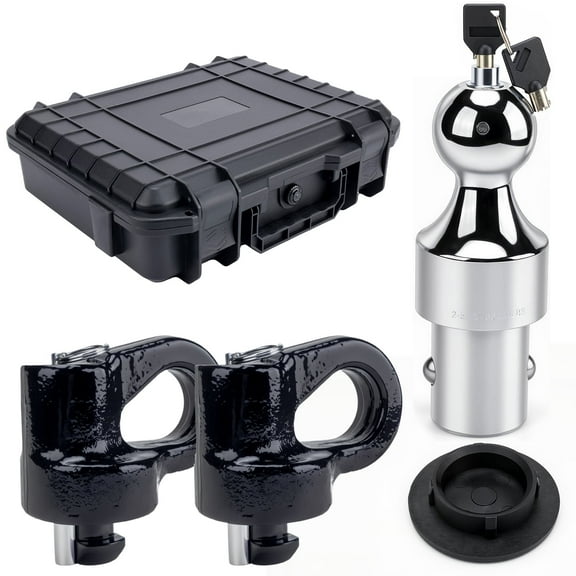

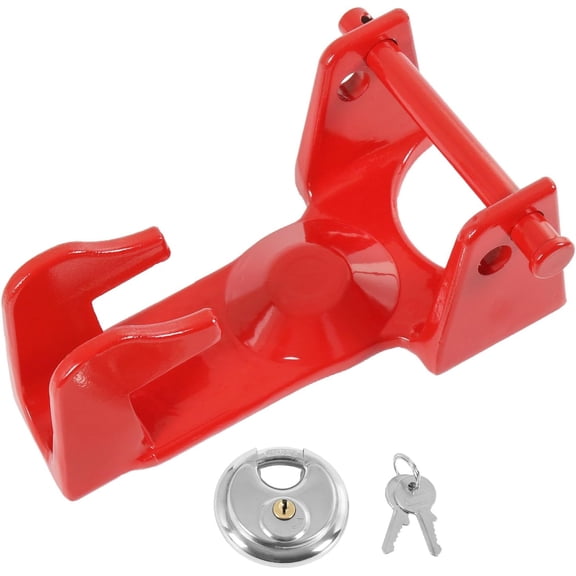









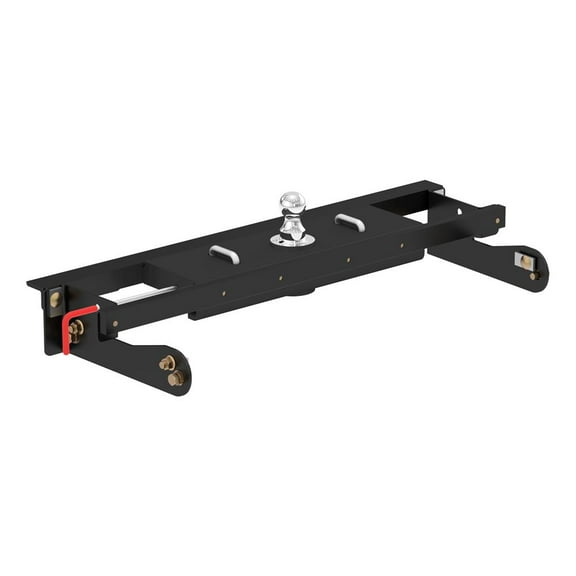
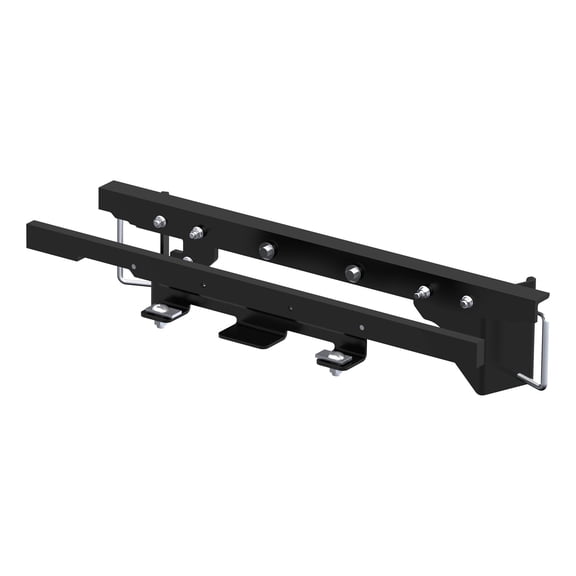
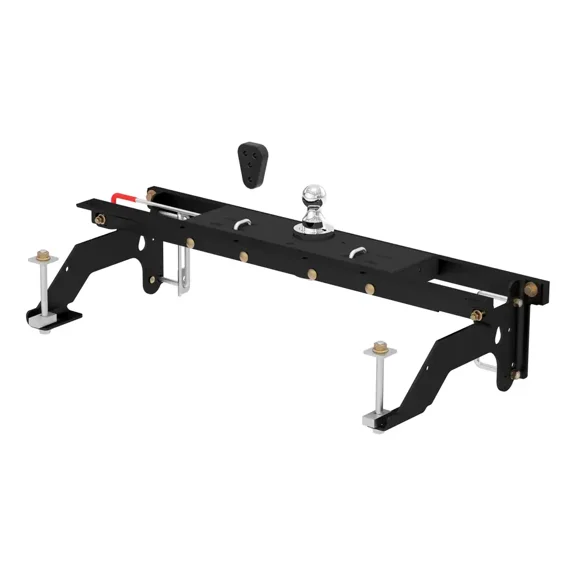


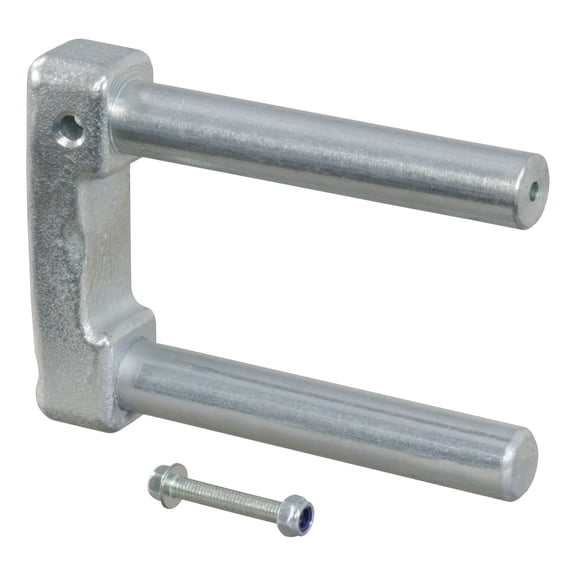


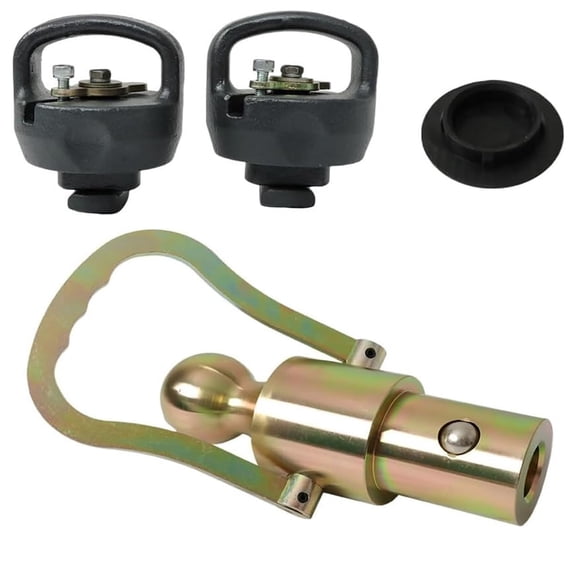

About Gooseneck Locks in Hitch Locks & Pins - Walmart.com
Gooseneck locks help you secure your trailer connection with fit-focused protection. You can compare coupler, pin, sleeve, and puck styles to match your hitch setup.
Choosing the right gooseneck locks
When you shop gooseneck trailer locks, you should start with lock type and coupler size. You’ll get a cleaner fit when you match the lock to your trailer’s exact opening and latch style.
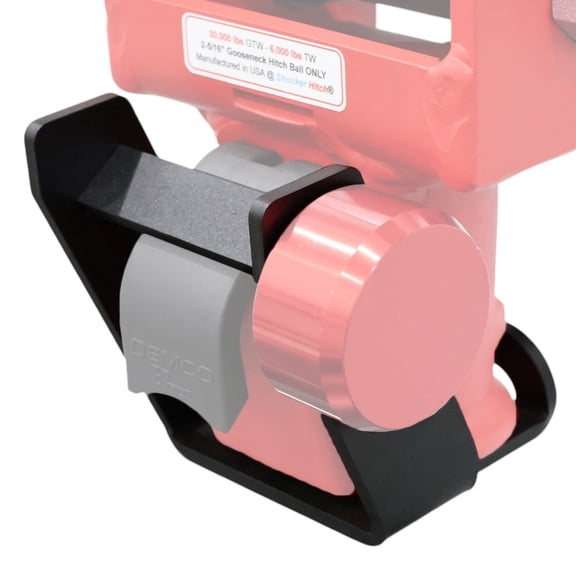
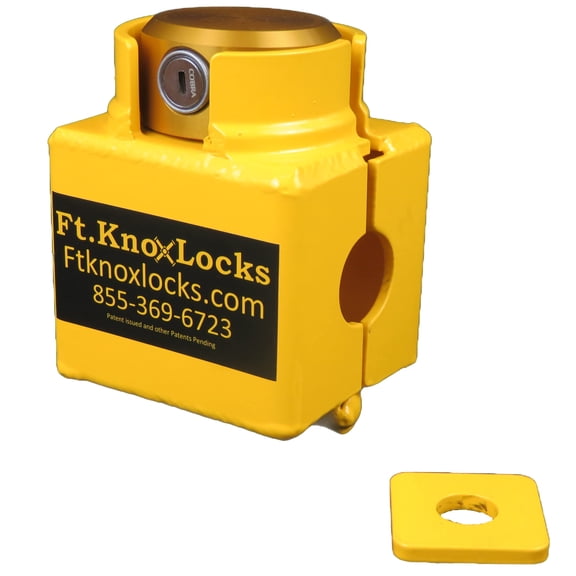
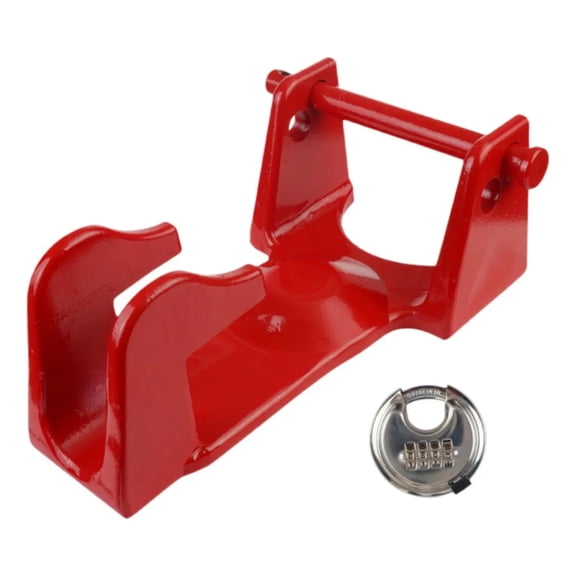
A gooseneck coupler lock usually covers or blocks the coupler opening to limit access. A gooseneck pin lock usually replaces a standard pin, so you can lock the latch in place.
If your trailer uses an inner tube design, you may need a gooseneck sleeve lock. If your setup uses a recessed opening, you may prefer a puck lock that reduces exposed shackle space.
You should also check whether your coupler is 2-5/16 inch, 3 inch, or universal fit. You’ll avoid returns when you measure the coupler diameter and compare the lock’s fit notes.
What to look for in lock type and fitment
You can narrow your options faster when you compare how each design secures the hitch. You’ll want a lock style that matches both the coupler shape and your parking routine.
- You may choose a coupler lock when you want the coupler opening blocked during storage.
- You may choose a pin lock when you want quicker latch access during repeated hookups.
- You may choose a sleeve lock when your gooseneck system uses a round stem or inner sleeve.
- You may choose a puck lock when you want a compact design with less exposed hardware.
Brand compatibility also matters when you compare gooseneck locks. You should check whether the lock fits Bulldog, B&W, or universal applications before you commit.
You’ll also want to compare key access and daily convenience. You may prefer keyed alike options or covered keyways when your trailer stays outdoors between trips.
Comparing materials in a heavy duty gooseneck lock
You can use material choice to judge how solid the lock feels in hand and in use. You’ll often see hardened steel, heavy-duty cast steel, or aluminum across this category.
Hardened steel can give you a dense build for frequent towing setups. Heavy-duty cast steel can give you thick body construction when you want a more substantial coupler barrier.
Aluminum can work well when you want lighter handling during installation and removal. You should still confirm the lock body shape, because material alone doesn’t determine fit.
You’ll also notice finishes and covered keyholes that support outdoor storage. You can look for smooth operation when your trailer sits in rain, dust, or changing temperatures.
How installation and key style affect daily use
You should think about how often you hitch and unhitch before choosing a design. You’ll notice that quick-pin styles support faster access, while full coupler covers may add more setup steps.
If you tow often, you may want a gooseneck pin lock with a straightforward insert-and-lock process. If you store a trailer for longer periods, you may prefer a fuller coupler coverage style.
You can also compare lock cylinders, key count, and weather caps. You’ll appreciate easier key entry when you unlock your trailer early, late, or during rough weather.
Some shoppers also look for a trailer hitch lock feel that’s simple to verify at a glance. You can benefit from visible engagement points that show when the lock is seated correctly.
Using gooseneck trailer locks for real towing setups
You may haul livestock, equipment, flatbeds, or utility trailers with a gooseneck connection. You’ll want fitment that lines up with your coupler size, latch design, and parking conditions.
If your trailer uses a 2-5/16 inch coupler, you should confirm that exact measurement in the listing. You’ll get more reliable fit guidance when the product details mention that coupler size clearly.
If your setup uses a 3 inch system or a sleeve-based design, you should compare shape details closely. You can avoid guesswork when you review pin placement, tube style, and clearance points.
You may also keep a trailer parked at a jobsite, storage area, or driveway between trips. You’ll likely want a heavy duty gooseneck lock with a compact shape that’s easy to install consistently.
For mixed fleets, you may lean toward universal options with broader compatibility notes. You should still verify dimensions, because universal fit can vary by coupler design and brand pattern.
When you choose carefully, you get a lock that matches your trailer instead of forcing a workaround. You’ll gain a more consistent hookup routine and clearer fit confidence every time.