

Tractor Forks in Tractor Bucket Attachments
























About Tractor Forks in Tractor Bucket Attachments - Walmart.com
Tractor forks help you move pallets, logs, brush, and feed with more control from your loader bucket. You can compare attachment style, fork length, and weight capacity before you choose the setup that fits your tractor.
How to choose tractor forks for your loader
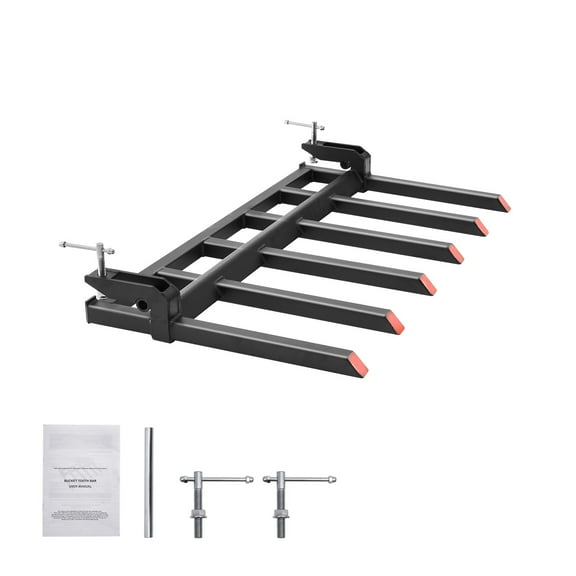
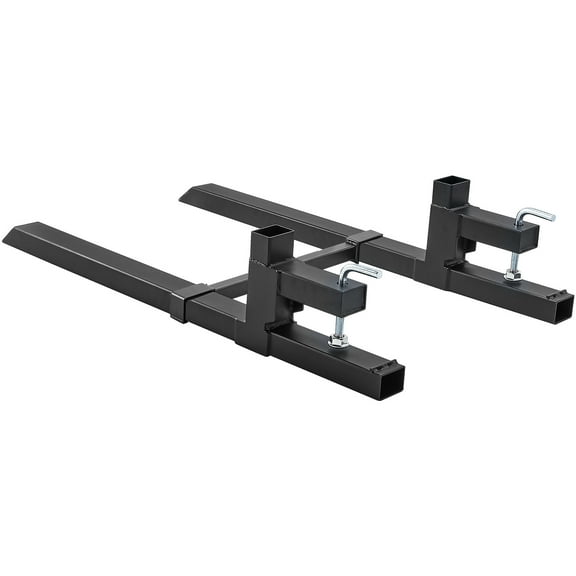
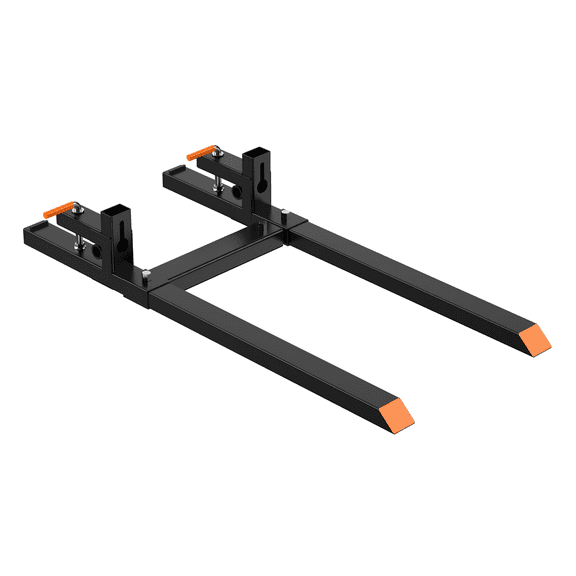
When you compare tractor forks, you should start with your bucket or carrier style. You’ll want to check whether you need clamp on tractor forks, a quick-attach plate, a pin-on setup, or skid steer compatibility.
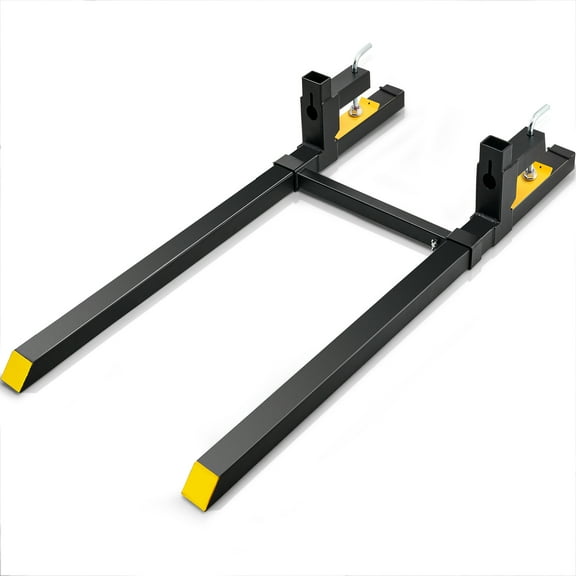
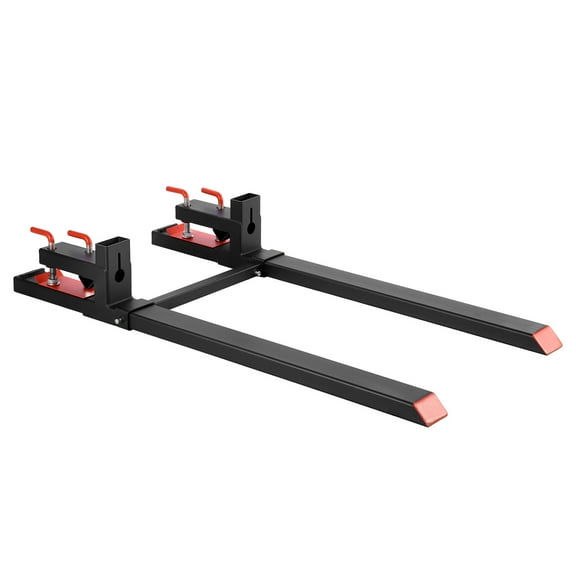
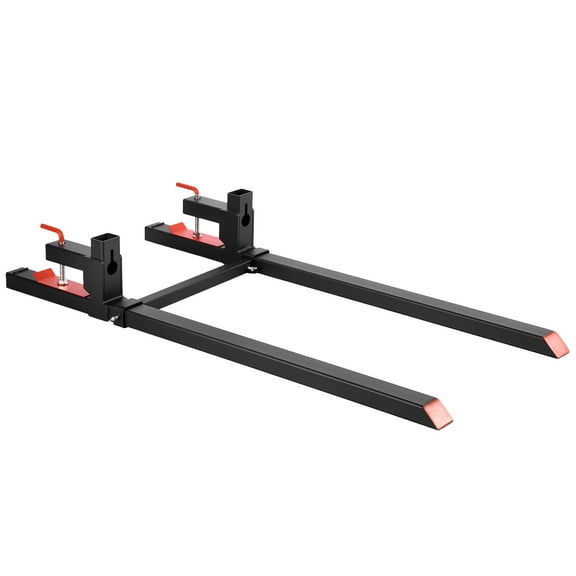
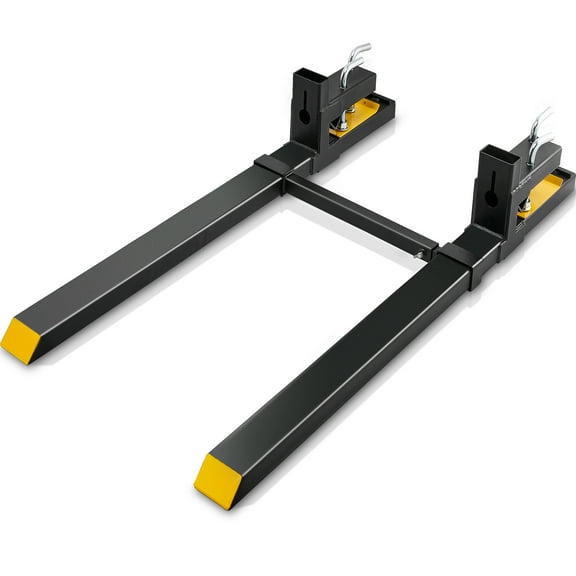
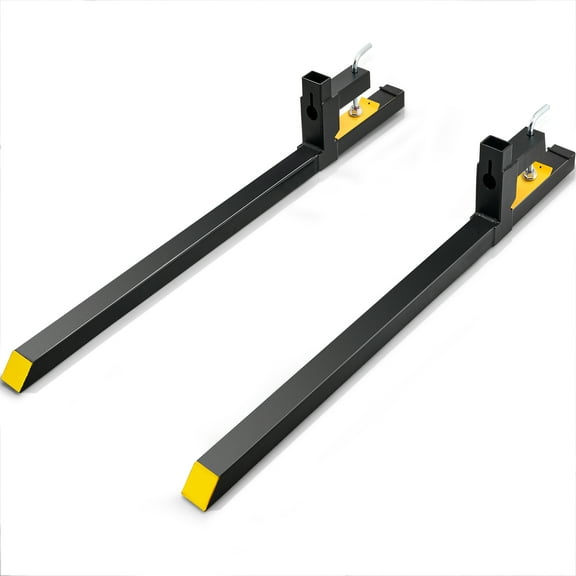
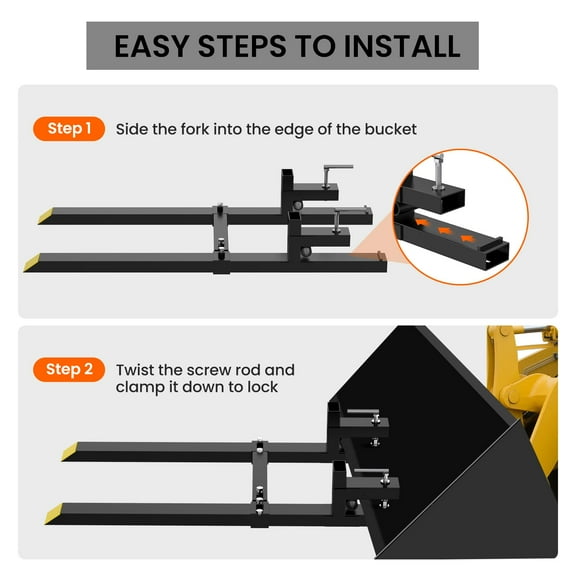
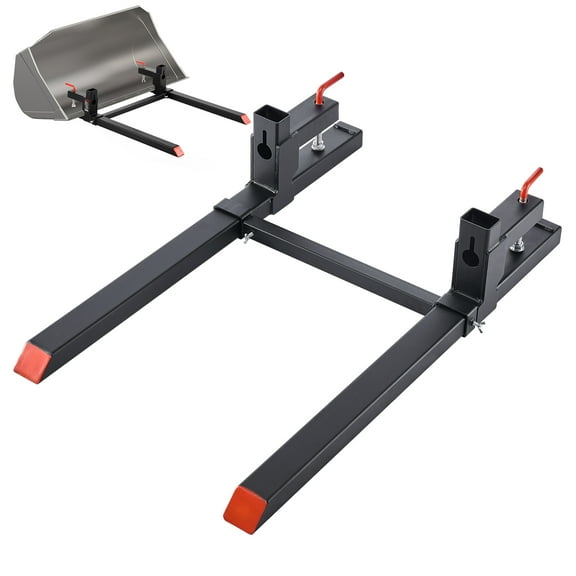
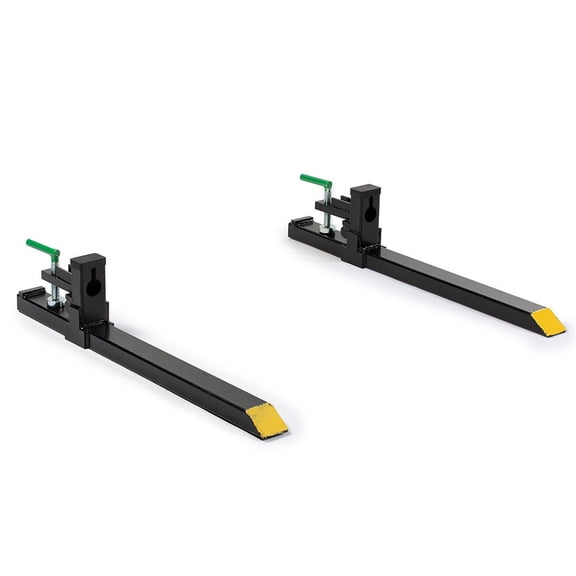
Clamp-on options usually fit a loader bucket and install with chain binders or screw clamps. Quick-attach styles connect faster, and you may prefer them when your tractor already uses a compatible carrier.
You should also measure your bucket lip thickness and bucket depth before you choose bucket forks for tractor use. Those dimensions help you confirm fit, clamp reach, and fork placement on your bucket edge.
Choosing attachment type and compatibility
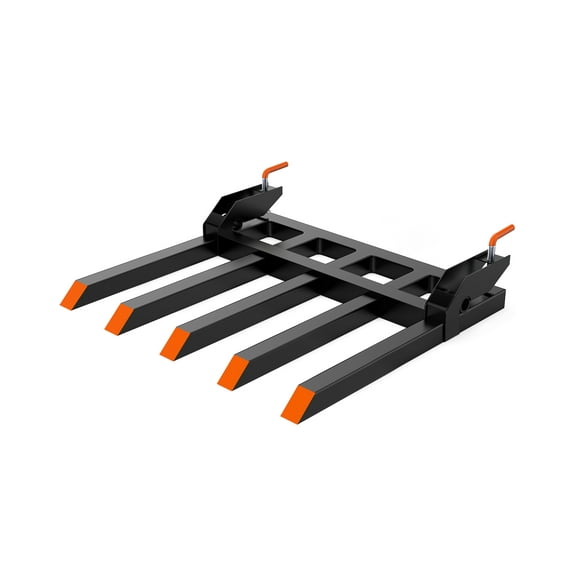
If you use a standard loader bucket, you may look first at tractor bucket forks that clamp onto the cutting edge. You’ll often appreciate that style when you want occasional lifting without changing your whole front attachment.
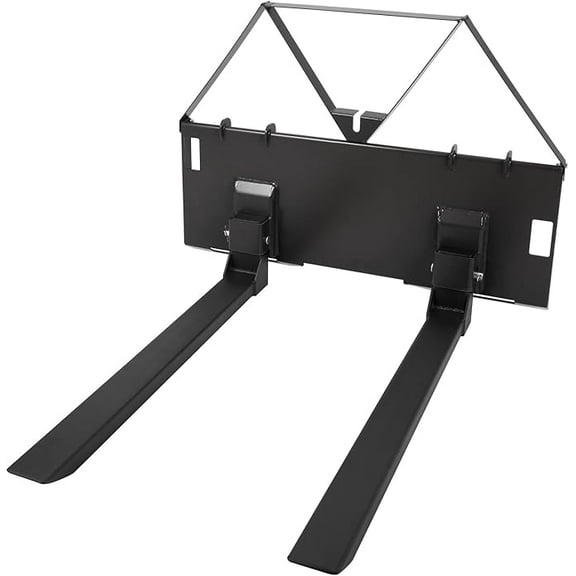
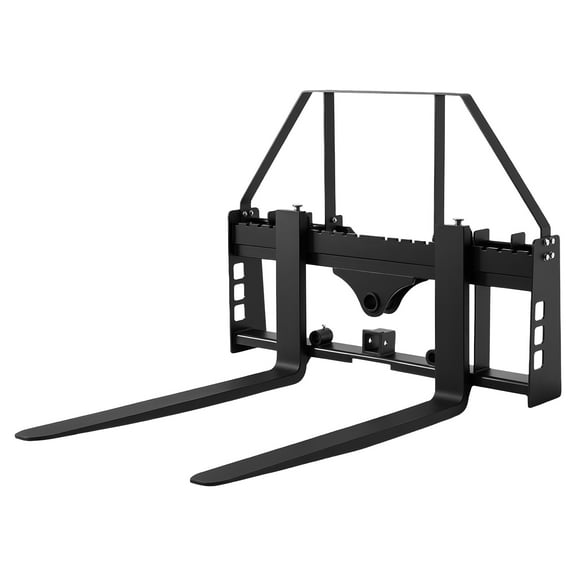
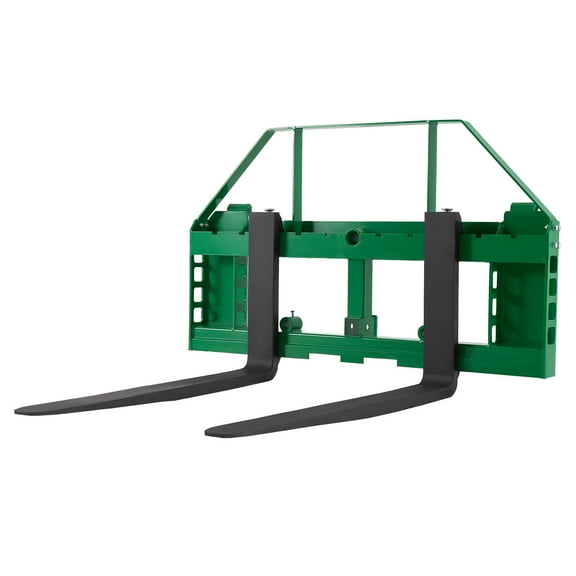
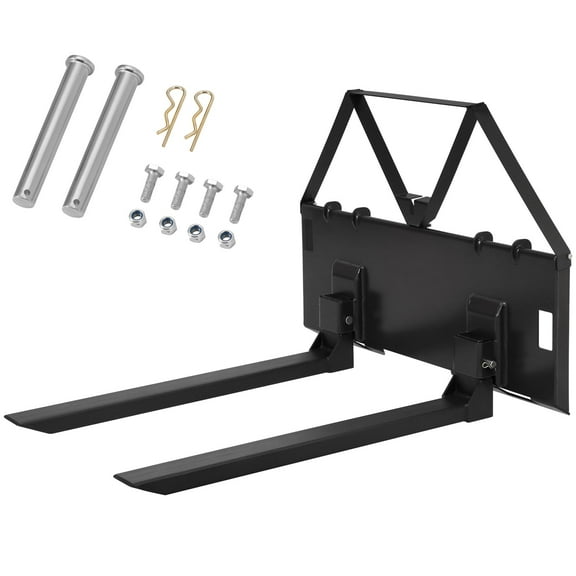
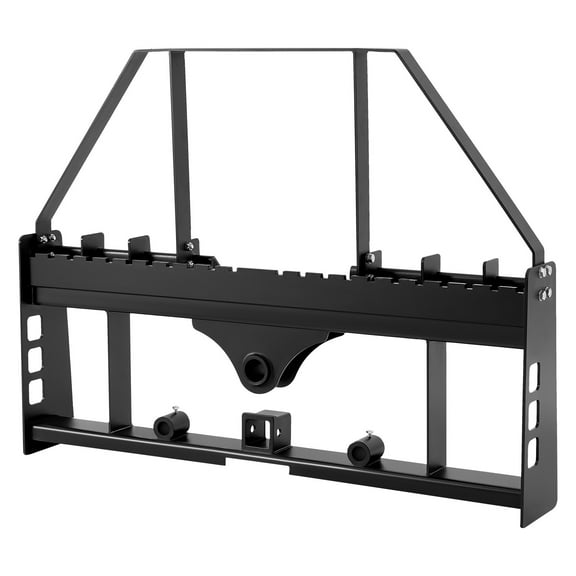
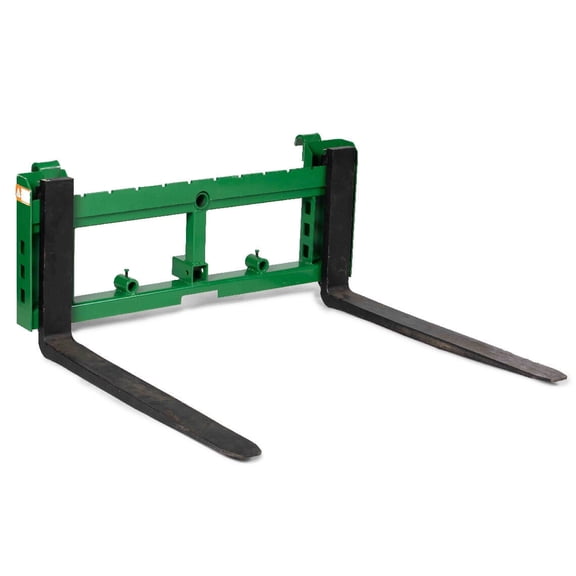
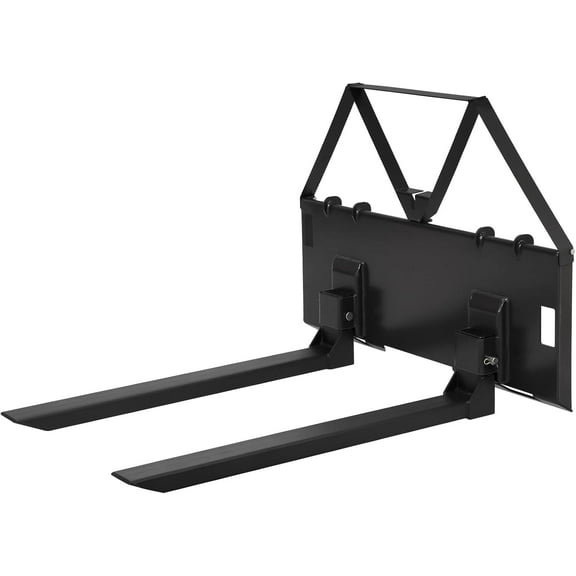
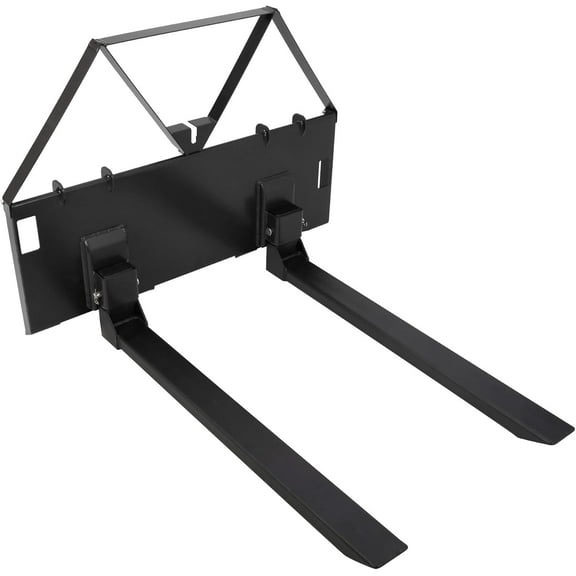
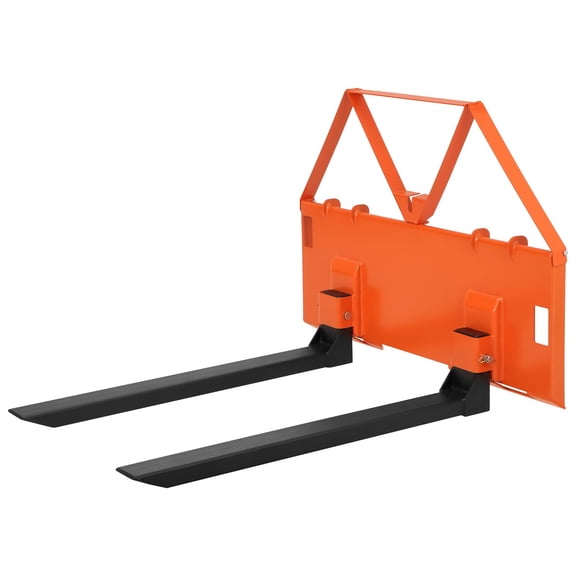
Quick-attach forks work well when you switch between buckets and forks during busy property work. You can line up the plate, lock it in place, and get a cleaner connection for repeated lifting tasks.
Pin-on and skid steer patterns matter when your tractor or loader follows a specific mounting system. You should compare the carrier design carefully, because the wrong interface won’t match your equipment.
- You can use clamp-on styles when your loader bucket is your main connection point.
- You can choose quick-attach forks when your tractor supports a matching mount plate.
- You can check skid steer loader compatibility when your machine shares that carrier pattern.
- You can confirm subcompact tractor fit when your machine has lower lift limits and a smaller bucket.
Matching weight capacity to your tractor pallet forks needs
You should compare weight capacity with your tractor’s actual lift limit, not just the heaviest fork rating. A 4000 lbs fork frame sounds strong, but your loader may lift much less at full height.
Many shoppers compare 1500 lbs, 2000 lbs, and 4000 lbs options based on material handling jobs. You may need a lighter setup for a subcompact tractor or a stronger frame for denser loads.
You should also factor in the weight of the fork attachment itself before lifting cargo. That helps you keep more of your loader’s usable capacity for pallets, lumber, or fencing materials.
When you compare heavy duty tractor forks, look for a balance between frame strength and machine capability. You’ll make a smarter choice when your forks match your loader instead of exceeding it.
Picking the right fork length for your loads
Fork length changes how your tractor pallet forks handle common chores around acreage, barns, and job sites. You should match length to the load shape, the turning space, and your tractor size.
A 36 inch fork length can feel easier to manage in tight sheds or narrow work areas. You may prefer it when you move smaller pallets, bundled feed, or compact material stacks.
A 43 inch or 48 inch length fits many standard pallet jobs and general property work. You’ll often find those sizes useful when you need support under boxed loads or stacked supplies.
A 60 inch option gives you more reach under long or bulky items like brush piles or loose hay. You should confirm your tractor can handle the extra leverage that longer forks create.
Using tractor forks for real property tasks
You can use loader forks to unload seed, fencing, and bagged material without carrying each item by hand. That makes routine farm and land projects feel more organized and easier to manage.
For barn and feed work, you may want bucket forks for tractor jobs that happen a few times each month. Clamp-on designs can suit that pattern when you want setup flexibility on a bucket you already use.
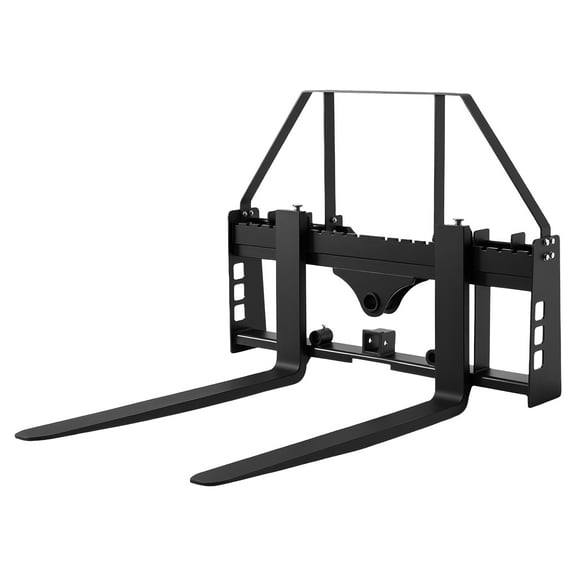
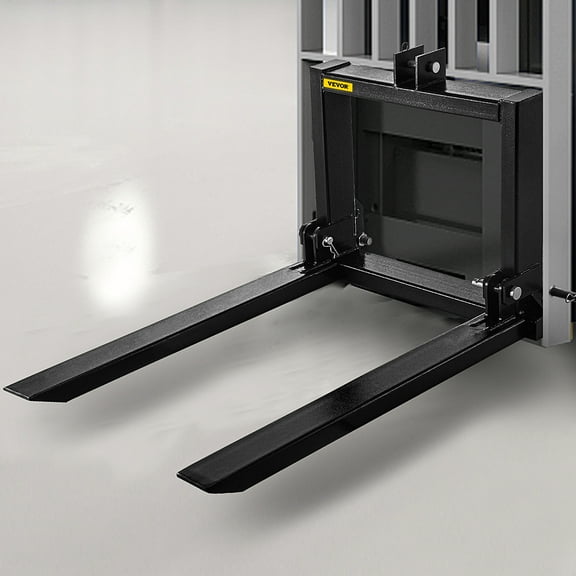
For repeated pallet handling, you may prefer a quick-attach frame that stays aligned during frequent changes. You’ll notice that setup works well when shipping pallets, lumber packs, or stacked supplies move often.
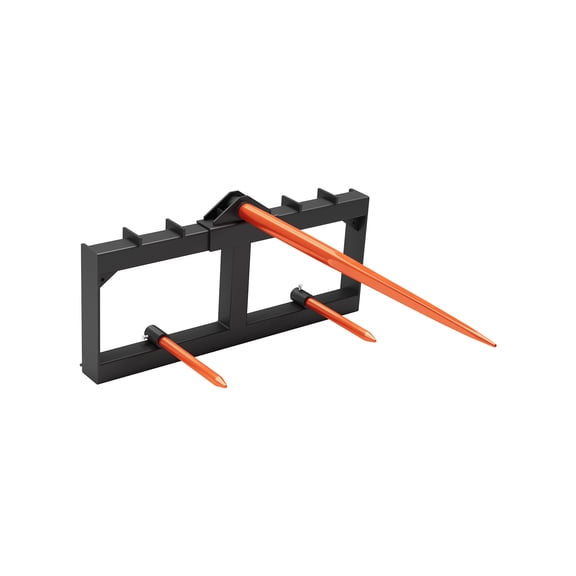
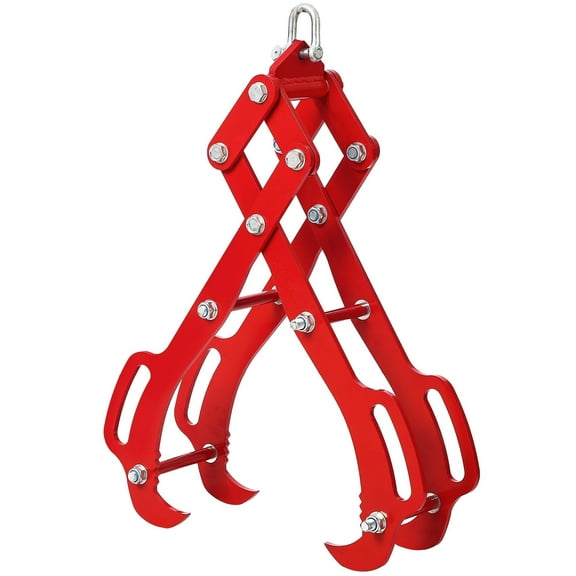
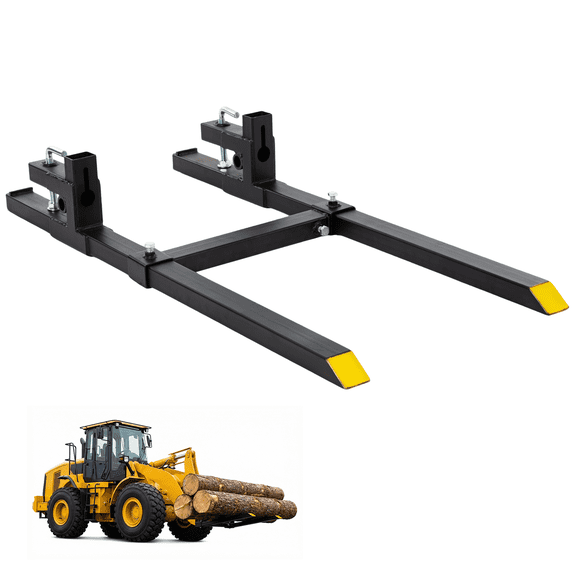
If you clear brush or move logs, you should compare fork length and frame width for awkward loads. Wider support can help you keep long material steadier while you reposition it around your property.
Subcompact owners should look closely at attachment weight, bucket size, and lower lift capacity. You’ll get more practical performance when your setup stays within the limits of a smaller machine.
What to look for before you choose tractor forks
You should check mounting style, bucket measurements, fork length, and rated capacity before making your final choice. You can also compare whether the frame suits standard pallets, hay movement, brush handling, or general loader work.
With the right tractor forks, you can lift and move materials with steadier support and less repositioning. You’ll finish demanding loader tasks with a setup that matches your tractor and the work ahead.