

Beauty Face Masks for Skincare Care





















About Beauty Face Masks for Skincare Care - Walmart.com
Beauty face masks help you target hydration, purification, and smoothing in one easy skincare step. You can compare formats, ingredients, and skin-type needs to choose masks that fit your routine.
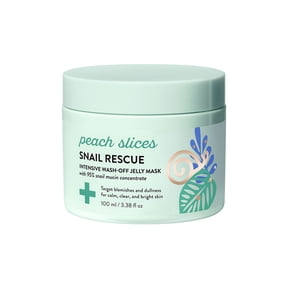
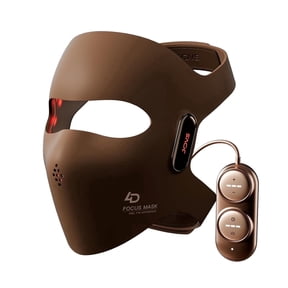
If you're building a simple routine or updating your weekly reset, you need options that match how your skin looks and feels. You can find sheet masks, clay masks, peel-off styles, gel formulas, and cream treatments for different goals.
How to choose beauty face masks
You should start with your skin type, because that choice shapes how a mask feels and performs. If your skin feels dry, you may prefer cream or gel textures that leave your face feeling comfortable.
When your skin looks shiny, you may compare clay face masks or charcoal blends that feel lighter on the surface. If your skin changes by area, you can use combination-focused options or multi-masking across your forehead, nose, and cheeks.
You may also check whether a formula is made for sensitive skin before you choose stronger textures or active ingredients. If your skin reacts easily, you can look for gentle skincare face masks with simple ingredient lists.
Choosing by benefits and mask format
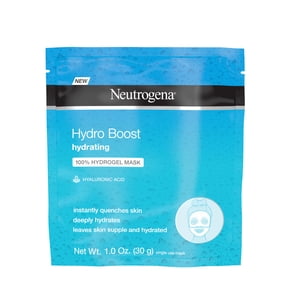
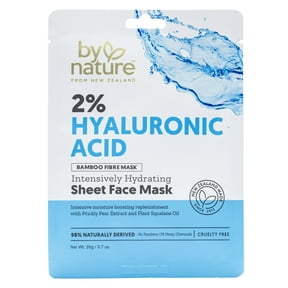
You can narrow beauty face masks by the result you want first. If your skin feels tight, hydrating face masks can add a soft, refreshed feel after cleansing.
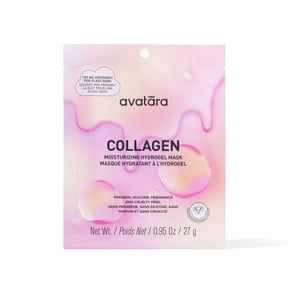
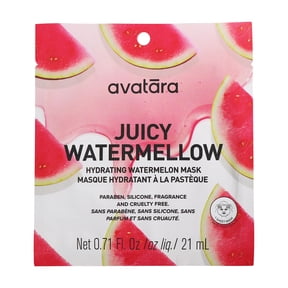
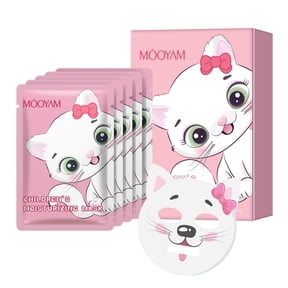
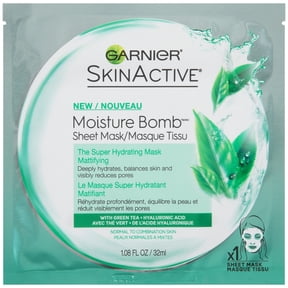
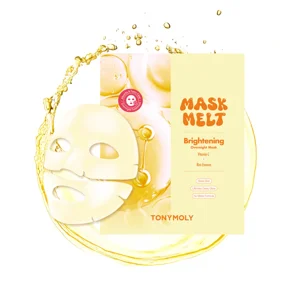
When you want a quick, low-mess option, sheet masks for face give you pre-portioned care and easy application. If you prefer a rinse-off step, clay, gel, and cream masks give you more control over texture and coverage.
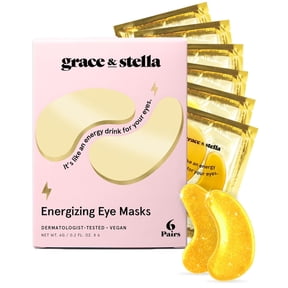
- You can use sheet masks when you want quick prep before makeup or events.
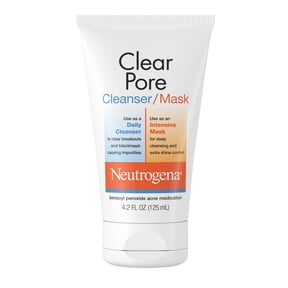
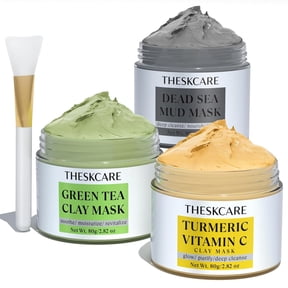
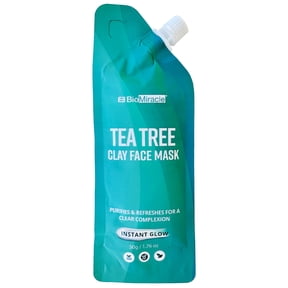
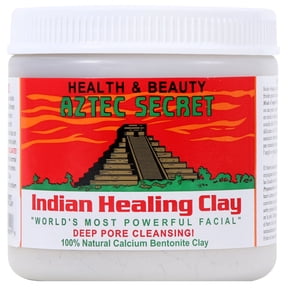
- You can choose clay masks when your skin feels oily through the T-zone.
- You can compare gel masks when you want a lightweight, cooling texture.
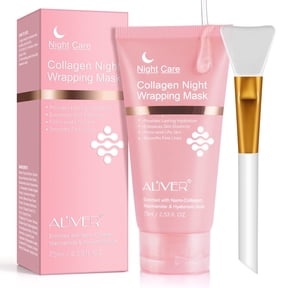
- You can pick cream masks when your skin feels dry or looks dull.
- You can try exfoliating face masks when you want a smoother-feeling surface.
Peel-off masks can appeal to you if you want a hands-on format, but you should check skin compatibility first. If your skin is sensitive, you may prefer softer rinse-off or sheet options instead.
Comparing skincare face masks by ingredients
You can use ingredients as a shortcut when you know your main concern. Hyaluronic acid usually points you toward moisture-focused formulas, while charcoal often appears in purifying masks.
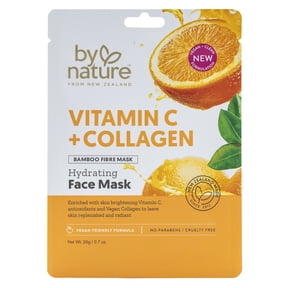
If you're looking for facial masks for glowing skin, you may compare vitamin C, brightening blends, or gentle exfoliating options. When you want a calmer feel, you can look for soothing ingredients and formulas labeled for sensitive skin.
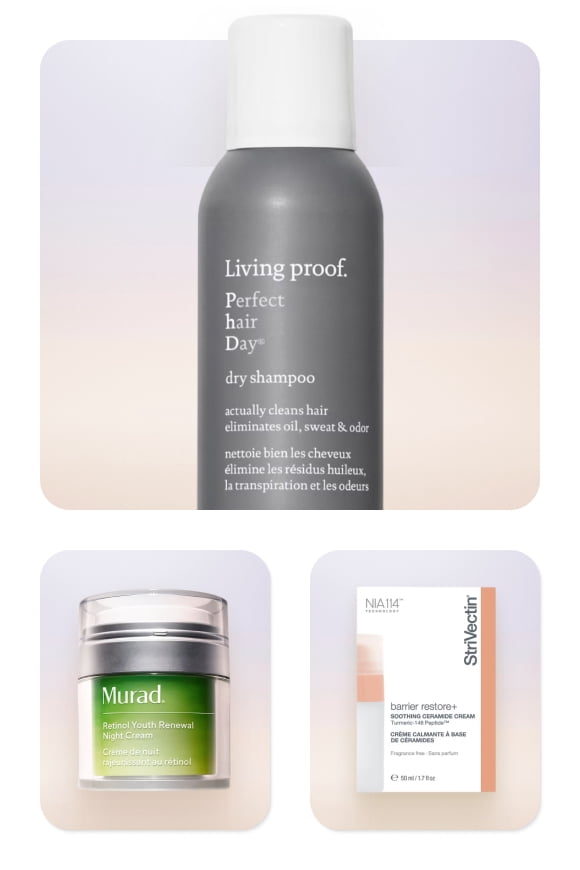
Tea tree can be a useful decision point if you want a fresher-feeling finish on oily areas. Retinol can be another keyword you notice, and you should compare directions carefully before adding it to your routine.
You may also check whether a mask is fragrance-free or non-comedogenic when your skin needs extra care. Those terms can help you compare formulas designed to feel lighter and less likely to clog pores.
Matching skin type, pack size, and routine
You can make smarter choices when you match the mask format to how often you'll use it. Single-use packets work well if you like variety, while jars and tubes can suit a steady weekly routine.
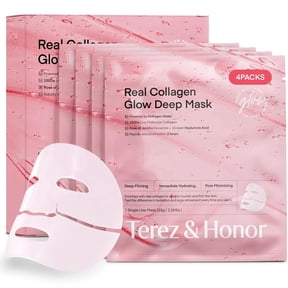
If you travel often, you may prefer sheet masks or small packs that fit easily into a bag. If you restock for regular use, multi-packs can make it easier to keep your routine consistent.
Dry skin often pairs well with hydrating winter face masks, cream masks, and gel styles that feel cushioned. You may prefer richer textures when indoor heat leaves your face feeling tight.
Oily skin may pair well with clay face masks, charcoal ingredients, and purifying formulas. You can compare lighter textures when you want a cleaner-feeling finish.
Sensitive skin usually benefits from slower, simpler decisions, so you should compare labels and usage directions before trying new ingredients. Combination skin can benefit when you mix textures by zone instead of using one formula everywhere.
Using beauty face masks in real routines
You can work beauty face masks into your week without changing every other step. After cleansing, you can apply a mask at night, before an event, or during a quiet reset at home.
If your morning routine needs a smoother canvas, sheet masks for face can fit into short prep time. If your skin feels weighed down after long days, clay or exfoliating face masks can feel like a focused refresh.
You may rotate hydrating face masks with purifying options based on weather, makeup use, or how your skin feels that week. In colder months, you might reach for richer formulas more often when indoor heat leaves your skin feeling tight.
When you want visible variety in your routine, you can compare single masks, mask sheets packs, jars, and tubes by convenience. That choice helps you balance trial, travel, and repeat use without overcomplicating your shelf.
You should also check application time, rinse steps, and texture before you commit to a format. Those details help you choose skincare face masks that fit your schedule as well as your skin type.
With the right mix of format, ingredient, and skin-type fit, you can make your routine feel more intentional. You can choose beauty face masks that support a smoother, fresher, more comfortable finish every week.