

Anti Static Bags & ESD Shielding Bags for Electronics






![[100 Pack] 5 x 7 inch Clear Reclosable Zip Poly Plastic Bags - Clear Resealable Storage Ziplock Bags - Great for Envelops, Bakery, Candy, Cookies and Post Cards](https://i5.walmartimages.com/seo/100-Pack-5-x-7-inch-Clear-Reclosable-Zip-Poly-Plastic-Bags-Clear-Resealable-Storage-Ziplock-Bags-Great-Envelops-Bakery-Candy-Cookies-Post-Cards_54039936-1302-45f1-bd6b-ecee3fbc00a8.5c8509f58b750a3016f7cb5c48b47ae0.jpeg?odnHeight=576&odnWidth=576&odnBg=FFFFFF)

























About Anti Static Bags & ESD Shielding Bags for Electronics - Walmart.com
Anti static bags help you package sensitive electronics for storage, handling, and shipping. You can compare shielding styles, closure types, and film thickness to match your parts and workflow.
If you pack motherboards, hard drives, or PCBs, you need options built for electrostatic discharge control. You can also choose bag formats that support inspection, labeling, and dependable sealing.
Choosing anti static bags for electronics
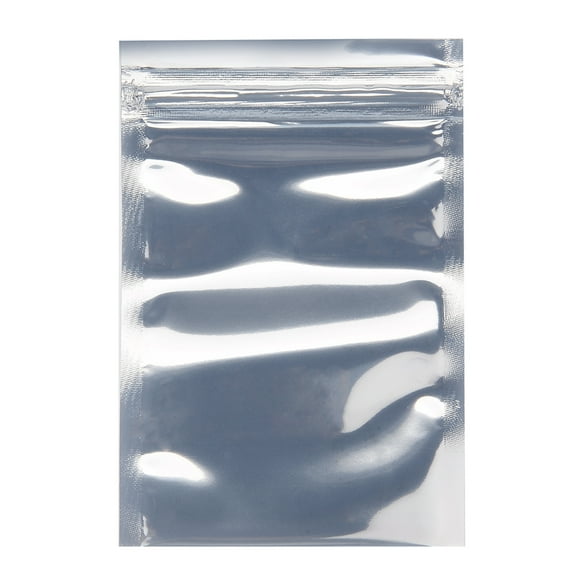
When you choose anti static bags for electronics, you should first compare protection type. You can match metal-in shielding, metal-out shielding, dissipative pink bags, or conductive black bags to your application.
Metal shielding styles help you package boards and components that need a barrier against outside static fields. Dissipative pink bags help you organize parts during in-plant handling, while conductive black bags support grounded workflows.
You may also compare how each bag supports visibility during receiving and inspection. Metal-in and metal-out styles often let you view parts and labels without opening the package.
- You can use shielding bags when your parts move through shipping, receiving, or long storage cycles.
- You can use dissipative pink bags for staging and internal handling where you do not require full shielding.
- You can use conductive black bags when your process calls for controlled contact and grounded setups.
- You can choose transparent bag styles when you need barcode scans or part checks before opening.
What to look for in static bags
You should compare closure type next because it affects speed, security, and repeat handling. You can pick resealable ziplock, open top, or heat seal formats based on how often you access parts.
Resealable ziplock styles help you reopen bags during assembly, testing, and kitting. Open top bags help you move fast on packing lines, while heat seal options support a more permanent closure.
You should also compare thickness because 3 mil, 4 mil, and 6 mil films feel different in use. You may prefer thick options when your parts have corners, edges, or heavier profiles.
Bag size matters just as much as material because your components need room without stretching the film. You should measure length, width, and height so your motherboard or drive fits with comfortable clearance.
If you package large boards, you may want extra width for connectors, brackets, or protective inserts. If you handle small PCBs, you may want a snug fit for clean organization in bins.
How protection levels affect your decision
You should understand shielding versus dissipative performance before choosing a static bag for daily use. Shielding bags create a Faraday cage effect around enclosed electronic parts.
That design helps you choose a bag type intended for outside static protection during transport and storage. Dissipative bags focus on controlling surface charge on the package itself during internal handling tasks.
You may also see surface resistivity listed on product details when you compare industrial packaging options. That specification helps you understand how the material manages electrical charge on the bag surface.
When you need to ship graphics cards, motherboards, or hard drives, you should usually start with shielding styles. When you stage components at a bench or in inventory, you may consider pink static free bags.
Matching anti static bags to common applications
You can match small bags to memory modules, compact PCBs, and repair parts that need organized storage. You can use mid-size formats for hard drives, interface cards, and common replacement assemblies.
For motherboards and long expansion cards, you should check both flat dimensions and closure clearance. You want a bag that fits the part without forcing corners against seams.
If your team inspects incoming parts often, you may prefer anti static bag electronics options with easy visibility. You can confirm labels, count pieces, and review barcodes while keeping the part enclosed.
When you build kits for service work, resealable bags can simplify repeat access across multiple steps. When you archive boards or ship completed assemblies, heat seal formats can provide a clean final pack.
You can also pair antistatic bags for electronic parts with cartons, bubble cushioning, or dividers for a complete packing system. That approach helps you organize components while keeping your process consistent from bench to shipment.
If you need static bags for mixed inventory, you can stock several sizes and protection types together. You can establish a clear path for tiny components, full-size boards, and replacement drives.
Choosing with confidence
You can make an informed choice when you compare protection type, closure style, thickness, and component fit together. With the right anti static bags, you can keep electronics organized, inspectable, and ready for storage or transit.