


Find auto parts that fit
Let’s search for parts that fit your vehicle.
Equalizer Hitches in Shop Hitches by Brand










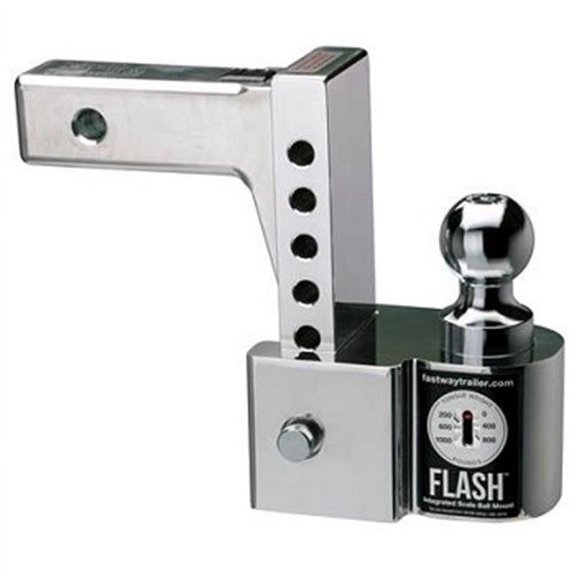
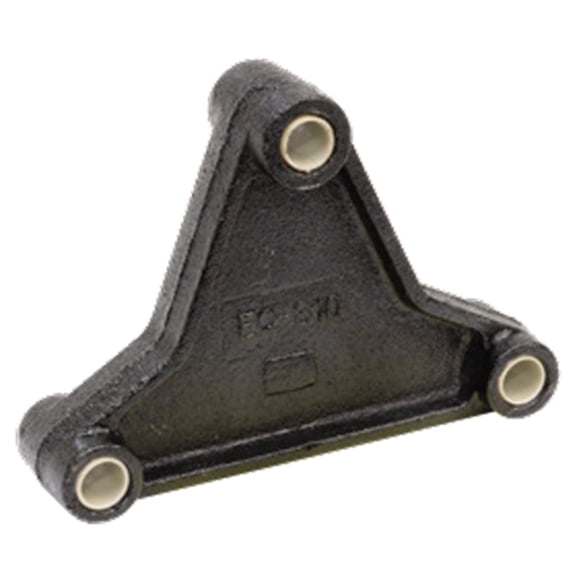
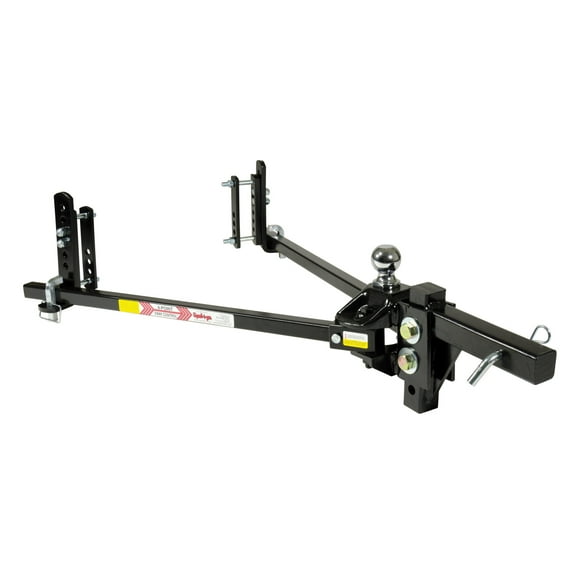
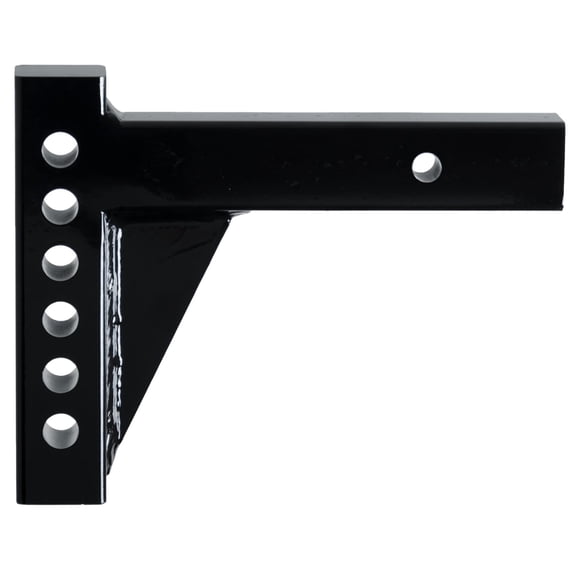









About Equalizer Hitches in Shop Hitches by Brand - Walmart.com
An equalizer hitch helps you tow with steadier handling and more balanced trailer weight. You can compare sway control points, hitch styles, accessories, and capacity ratings before you match your setup.
If you tow a travel trailer, camper, or utility trailer, you need guidance that fits real towing decisions. You can use this page to compare weight distribution systems and parts that support smoother, more controlled trips.
How to choose an equalizer hitch
You should start with your trailer's Gross Trailer Weight and Tongue Weight ratings. You need those numbers to compare 6,000, 10,000, 12,000, and 14,000 lb capacity options.
When you match ratings correctly, you can keep more weight distributed across your tow vehicle and trailer axles. You may notice steadier steering, firmer braking feel, and less front-end lift.
You should also check your receiver size before you choose a shank or complete system. You may need a 2-inch or 2.5-inch fit, depending on your tow vehicle.
- You can compare GTW and TW ratings to your loaded trailer.
- You can check whether you need 2-inch or 2.5-inch receiver compatibility.
- You can choose sway control based on your trailer length and towing conditions.
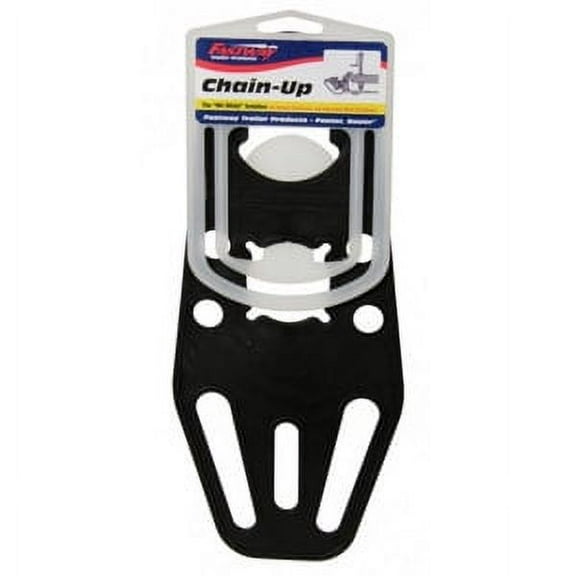
- You can add accessories like pins, sway brackets, and a chain rack for trailer setups.
Choosing sway control points for your trailer
You should compare Standard, 2-Point Sway Control, and 4-Point Sway Control systems based on how your trailer behaves on the road. You can use that difference to narrow your setup quickly.
With a standard weight distribution setup, you focus on balancing load transfer across axles. You may prefer this route when you want core weight distribution without integrated sway features.
With 2-point sway control, you add control at two main friction points. You can consider this option when you want a simpler setup for lighter towing demands.
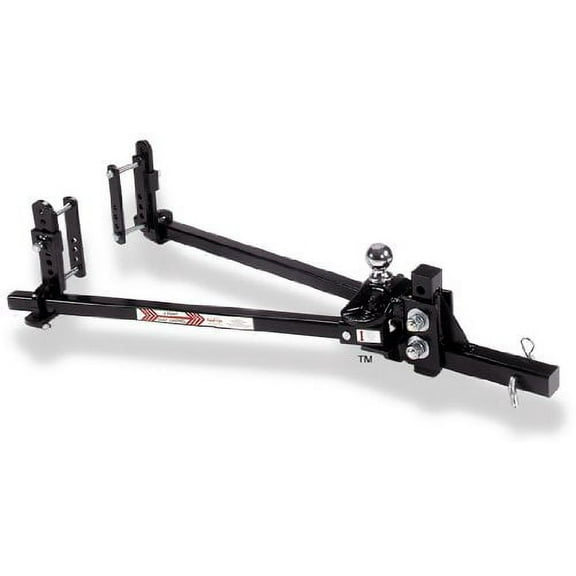
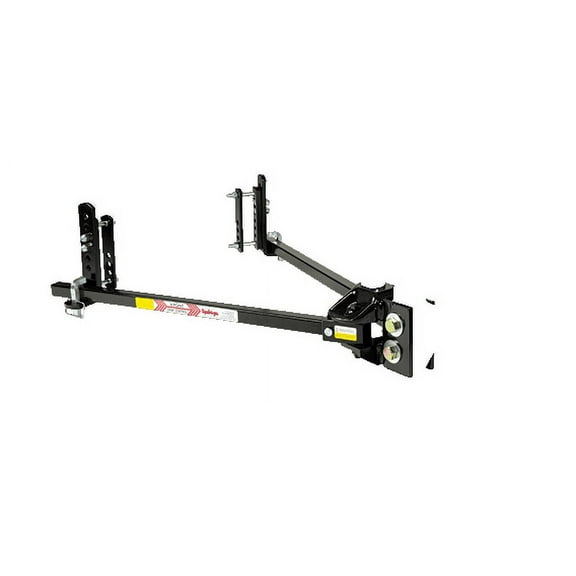
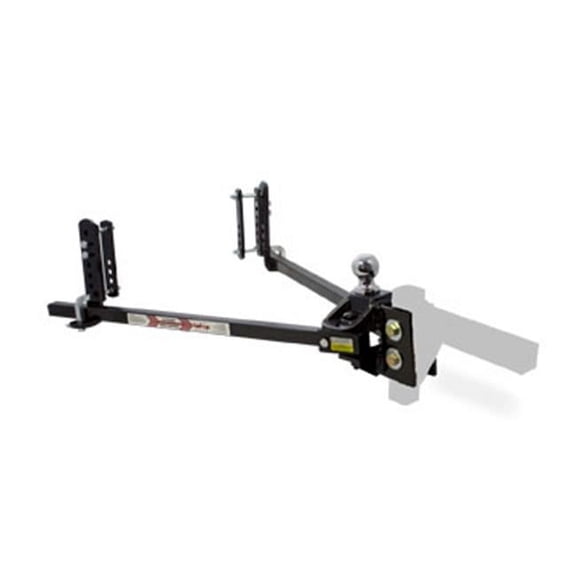
An equal-i-zer 4-point sway control hitch uses four control points to help resist trailer movement during turns and crosswinds. You can look here when you want integrated sway control and weight distribution in one system.
You may also see an equal-i-zer weight distribution hitch listed with different bar styles or hardware. You should compare how each system adjusts, mounts, and fits your receiver and trailer frame.
Comparing hitch type and bar style
You can choose from weight distribution, trunnion bar, and round bar designs. You should think about ground clearance, setup space, and your trailer frame layout.
Trunnion bar systems often suit tighter clearance needs because the bars insert more level with the hitch head. You may prefer them when you want a cleaner fit around certain coupler heights.
Round bar systems use bars that angle down from the hitch head. You can consider them when you want a familiar format that works with many towing combinations.
Weight distribution remains the main decision because it affects how load transfers back to the front axle. You should look for a setup that matches your loaded tongue weight, not an empty estimate.
What to look for in equalizer hitch parts
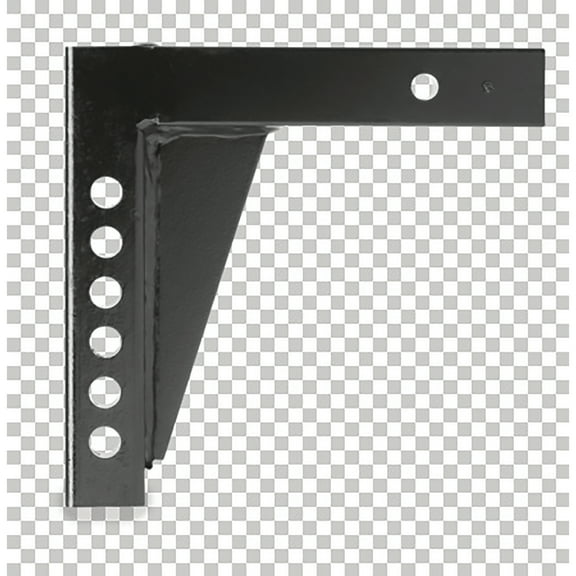
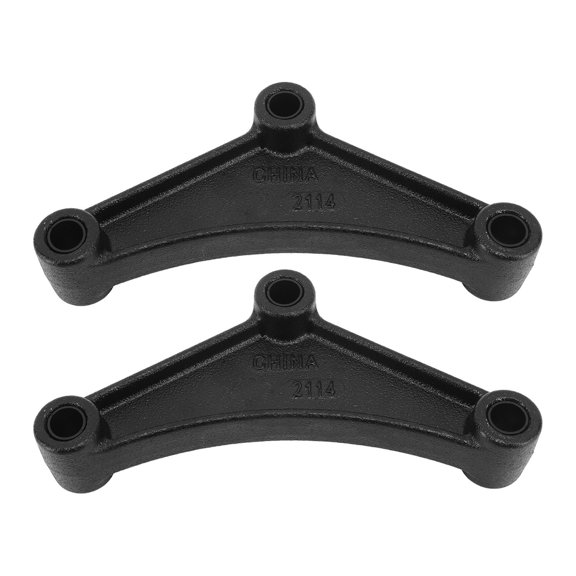
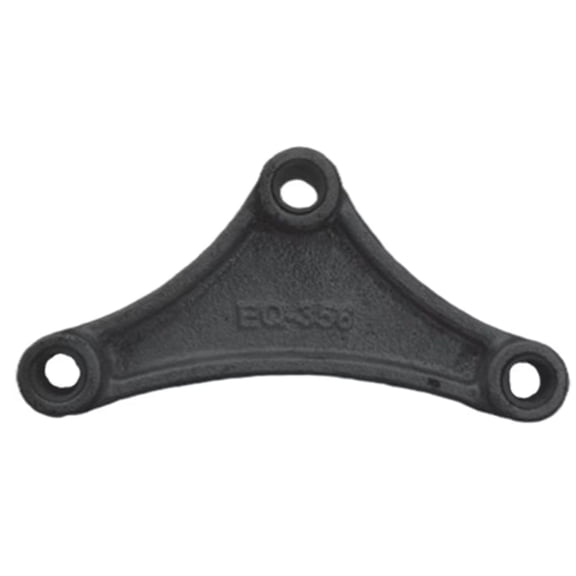
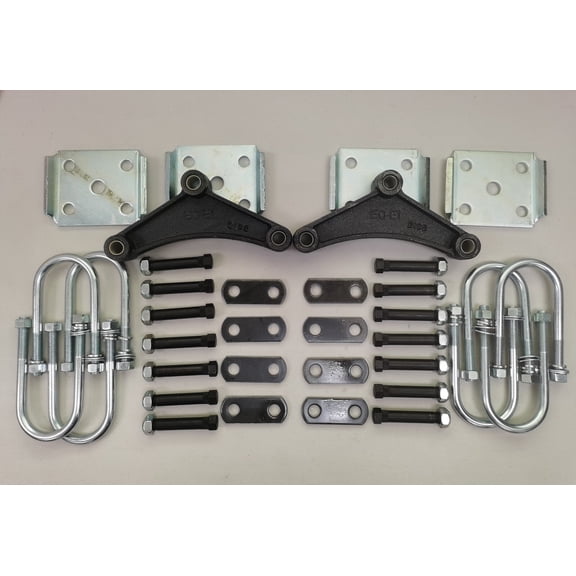
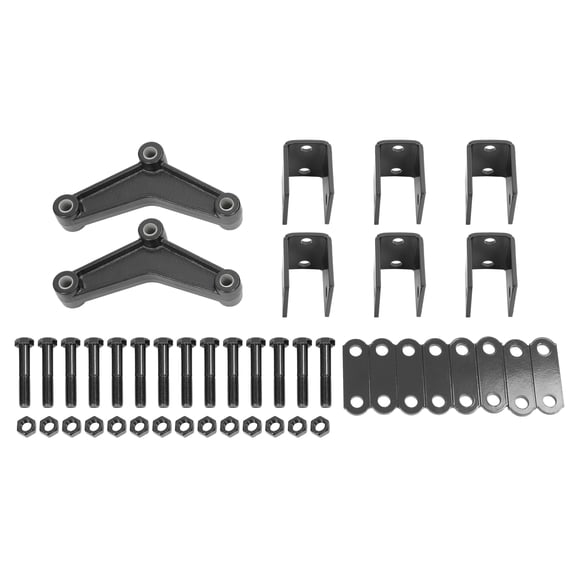
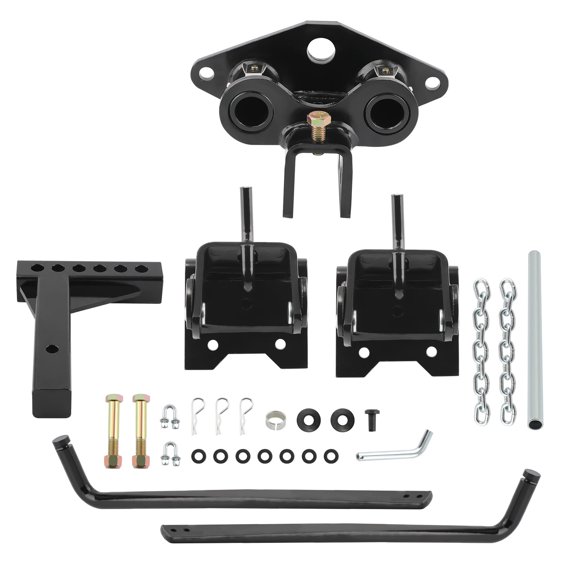
You may need equalizer hitch parts when you want to refresh wear items or complete a towing setup. You can compare shanks, sway brackets, pins, and chain rack for trailer hardware by fit and function.
Shanks help you position the hitch head at the right drop or rise for your trailer coupler. You should measure trailer height and tow vehicle receiver height before you choose one.
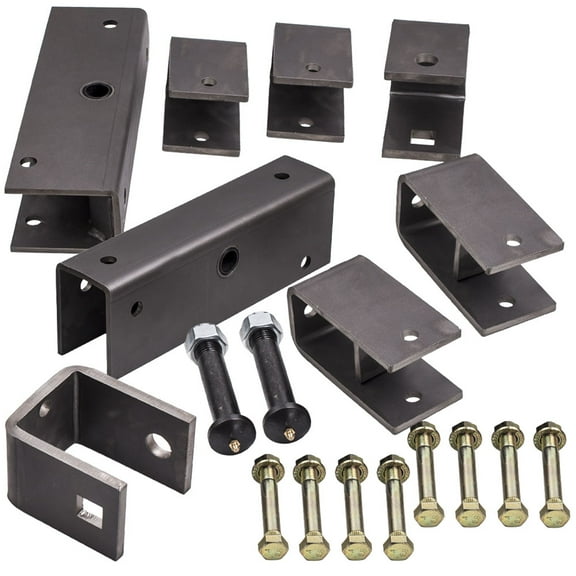
Sway brackets and chain racks affect how your system connects and how it applies tension. You can check bracket style and mounting requirements before you start installation.
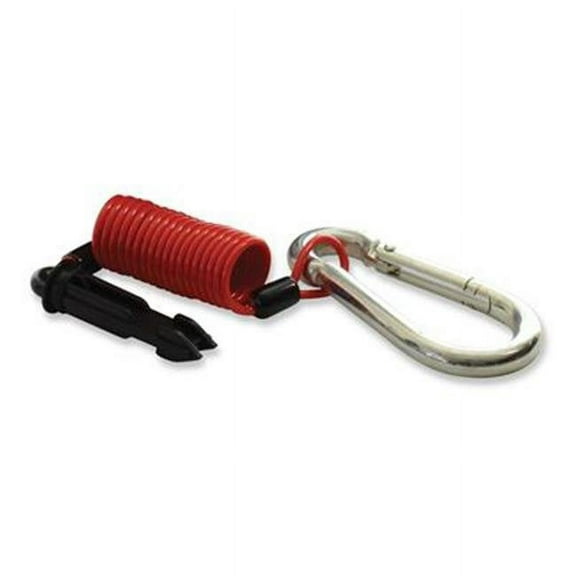
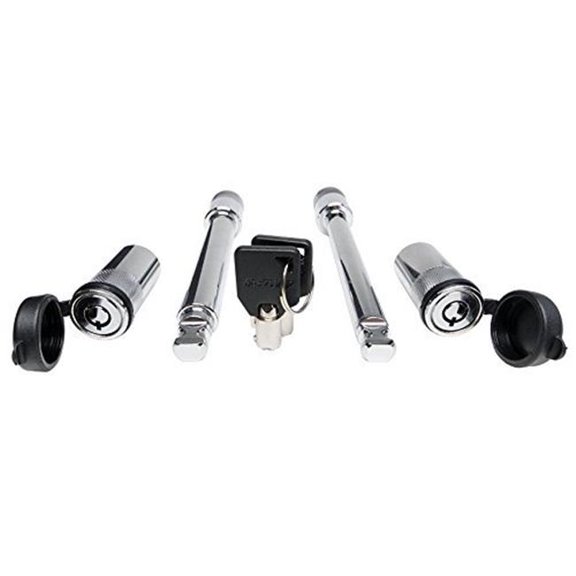
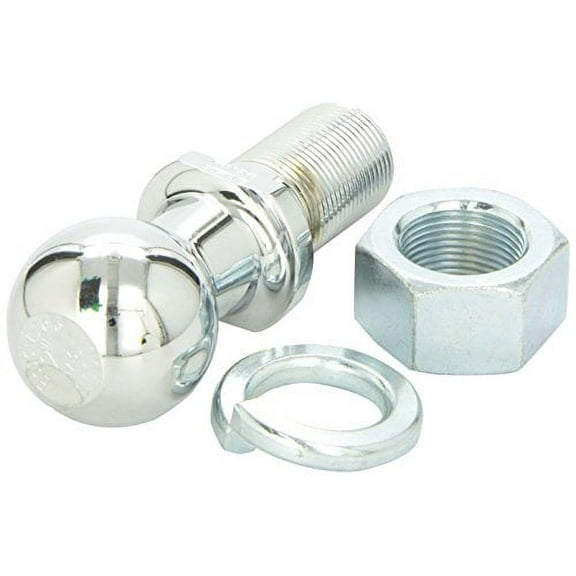
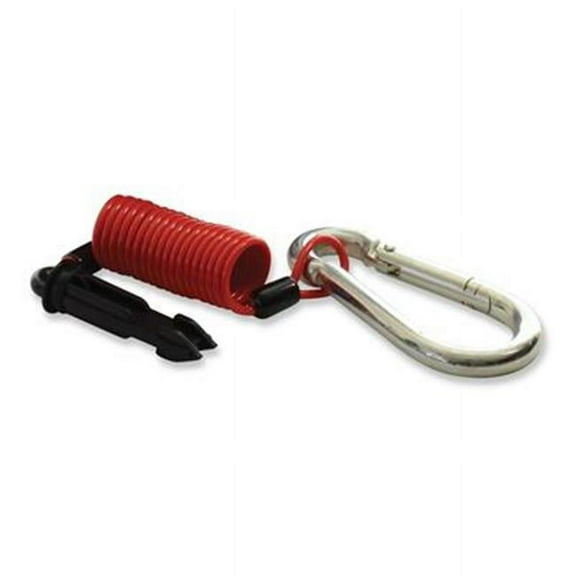
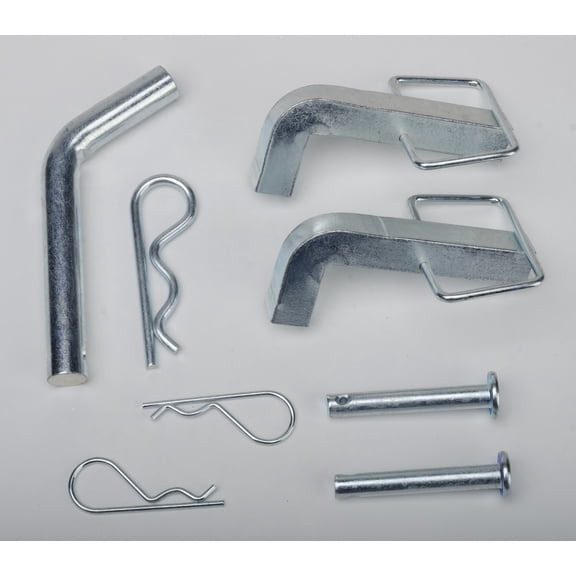
Pins, clips, and related equalizer trailer hitch parts matter because small fit details affect setup time. You may want replacement hardware ready when you adjust head angle or change tow vehicles.
Using an equalizer hitch for real towing situations
You can use a lower-capacity setup for smaller campers, pop-up trailers, or utility trailers with moderate tongue weight. You should still verify loaded numbers after gear, water, and propane change your total weight.
If you tow a larger travel trailer, you may want higher GTW and TW ratings plus stronger sway control integration. You can compare 10,000, 12,000, and 14,000 lb classes for heavier combinations.
For longer highway trips, you may prefer 4-point sway control because it combines weight distribution with integrated resistance to side-to-side trailer movement. You can appreciate that extra control during passing traffic and windy stretches.
If you switch trailers or tow vehicles, you should review shank drop, receiver size, and bracket compatibility again. You can avoid setup issues by measuring each connection point before installation.
You may also want equalizer hitch parts on hand when you maintain an older setup. You can replace worn pins or update brackets without changing your full towing system.
Choosing the right setup with confidence
You can make a smarter towing choice when you compare sway control points, hitch type, accessories, and rated capacity together. You’ll end with a setup that fits your trailer, your receiver, and your towing routine.