




Emergency Blankets in Survival Gear




















About Emergency Blankets in Survival Gear - Walmart.com
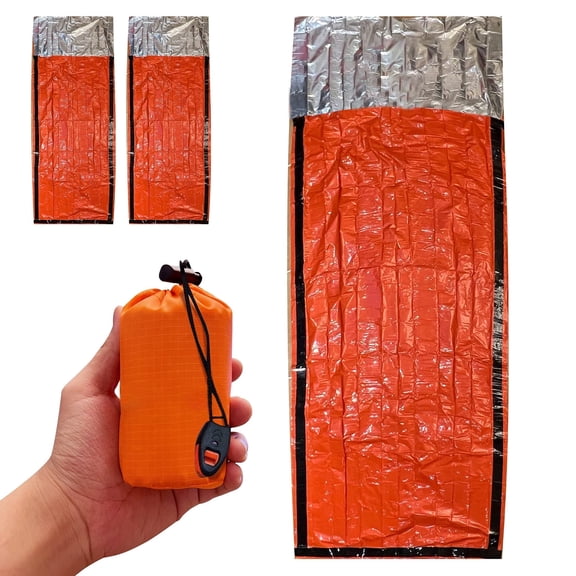
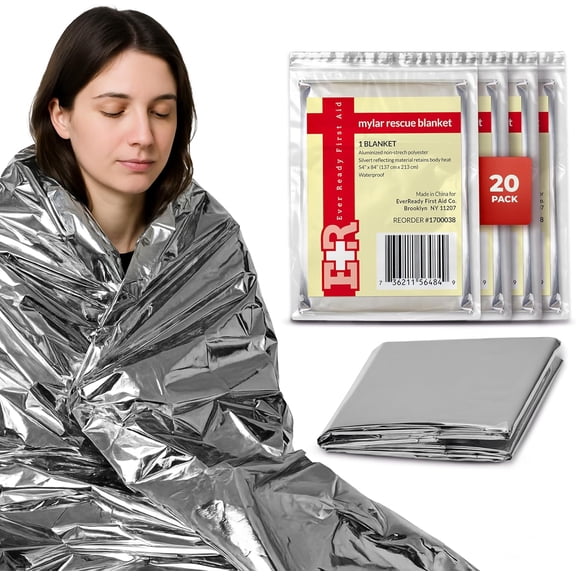
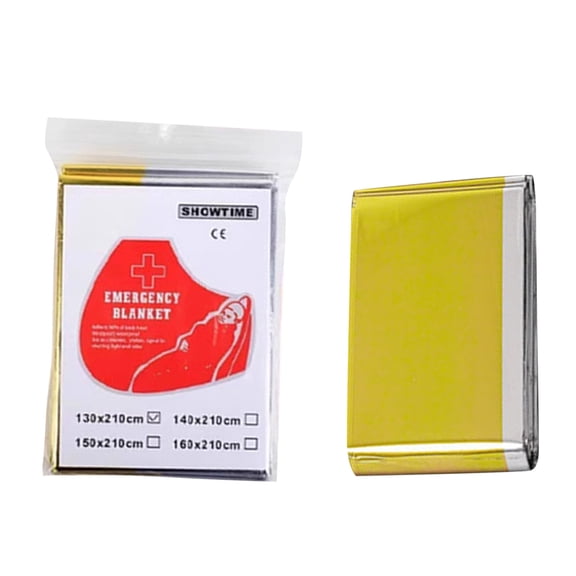
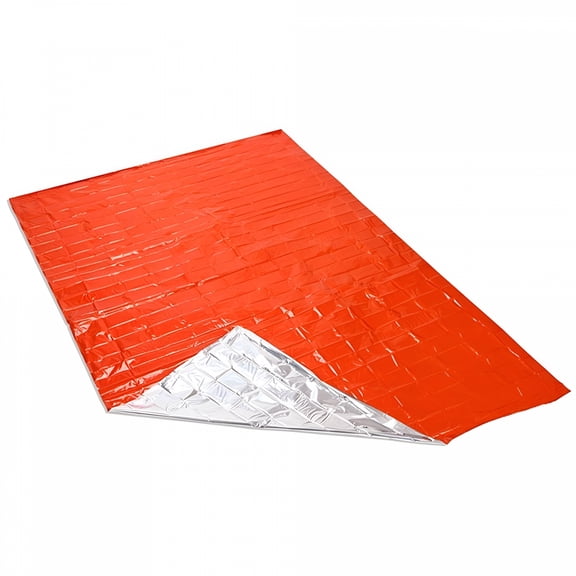
An emergency blanket helps you add compact heat retention to your car kit, first aid bag, or outdoor gear. You can choose lightweight Mylar sheets, foil styles, or heavier reusable options for different emergency plans.
How to choose the right emergency blanket
You should start with the situation you’re preparing for and the space you have in your kit. You’ll want a different format for roadside storage, first aid response, or overnight outdoor use.
If you’re packing a small pouch, you may prefer a thin folded sheet that takes up very little room. If you expect repeated handling, you may want a thicker build that feels less fragile.
You can also compare standard sizes, extra-large coverage, and two-person designs before you commit. Your choice affects how well you can wrap one person, share coverage, or cover bulky clothing.
Comparing materials and heat reflection
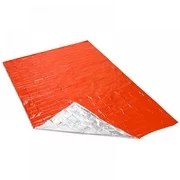
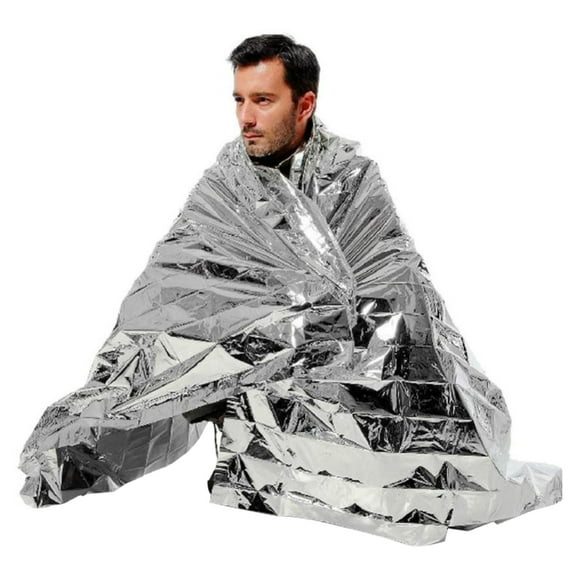
You’ll often see Mylar, foil, or aluminum-coated polyethylene across this category. You can use these materials when you want a reflective layer that helps return about 90% of body heat.
That heat reflection matters when you need a thin layer that works fast without adding bulk. You’ll notice why an emergency blanket fits easily inside first aid kits, hiking packs, and glove compartments.
- You can carry a reflective blanket without giving up much storage space.
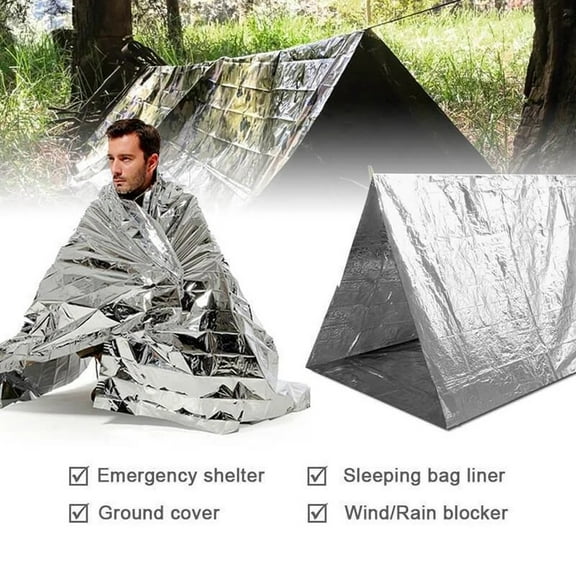
- You can add a wind-blocking and water-resistant layer during roadside stops or wet weather.
- You can keep backup coverage in several kits by choosing multi-pack or bulk counts.
- You can match material weight to single-use plans or repeated training and preparedness needs.
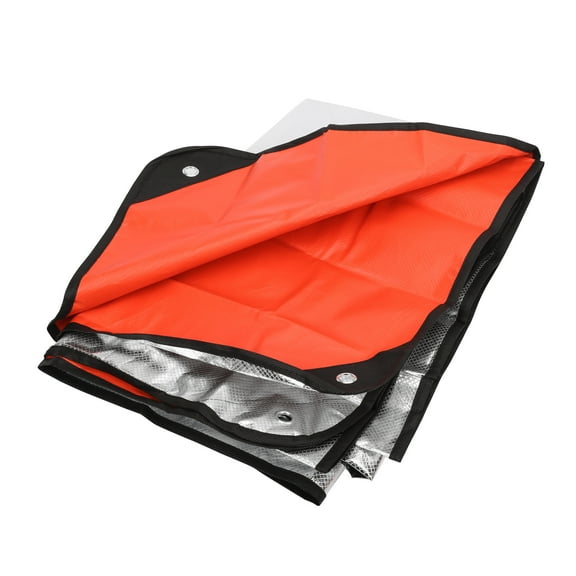
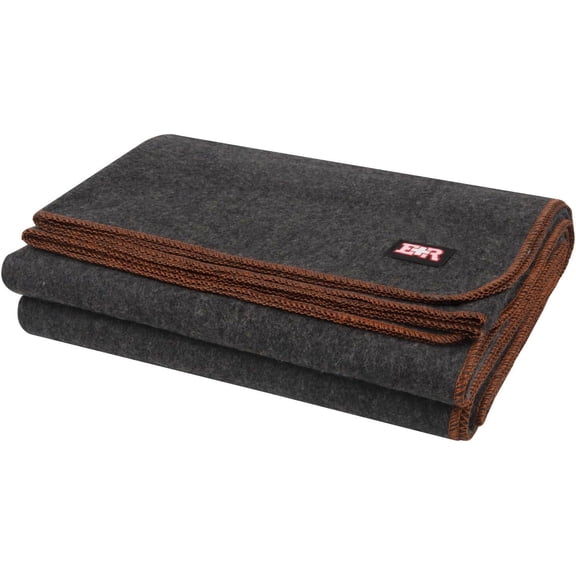
When you compare materials, you should also check noise, flexibility, and fold size. You may find heavier-duty woven polyester options easier to reuse and refold after practice.
A foil blanket may suit short-term preparedness when you want a simple reflective barrier. Heavy-duty styles can suit repeated packing, group kits, and situations where tearing matters more.
What to look for in a survival blanket
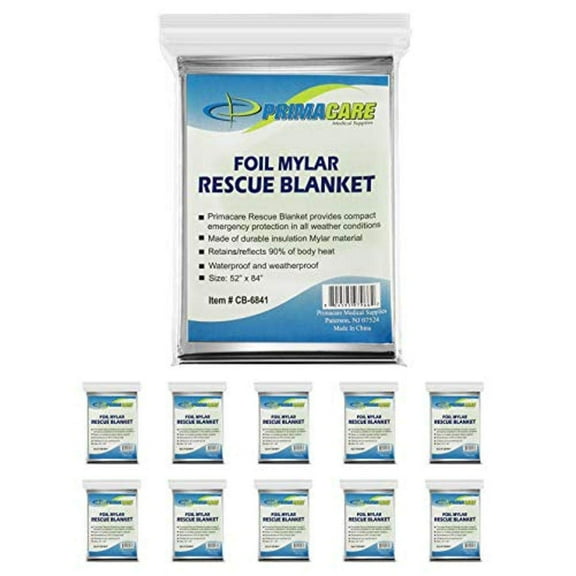
You should compare dimensions before you choose a survival blanket for your setup. A standard 52 x 84 inch size can work for many solo kits, while larger formats give you more wrap room.
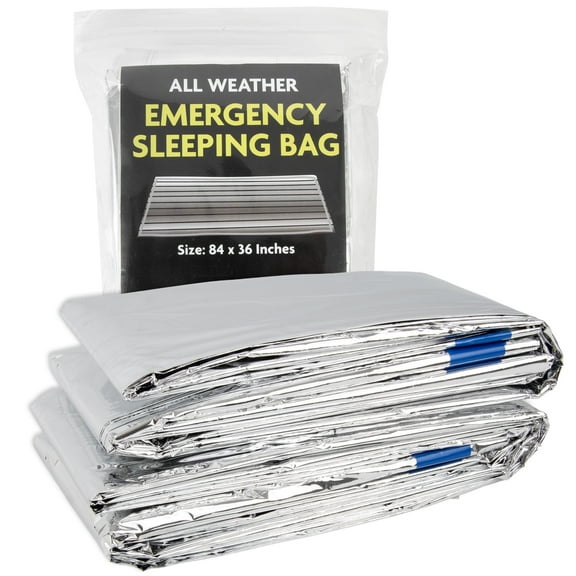
If you’re taller, layering over bulky outerwear, or covering gear too, you may want extra-large coverage. You can also choose a two-person emergency blanket when your family kit needs shared coverage.
Thickness matters too, and you’ll often see it described in mil measurements. You can think of higher mil thickness as added tear resistance that may hold up better during handling.
You should also check whether your blanket is described as windproof and waterproof. Those details can matter when you’re building an outdoor bag, a car safety kit, or a highway emergency pack.
Choosing blanket for shock and first aid use
You may be looking for a blanket for shock when you’re building first aid supplies. In that case, you should focus on fast access, compact folding, and coverage that fits easily around a resting person.
You’ll want a pack that slides into trauma bags, school response kits, or event medical supplies. A bright reflective finish can also help you identify it quickly during urgent moments.
For first aid planning, you can count how many people your team may need to support at once. You may prefer multi-packs when you’re stocking response stations, field bags, or training supplies.
You should keep category terms in mind while comparing options, since some shoppers also search tin blanket or foil blanket. Those names often point you toward the same reflective emergency wrap category.
Comparing pack sizes and wholesale mylar space blankets
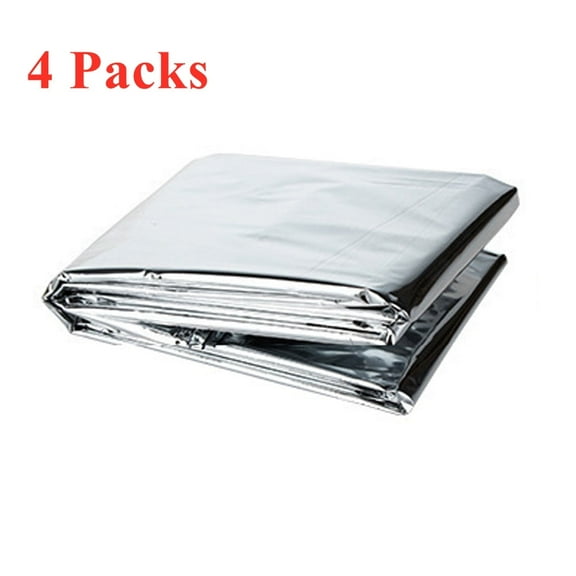
You should match pack size to the number of kits you maintain and the people you support. A single pack can fit personal preparedness, while four-pack and 10-pack counts help you spread coverage.
If you manage classrooms, worksites, response teams, or event stations, you may need wholesale mylar space blankets. Bulk or case quantities can help you standardize supplies across many bags and storage points.
You can assign single blankets to each car, backpack, and bedside kit for broader readiness. You may also reserve case packs for group drills, fleet vehicles, or community preparedness programs.
When you compare counts, you should check folded size and case quantity together. That way, you can estimate how many units fit in a cabinet, tote, or mobile command setup.
Matching emergency blankets to real-world kits
You can build a stronger car kit by pairing reflective blankets with lights, batteries, and seasonal layers. If you travel long distances, you may want several blankets stored across multiple vehicles.
For camping and trail packs, you should prioritize low weight, weather resistance, and packability. You may keep one as backup shelter material and another as a survival blanket for overnight exposure.
In first aid kits, you can prioritize quick deployment and dependable coverage for stationary care. If you support races or school events, you may want multi-packs that restock easily after training.
You may also see shoppers reference highway 3 blankets when they want roadside preparedness options. That intent usually aligns with compact reflective wraps made for vehicle storage and emergency response kits.
When you choose the right emergency blanket, you can build a kit that stays compact, organized, and ready for real conditions. You’ll get clearer buying criteria by comparing material, size, pack count, and intended use first.