

Daikin Air Conditioners in Air Conditioners














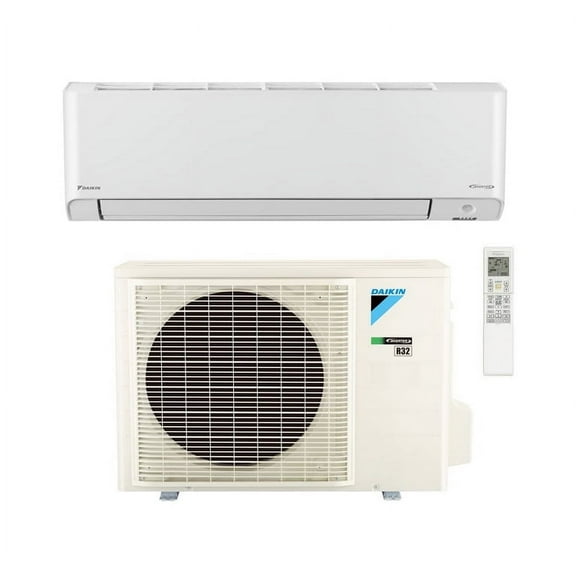
About Daikin Air Conditioners in Air Conditioners - Walmart.com
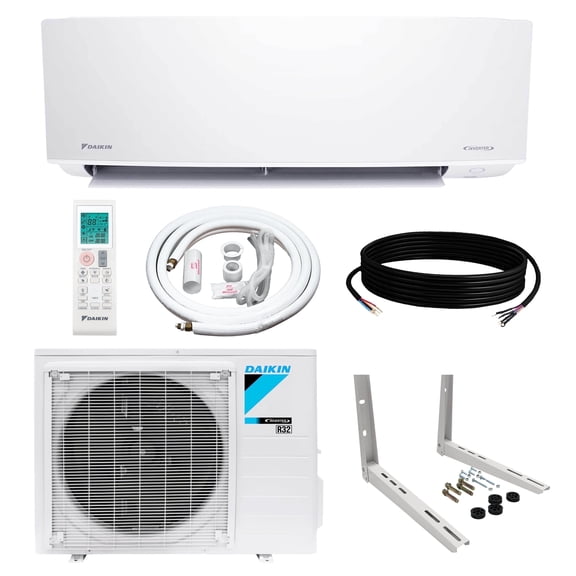
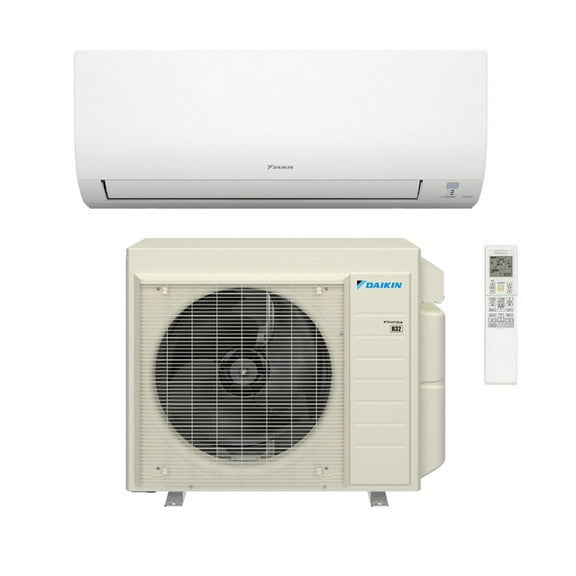
Daikin air conditioners help you compare ductless cooling options for one room or several zones. You can narrow your choice by system type, BTU capacity, SEER rating, and voltage needs.
How to choose Daikin air conditioners by system type
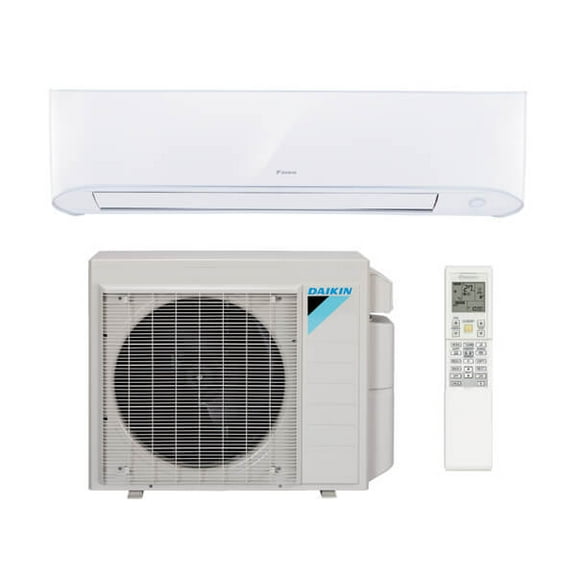
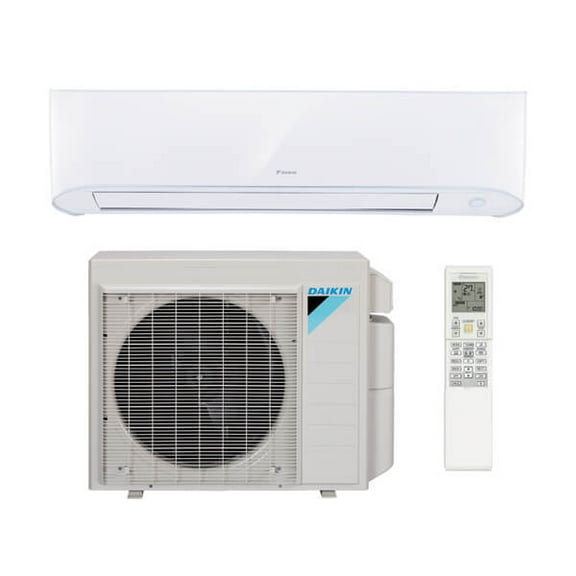
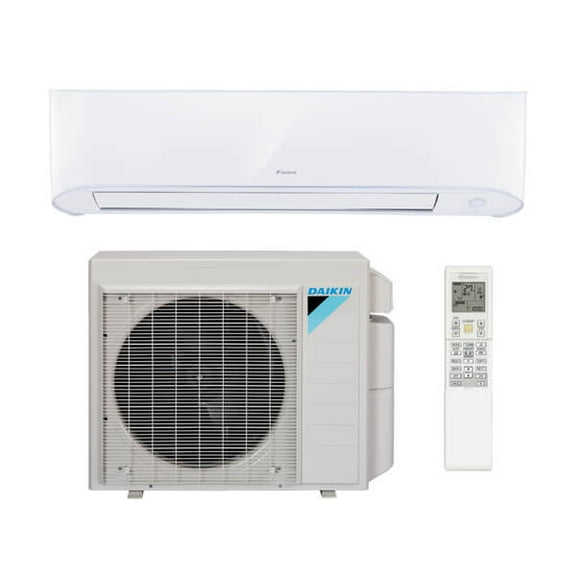
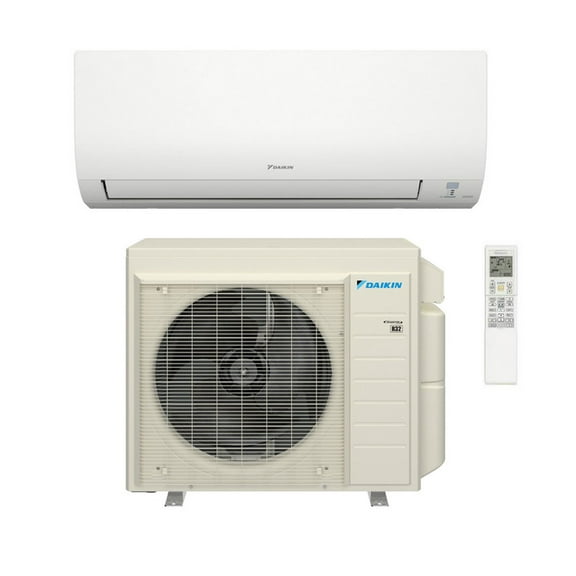
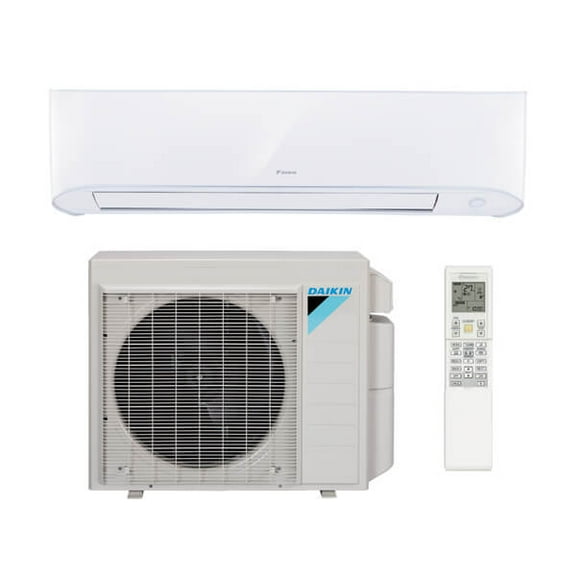
You should start with system type because your layout affects how many indoor units you need. You can use a single-zone mini-split when you want focused comfort in one room.
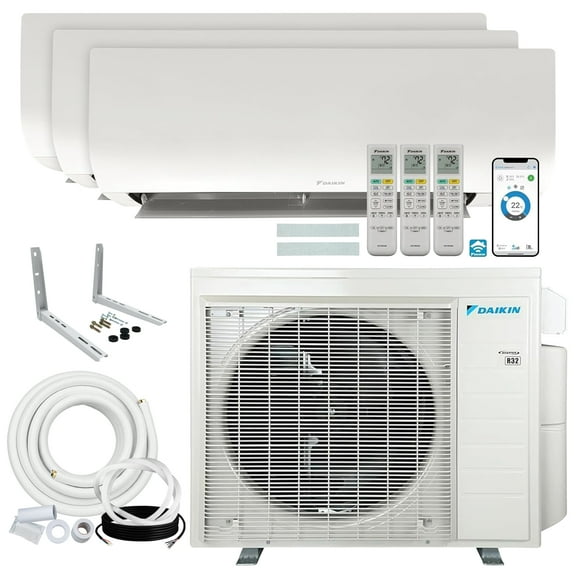
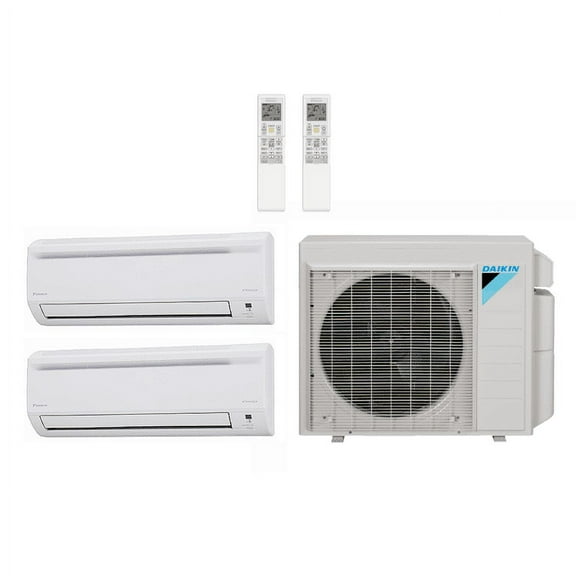
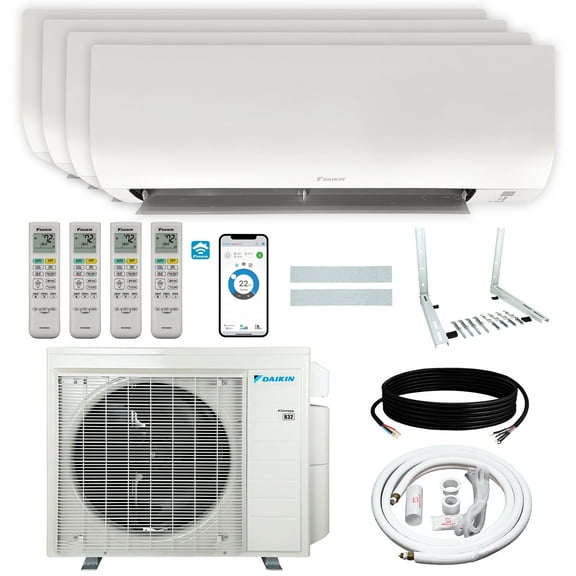
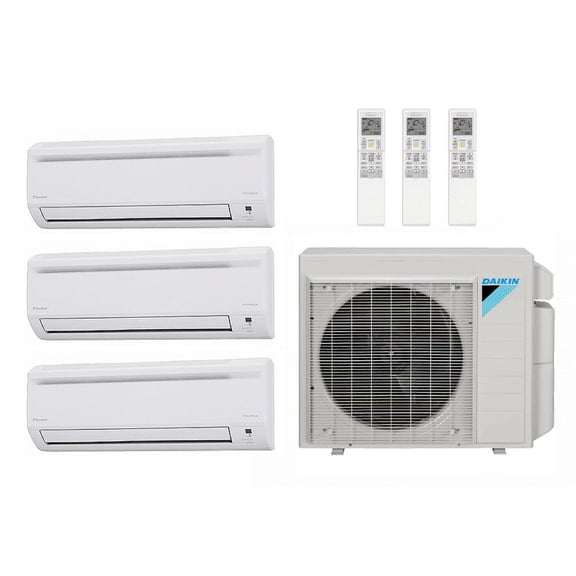
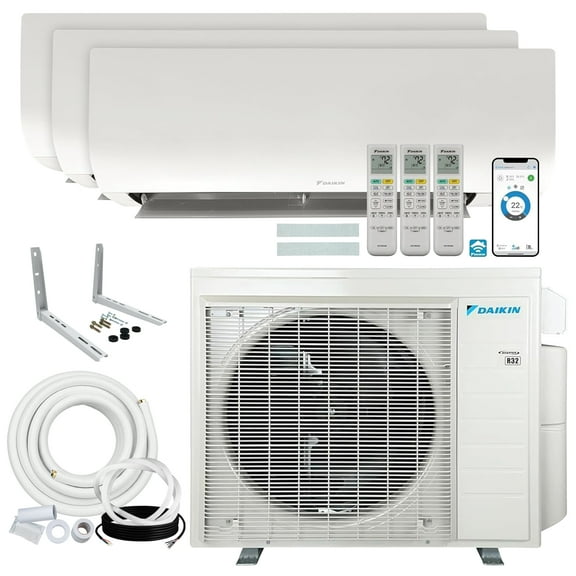
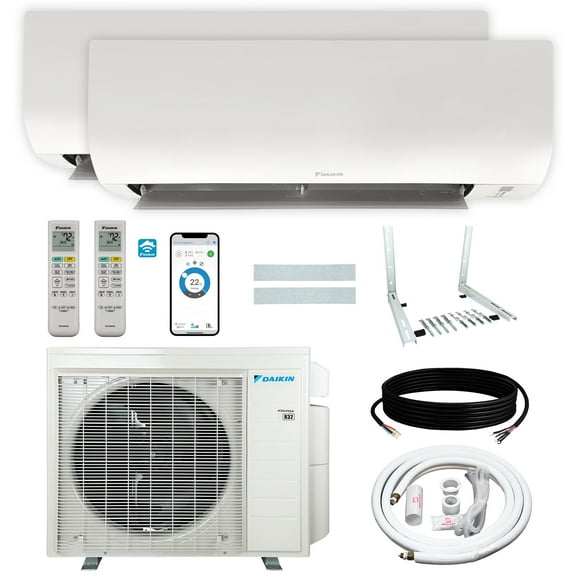
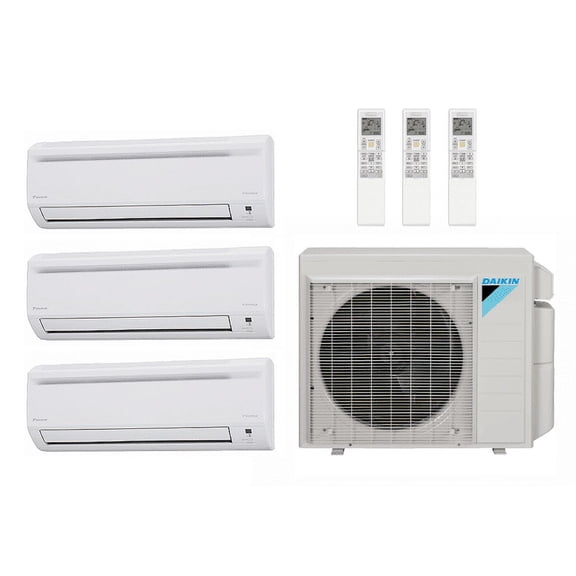
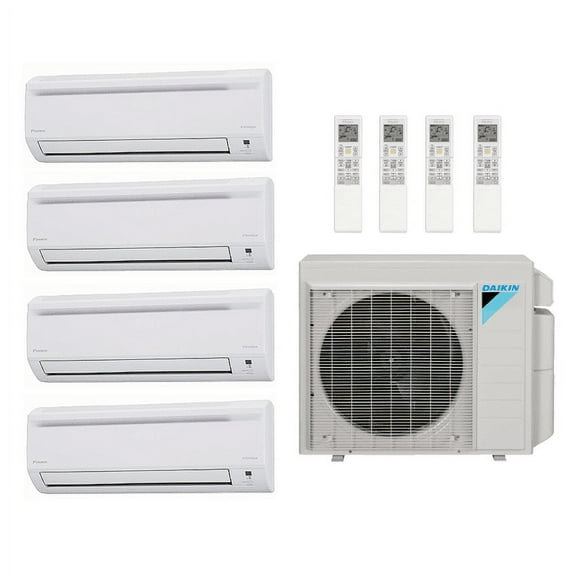
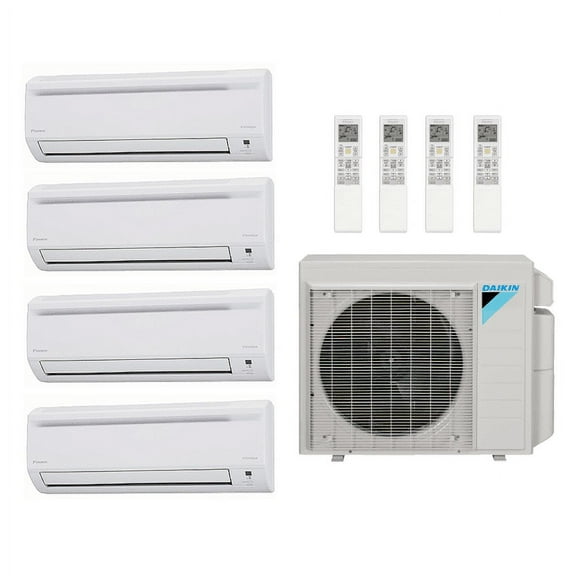
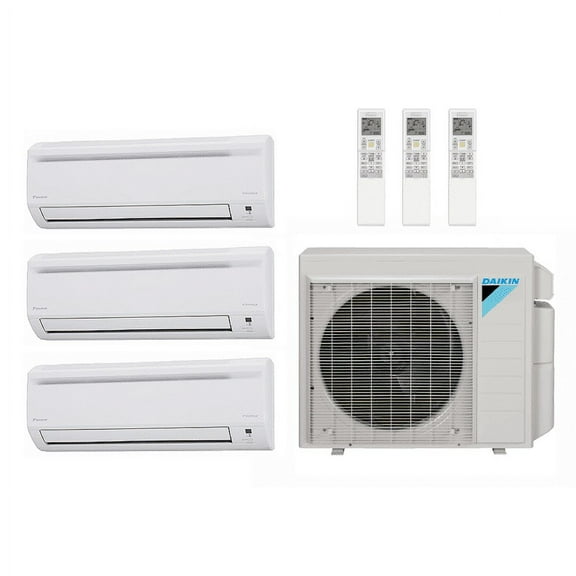
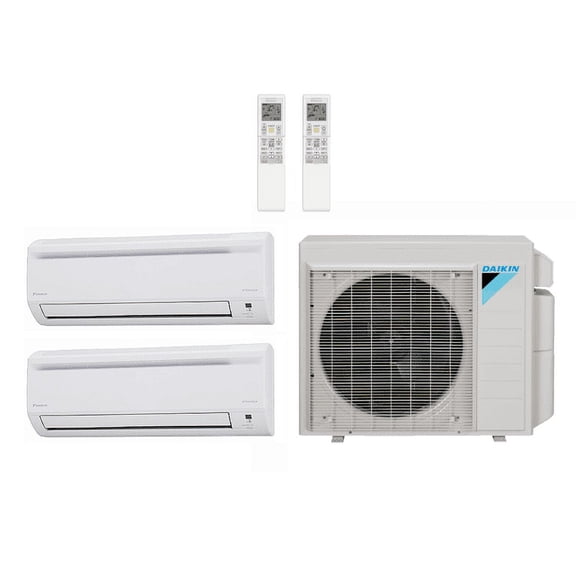
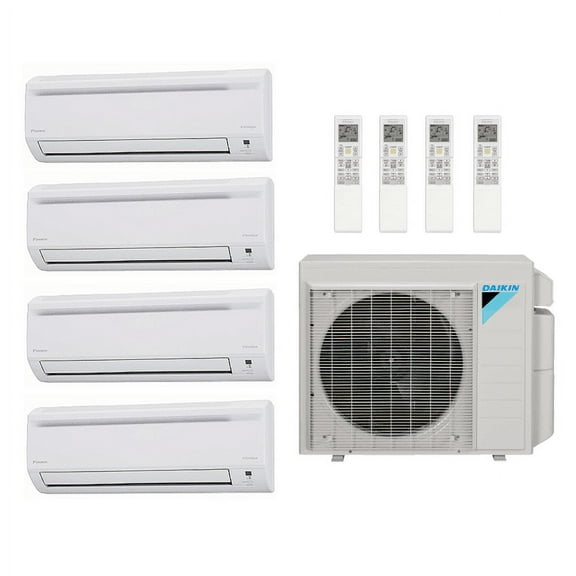
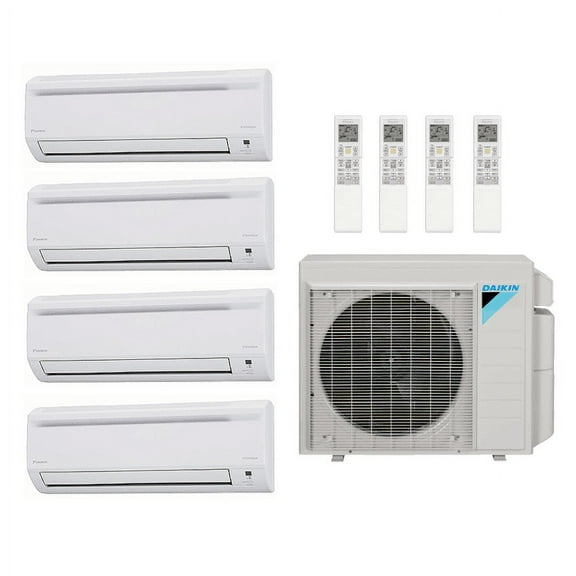
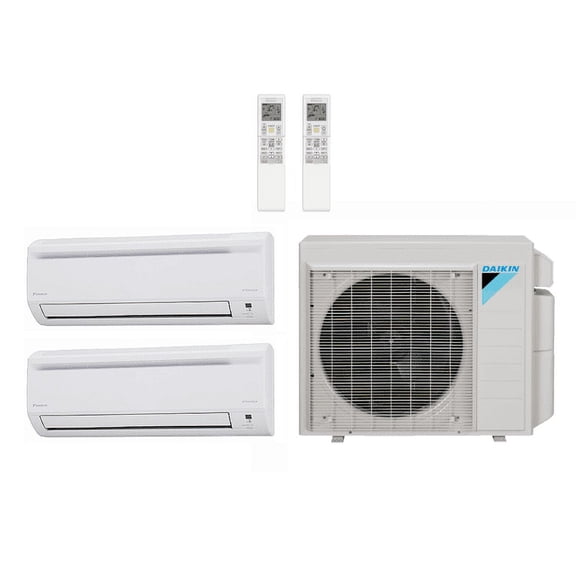
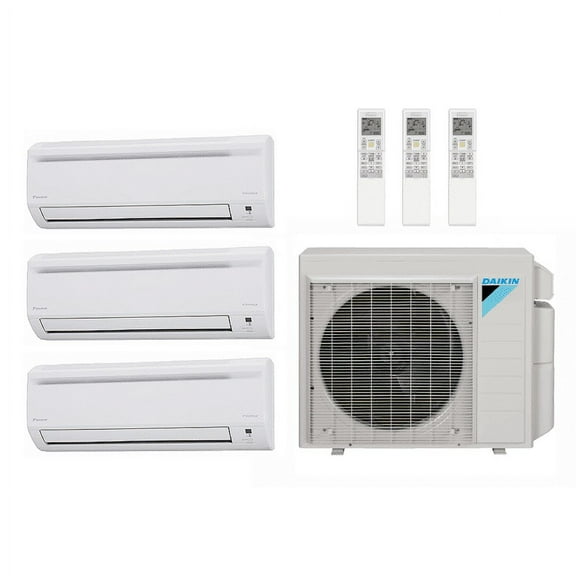
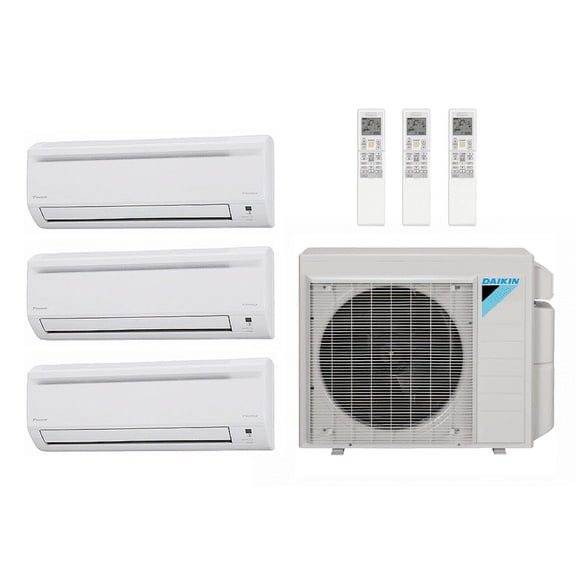
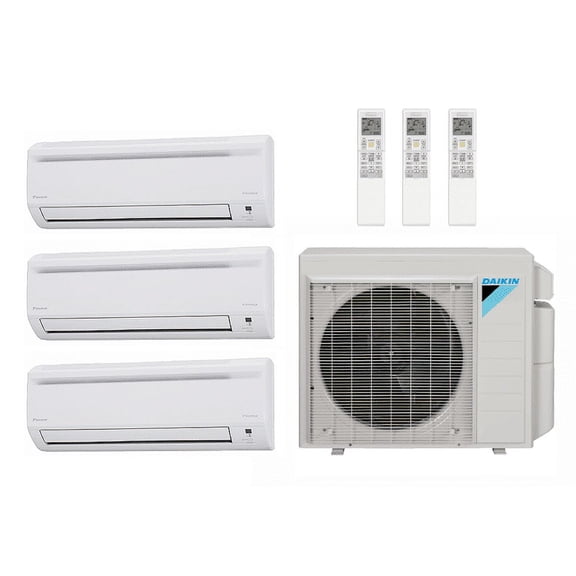
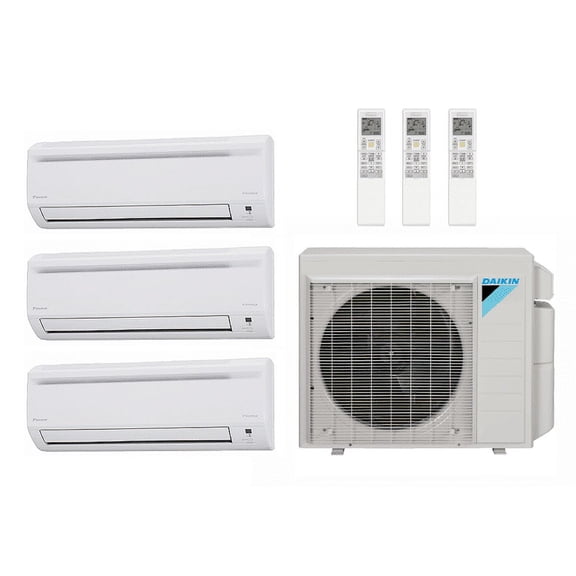
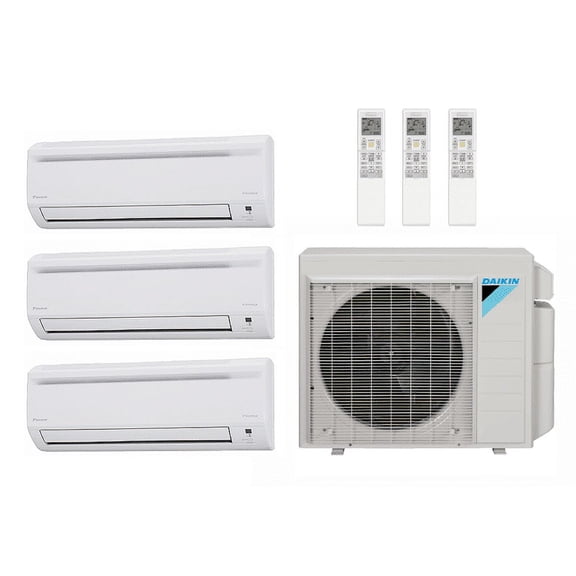
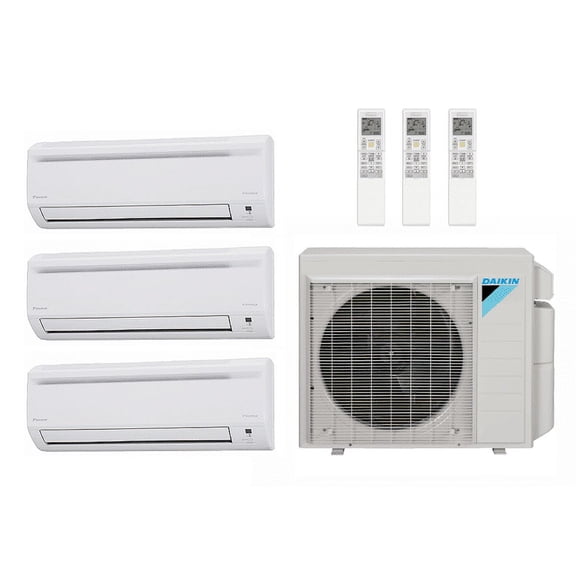
If you need coverage across several spaces, you can compare Daikin mini split air conditioners with multi-zone capability. You can connect several indoor units to one outdoor unit for a tidier exterior setup.
You may also consider Daikin ductless air conditioners with heat pump operation for year-round use. You can simplify planning when your home, addition, or garage doesn't use central ductwork.
- You can target one bedroom, office, or studio with a single-zone setup.
- You can condition several rooms with a Daikin multi zone AC configuration.
- You can compare heat pump split systems when you want cooling and seasonal warmth.
- You can plan around wall placement with Daikin wall mounted air conditioners.
Choosing the right BTU capacity for your space
You should match BTU output to room size because capacity shapes daily comfort and run time. You can compare 9,000, 12,000, 18,000, and 24,000 BTU options by square footage.
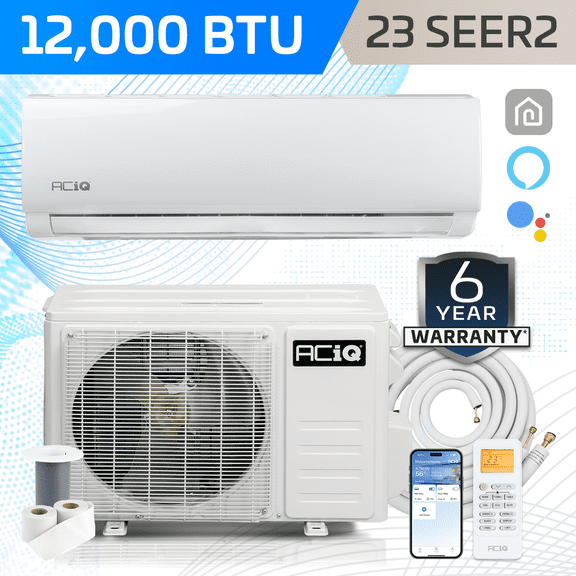
If you cool a smaller bedroom or office, you may prefer a 9,000 BTU system. If you outfit a mid-size room, a Daikin 12000 btu air conditioner may fit your layout.
You can look at 18,000 or 24,000 BTU systems for larger living areas and open plans. You should also consider ceiling height, sun exposure, insulation, and window count.
When you use a BTU calculator, you can compare area coverage with more confidence. You can avoid choosing a system that feels too small or too strong.
Comparing SEER ratings and efficiency details
You should compare SEER ratings because they show how efficiently your system uses electricity through the cooling season. You can often choose between 17 SEER, 20 SEER, and 22 SEER+ setups.
If you want straightforward performance, you may lean toward 17 SEER equipment for lighter demands. If you run cooling often, you can compare 20 SEER and 22 SEER+ models.
You should pair the SEER rating with your room size, climate, and run schedule. You can make a clearer decision when efficiency details match how often you use cooling.
Checking voltage compatibility before installation
You need to verify voltage before you order because electrical compatibility shapes installation planning. You can compare 115V systems with 208/230V systems based on your available circuit.
If you need a smaller setup for certain rooms, you may see 115V options that fit simpler applications. If you need higher output, you may compare 208/230V dedicated-circuit systems.
You should confirm your electrical service with an installer before choosing Daikin heat pump split systems. You can reduce planning surprises when voltage details are clear from the start.
Using Daikin air conditioners in real home layouts
You can use single-zone systems in bedrooms, home offices, garages, and enclosed additions. You can keep airflow focused where you spend the most time.
For larger homes, you can use multi-zone layouts when separate rooms need independent temperature settings. You can give different parts of your home more tailored coverage without adding ducts.
You may prefer Daikin ductless air conditioners when you remodel older homes, finish basements, or convert attics. You can place indoor units where wall-mounted airflow suits the room plan.
You should also plan for professional installation because mounting, line sets, and electrical work shape the final setup. You can set clearer expectations before your system arrives.
When you compare system type, BTU range, SEER level, and voltage together, you can narrow choices quickly. You can move forward with a Daikin setup that fits your rooms and installation needs.