









Electric and Manual Coffee Grinders for Home Use


















About Electric and Manual Coffee Grinders for Home Use - Walmart.com
Coffee grinders help you control freshness, grind size, and flavor before every brew. You can compare burr, blade, electric, and manual options for your routine.
When you grind beans right before brewing, you keep more aroma in your cup. You also get grounds that fit espresso, drip coffee, pour over, or French press.
How to choose coffee grinders for your brew style
You should start with your usual brew method before you compare grinder details. Your espresso setup needs a finer grind, while your French press needs a coarser texture.
If you brew different drinks during the week, you may want adjustable settings. You can move from fine to coarse more easily with multi-setting or stepless designs.
You may also want to think about how much coffee you grind each morning. Your single-serve routine may need a compact chamber, while your larger household may need more capacity.
Choosing between burr coffee grinders and blade styles
You’ll notice the main choice is burr versus blade. Your decision affects grind consistency, which changes how evenly your coffee extracts in the brewer.
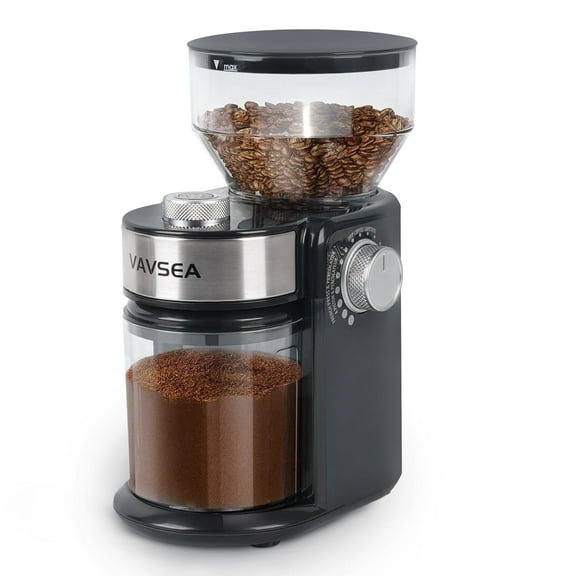
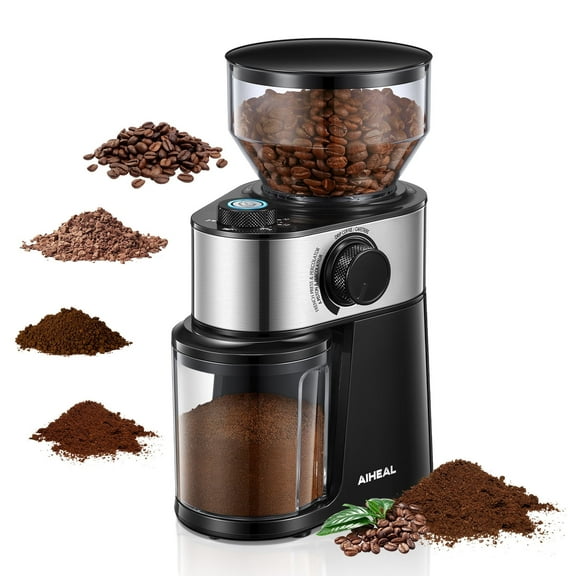
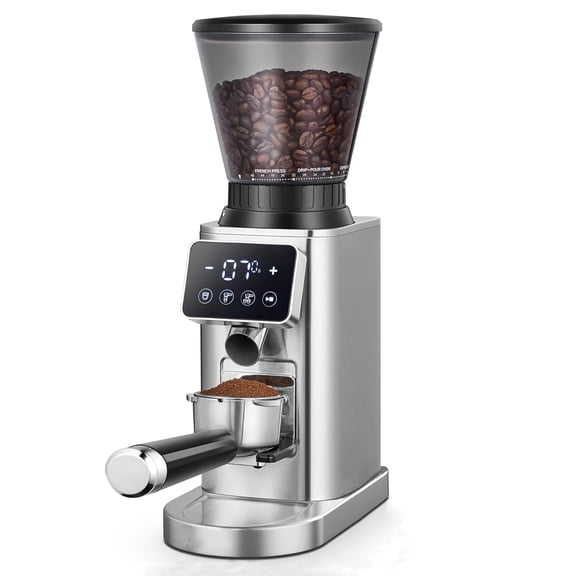
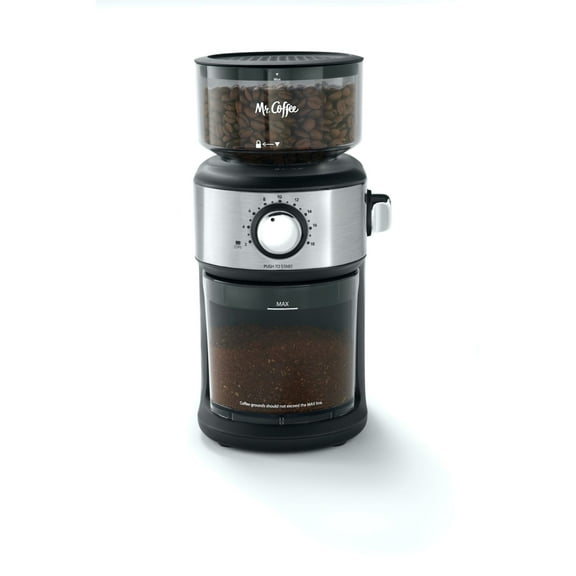
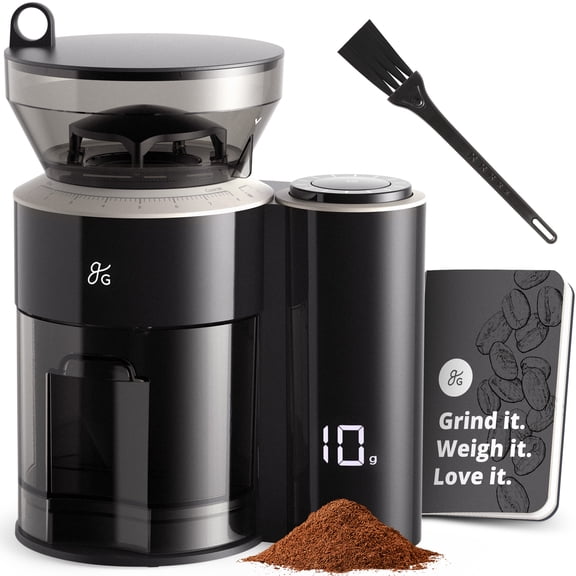
With burr coffee grinders, you usually get more even grounds across each batch. You can dial in particle size more precisely for espresso shots, pour over cups, and balanced drip coffee.
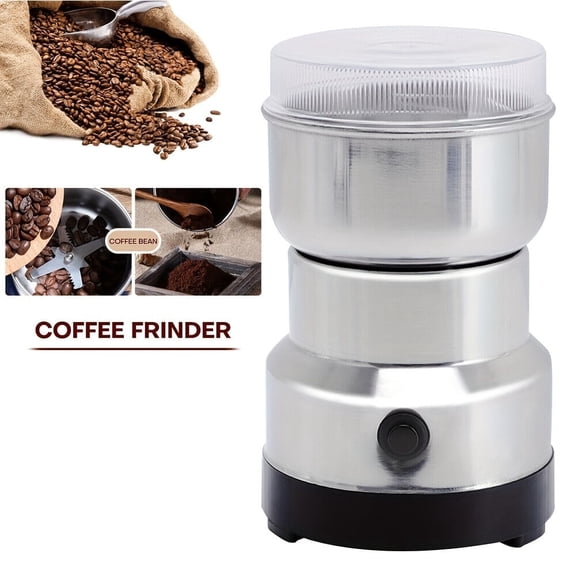
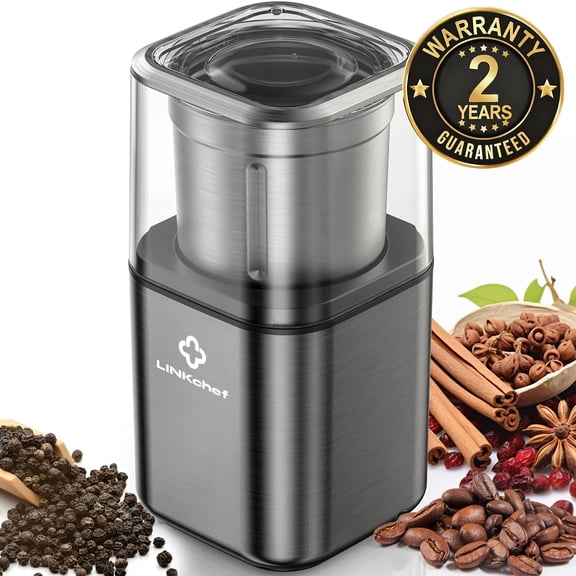
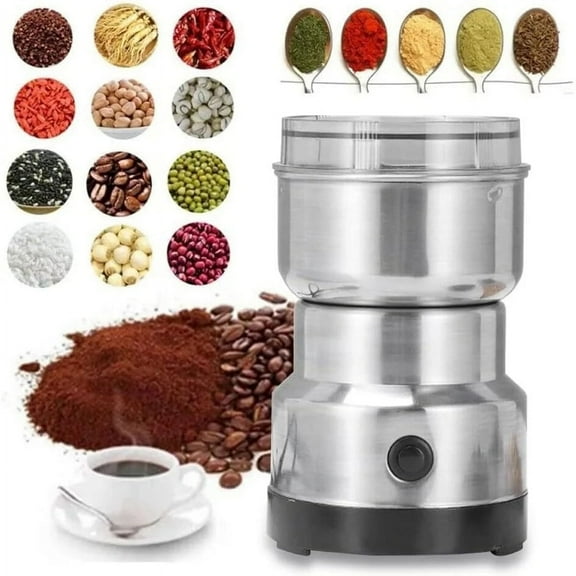
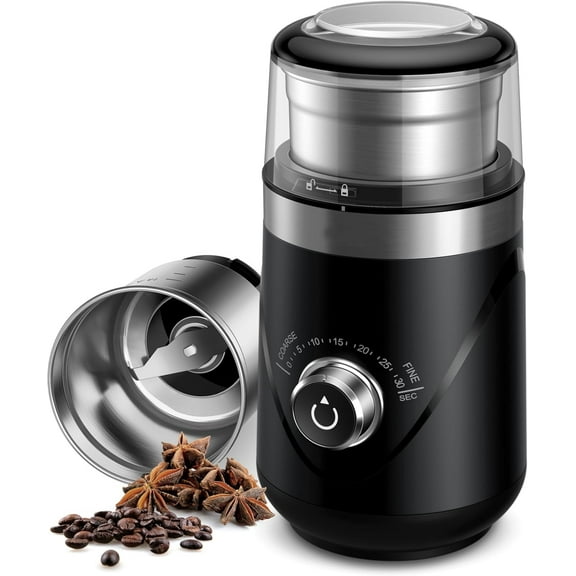
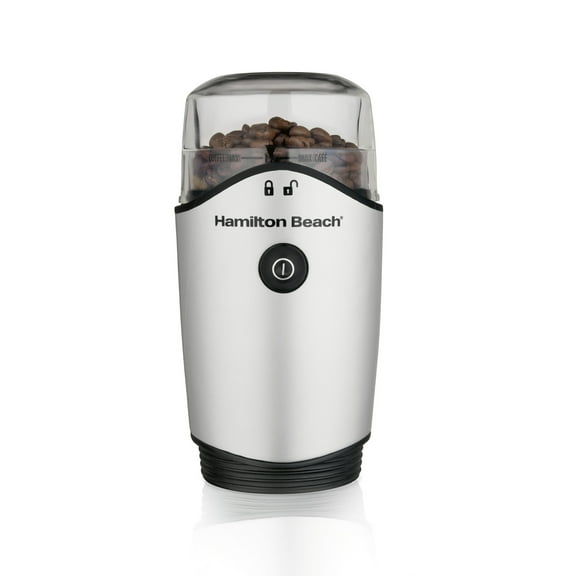
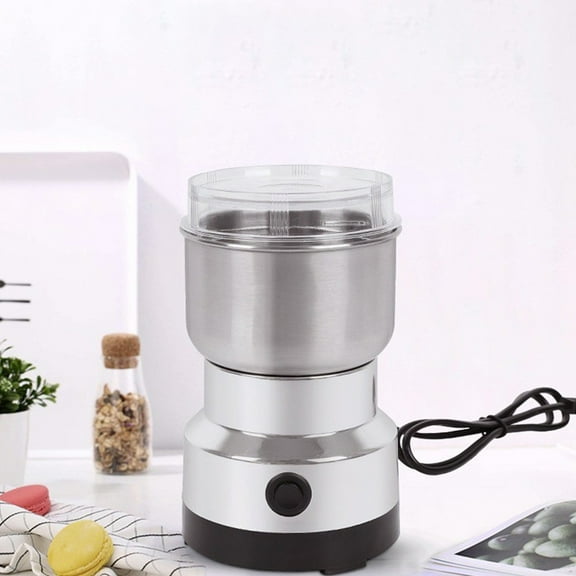
Blade styles chop beans with a spinning blade, so your grind can vary more. You may prefer that simple approach when you want a straightforward tool for everyday brewing.
When you compare conical burr coffee grinders with other burr designs, you should focus on control. You’ll often get steadier particle size, which helps when your recipe depends on repeatable results.
You may also see flat burr references when you compare grinder mechanisms. You should look for lower heat transfer during grinding, because your beans can keep more original character.
- You get more control over grind size when you choose burr mechanisms.
- You can match coarse, medium, or fine grounds to your brewer more easily.
- You may get a cleaner tasting cup when your grounds stay more consistent.
- You can choose blade styles when your routine favors simplicity and quick prep.
Comparing electric coffee grinders and manual coffee grinders
You should decide whether convenience or portability matters more in your routine. Your morning schedule, counter space, and travel habits can point you toward the right power source.
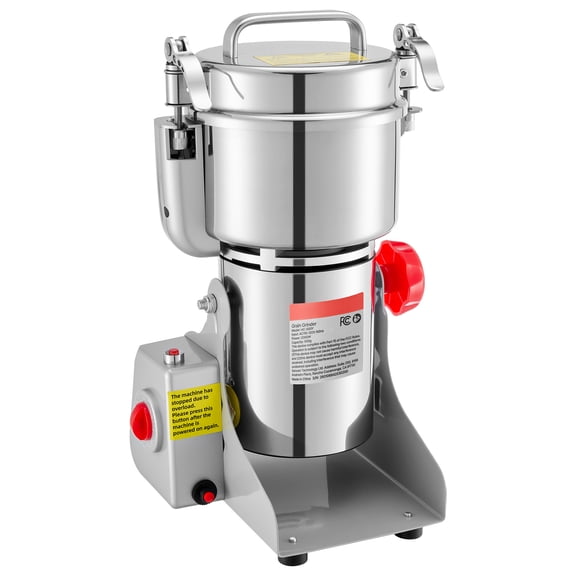
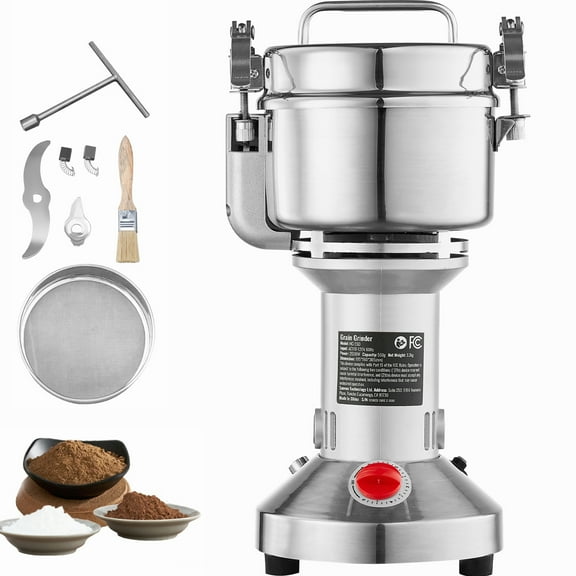
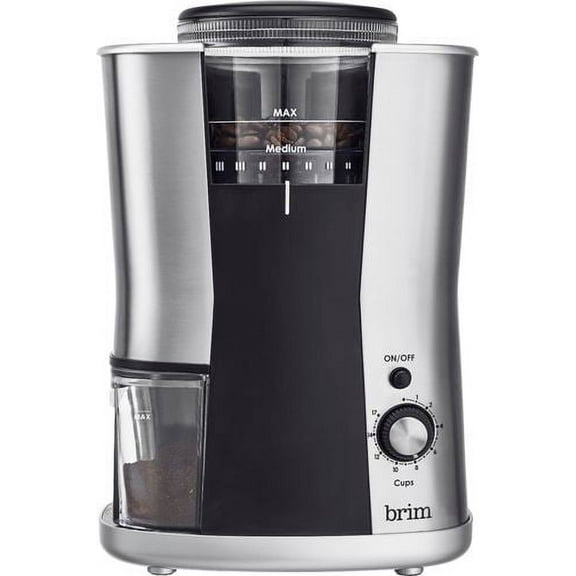
Electric coffee grinders work well when you want fast prep before work or school. You can grind larger batches with less effort when your household makes several cups.
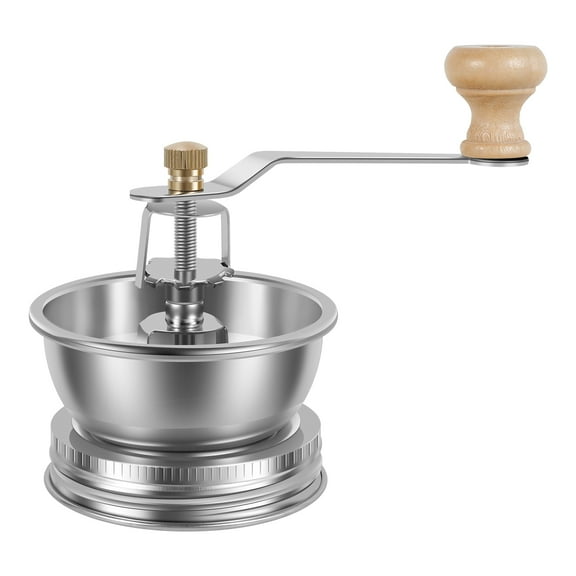
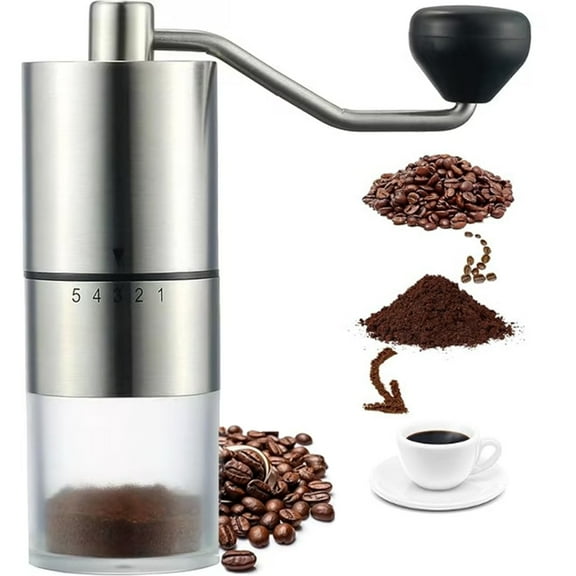
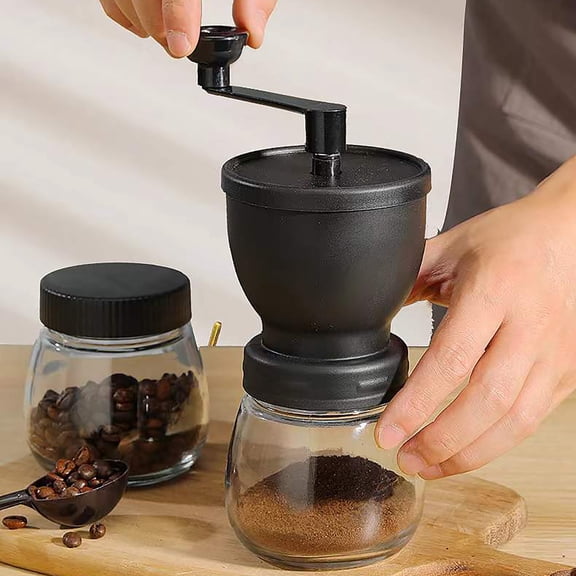
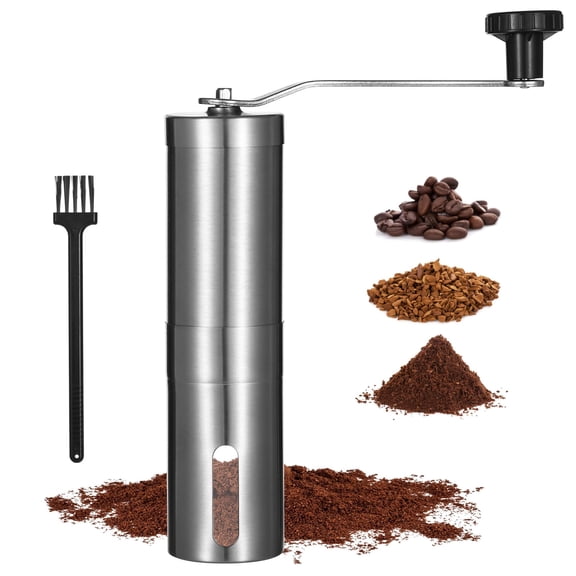
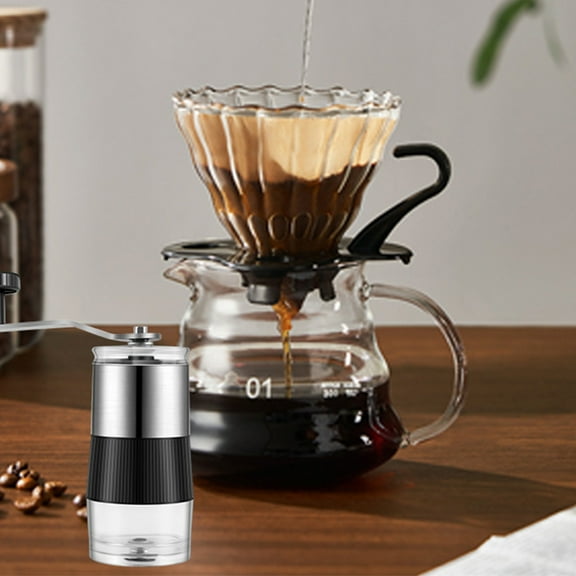
Manual coffee grinders fit well when you want a quieter process and compact storage. You can pack a hand-cranked grinder for travel, camping, or office brewing without relying on an outlet.
If you make one cup at a time, you may like the control of a manual option. If you brew for several people, you may prefer an electric model with a larger chamber.
You should also think about cleanup and footprint before you choose. Your smaller kitchen may benefit from a travel size design that tucks into a cabinet or drawer.
Understanding grind settings and precision coffee grinders
You should match grind settings to your brewer, not just to the grinder body. Your espresso machine usually needs very fine grounds, while your drip maker uses a medium grind.
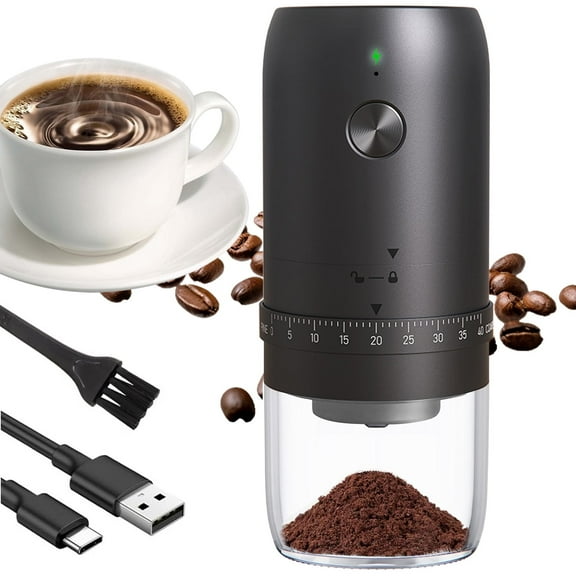
For pour over coffee, you may want small adjustments to refine flow and flavor. You can fine-tune your results more easily with precision coffee grinders that offer more setting choices.
Adjustable grinders let you test recipes without changing beans or brew gear. You can move toward coarse grounds for French press, then back toward fine grounds for espresso.
If you like to experiment, you may want stepless control instead of fixed clicks. Your grinder can then make tiny changes that help you refine extraction from one bag to the next.
You should also compare hopper and chamber design when you read product details. Your workflow may feel smoother when beans feed evenly and grounds collect neatly for quick transfer.
Matching capacity and use case to your daily routine
You should choose capacity based on how many cups you brew each day. Your single-serve setup may need only a small chamber, while your family routine may need large capacity.
Travel size coffee bean grinders make sense when you brew away from home. You can pair a compact grinder with a portable brewer for fresh grounds on trips.
If you pull espresso shots, you should prioritize fine control and repeatable output. Your grinder needs to support small changes, because espresso responds quickly to grind size shifts.
For drip coffee, you may want easy everyday operation and a chamber that fits your batch. You can prep enough grounds at once for your carafe without extra rounds.
French press brewing usually works well with coarser grounds and clear setting changes. You should look for a grinder that helps you avoid too many fine particles in the mix.
Pour over fans often want precise adjustments and consistent flow through the filter. You can compare precision coffee grinders when you want more control over timing and cup character.
If you’re choosing coffee grinders for gift giving, you should think about routine first. Your recipient may enjoy electric convenience, manual portability, or burr control based on brewing habits.
You’ll feel more confident when your grinder matches your brewer, batch size, and daily habits. You can build a smoother coffee routine with steadier grounds and more reliable flavor.