

Silicone Caulk in Caulking & Sealants


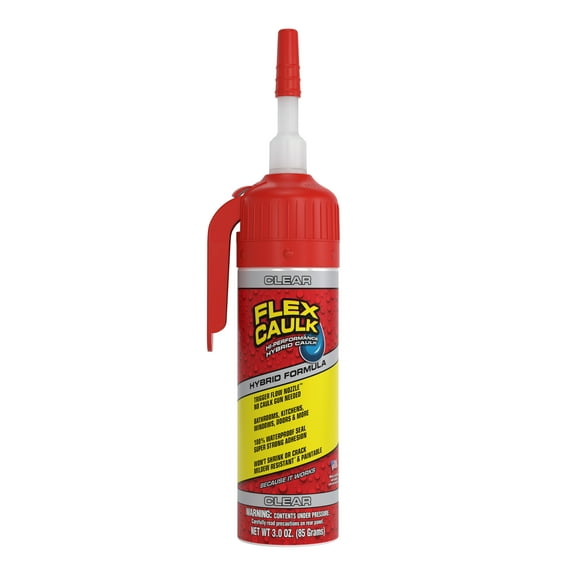


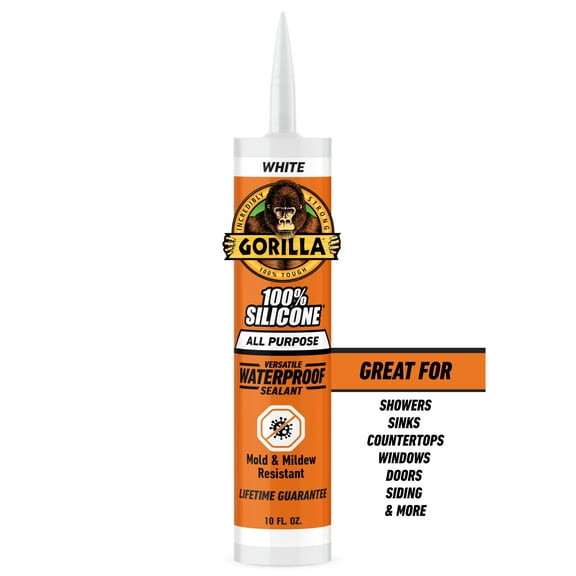


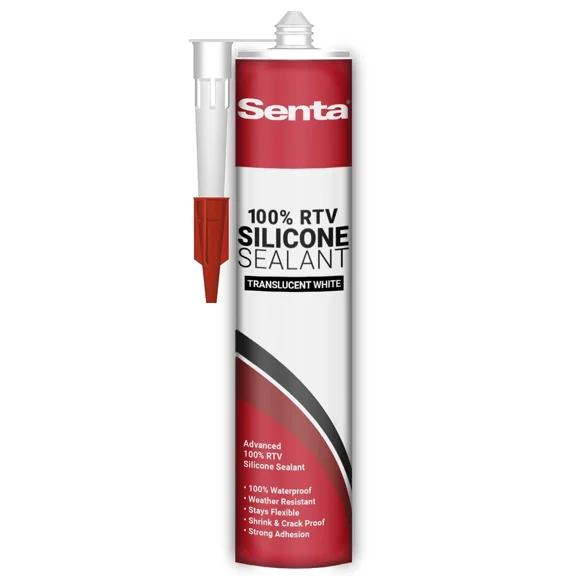





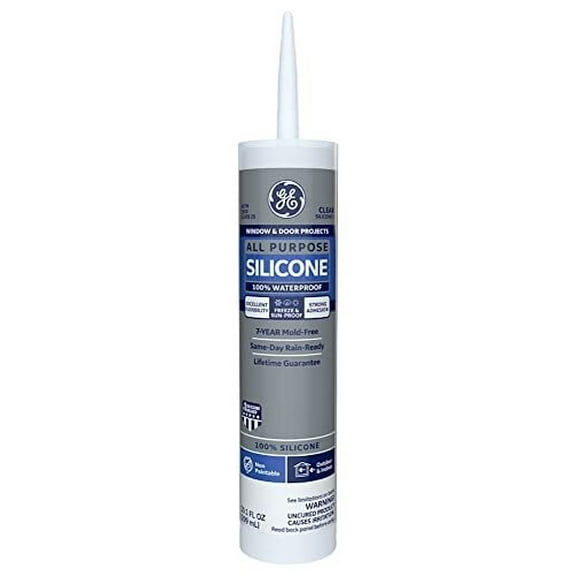

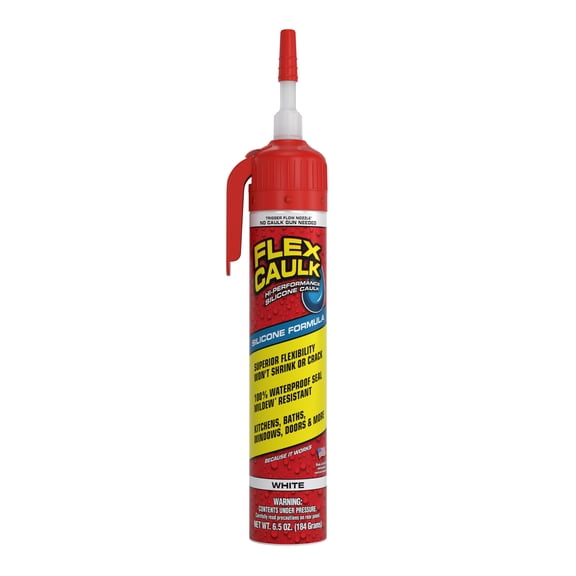
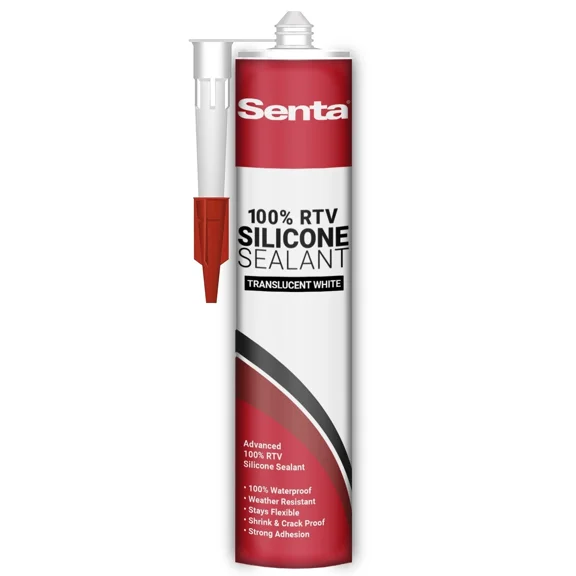

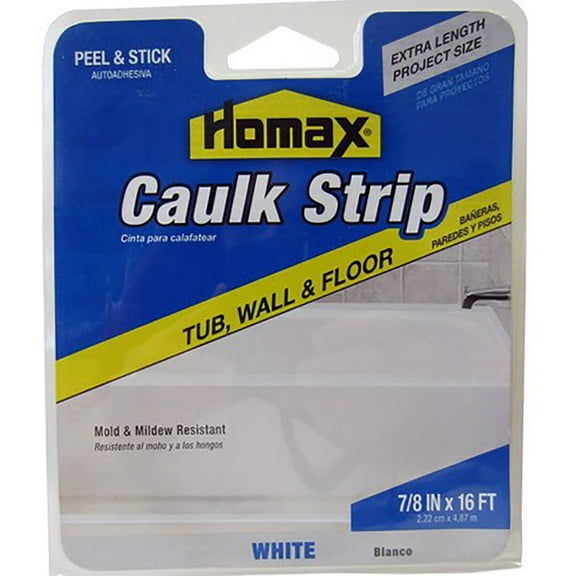
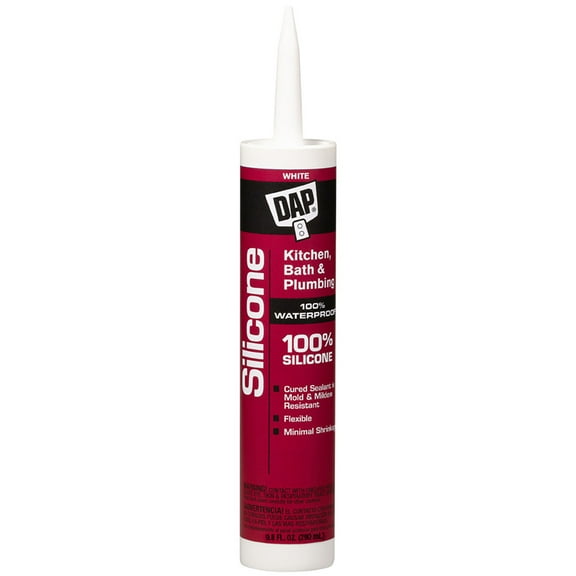


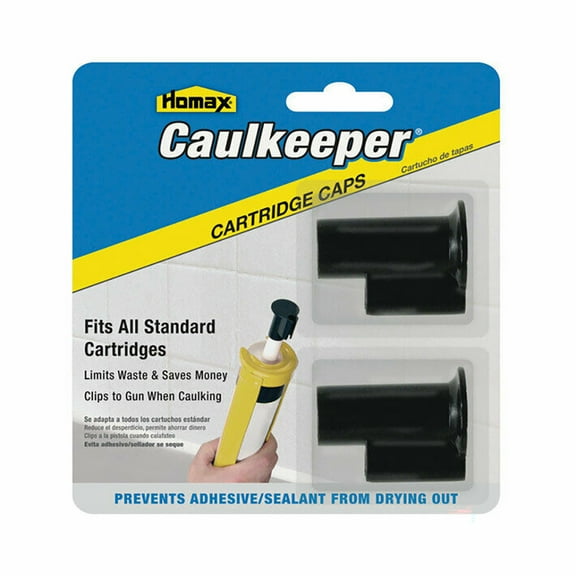

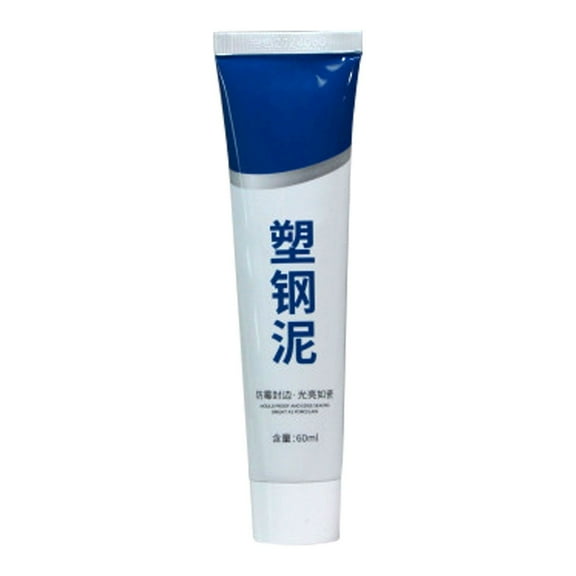

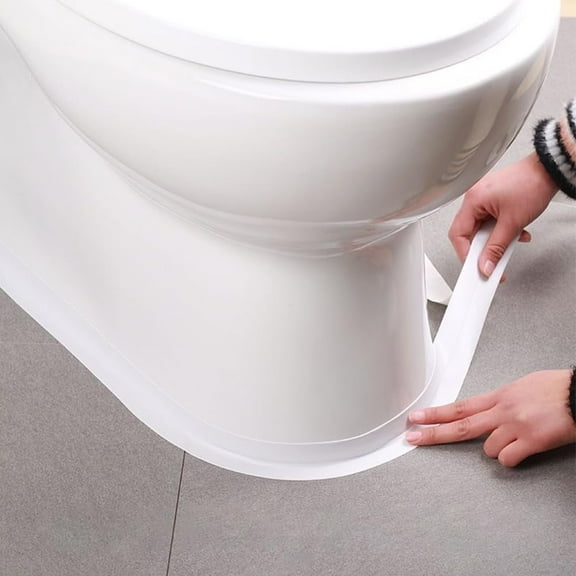
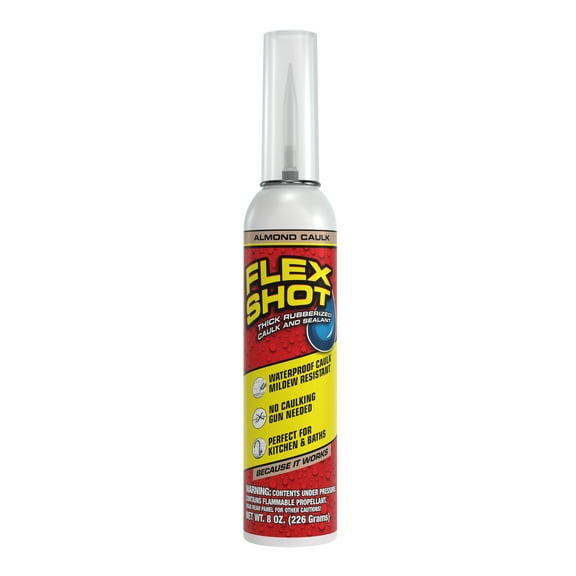


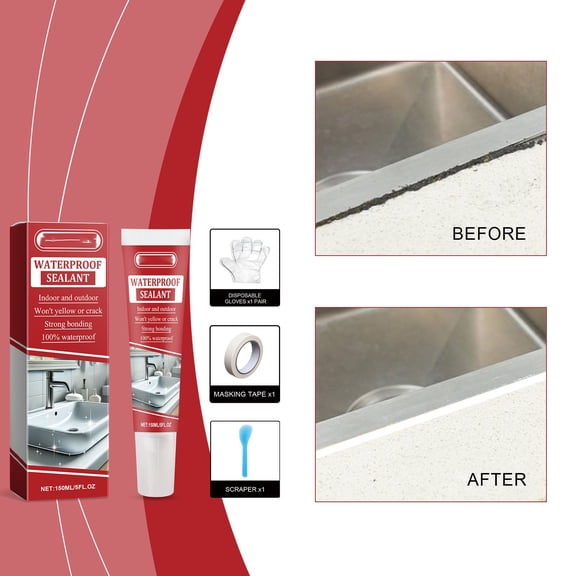






About Silicone Caulk in Caulking & Sealants - Walmart.com
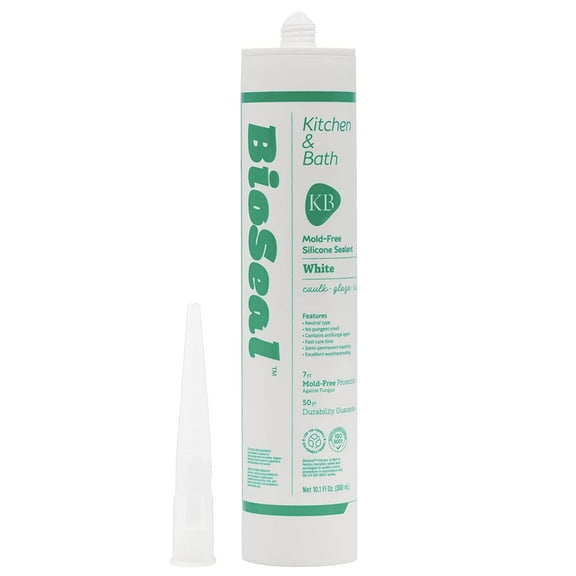
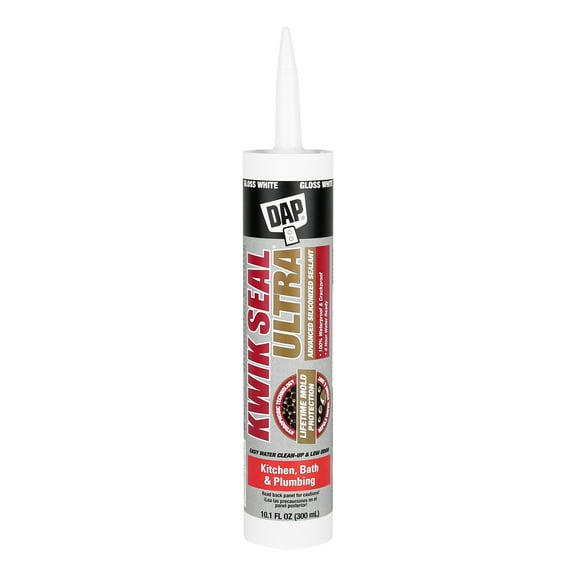
Silicone caulk helps you seal wet areas, trim gaps, and outdoor joints with lasting flexibility. You can compare formulas by composition, water exposure, surface fit, and finish before you start.
If you're sealing a tub edge, window frame, or gutter seam, you need category guidance that matches the job. You can use these decision points to narrow options that fit kitchen, bath, exterior, and marine projects.
How to choose silicone caulk by formula
You'll usually start with material composition because it affects adhesion, paintability, and long-term flexibility. You can compare 100% silicone, siliconized acrylic, and polyurethane based on the surface and finish you need.
If you want strong water exposure performance, you may prefer a 100 percent silicone sealant for tubs, showers, sinks, and backsplashes. You should know pure silicone usually isn't paintable, so your final color matters from the start.
When you need easier paint matching, you may consider siliconized acrylic for trim lines and lighter moisture exposure. You can often smooth it easily, and your painted finish may blend better around interior edges.
If your project faces movement outdoors, you may look at polyurethane for demanding joints and exterior seams. You can use it where durability and adhesion matter across changing weather and shifting materials.
What to look for in waterproof silicone for showers
You'll want to check the water resistance level before you compare colors or package size. You can narrow choices quickly by looking for waterproof use, mold and mildew resistance, and water-ready timing.
If you're sealing a shower corner or tub surround, waterproof silicone for showers gives you a practical place to start. You should compare labels that note shower, bath, or kitchen use for everyday splash zones.
Many shoppers look for mold and mildew resistant options because damp spaces stay humid for long stretches. You can also check for mildewcide additives or a 100% silicone formula when that detail matters.
You should also review how soon your seal can face water after application. Some formulas are water-ready in about 30 minutes, while others need a longer cure before full exposure.
- You can choose waterproof formulas for shower walls, tub edges, and sink rims.
- You can compare mold and mildew resistance for bathrooms, laundry areas, and other damp rooms.
- You can check water-ready timing when your project needs a faster return to use.
- You can match the formula to indoor or outdoor exposure before you open the tube.
Choosing the right surfaces and application areas
You'll get a cleaner result when you match the sealant to the surface you're working on. You should check whether the label mentions tile, glass, metal, vinyl, acrylic, or wood trim.
If you're sealing around acrylic tubs or shower surrounds, you should confirm compatibility before application. You can avoid guesswork by choosing formulas labeled for bath fixtures, tile edges, and nonporous surfaces.
For window and door frames, you may want a seal that stays flexible through seasonal expansion. You can use that flexibility to help close narrow gaps around frames, siding transitions, and exterior trim.
When you're working on gutters and flashings, you should focus on outdoor-rated adhesion and weather exposure. You can compare formulas meant for roofline details, metal joints, and water-shedding seams.
If your project involves docks, boats, or hardware near constant moisture, you may review marine use notes carefully. You can use those details to separate household bath formulas from harsher exposure options.
Comparing finish, color, and paintability
You'll want the finished bead to look right once the job is complete. You can choose clear, white, almond, or black depending on the fixture, trim, or joint line.
Clear works well when you want the seal line to blend with glass, shiny tile, or mixed surfaces. White often suits tubs, sinks, and shower surrounds, while almond can better match warmer bath fixtures.
Black may fit window trim, metal framing, or exterior accents where you want a darker seam. You should pick the final shade carefully because pure silicone usually doesn't accept paint afterward.
If paintability matters, you may compare acrylic blends instead of pure silicone formulas. You can use that choice around trim or finishing work where your wall or casing color needs a matched topcoat.
Using silicone sealant for real home projects
You'll often choose silicone sealant for kitchen and bath jobs where splashes, steam, and routine cleaning matter. You can run a neat bead along backsplashes, sink rims, tub decks, and shower door frames.
For exterior repairs, you may use it around windows, doors, vents, and flashing details. You can help keep joints neat and flexible where sunlight, rain, and seasonal movement affect the seam.
If you're replacing old lines in a bathroom refresh, you may compare color, cure time, and mold resistance first. You can then match a formula to tile, acrylic, or glass without overcomplicating the project.
When you're stocking up for a full sealing setup, you may also need caulk guns and painters tape. You can keep edges straighter and application smoother when your prep tools fit the job.
Silicone caulk gives you a clear way to match formula, surface, water exposure, and finish before you begin. You can make cleaner sealing decisions and get a result that suits your space longer.