

Classroom Rugs in Kids & Teen Rugs

























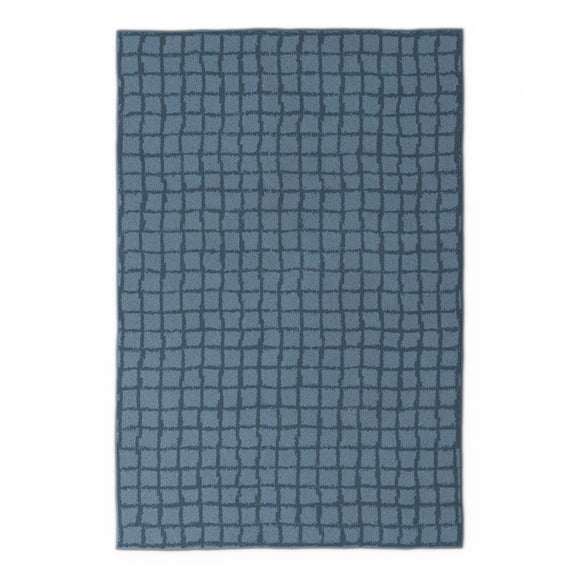
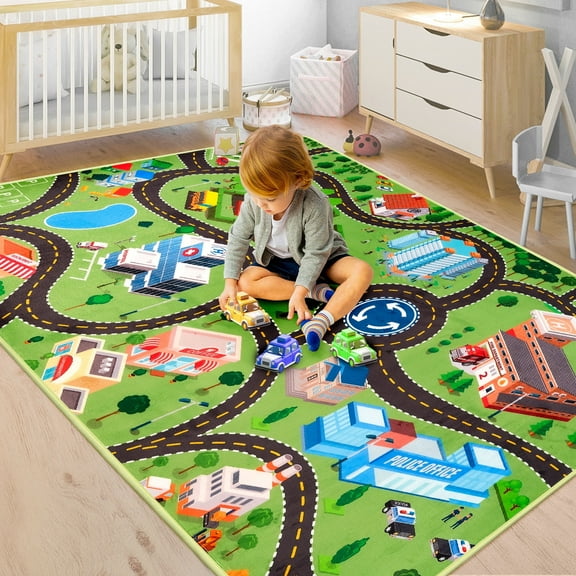





















About Classroom Rugs in Kids & Teen Rugs - Walmart.com
Classroom rugs help you define learning zones, support circle time, and add comfort to busy school spaces. You can compare shapes, themes, sizes, and school-ready materials to match your room setup.
If you're planning for preschool, kindergarten, or elementary spaces, you need details that fit daily classroom routines. You can use this guide to compare educational rugs, school rugs, and classroom carpets with confidence.
How to choose classroom rugs for your layout
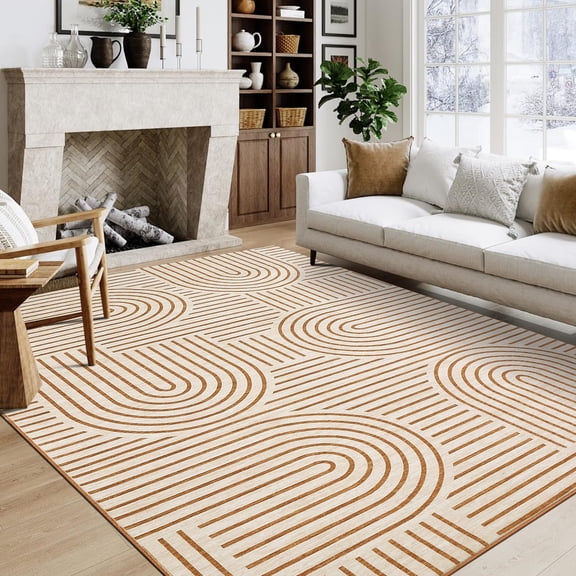
You should start with size because it affects seating, walkways, and furniture placement. You can use a 5x7 rug in smaller reading corners, while a 6x9 rug suits compact group lessons.
If you teach larger groups, you may prefer large classroom rugs like 8x12 options for circle time. You can give more students defined sitting spots without crowding shelves, tables, or entry paths.
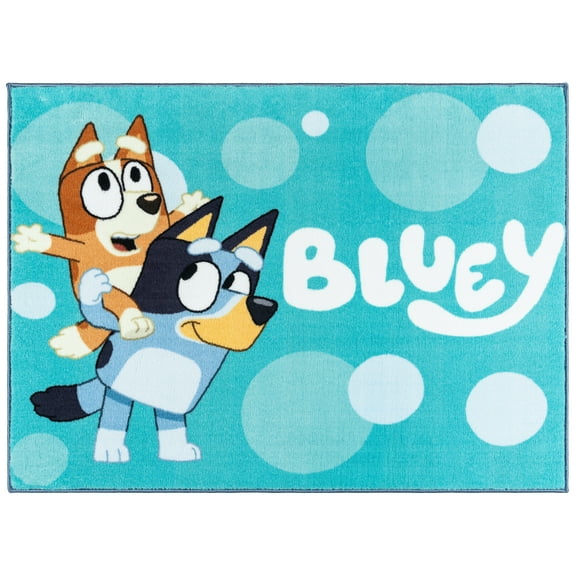
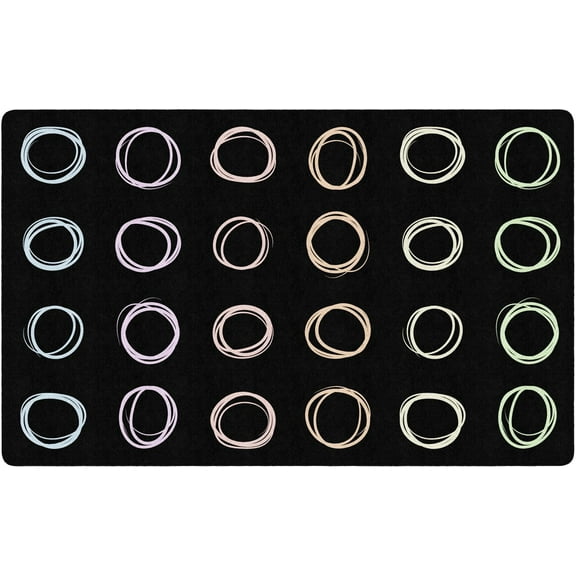
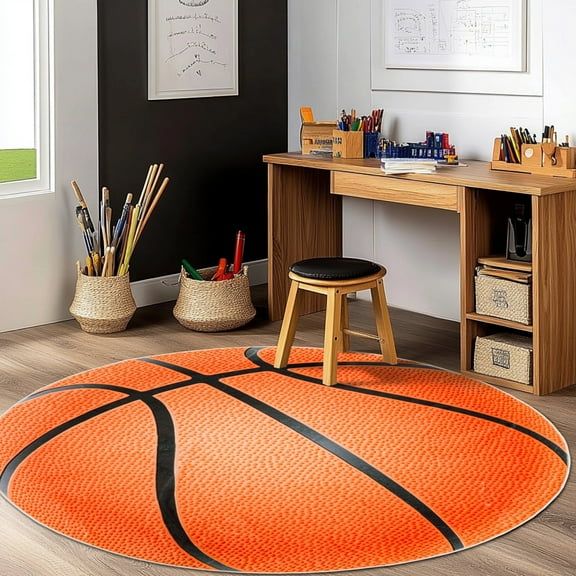
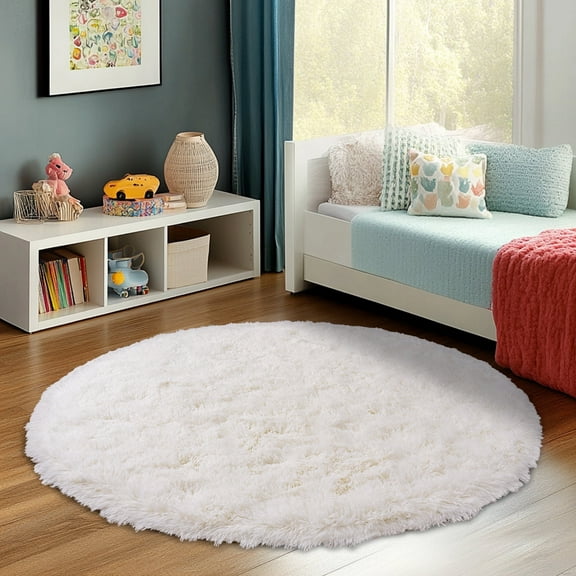
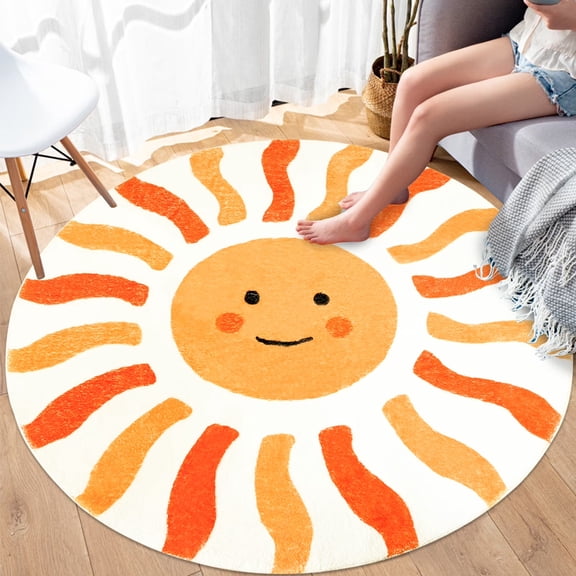
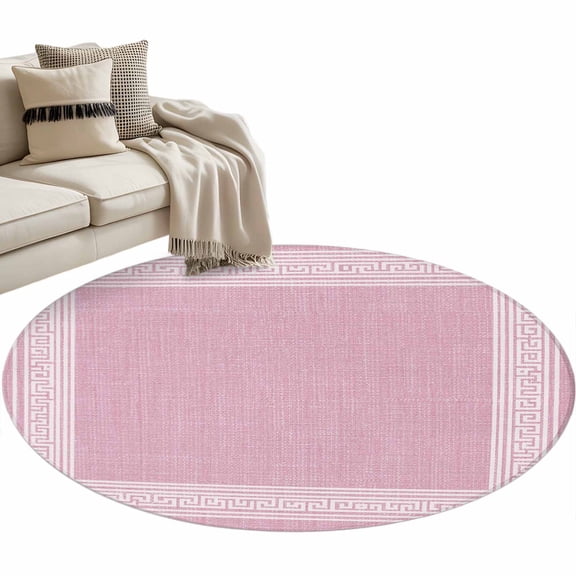
Shape also changes how your room feels and functions during lessons. You can use rectangular rugs for rows and centers, while round classroom rugs support group discussion and shared visibility.
Oval and square designs can help you soften traffic flow or fit tighter classroom zones. You should measure open floor space first, then compare rug edges against desks, storage bins, and doors.
What to look for in educational rugs and themes
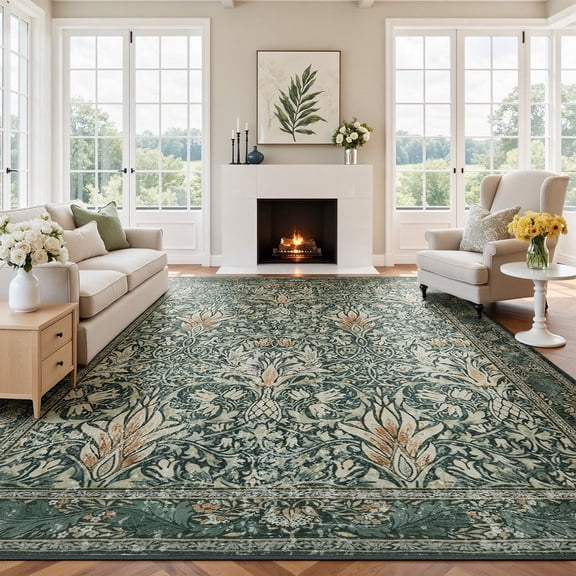
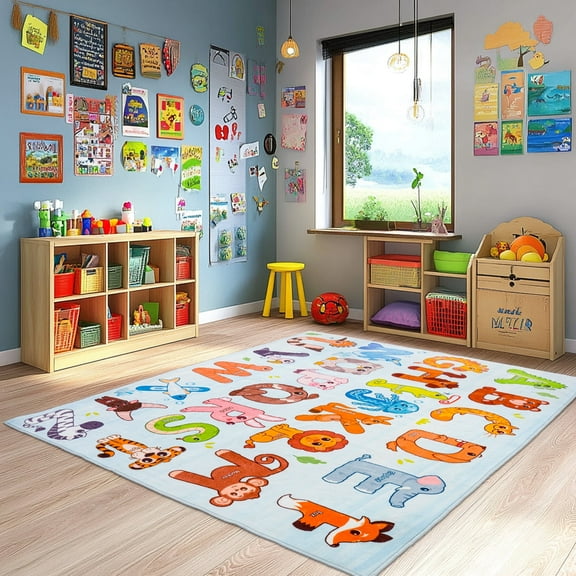
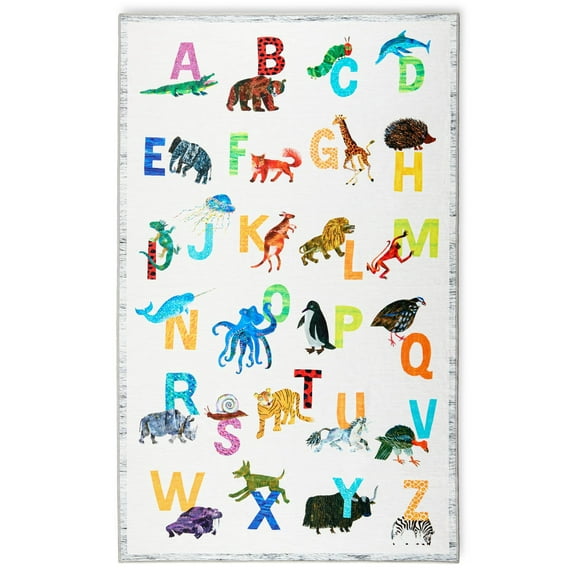
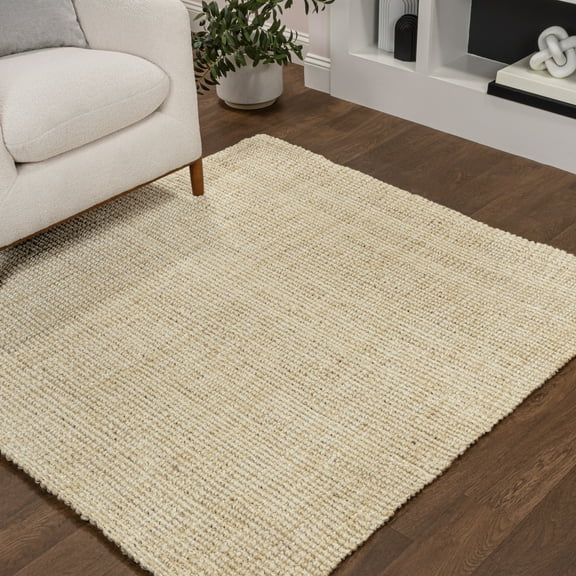
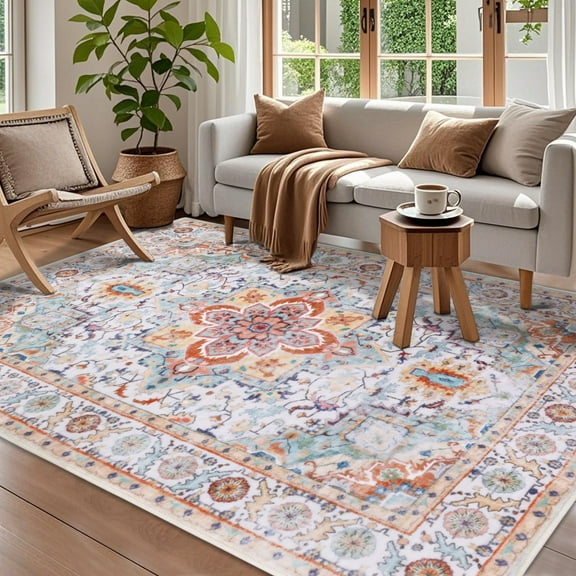
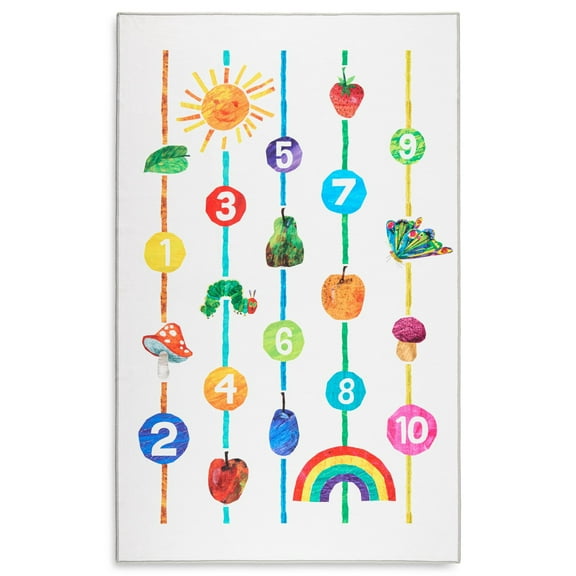
You can narrow your options by deciding whether your rug should teach, guide, or blend in. Alphabet rugs and numbers themes support early learning, while solid or boho looks keep your decor flexible.
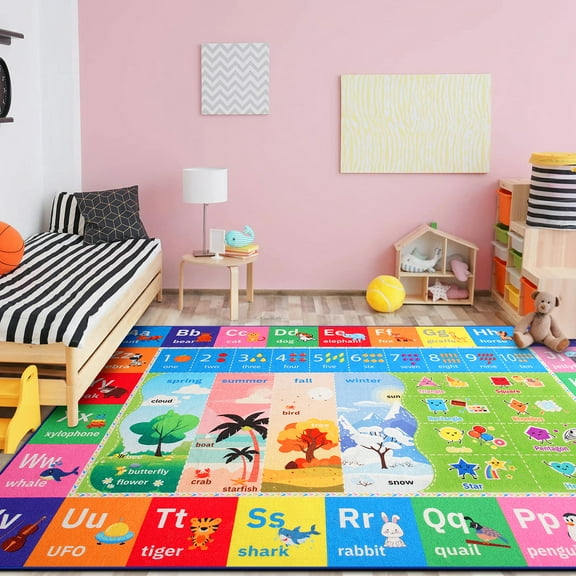
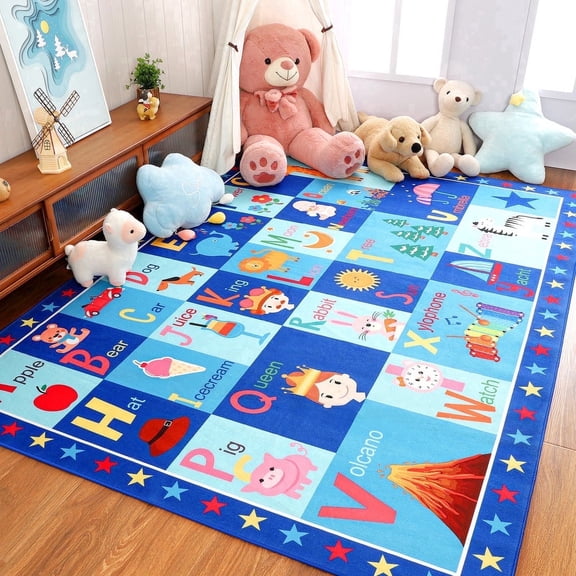
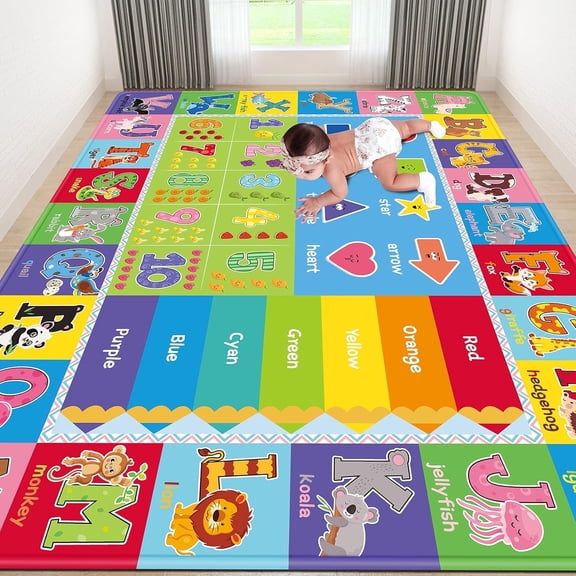
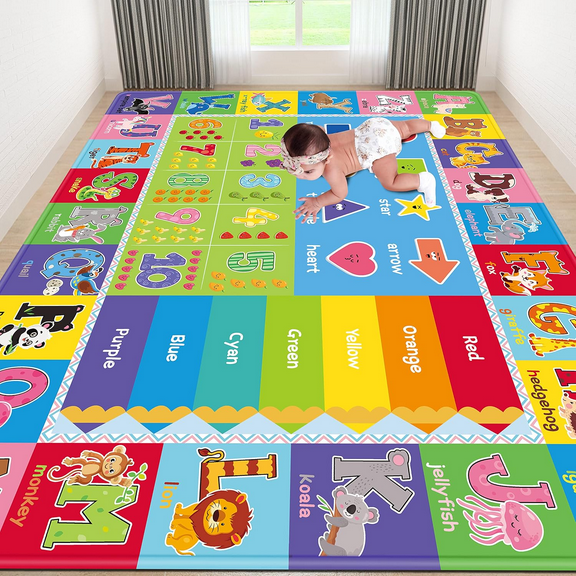
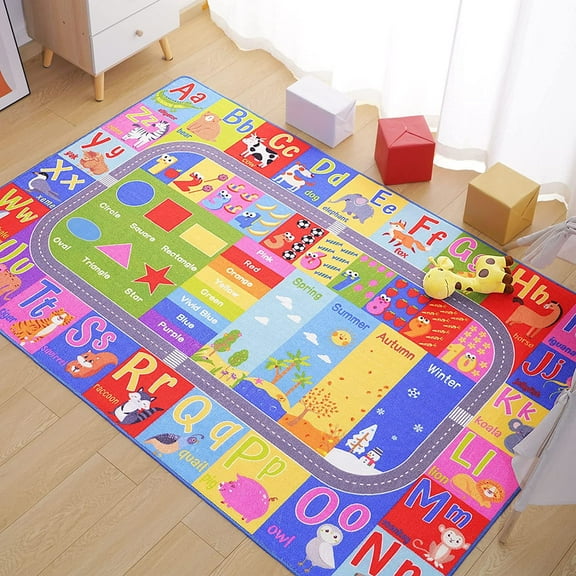
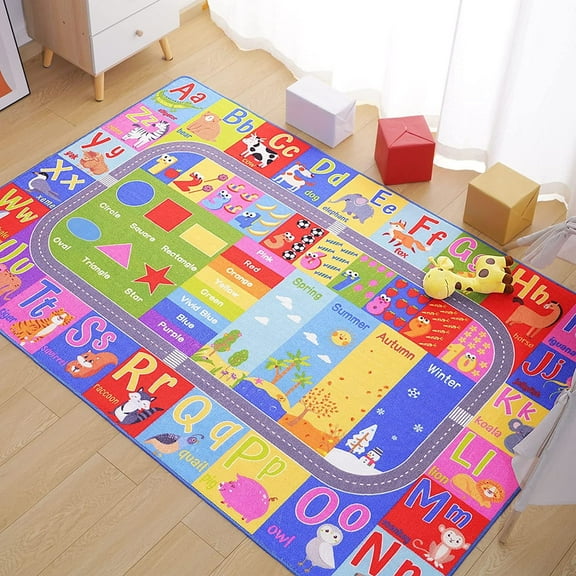
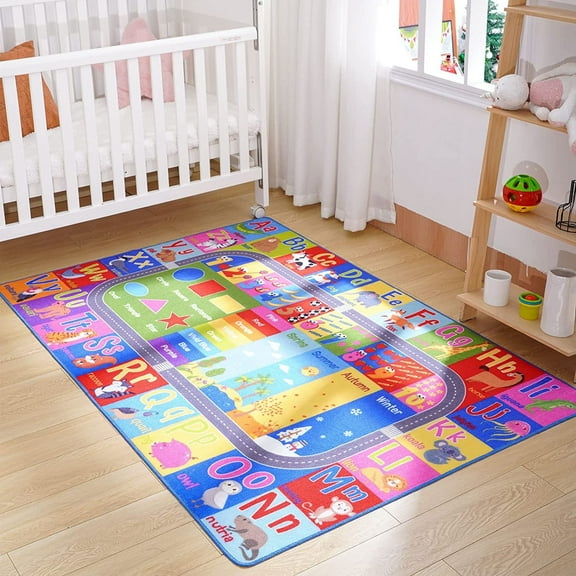
If you teach younger students, preschool rugs and kindergarten rugs often include letters, counting spaces, or bright seating markers. You can use those details to support name recognition, routines, and group participation.
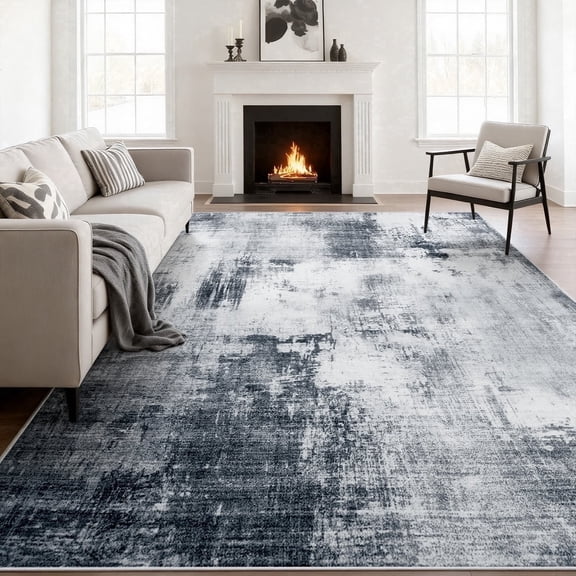
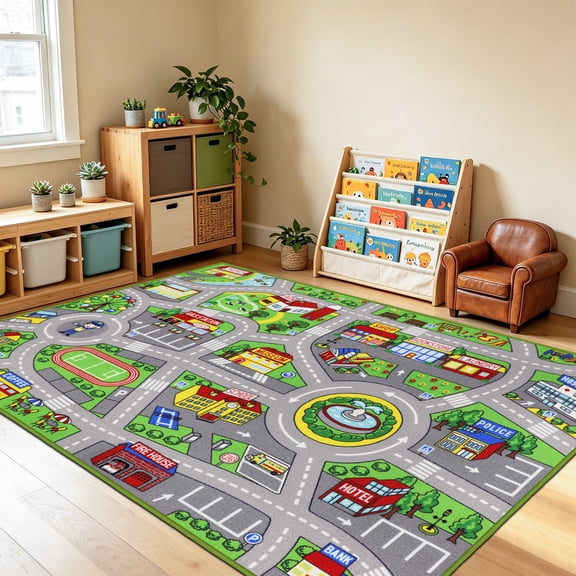
Map themes and kids learning carpets add visual points for geography corners or activity stations. You may prefer neutral school rugs when you want the rug to anchor the room without directing instruction.
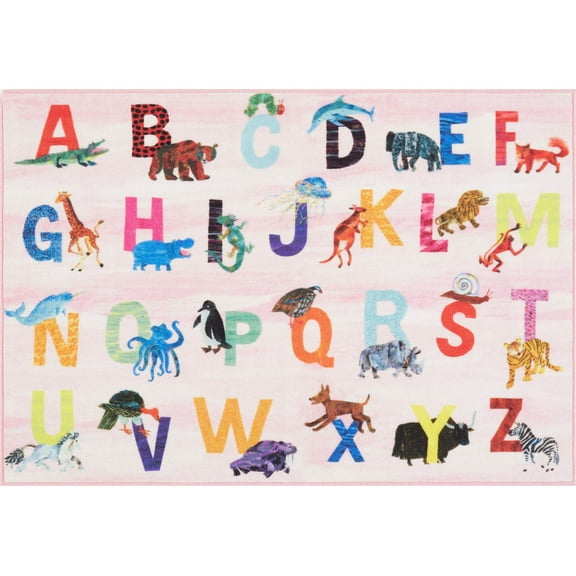
- You can use alphabet classroom rugs to reinforce letter familiarity during circle time.
- You can choose numbers themes when your floor space doubles as a counting or sorting area.
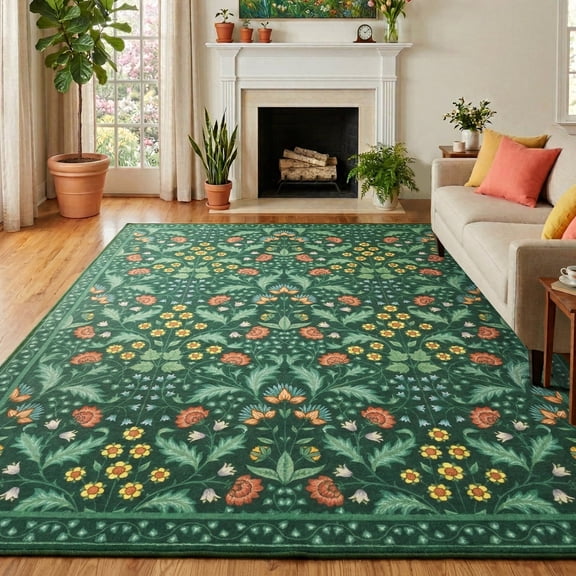
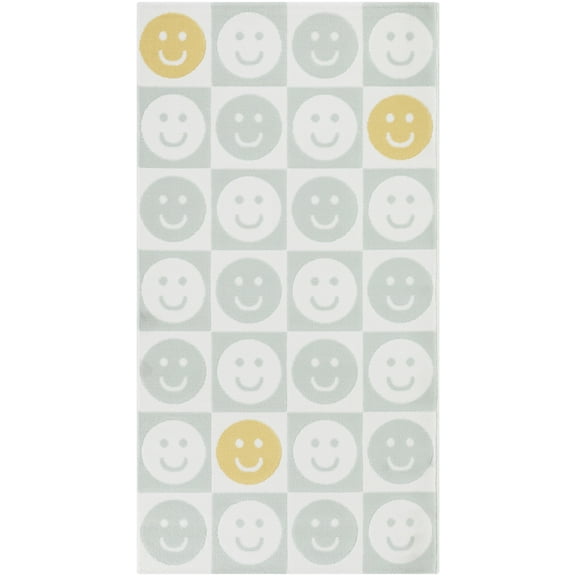
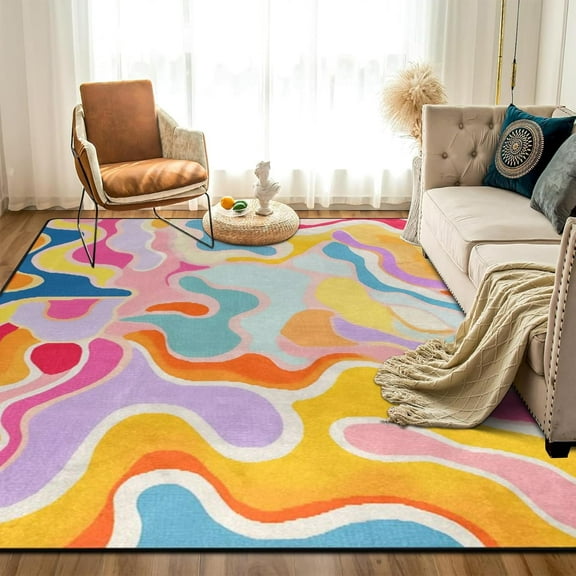
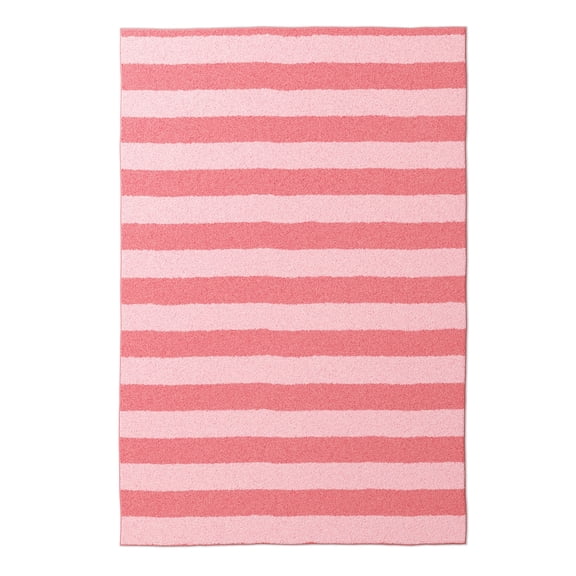
- You can pick solid or boho styles when your bulletin boards already carry most visual instruction.
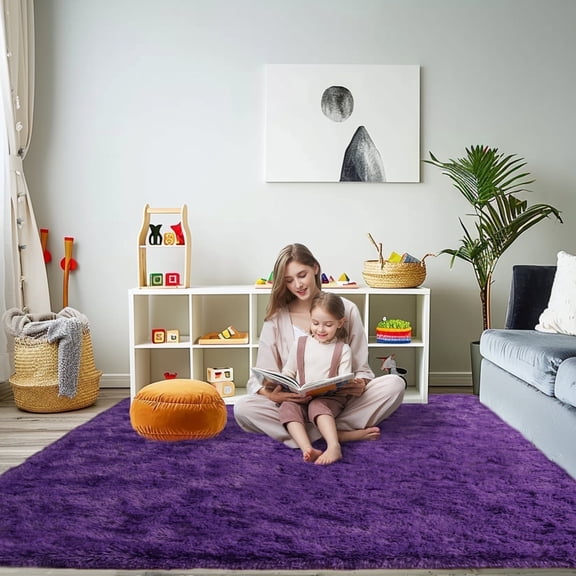
- You can select reading area rugs to create a clear corner for quiet group reading.
Comparing materials, backing, and classroom carpets safety details
You should check materials and backing because daily school use calls for stable placement and easy upkeep. Washable classroom rugs help you manage frequent messes, and nylon surfaces often handle repeated foot traffic well.
Non-slip backing matters when you place rugs near tables, line-up zones, or active learning centers. You can look for that feature when you want the rug to stay in place during movement-heavy routines.
If your school reviews compliance details, you may also check for a Class I flammability rating. You can treat that rating as a decision point for school fire code expectations and district purchasing needs.
Fire-retardant construction can matter in shared learning spaces, especially when you follow building requirements. You should also compare edge finish and pile height, since lower profiles can work smoothly under chairs and teacher carts.
Choosing classroom rugs for cleaning and daily use
You need surfaces that fit the pace of real classrooms, not just the look of a display room. Washable options and stain-tolerant fibers can help you keep your space ready for daily lessons.
If you manage snacks, art time, or indoor play, you should compare cleaning methods before you choose. You can wipe some surfaces quickly, while other classroom rugs may be easier to refresh with routine washing.
Reading area rugs often see constant sitting, shifting, and book basket traffic throughout the day. You may want durable classroom carpets that keep their shape where students gather for repeated story time.
In preschool rooms, you might clean more often after crafts, sensory play, or rest-time transitions. You can simplify upkeep by choosing washable materials and patterns that keep everyday classroom use looking neat.
Matching school rugs to grade level and teaching style
You can match rug style to the way you teach and the age group you serve. Preschool classroom rugs often focus on colorful cues, while elementary rooms may need calmer designs for multi-subject use.
If you teach phonics or counting, educational rugs with clear symbols can support floor-based instruction. You can point to letters, numbers, or themed icons without adding another classroom tool.
For guided reading, you may want reading area rugs that define a quieter zone near shelves or bins. You can create visual boundaries that help students understand where small-group learning begins.
When your classroom shifts between instruction, play, and transition time, flexible themes can make planning easier. You should compare age level, subject focus, and room layout together before choosing classroom rugs.
Why the right classroom rugs matter
You can make your classroom feel organized, welcoming, and ready for daily instruction with the right rug choice. When you match size, shape, theme, and school-ready construction, you get a floor space that supports learning clearly.
You deserve classroom rugs that fit your seating plan, cleaning routine, and curriculum goals. With the right combination, you can create a more usable teaching area from the moment students gather.