

Brass Chandeliers in Chandeliers
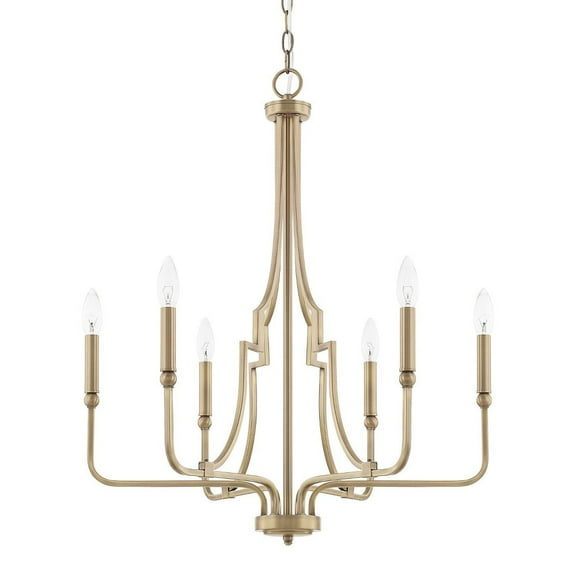
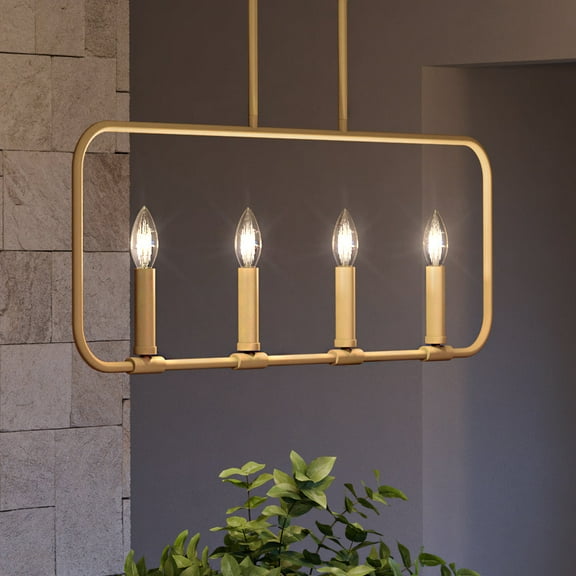
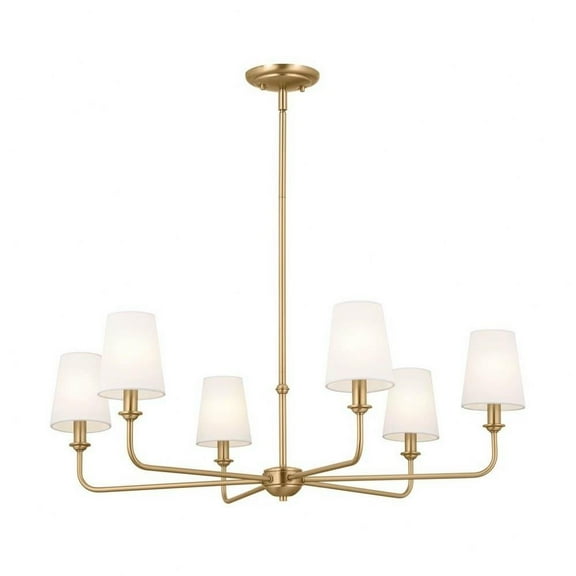


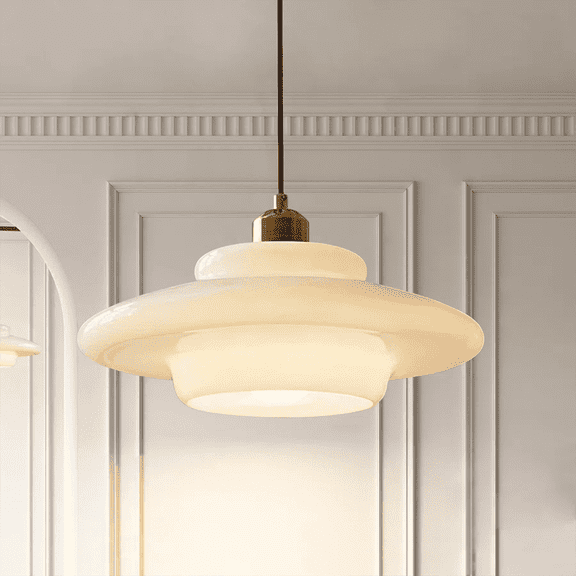
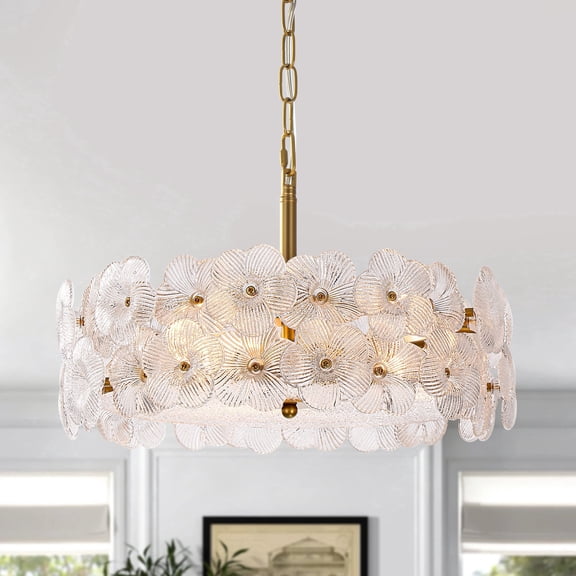


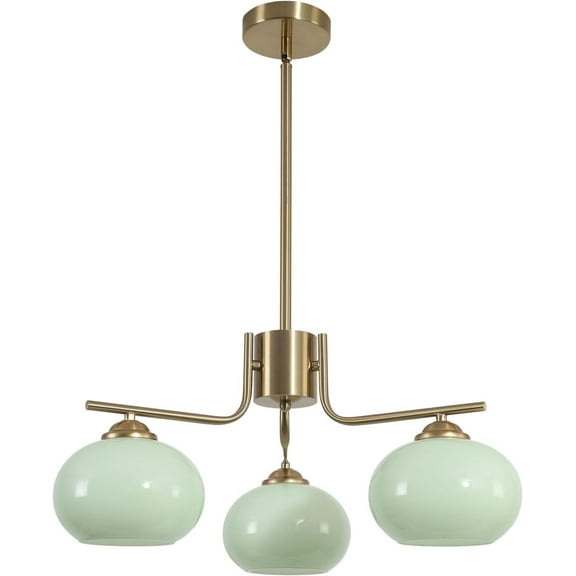
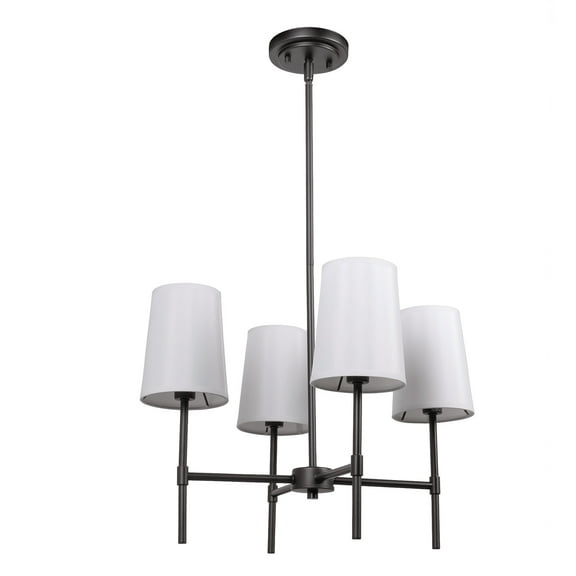


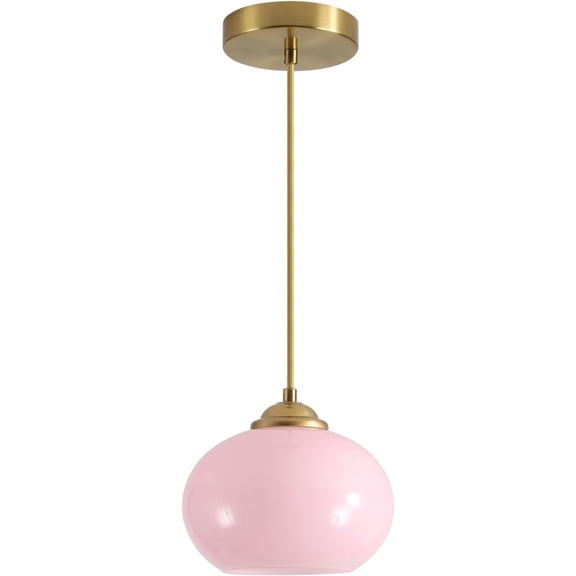


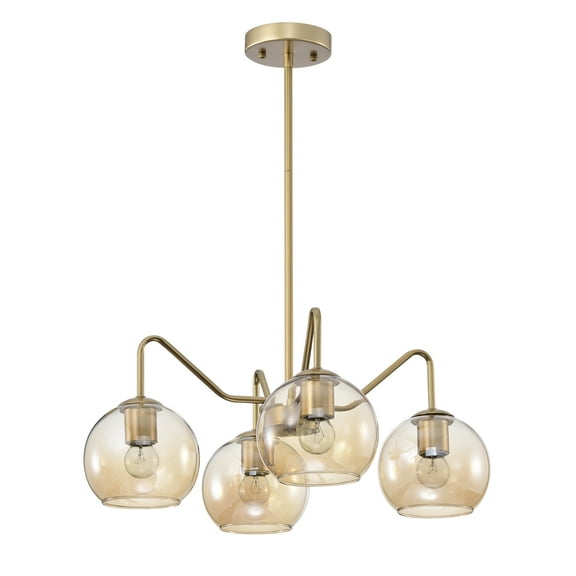


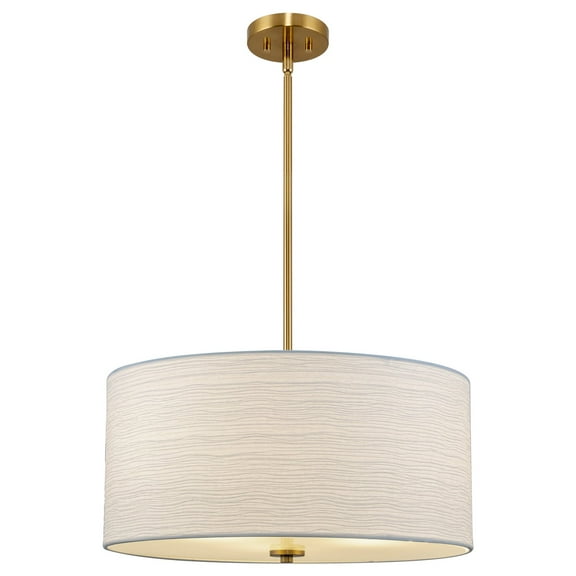


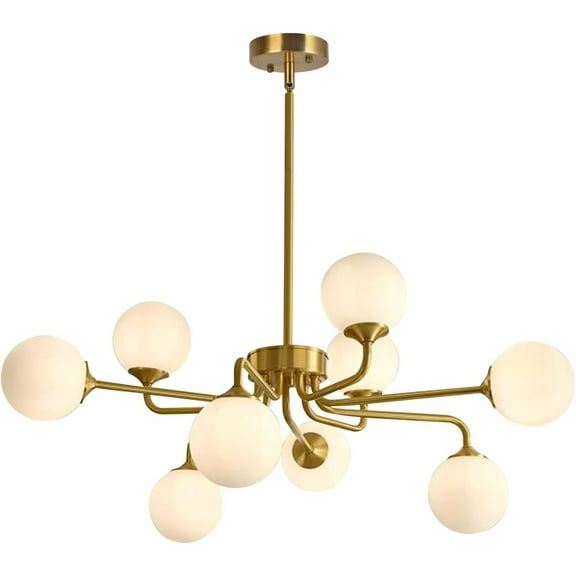

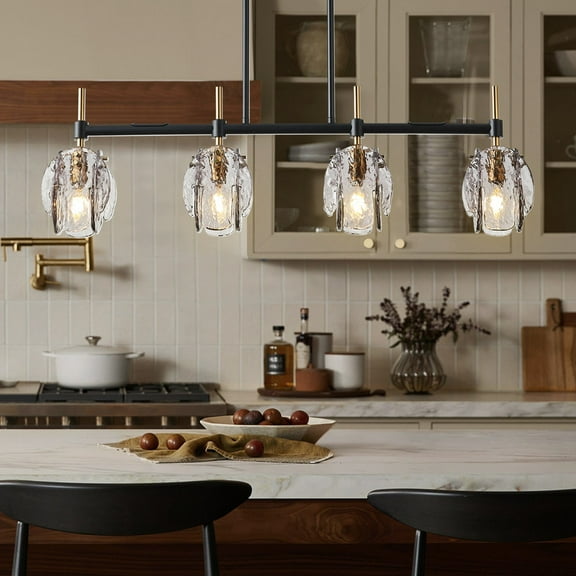
About Brass Chandeliers in Chandeliers - Walmart.com
Brass chandeliers help you bring warm metallic style and overhead light into dining rooms, entryways, and living spaces. You can use this guide to compare finish, size, light count, and placement before you choose a fixture.
When you shop this category, you’ll notice details that matter more than color alone. You’ll want to compare chandelier diameter, hanging height, chain length, and bulb compatibility for your room.
How to choose brass chandeliers by finish
You can narrow brass chandeliers quickly when you start with finish type. Your choice affects how the fixture reflects light and how closely it matches nearby cabinet pulls, faucets, or frames.
If you prefer a brighter look, you may lean toward polished brass or satin brass. If your room has aged metals or classic wood tones, you may prefer antique brass chandeliers.
For softer shine, you can compare brushed brass chandeliers with polished options. You’ll usually notice brushed finishes hide fingerprints and blend easily with mixed-metal spaces.
- You can use polished brass for a cleaner, reflective look.
- You can choose antique brass when your room leans traditional or layered.
- You can pick brushed brass when your space needs a muted metallic finish.
- You can compare satin brass if you want warmth without strong shine.
Choosing between modern brass chandeliers and traditional looks
You should compare the fixture silhouette before you focus on light count. Your room can feel streamlined, classic, mid-century inspired, or farmhouse depending on arm shape and shade style.
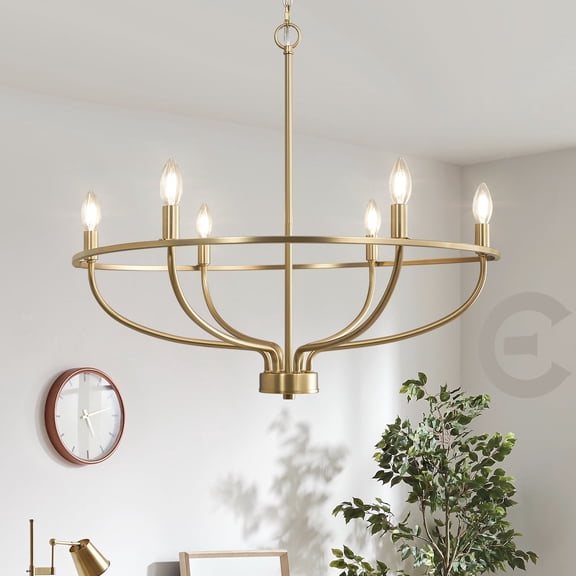
If you want open sightlines, you may prefer modern brass chandeliers with simple arms and exposed bulbs. If you want decorative curves, you may choose traditional forms with candle-style sockets.
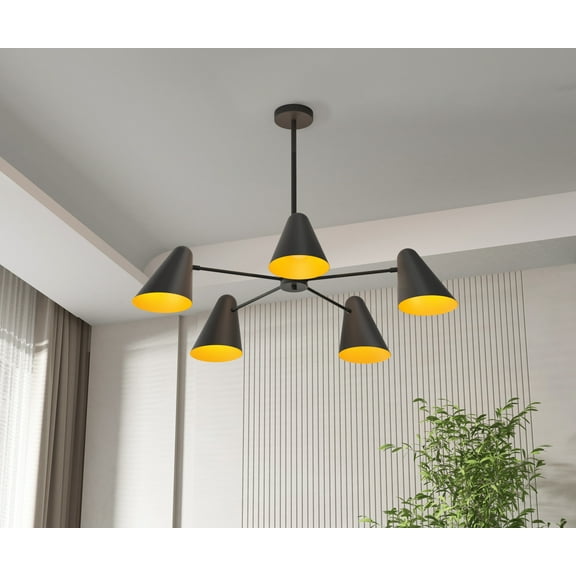
You can also compare mid-century modern shapes with globe bulbs or linear arms. You may prefer farmhouse looks when your room includes wood finishes, black accents, or a more relaxed layout.
When you match style to furniture, your chandelier feels intentional instead of isolated. You’ll get a more balanced result when your finish and silhouette echo mirrors, tables, or seating.
How to choose the right brass chandelier size
You can start sizing by measuring your room length and width in feet. You then add those numbers together and use that total as a chandelier diameter in inches.
For example, if your room is 12 by 14 feet, you can look near 26 inches wide. You’ll often find medium fixtures between 20 and 30 inches fit many everyday spaces.
If your area is compact, you may prefer small fixtures under 20 inches. If your room is open or your table is long, you may need large fixtures over 30 inches.
You should also compare the number of lights with the chandelier size. Your three-light and five-light options often suit smaller rooms, while six-light, eight-light, and multi-tier fixtures fill taller spaces.
Choosing placement, drop, and light count for your room
You’ll want placement rules that match how you use the room each day. Your brass dining room chandeliers should usually center over the table, not just the room itself.
Above a dining table, you can hang the fixture about 30 to 36 inches over the tabletop. You may raise it slightly when your ceiling is taller than eight feet.
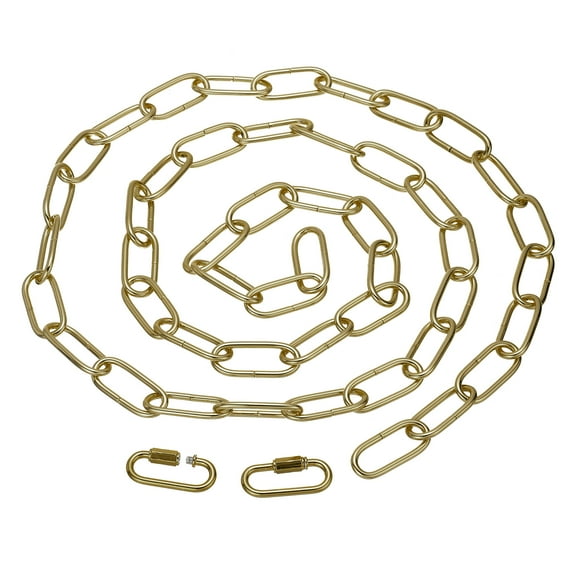
In foyers, you should check chain length or adjustable stems before you decide. Your brass entryway light fixtures need enough drop to feel present without crowding the walkway below.
For taller ceilings, you can use longer chain lengths or multi-tier shapes for visual scale. For standard ceilings, you may prefer adjustable stems that keep the fixture closer to the ceiling line.
You can also match light count to room function and brightness preferences. Your kitchen island or breakfast area may need fewer bulbs than a tall entry or formal dining space.
What to look for in bulbs, dimming, and everyday use
You should check bulb base type and recommended wattage range before you buy. You’ll also want to confirm whether your fixture works with LED bulbs for long-lasting everyday lighting.
If you use a dimmer, you should confirm dimmable bulbs and compatible hardware. Your lighting can then shift from bright meals and tasks to softer evening ambience.
You may also compare shade direction and bulb exposure when you review fixture photos. Open bulbs can create a lighter look, while shades can guide light downward over tables.
When you compare these details early, your setup becomes easier after delivery. You’ll spend less time adjusting height, replacing bulbs, or rethinking the finish once it’s installed.
How brass chandeliers fit different spaces
You can use a medium chandelier over a round dining table for centered, even light. You may prefer a linear or wider form when your table is rectangular.
In an entryway, you can use a six-light or eight-light design to fill vertical space. You’ll often get a stronger first impression when the drop suits the ceiling height.
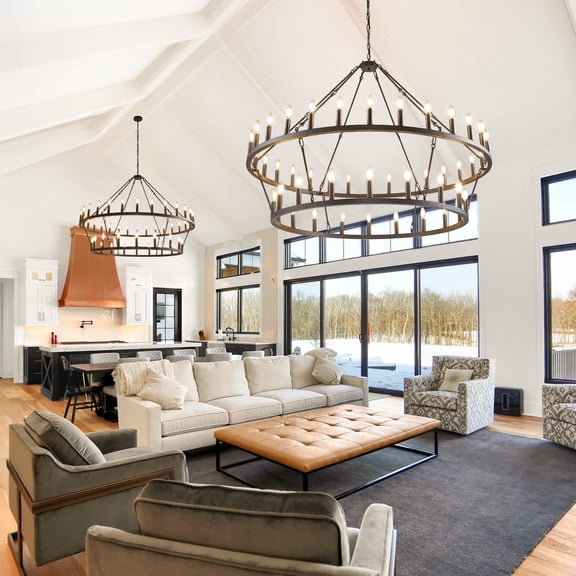
For living rooms, you may prefer a softer finish and a broader fixture diameter. Your chandelier can anchor seating areas while keeping the room open from wall to wall.
In kitchens, you can compare smaller chandeliers for breakfast nooks or island-adjacent spaces. You’ll want the finish to coordinate with cabinet hardware and nearby pendant lighting.
When you use these rules, your brass chandelier can look scaled, coordinated, and practical from day one. You’ll feel more confident choosing a finish, size, and drop that suits your space.