

Bowling Pins in Bowling

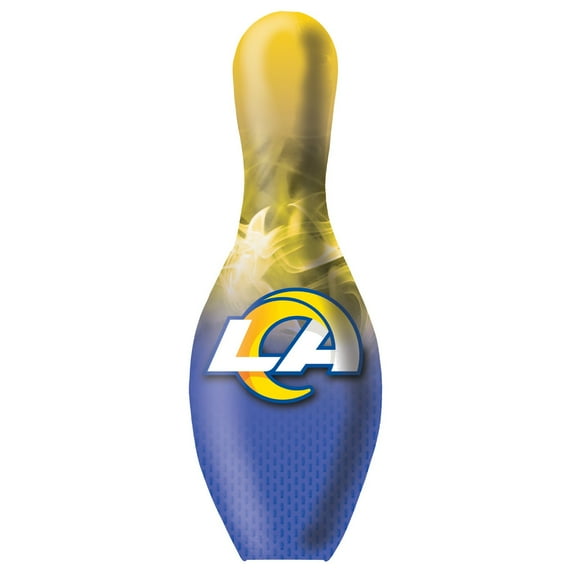

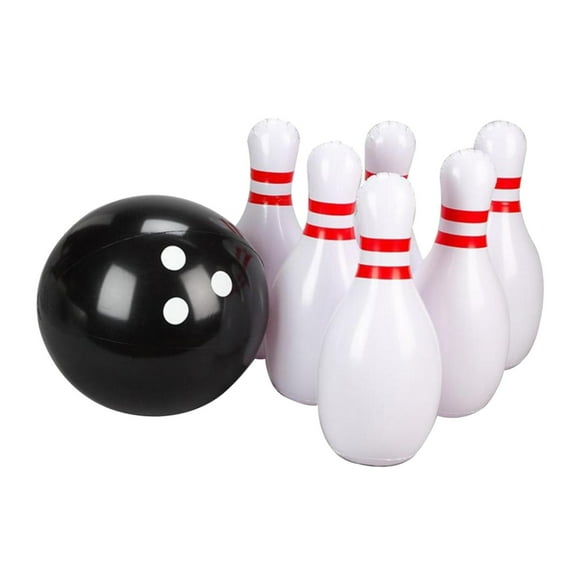
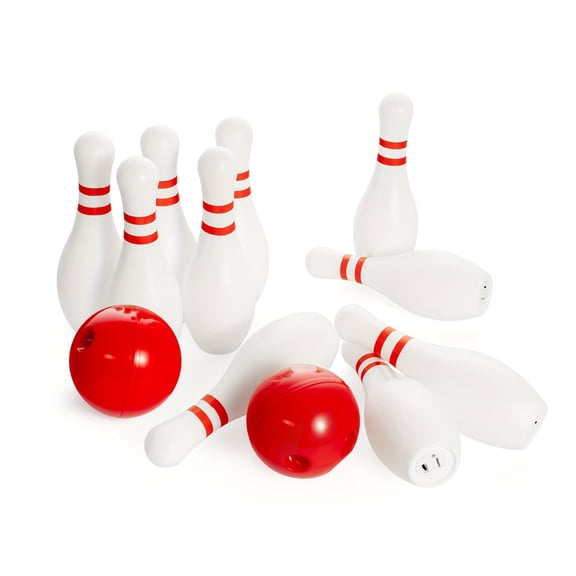




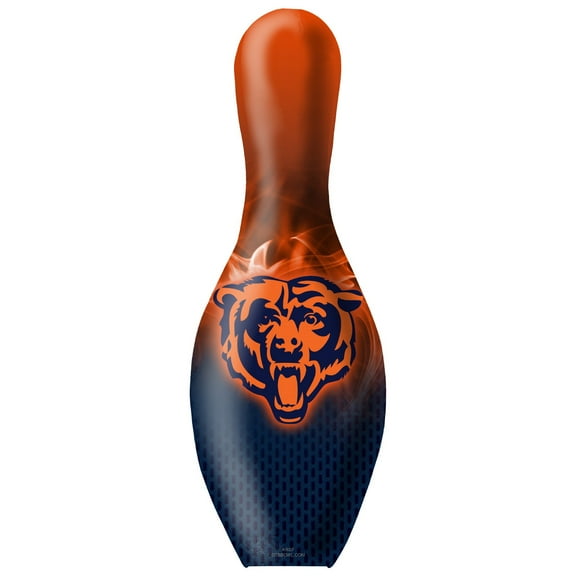
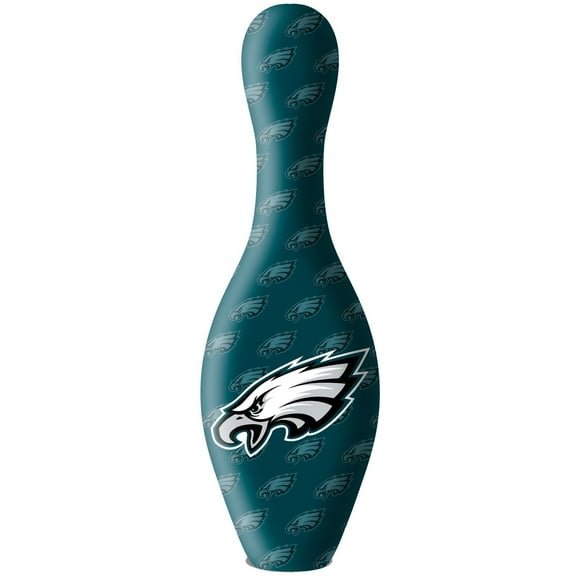

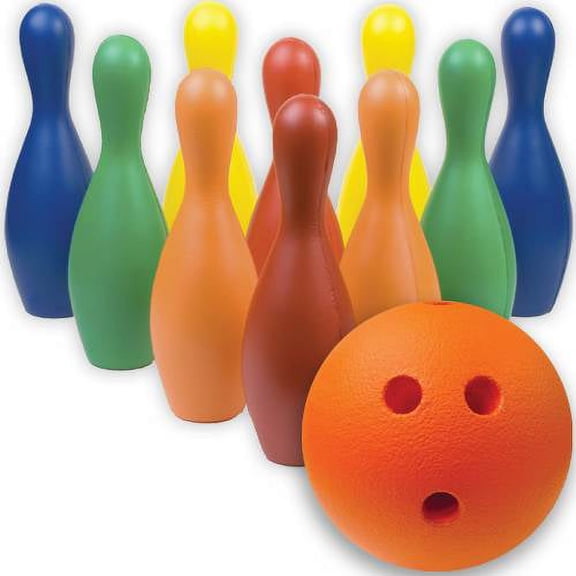

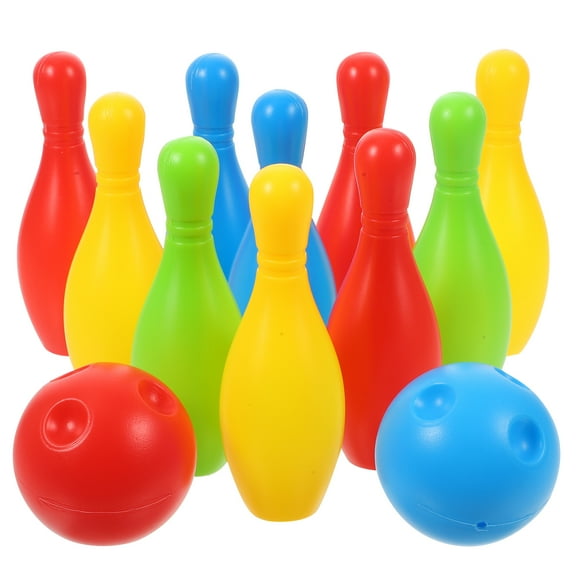





About Bowling Pins in Bowling - Walmart.com
You can compare bowling pins by material, size, and set count, so your practice setup or play space matches how you plan to bowl. You’ll find options for league-style drills, kids recreation, and backyard games, with choices that fit real lane training or lighter play.
How to choose bowling pins for your setup
When you choose bowling pins, you should start with the use case that matters to you most. You may want regulation bowling pins for repeat drills, or you may prefer toy bowling pins for flexible family play.
If you’re building a home practice area, you should check whether you need a full bowling pins set or one replacement pin. You can also compare pin weight and height, because those details change how your throws feel.
- You can use regulation size pins for realistic approach, impact, and reset practice.
- You can choose lighter toy sets when your kids need easy handling indoors or outside.
- You can compare materials to match repeated ball contact, portable play, or softer surfaces.
- You can select 10-pin sets, 6-pin sets, or single replacements based on your layout.
For league-style repetition, you’ll usually want consistent shape, stable standing, and a familiar target view. For casual games, you may care more about quick setup, lighter handling, and easy storage.
Choosing between wooden bowling pins and plastic bowling pins
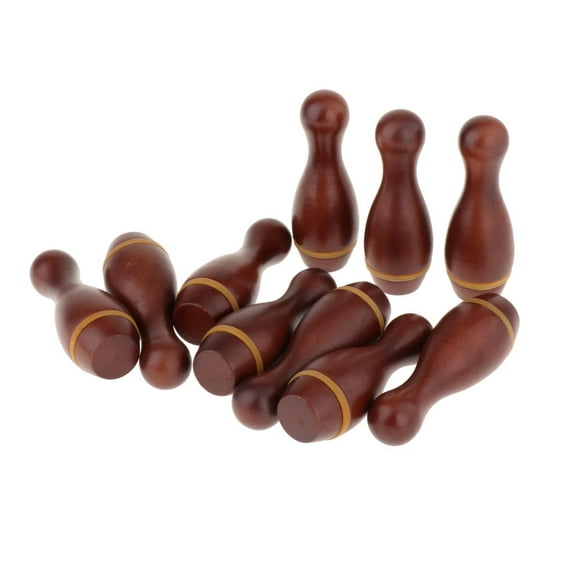
You should compare material first, because it affects feel, sound, and durability during use. Wooden bowling pins often suit heavier practice routines, while plastic bowling pins can feel lighter and easier to move.
If your sessions involve repeated throws with heavier balls, you may look for wood construction and a regulation profile. If your games happen in multipurpose spaces, you may prefer plastic for simpler carrying and setup.
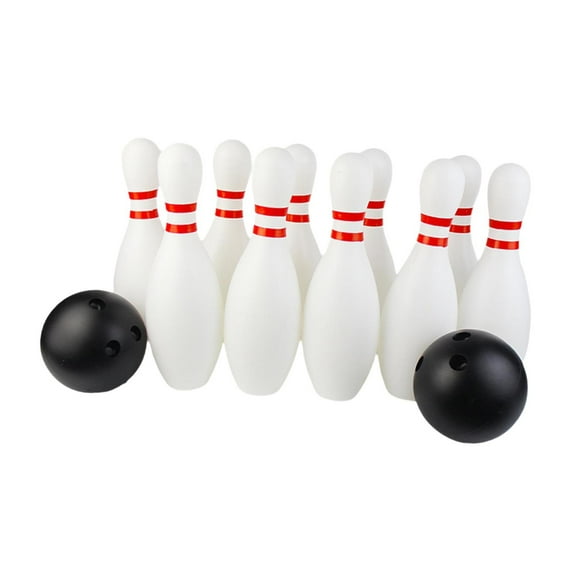
Foam and rubber options can also make sense when your play area needs lighter contact and easier handling. You’ll often see those materials in kids sets, mini bowling pins, and indoor activity games.
When you compare these materials, you should think about who will use the pins and where they’ll stand. Your garage lane, playroom, classroom, or patio can each call for a different construction.
What to look for in regulation bowling pins and toy bowling pins
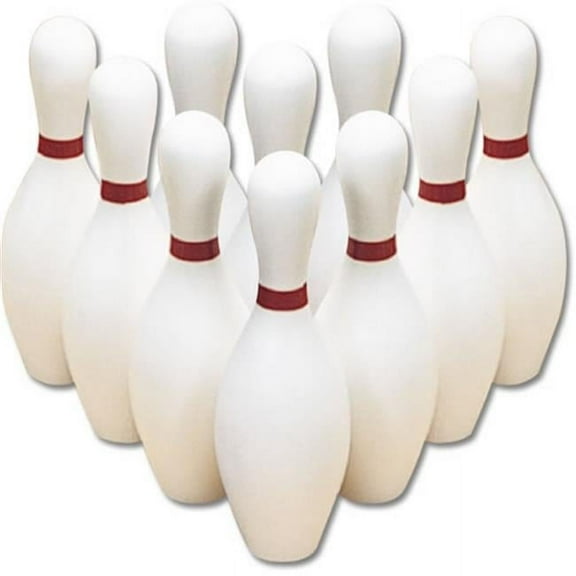
You should measure size carefully when you want a realistic bowling experience. Regulation bowling pins are 15 inches tall and weigh 3 pounds, 6 ounces, which gives you lane-style practice feedback.
Those measurements matter when your goal is repeatable drills, spare shooting, or pin action that feels familiar. You’ll notice that toy bowling pins and miniature sets are easier for smaller hands and casual rolling.
If you’re buying for kids recreation, you may want toy scale pins that set up quickly on many surfaces. If you’re refining form, you should check for regulation height, regulation weight, and a stable base.
You can also use mini bowling pins when you want compact games for desks, parties, or small rooms. Your available floor space can help you decide whether full-size or scaled-down pins make more sense.
How to choose the right bowling pins set
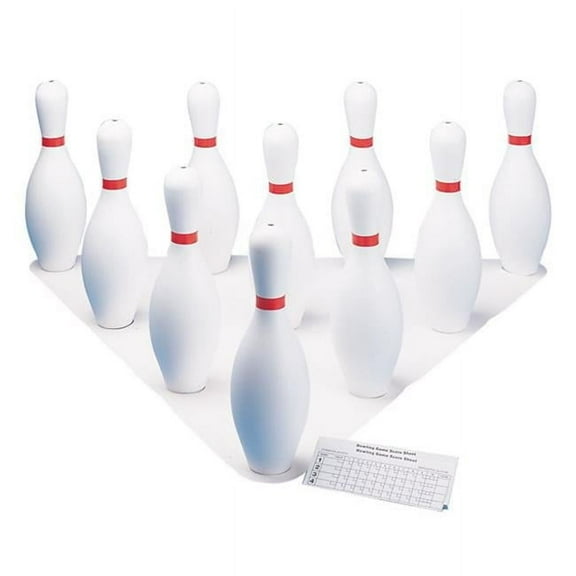
You should confirm the set configuration before you choose, because the count changes how you can use it. A bowling pins set may include 10 pins for standard play, six pins for smaller games, or one replacement pin.
If you’re recreating a traditional lane pattern, you’ll want a 10-pin set with matching size and weight details. If your setup is smaller, you may prefer six pins that fit tighter spaces and shorter throwing distances.
Single replacement pins can help when you already own a set and need one matching piece. You should compare the replacement material and size, so your set keeps a consistent look and response.
Set count also affects storage, portability, and reset time during repeated games. You may want fewer pins for classroom rotations, while your dedicated practice area may call for the full arrangement.
Matching bowling pins to real use cases
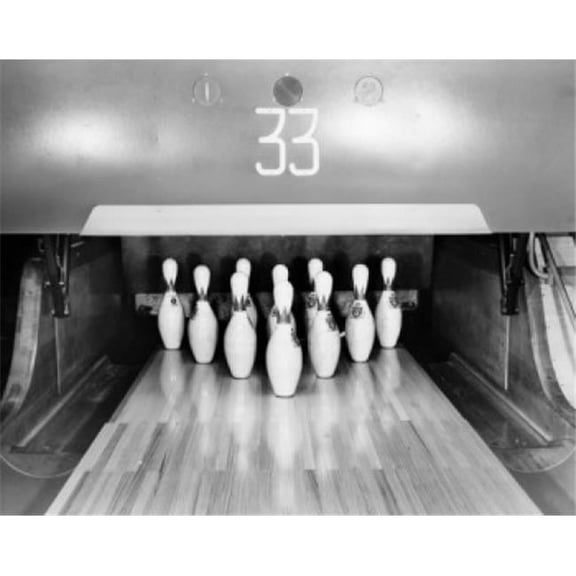
For league practice, you should look for regulation size, a familiar silhouette, and a complete 10-pin setup. Your drills can feel more consistent when the height and weight match standard lane expectations.
For family recreation, you may prefer plastic bowling pins or foam sets that move easily between rooms and yards. Your kids can reset lighter pins faster, which keeps games moving and helps everyone stay involved.
In a backyard game setup, you should consider surface type, carrying weight, and how much space you have. Your patio or lawn may work well with lighter pins that you can place and collect quickly.
For classrooms, parties, or playrooms, you may choose mini bowling pins or toy bowling pins with scaled-down proportions. Your group can enjoy shorter rolling distances and easier storage after the game ends.
If you already own bowling gear, you should match new pins to your current routine and available space. Your choice becomes simpler when you compare material, size, and pin count in that order.
You can narrow bowling pins confidently when you focus on realistic practice, casual play, or kid-friendly games first. Your final pick should give you the right weight, scale, and set configuration for smoother setup and more satisfying play.