




Black Mulch in Mulch





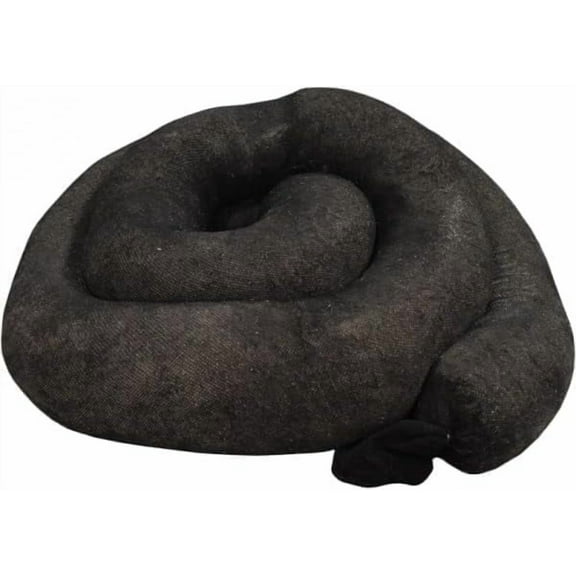


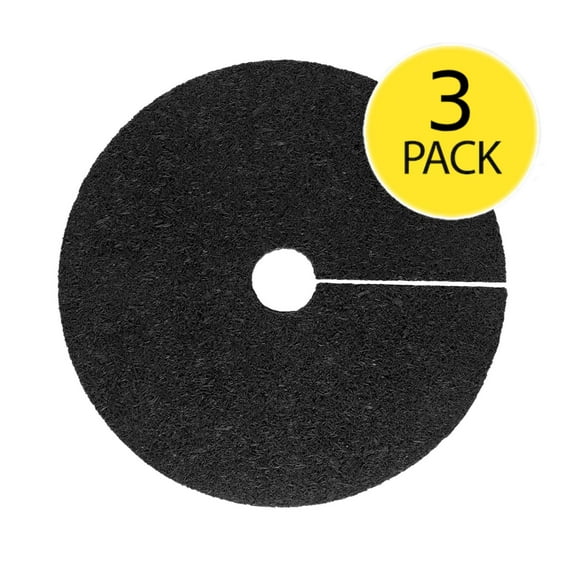




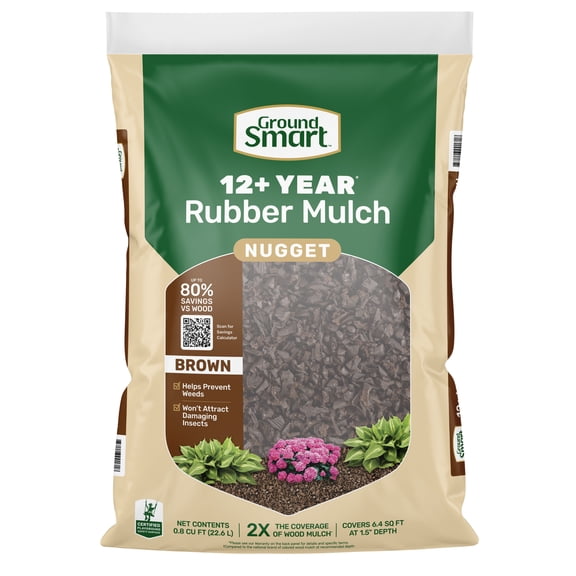


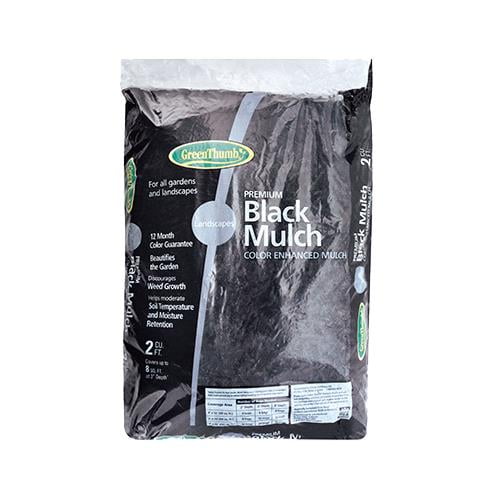
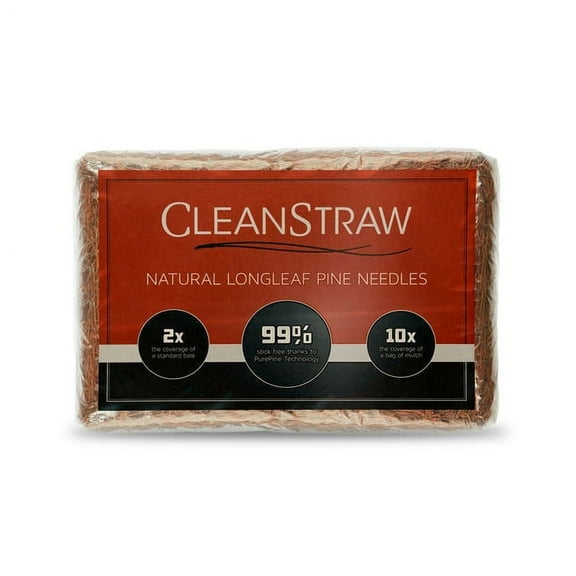

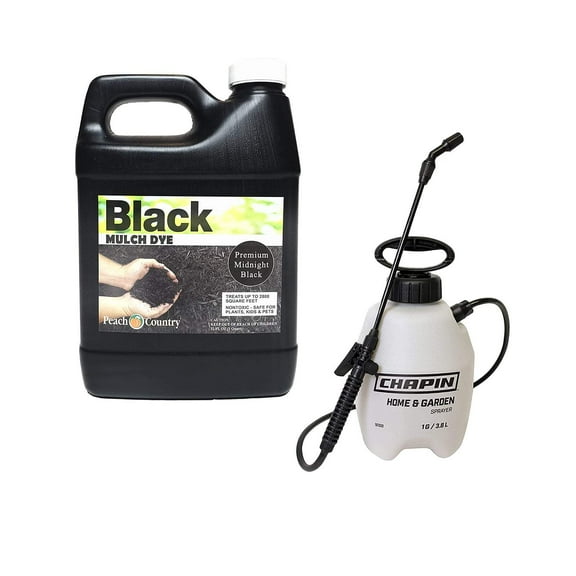














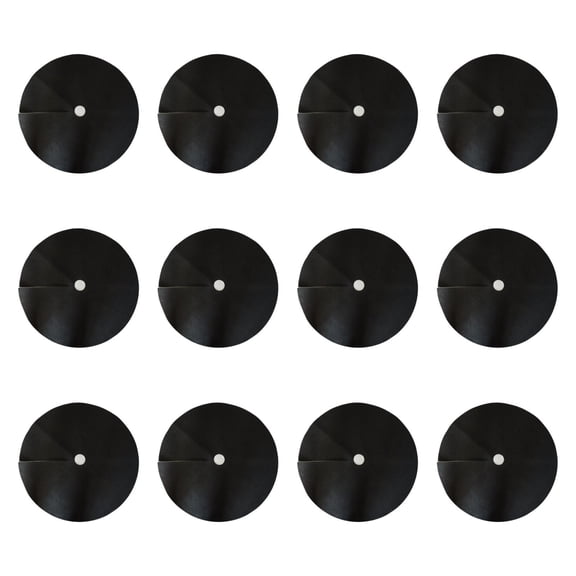
About Black Mulch in Mulch - Walmart.com
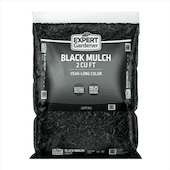
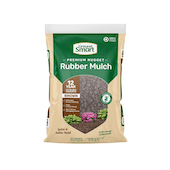
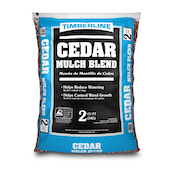
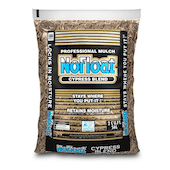
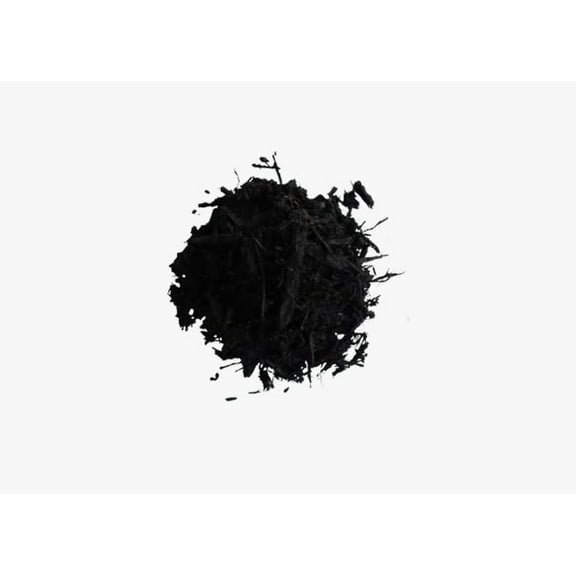
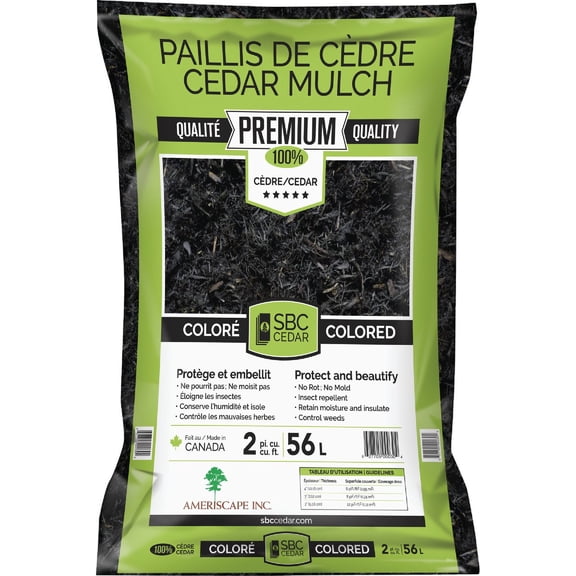
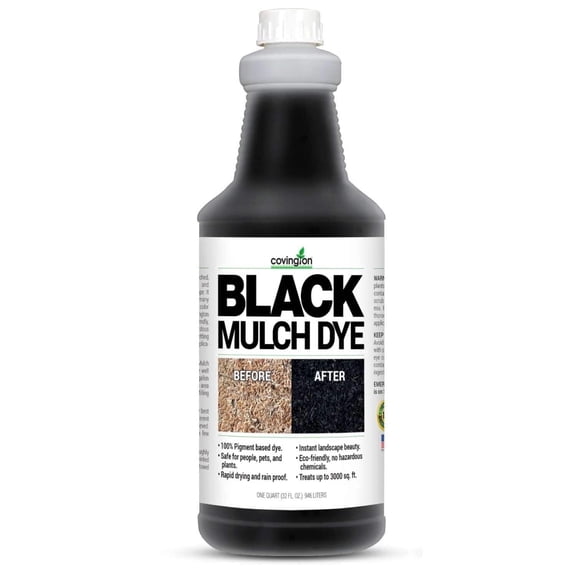
Black mulch gives planting beds a clean, defined look and strong color contrast through the season. It frames green foliage, bright flowers, and pale stone with crisp visual separation.
That deep tone makes borders look freshly finished after spreading. On Walmart.com, you can compare bag sizes, coverage details, and pickup or delivery options for yard projects.
Why black mulch works in landscaped spaces
Color does a lot of the work in landscaping mulch. Black mulch makes leaf texture stand out and gives shrubs, annuals, and perennials a sharp visual edge.
It also helps unify mixed beds that combine flowers, edging, and decorative stone. That visual consistency matters when front beds connect to side borders.
Appearance matters, but coverage matters too. A fresh layer helps beds look even after planting and edging work.
It also gives walkways, tree rings, and front yard borders a finished surface. That can make newly shaped beds look intentional from every angle.
- Creates strong contrast around green plants and light-colored blooms.
- Helps flower beds, tree rings, and borders look neat and defined.
- Works across garden paths, foundation plantings, and island beds.
- Lets you compare garden mulch bags by size, color, and coverage.
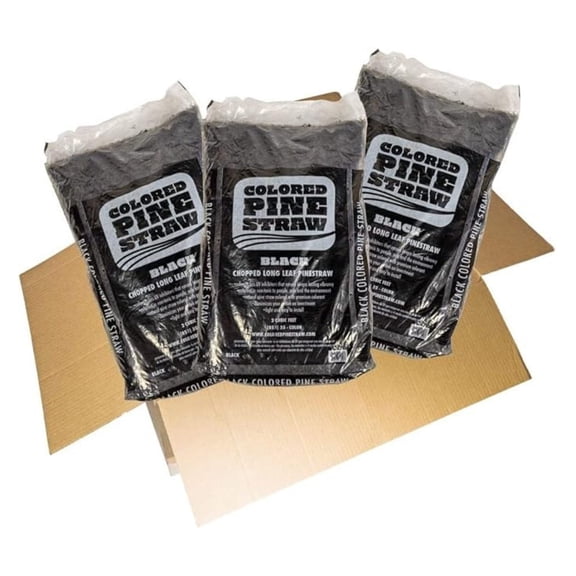
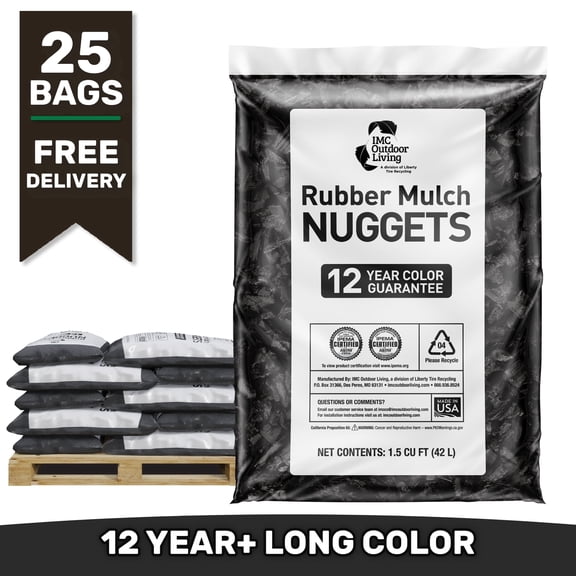
For seasonal refreshes, bags of black mulch are convenient to move and spread. They fit smaller upgrades, touch-ups, and full-bed projects alike.
That flexibility helps when you’re updating one border or several planting zones. It also works well when beds have curves and narrow corners.
How to choose the right black mulch
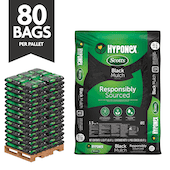
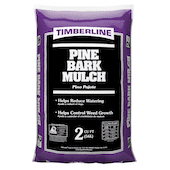
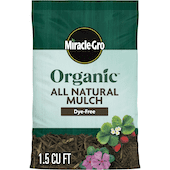
Start with bag size and listed coverage. Many shoppers compare garden mulch bags by cubic feet, weight, and expected square footage.
Those details help you estimate how many bags you’ll need before loading up. Coverage labels also make it easier to plan a one-day project.
Texture changes the finished look. Some mulch pieces are finer and settle into a smooth surface across smaller beds.
Others are chunkier and create a rugged appearance around trees, shrubs, and sloped beds. That difference can shape the whole yard’s style.
Think about where the material will go. Foundation beds often call for a crisp, uniform look with neat edges.
Play areas, tree circles, and larger open spaces may need broader coverage planning. Easy spreading around curves also matters in those spots.
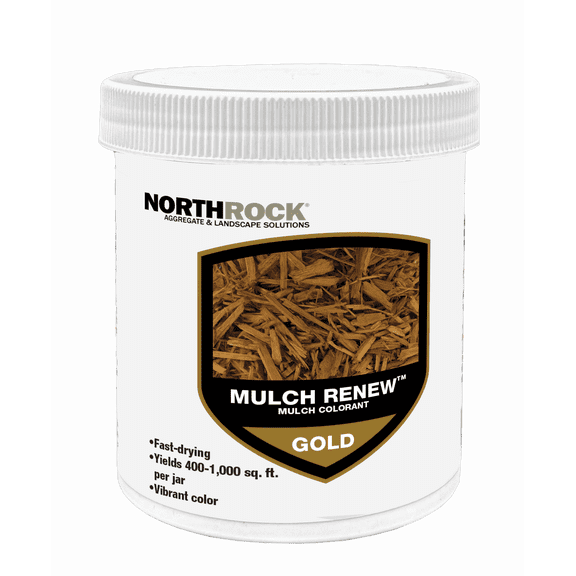
Mulch depth is another key decision point. A light refresh can revive color on existing beds without changing the layout.
A deeper layer can help newly outlined spaces look complete and consistent from edge to edge. This is useful after adding new edging.
If you’re comparing mulch prices, check the bag size and total coverage first. That gives you a direct view of what fits your project.
It also helps when matching a few bags for touch-ups or enough volume for a full yard reset. Clear planning reduces extra trips later.
Black mulch for garden beds and outdoor projects
Black mulch for garden beds works well around annual flowers, ornamental grasses, and evergreen shrubs. The dark surface makes plant groupings look intentional.
It also helps curved bed lines read clearly from the sidewalk or driveway. That crisp outline can improve the look of entry landscaping.
Vegetable gardens often use mulch around pathways or bordering sections. In these spaces, the dark color can separate walking areas from planting rows.
That makes the layout easier to follow during watering, planting, and harvest routines. It also keeps the garden design looking organized.
Many shoppers use it around mailboxes, patio borders, and entry landscaping. It can connect small accent beds with larger front yard areas.
That visual continuity helps outdoor spaces look coordinated without changing every plant. It’s a practical update for mixed landscaping styles.
For rental properties or seasonal curb appeal updates, black mulch offers a quick visual reset. It covers faded older layers and refreshes exposed soil.
The result looks clean around shrubs, edging, and decorative planters. That fresh finish stands out against concrete, brick, and light stone.
Large projects may need a simple coverage plan before checkout. Measure bed length and width first, then compare package details carefully.
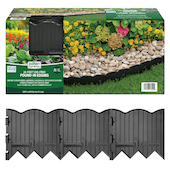
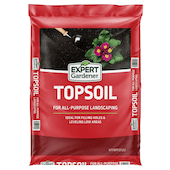
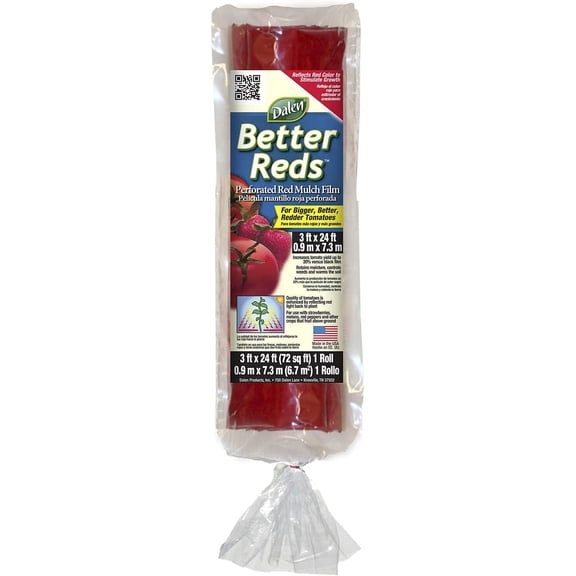
That helps your order line up with the space you’re refreshing. It also helps when combining mulch film, edging, or garden soil in one project.
Bags of black mulch and planning tips
Bags of black mulch make it easier to stage work by section. You can finish the front bed first, then move to side borders.
That approach helps keep spreading tidy and lets you adjust quantities as the project grows. It’s especially useful for beds with irregular shapes.
For mixed landscapes, match the mulch style to your hardscaping. Dark mulch pairs well with pale pavers, concrete edging, and natural stone.
It also complements metal planters and wood fencing with a clean, modern contrast. Those pairings create a polished yard without changing every surface.
Coverage planning matters when beds include curves, islands, or tree roots. Straight rectangles are simple to estimate, but irregular shapes need closer review.
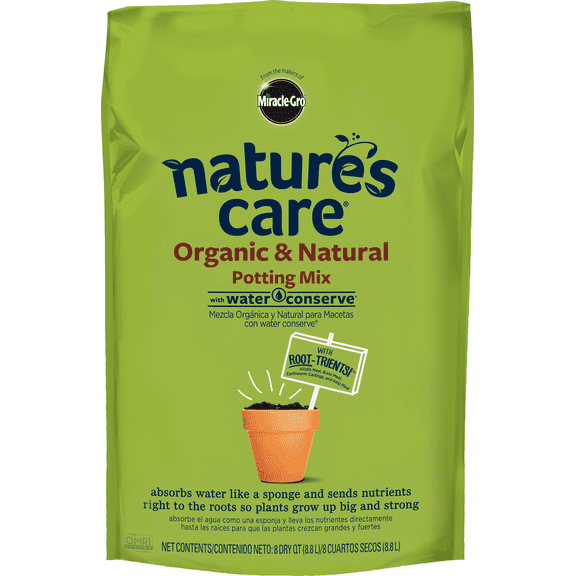
Some shoppers coordinate black mulch with garden soil, edging, or weed barrier materials during the same project. Buying by project type can simplify planning.
It also helps you create a complete landscaping setup in one pass. With the right coverage and finish, your beds look neat and defined.