Find auto parts that fit
Let’s search for parts that fit your vehicle.Bearings(8)
Tineasur Catiebye Roller Ball Bearing Steel 10 Set High Speed Operation Sealed Bearings $8.37

Tineasur Catiebye Roller Ball Bearing Steel 10 Set High Speed Operation Sealed Bearings
Bearings B01 $61.00
Bearings B01
Bearings $37.53
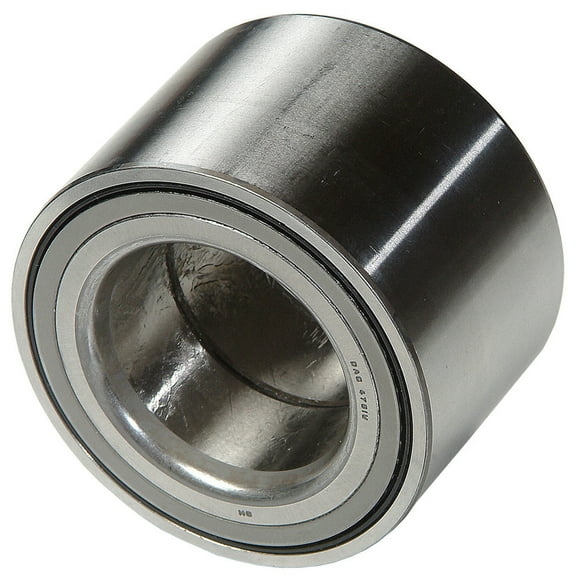
Bearings
BEARINGS $11.77
BEARINGS
National 582 Taper Bearing Cone $58.31

National 582 Taper Bearing Cone
BEARINGS P3 $30.18
BEARINGS P3
BEARINGS CH2 $39.04
BEARINGS CH2
BEARINGS $20.63
BEARINGS
FAQ
What do bearings do on a car or machine?
Bearings help parts spin or slide smoothly by reducing friction between moving surfaces. In everyday use, they:
- Support loads: Handle radial and/or axial forces, keeping shafts aligned.
- Cut heat and wear: Less friction can mean quieter, smoother operation.
- Protect components: Seals and shields help keep dirt out and grease in.
Common types you’ll see here include deep groove ball bearings for general high-speed rotation and tapered roller bearings (cones and cups) for heavier combined loads, such as in wheel hubs. Choosing the right type for your application can help improve performance, but results can vary based on installation, lubrication, and operating conditions.
How do I pick the right bearing size?
- Start with specs: Check your owner’s manual or the original part number when possible.
- Measure carefully: Verify inner diameter (ID), outer diameter (OD), and width with a caliper if needed.
- Match the type: Deep groove ball vs. tapered roller (cone/cup) must match your assembly.
- Consider seals: Open, shielded, or rubber double sealed, depending on dust/moisture exposure.
- Check load and speed: Heavier loads may point to rollers; higher speeds often favor ball designs.
On Walmart.com, you can filter by dimensions and bearing style to narrow options. If you’re unsure, comparing measurements against product specs or asking a professional can help reduce the chance of a misfit.
Sealed vs shielded bearings—what’s the difference?
- Sealed (often rubber): Typically contact or close-contact seals that help keep out dust and moisture and retain grease. They may add a bit of drag, which is usually fine for general use. Often sold pre-lubricated and not intended to be relubed.
- Shielded (metal): Non-contact shields that help deflect debris with minimal added drag. They offer less contamination protection than seals but can run more freely at higher speeds.
For harsher environments, double sealed bearings can offer added protection. For cleaner, higher-speed applications, shielded designs may be suitable. Selecting based on your environment and speed needs can help balance protection and efficiency.
When should I choose tapered roller over ball bearings?
Tapered roller bearings are generally chosen when you need to handle combined radial and axial loads and higher load-carrying capacity, such as in many wheel hubs and drivetrain locations. Ball bearings (e.g., deep groove) are often preferred for higher-speed, lower-to-moderate load applications like electric motors or accessories.
- Tapered rollers: Good for durability under load; typically installed as matched cone and cup.
- Ball bearings: Smooth at speed with lower friction; available sealed or shielded.
Always match the bearing type specified for your assembly. Mixing styles or using the wrong fit can affect performance. If in doubt, check the application guide or consult a professional.
Any tips to install bearings without damaging them?
- Work clean: Keep parts and hands free of grit; contamination shortens bearing life.
- Align carefully: Press the bearing in squarely using a driver or press; avoid cocking.
- Press the correct ring: Apply force only to the ring being fitted (inner for shaft, outer for housing) to avoid brinelling.
- Avoid hammering: Striking can dent races and reduce service life.
- Verify seating: Check for smooth rotation and proper fit before reassembly.
Following manufacturer instructions and using proper tools can help reduce damage, but results may vary. For safety-critical parts like wheel bearings, professional installation may be advisable.
Popular in Shop Bearings for Industrial and Home Use
Related Products
Cornelius Seal Rotary Rubber Blue Viper 620067617 - Genuine OEM Replacement Part
 Cornelius Seal Rotary Rubber Blue Viper 620067617 - Genuine OEM Replacement Part$28.36current price $28.36
Timken Pillow Block Bearing,Ball,1" Bore SAK 1
 Timken Pillow Block Bearing,Ball,1" Bore SAK 1$95.24current price $95.24