

Coastal Area Rugs in Area Rugs











































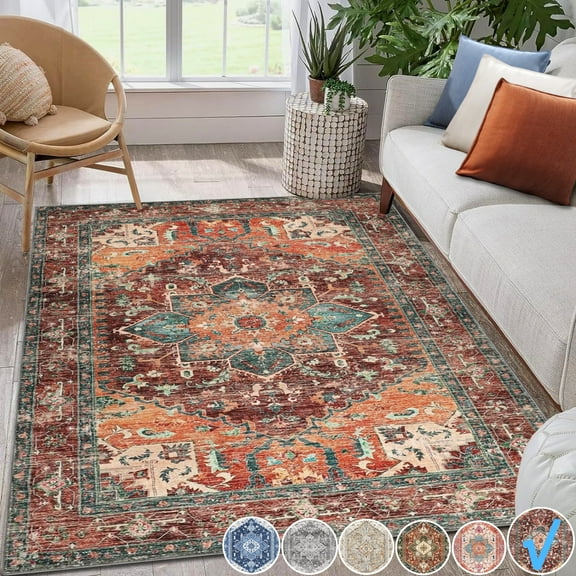


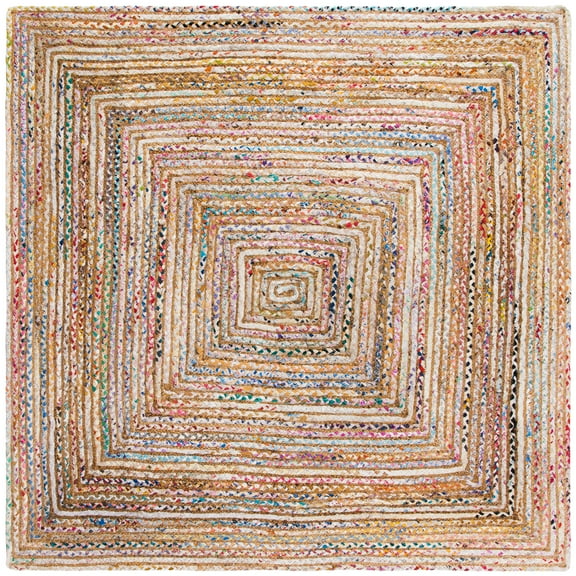


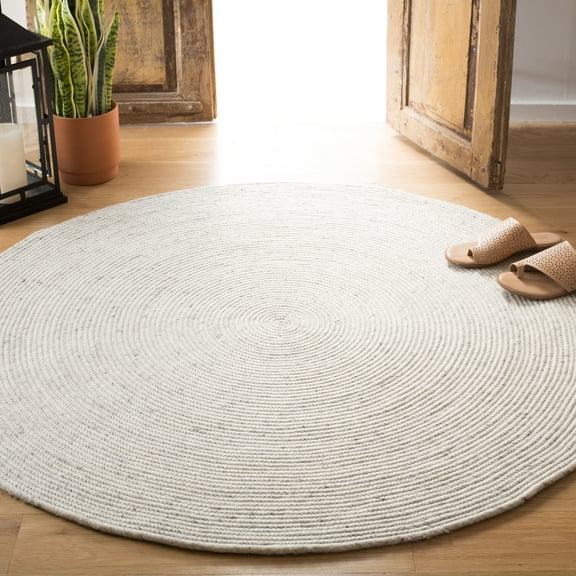


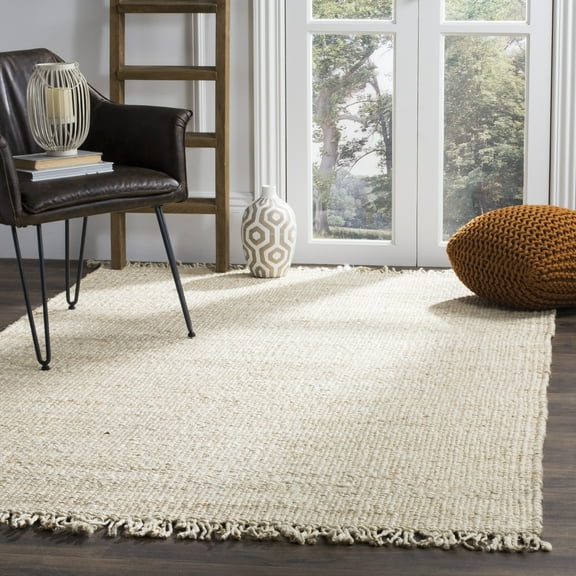


About Coastal Area Rugs in Area Rugs - Walmart.com
Nautical area rugs help you bring coastal character into your home with motifs, colors, and materials that fit beach-inspired spaces. You can use them to ground a living room, soften an entryway, or add a polished finish to a patio setup.
When you shop this category, you’ll see choices shaped by real decorating decisions. You can compare indoor and outdoor durability, low-pile cleanup, classic maritime patterns, and color palettes that echo sand, sea, and navy accents.
How to choose nautical area rugs for your space
You’ll want to start with placement, because your room changes what your rug needs to do. You can choose beach house rugs for living rooms, kitchens, entryways, or patios based on traffic, moisture exposure, and furniture layout.
For busy homes, you may prefer low-pile styles that let you vacuum out tracked-in sand more easily. You’ll also notice that flatter surfaces slide under doors and chairs with less interference.
- You can use low-pile rugs in entryways where sand and daily foot traffic show up often.
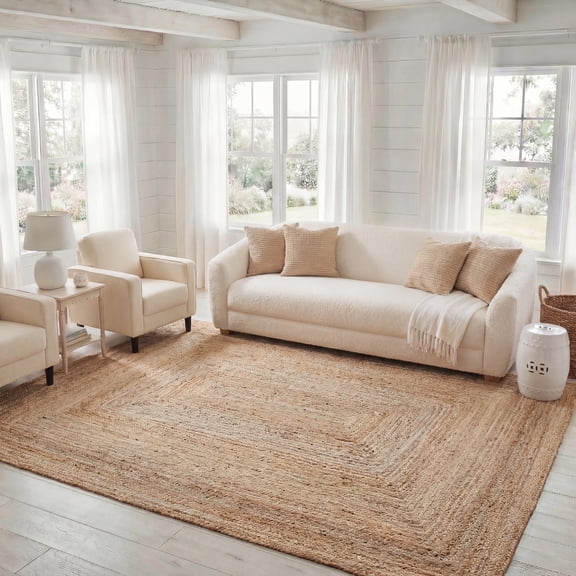
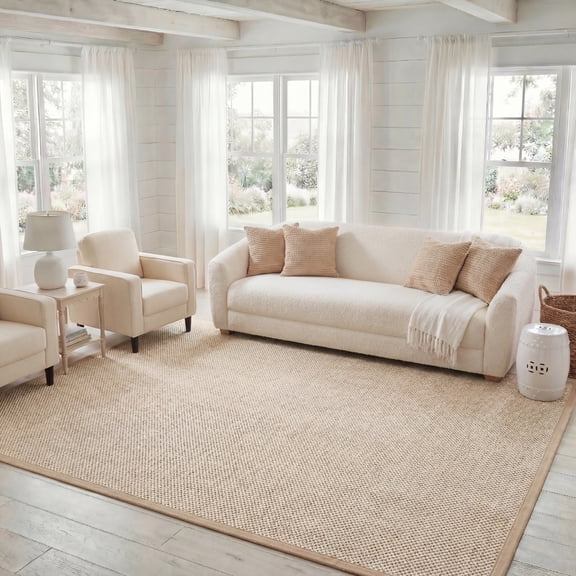
- You may choose larger sizes for living rooms so your sofa and front chair legs sit on the rug.
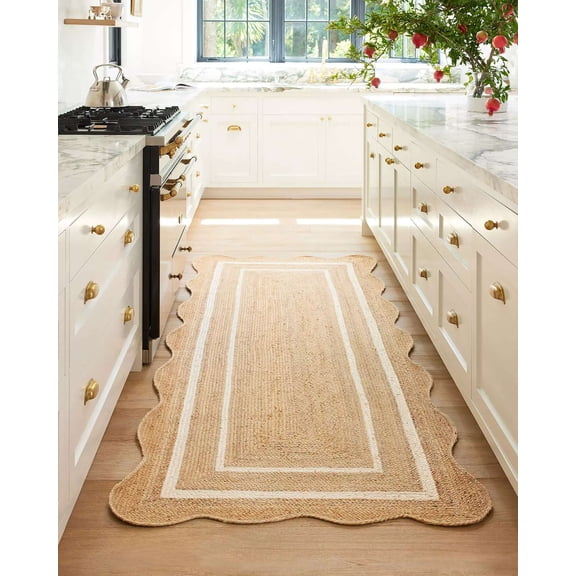
- You can place smaller rugs in beach house kitchens to define prep zones without crowding walkways.
- You might select patio-friendly styles when you want coastal outdoor rugs with easy-care surfaces.
You’ll also want to measure before choosing a size. You can anchor a seating group, frame a dining table, or create a clear path through a narrow coastal hallway.
Choosing materials for coastal area rugs
You’ll find that material changes how your rug feels, wears, and cleans up. You can compare polypropylene, jute, wool, and cotton blend options based on texture, shedding, and placement.
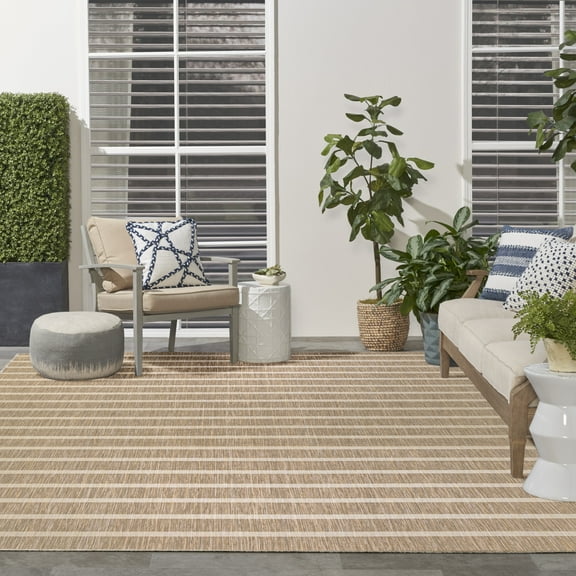
If you need outdoor nautical rugs, you may look for polypropylene styles with water-resistant construction and UV-stabilization. You’ll get a surface designed to handle sun exposure and changing weather with less upkeep.
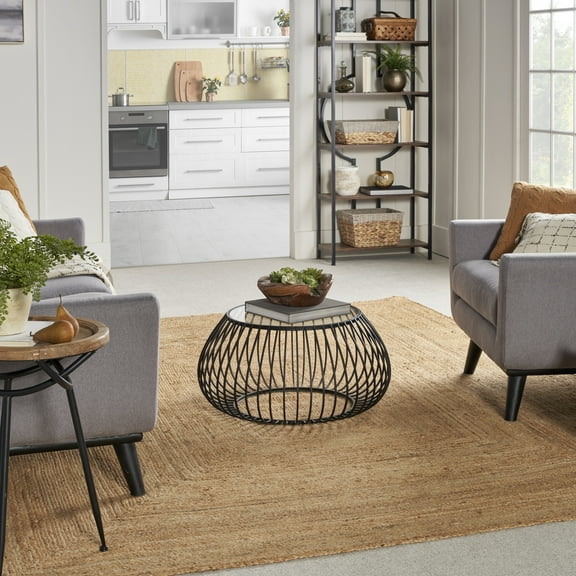
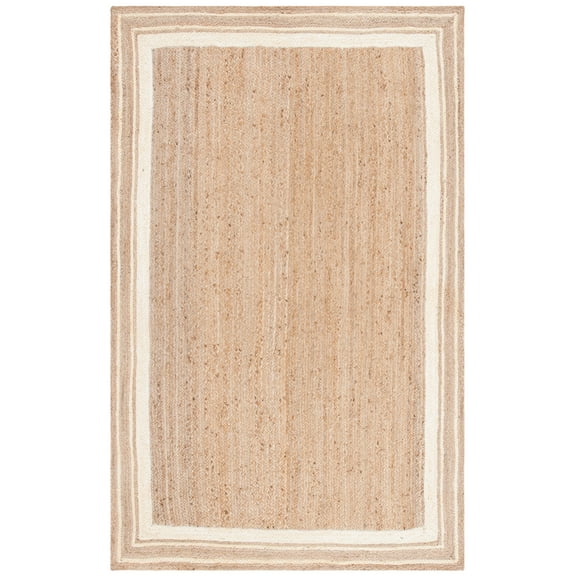
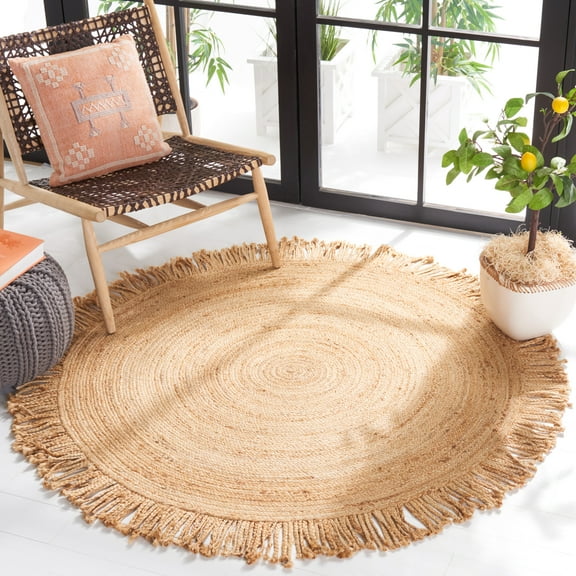
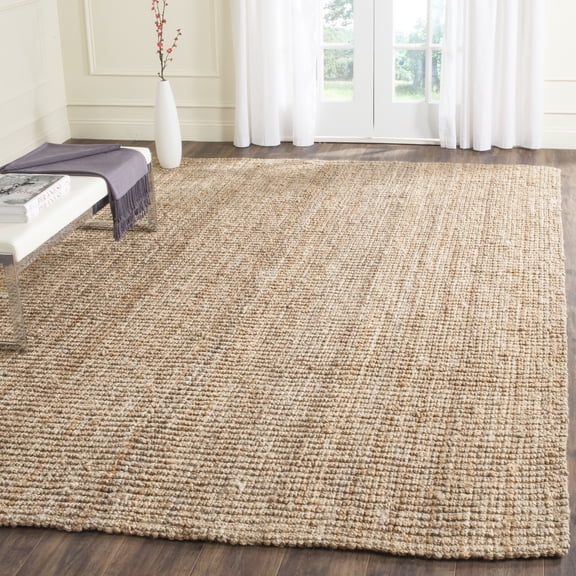
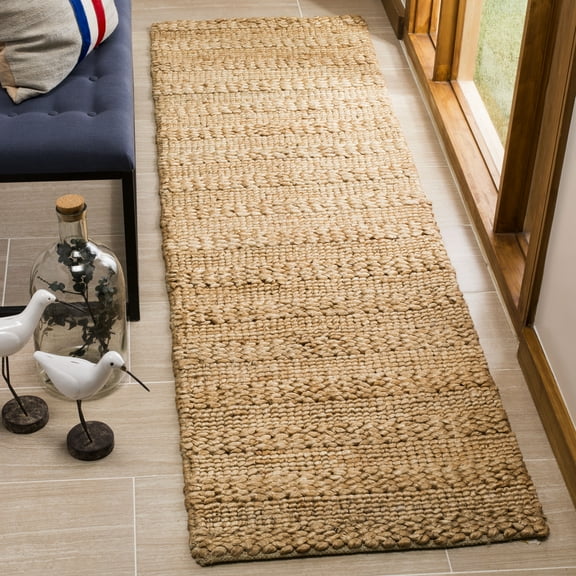
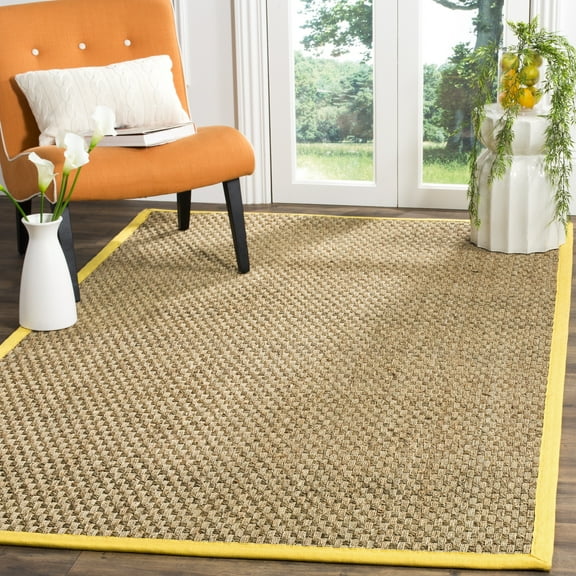
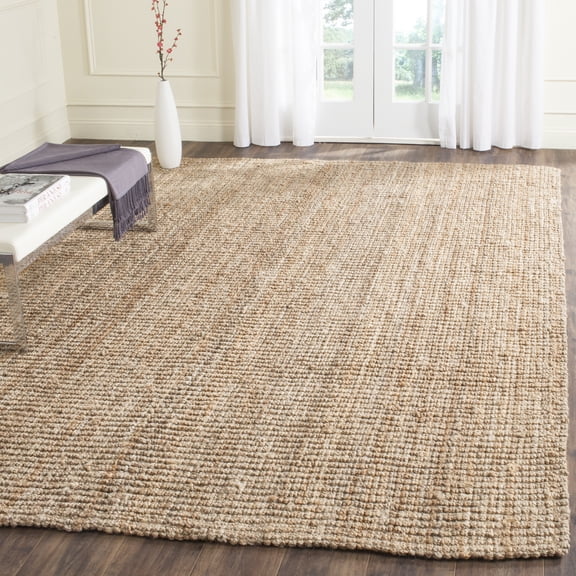
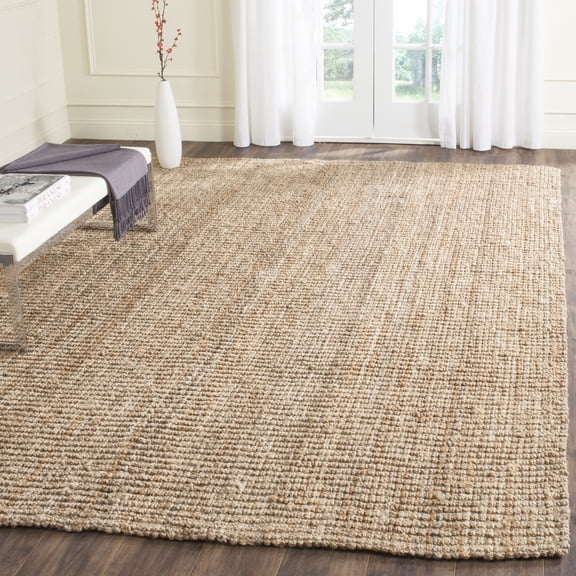
For a natural look, you might consider jute when you want woven texture and a relaxed beach house feel. You should expect more natural fiber character, which can include a rougher hand and more visible shedding.
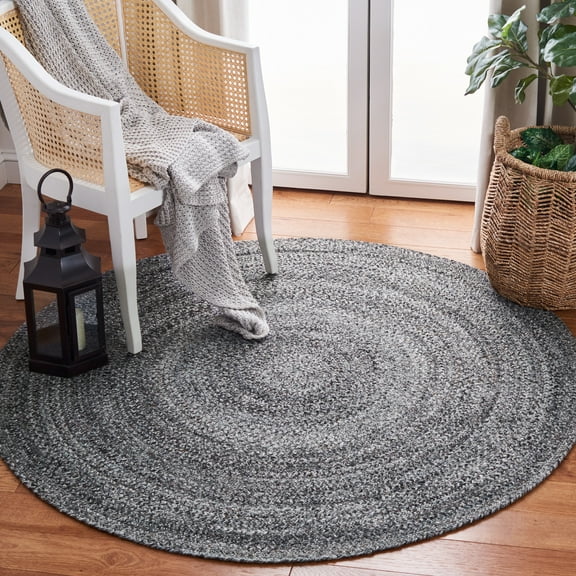
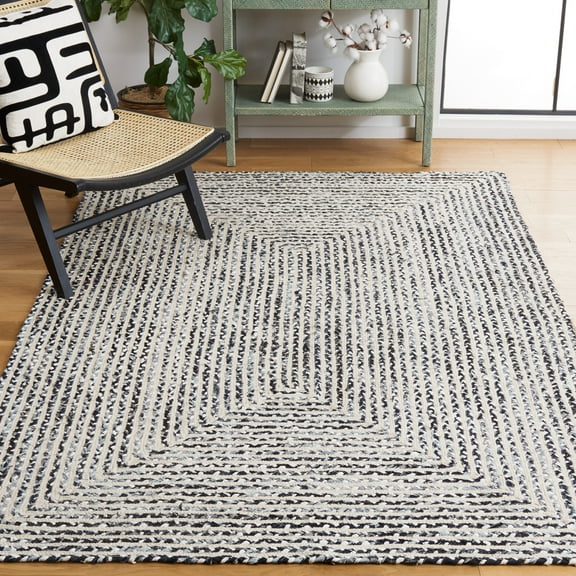
If you want softness underfoot, you may lean toward wool or a cotton blend for indoor rooms. You’ll often get a cozier feel that suits bedrooms, sitting areas, or layered coastal living spaces.
You can also use material as a maintenance filter. If your home sees frequent foot traffic, pets, or sandy shoes, you may prefer synthetics that clean up faster and hold their shape well.
Picking motifs and colors for beach house rugs
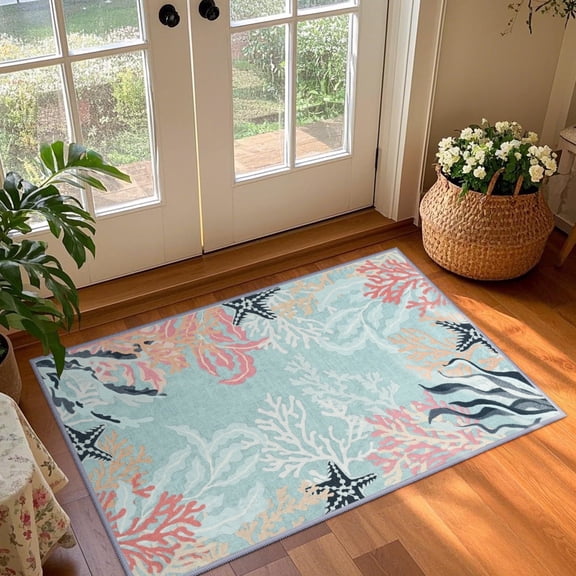
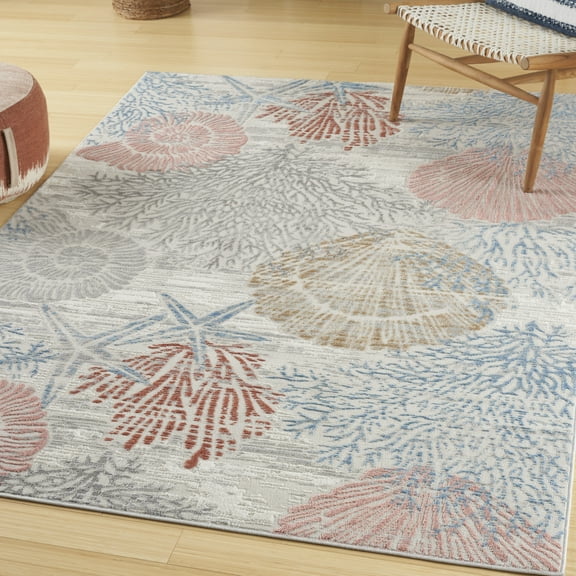
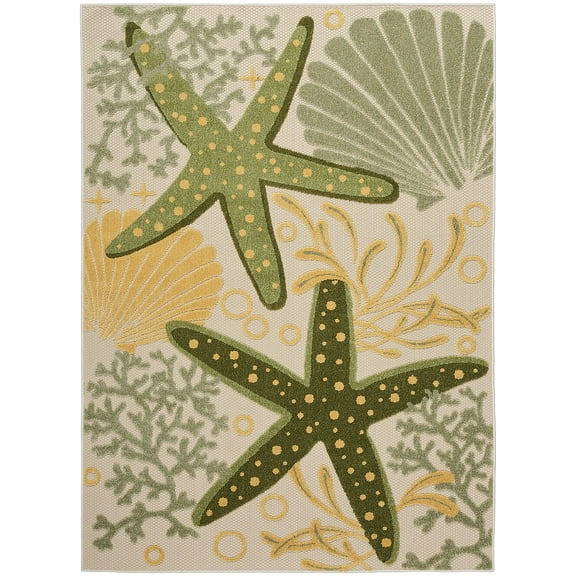
You can narrow your style faster by choosing a motif that matches your room’s decor. You’ll commonly see anchor area rugs, compass rose patterns, marine stripes, and sea life designs in this category.
If you want a classic maritime look, you may choose anchors, ropes, or compass details. You’ll create a stronger nautical signal than you would with a plain solid rug.
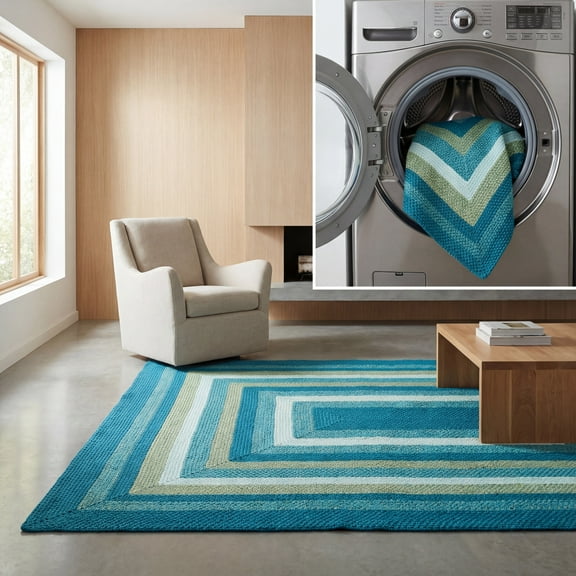
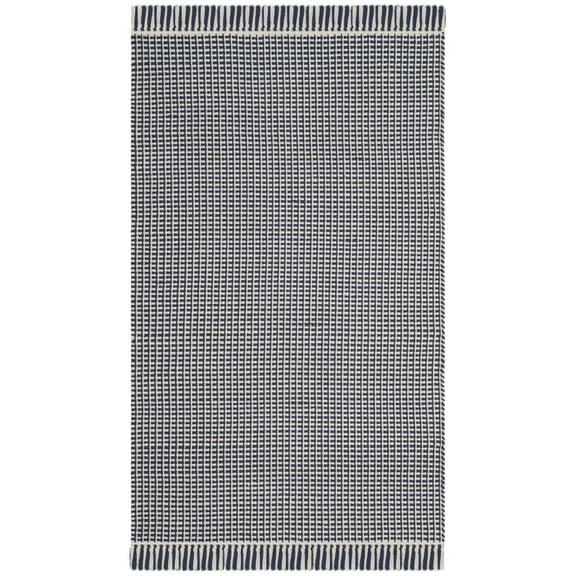
For a cleaner coastal look, you might prefer marine stripes or subtle ocean theme rugs. You can keep the seaside mood while giving your furniture, art, and pillows more room to stand out.
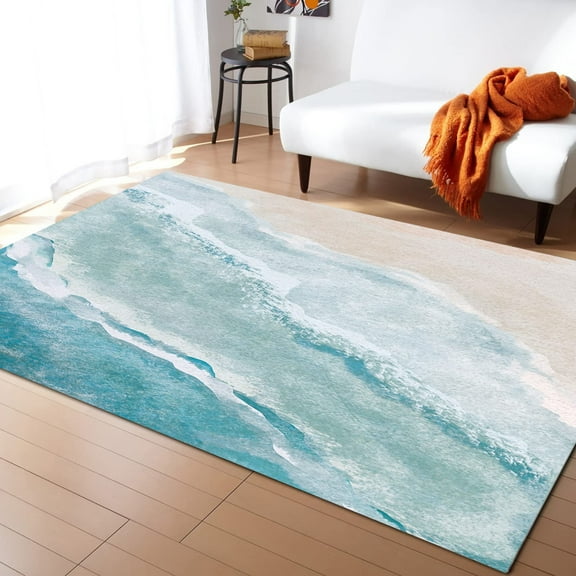
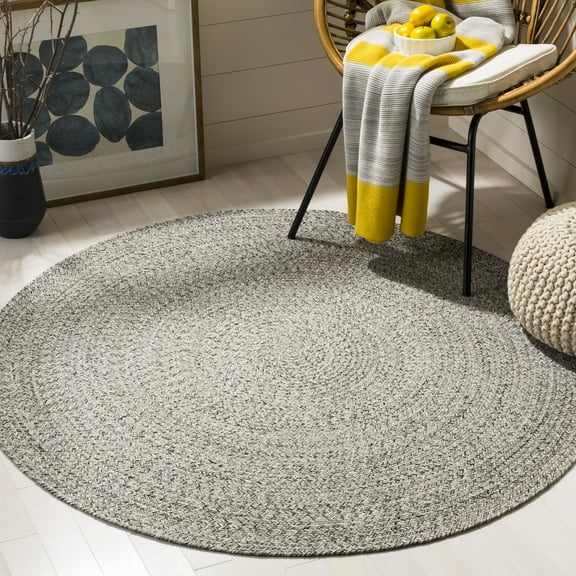
Color matters just as much as pattern when you’re shaping a room. You can choose navy blue nautical rugs for crisp contrast, or pick sand beige and seafoam green for a lighter palette.
You may use ocean blue tones when you want your rug to echo wall art, glass accents, or painted furniture. You’ll often find these shades easy to pair with white trim, wicker textures, and light wood finishes.
What to look for in outdoor and high-traffic spaces
You should check durability details when your rug will sit near doors, patios, or family gathering spots. You can compare indoor and outdoor construction by looking for water resistance, sun-ready fibers, and easy-clean surfaces.
If your rug will face bright light, you may want UV-stabilization because it supports longer-lasting color appearance. You’ll appreciate that extra durability in patios, sunrooms, and covered porches.
Pile height also affects how your rug handles daily messes. You can clean low-pile rugs more easily when sand, crumbs, or dirt collect in busy coastal homes.
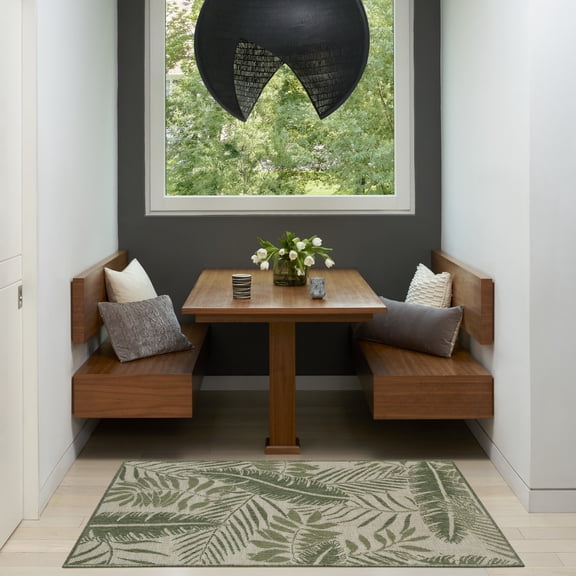
You may also want flatter weaves beneath dining tables or breakfast nooks. You’ll move chairs more smoothly, and you can keep the space feeling open instead of bulky.
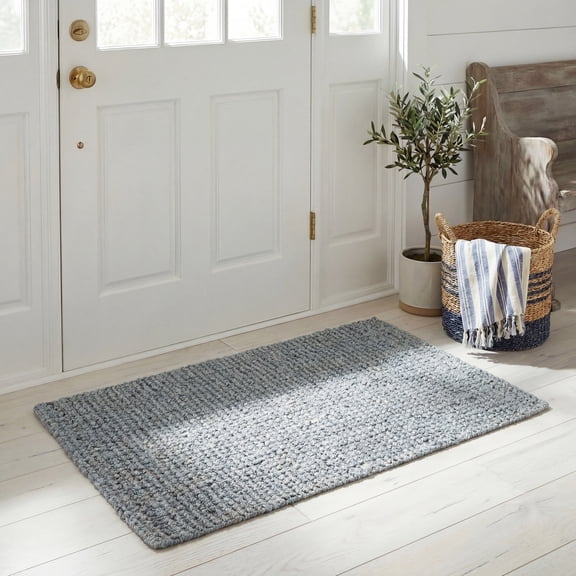
For entryways, you can use durable coastal area rugs that handle repeat traffic without overwhelming a compact space. You’ll keep the look welcoming while giving shoes and bags a designated landing spot.
Matching rug choices to real rooms
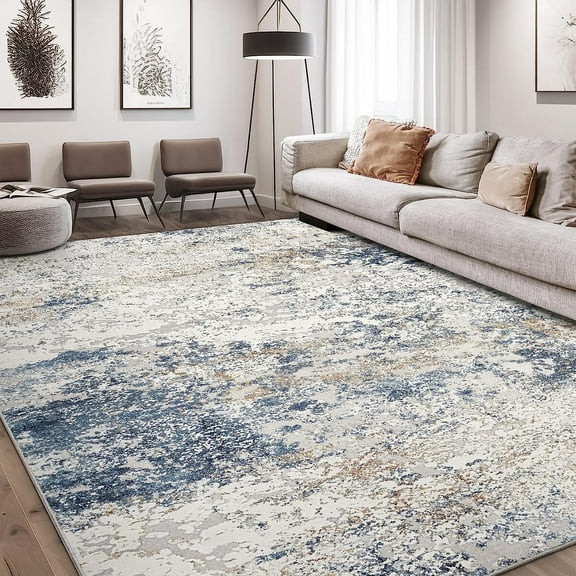
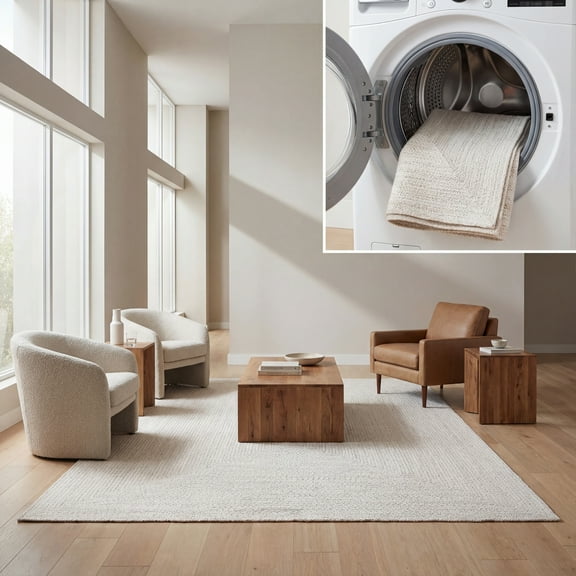
You can use living room rugs to connect a sofa, accent chairs, and a coffee table into one relaxed seating zone. You’ll usually want enough surface area to keep the arrangement looking intentional.
In a beach house kitchen, you may choose a low-pile runner or smaller accent rug. You can add color and pattern without making cleanup harder in a hardworking room.
For patios, you might select outdoor nautical rugs in polypropylene with marine stripes or compass motifs. You’ll get a coastal look that feels consistent with indoor decor and outdoor seating.
In an entryway, you can choose anchor area rugs or ocean theme rugs to set the tone right away. You’ll create a clear first impression with colors and patterns that fit a seaside home.
You may also coordinate your rug with nearby categories like nautical wall art, coastal living room furniture, or outdoor patio accents. You’ll build a more connected room when your colors and motifs repeat with purpose.
Nautical area rugs give you a practical way to shape coastal rooms with texture, pattern, and placement-specific performance. You can choose with more confidence when you compare material, motif, color, and pile height for your exact space.