


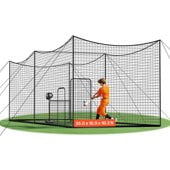
Baseball Training Gloves in Baseball Training Equipment


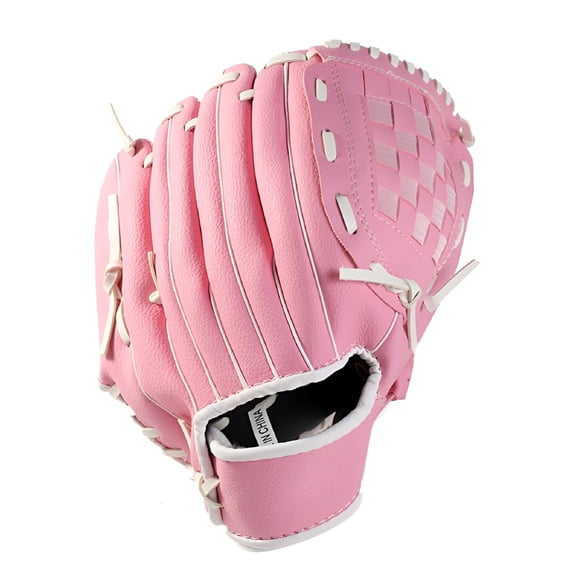


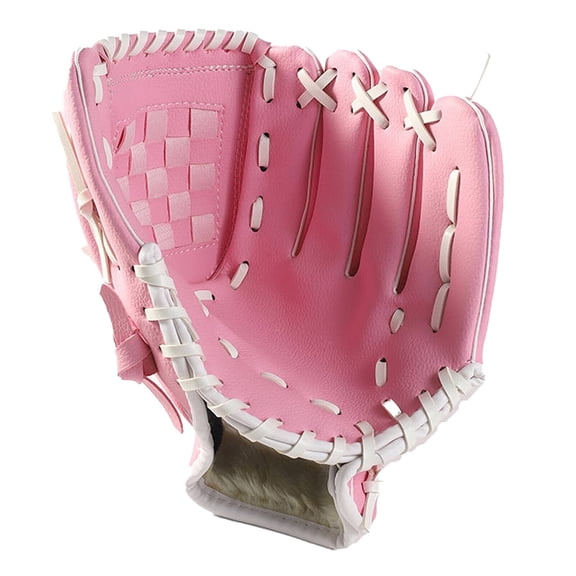


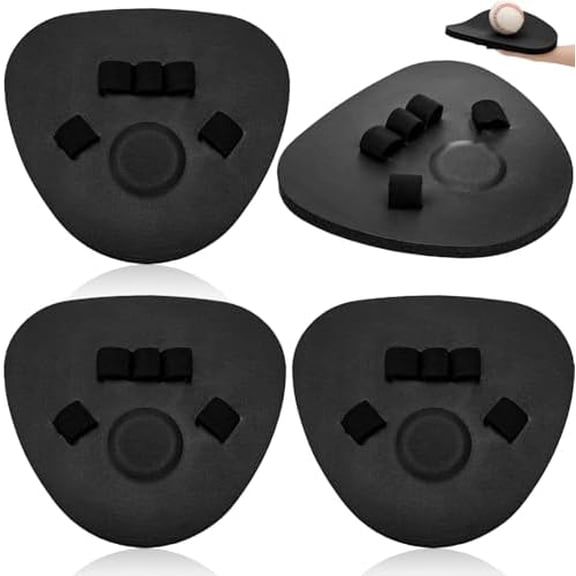


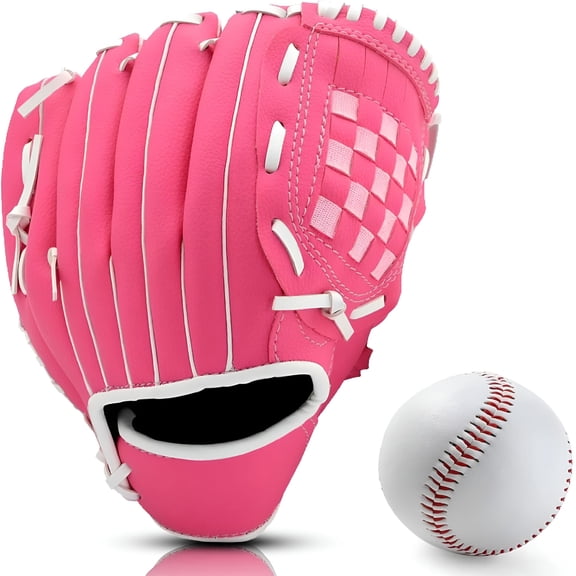

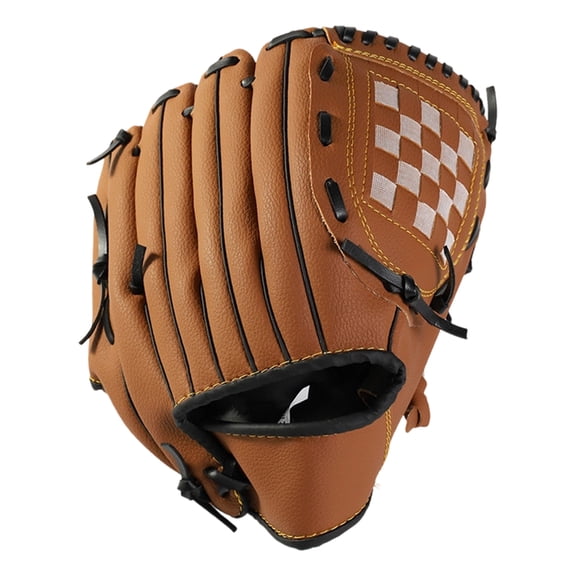


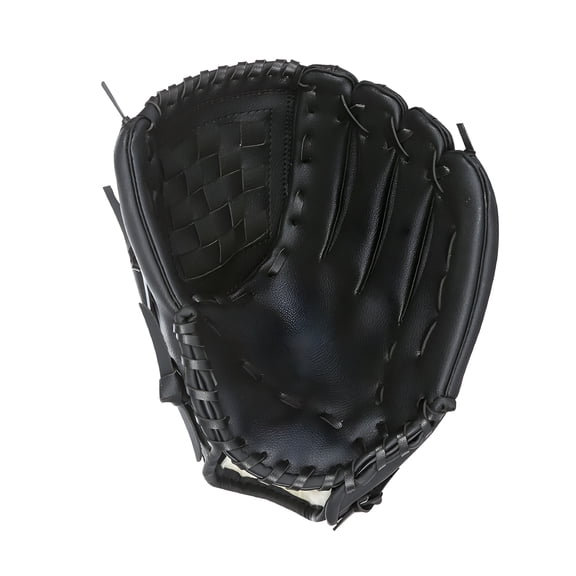


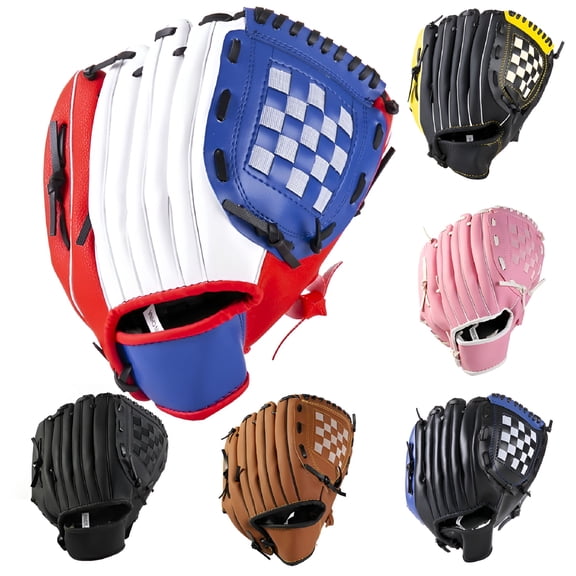


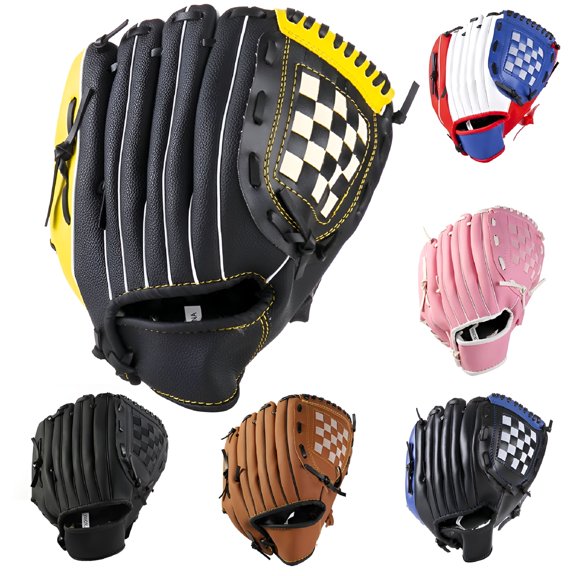
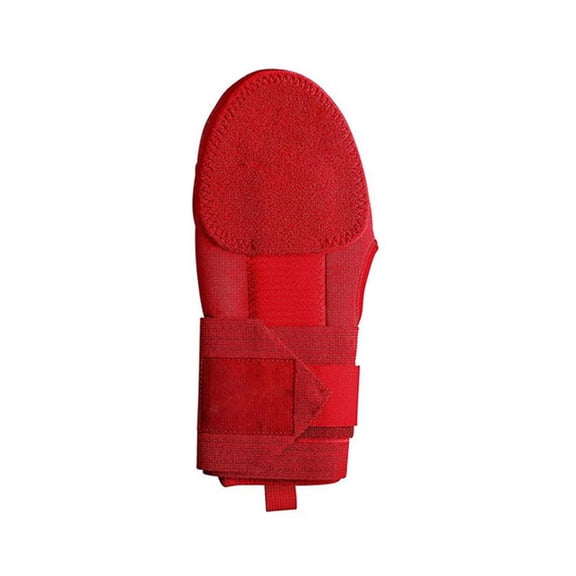


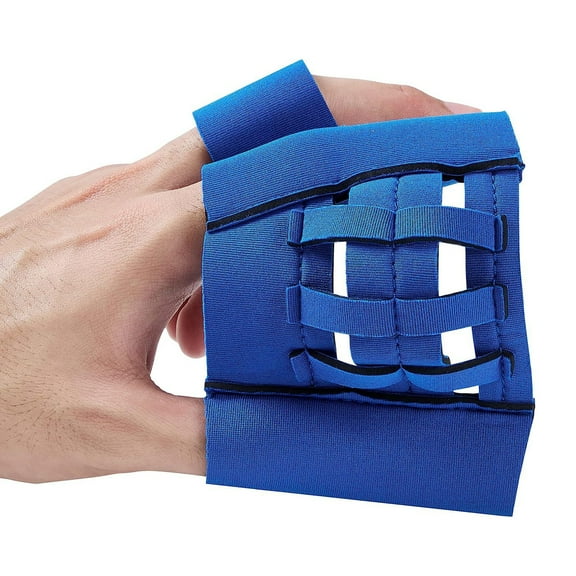
About Baseball Training Gloves in Baseball Training Equipment - Walmart.com
If you're choosing a baseball glove softball training beginner setup, you'll want gear that teaches quick hands from the first drill. You'll notice these trainers use flatter faces, lighter builds, and practice-first shapes that differ from game gloves.
As you compare options, you'll see flat designs, pancake styles, catchers training mitts, and webless trainers built for repeat reps. You can use these tools for baseball, softball, and fastpitch practice when your goal is cleaner fielding mechanics.
How to choose baseball glove softball training beginner options
When you start with glove type, you can match the trainer to the skill you want to build. You'll usually choose flatter surfaces when your drills focus on receiving, funneling, and moving the ball quickly.
If you compare a flat baseball glove with a standard pocket glove, you'll see less pocket depth and less hold time. You can use that flatter face to practice quick transfers during infield work.
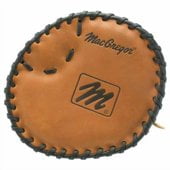
As you review pancake gloves, you'll find two flat sides that help you center the ball cleanly. You can use that shape for short hops, backhands, and rapid exchange drills.
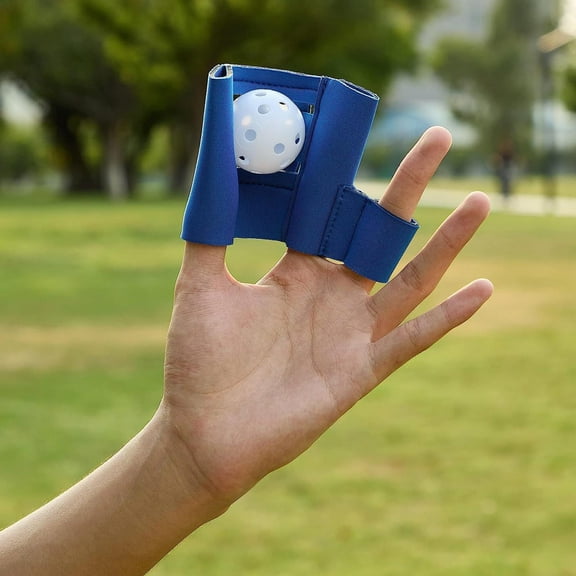
When you consider a webless trainer, you'll get visual feedback because the ball won't settle into a web. You can use that design to sharpen hand position and softer receiving technique.
If your drills center on catching mechanics, you'll want a catchers training mitt that supports repeated receiving work. You can practice target presentation, ball control, and transfer timing with a training-focused shape.
What benefits you can expect from training gloves
You'll use training gloves to isolate mechanics that game gloves can hide. Because a simplified catching surface isolates mechanics, you can spot rushed hands, late funnels, and uneven transfers faster.
During beginner sessions, you'll often want fewer variables and more repetition. These glove styles help you track the ball's path and improve how your hands work with your feet.
- You can build quicker transfers for infield drills and double-play practice.
- You'll get clearer feedback on hand placement with flat and webless designs.
- You can train baseball, softball, or fastpitch fundamentals with sport-specific choices.
- You'll find youth-friendly options that feel lighter during repeated practice.
When your player is new to fielding, you can use these gloves to keep drills simple and focused. You'll often notice cleaner catches when the glove encourages direct, centered receives.
If you coach multiple positions, you can select different trainer shapes for different skills. You might use an infield training glove for transfers, then switch to a catcher's trainer for receiving reps.
Choosing the right features for practice goals
As you compare glove type, you should decide whether you need a flat glove, pancake glove, catchers training mitt, or webless trainer. Each shape gives you a different practice feel and a different learning cue.
For baseball, softball, and fastpitch, you should check pattern size and drill intent before you choose. Fastpitch players may want training gloves that support smaller hand openings and quicker exchange work.
When you shop by skill level, you should compare beginner, youth, intermediate, and collegiate options carefully. A younger player usually needs easier control, while advanced players may want firmer materials and drill-specific shapes.
You'll also want to check hand orientation before anything else. If you throw right-handed, you'll wear the glove on your left hand, and the opposite applies for left-hand throwers.
As you narrow materials, you can compare synthetic builds with genuine leather. Synthetic options usually feel lighter for youth practice, while leather often gives you a longer break-in path and lasting structure.
Before you choose sizing, you should match the glove to your hand size and drill tempo. A glove that fits your hand well can help you control catches and repeat movements more naturally.
Matching glove type to real training use
If you play infield, you should look for flatter faces and faster transfer designs. You'll use those shapes for grounders, short hops, forehand picks, and quick release practice.
When you train catchers, you should focus on mitt shape, receiving comfort, and repeated ball presentation. You can use a catchers training mitt for target work, framing drills, and transfer rhythm.
If your routine includes outfield fundamentals, you may still use training gloves for hand skills between full-glove reps. You'll build cleaner receiving habits before moving back to a deeper pocket glove.
For beginner practice at home, you can keep sessions simple with short toss, rolled grounders, and exchange drills. You'll get more from each rep when the glove type matches the skill focus.
As coaches set team stations, you can assign different training tools to different groups. One station might use a flat baseball glove for funnels, while another uses a catcher's trainer for receiving.
When your goal is long-term development, you should think about progression instead of one drill. You can start with lighter youth trainers, then move into firmer materials and position-specific options as skills grow.
What to look for before you finish your choice
You'll make a smarter pick when you compare glove type, sport, skill level, field position, hand orientation, and material together. That approach helps you choose a trainer that supports cleaner reps, quicker transfers, and more confident practice.
If you want focused fielding work, these training gloves give you a clear path from basic catches to sharper mechanics. You'll leave practice with more controlled hands and more repeatable defensive moves.