

Fire Extinguishers in Car Safety and Security


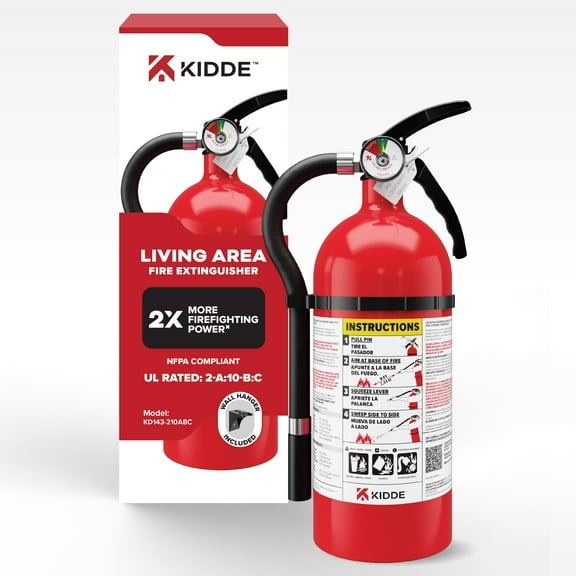

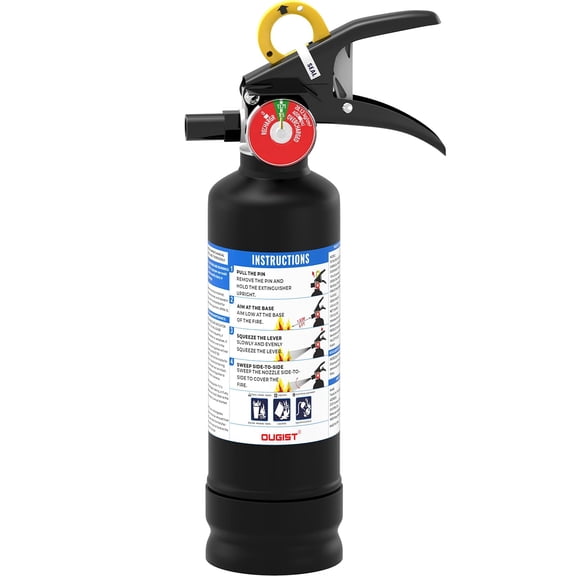

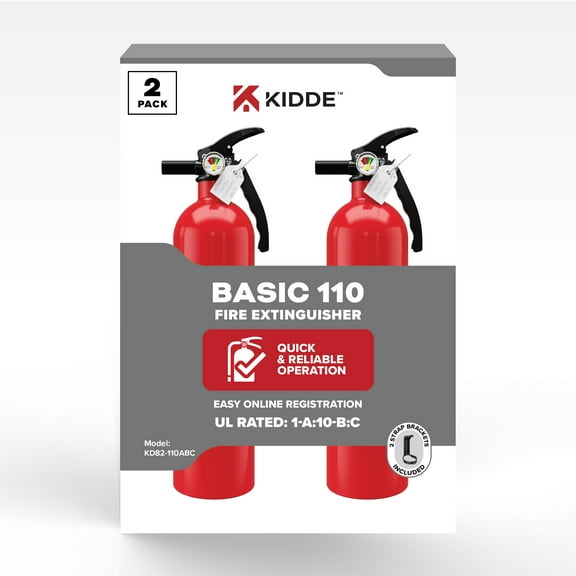
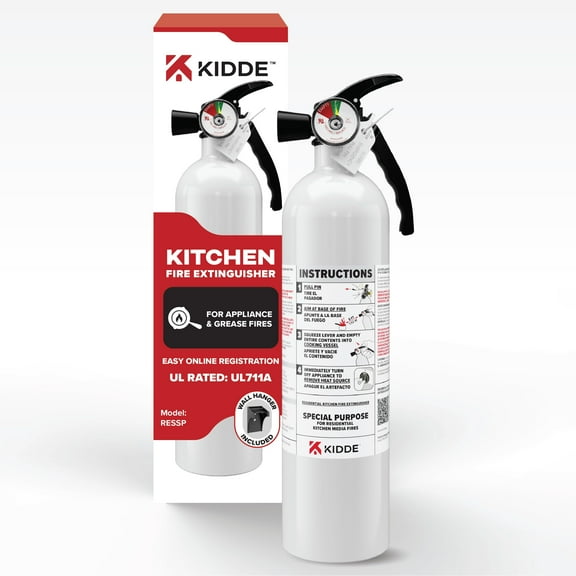
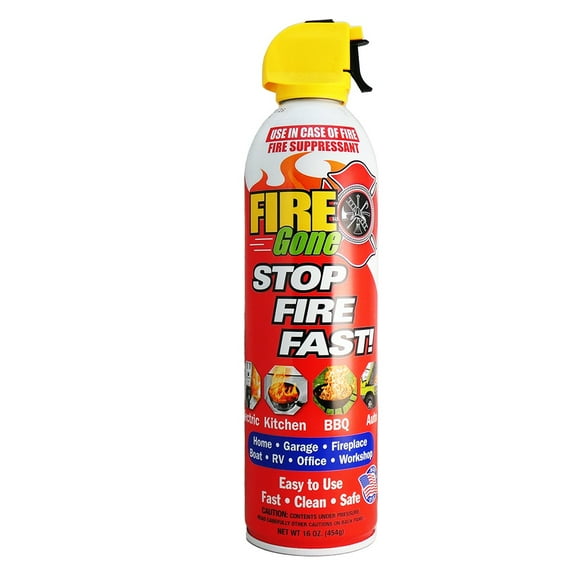


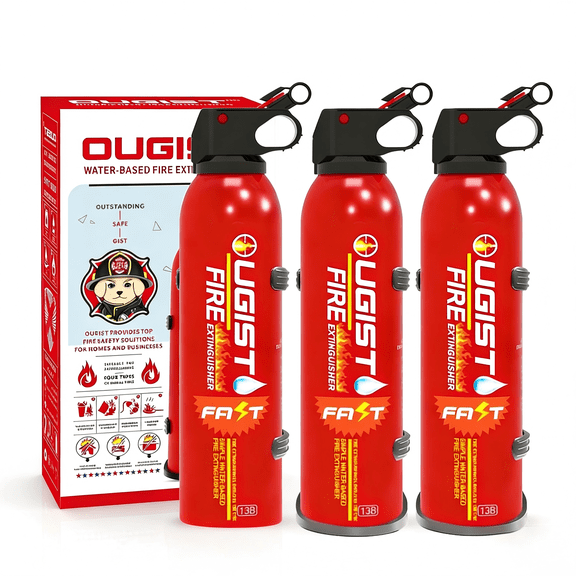

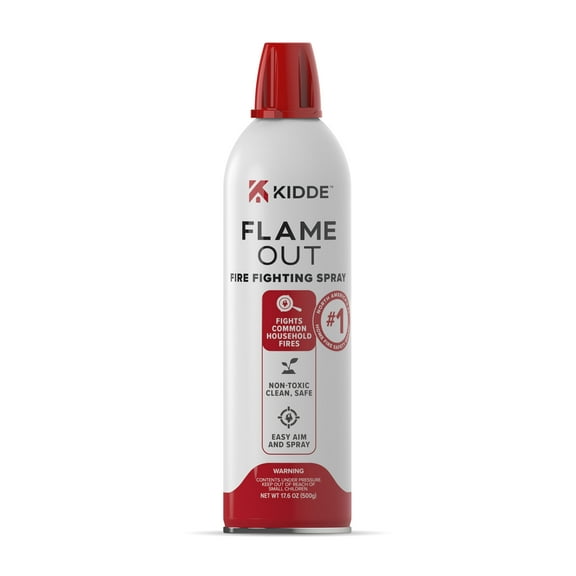
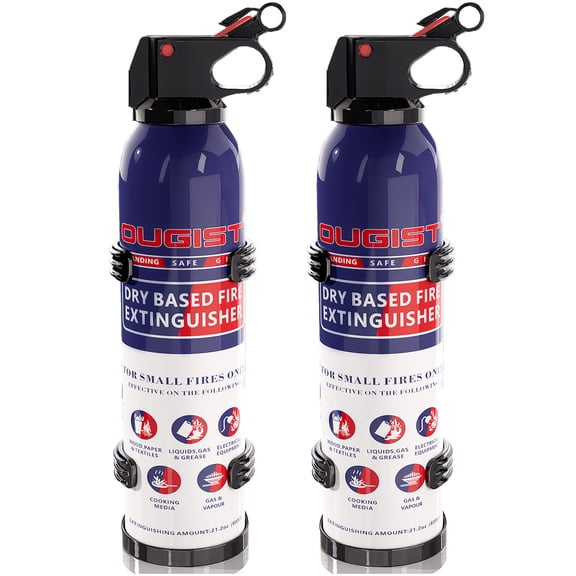









About Fire Extinguishers in Car Safety and Security - Walmart.com
You can choose a car fire extinguisher that fits your vehicle, mounting space, and driving routine. You also get decision support here for ratings, size, brackets, and discharge agent options.
If you keep emergency gear in your cabin or trunk, you need details that match real vehicle storage. You can compare compact formats, readable gauges, and mounting styles that stay put during travel.
How to choose a car fire extinguisher
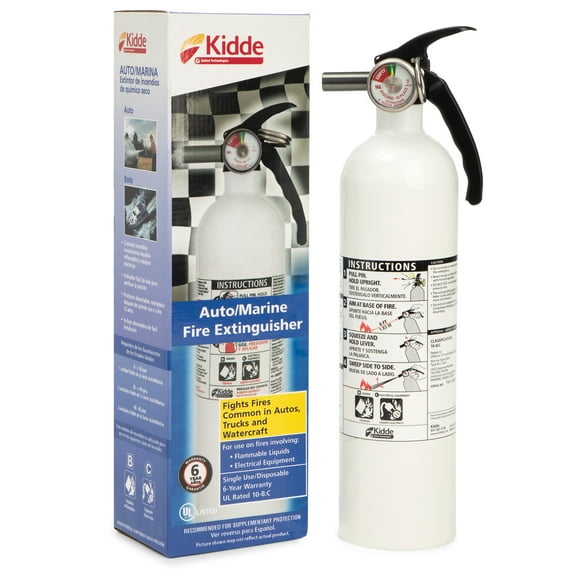
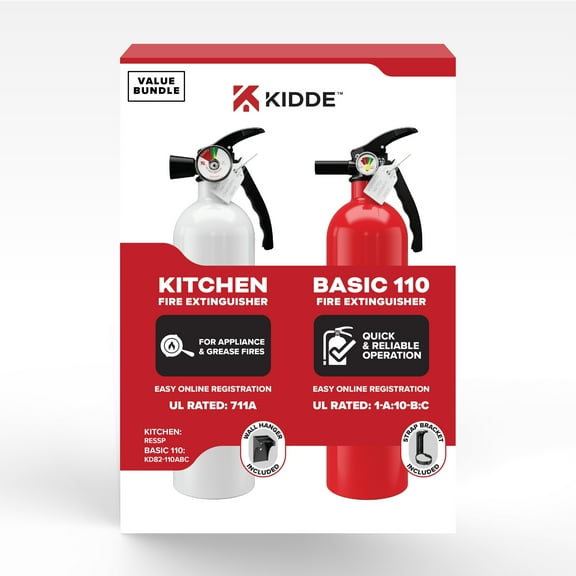
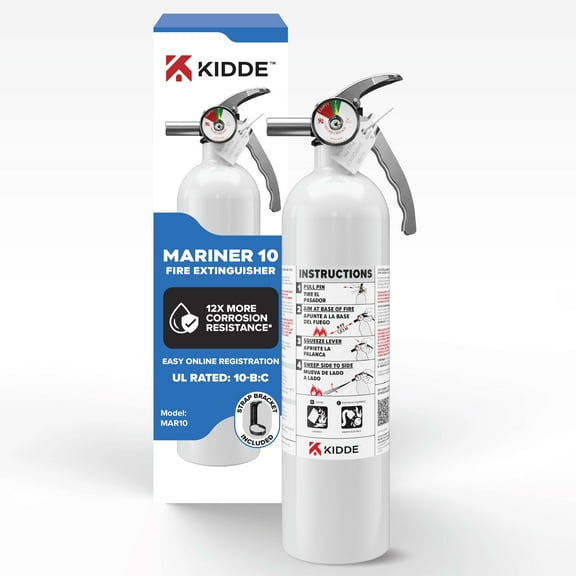
You should start with the fire class rating because it tells you what kinds of vehicle hazards the unit is designed for. You’ll usually compare Class B:C and Class A:B:C options for automotive use.
If you want coverage for flammable liquids and electrical equipment, you’ll often look for a B:C rating. If you want broader household crossover use, you may consider an A:B:C unit instead.
You’ll also want to check where your extinguisher will ride every day. You can measure your glovebox, under-seat area, door pocket, or trunk before you choose a size.
- You can use Class B:C options for fuel and electrical equipment decision points.
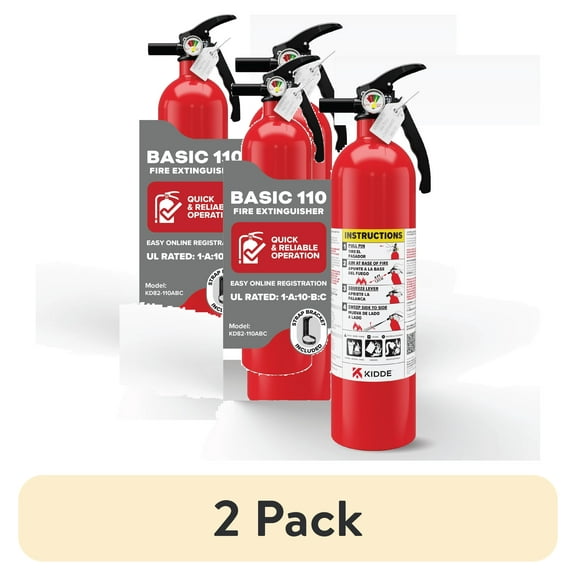
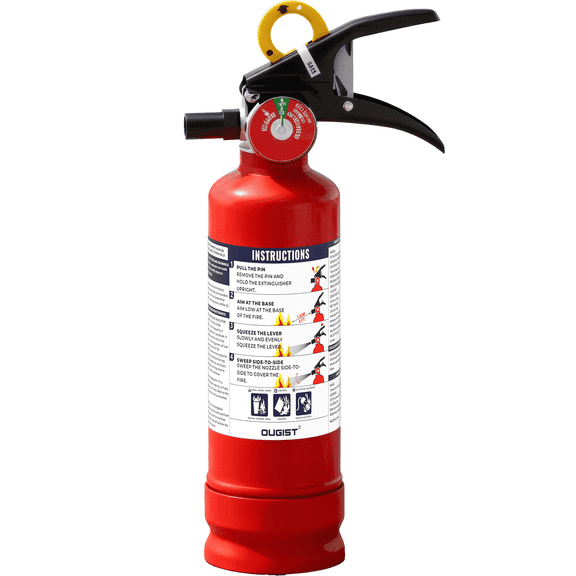
- You can compare 1 lb, 2 lb, and 2.5 lb sizes for tighter or roomier vehicles.
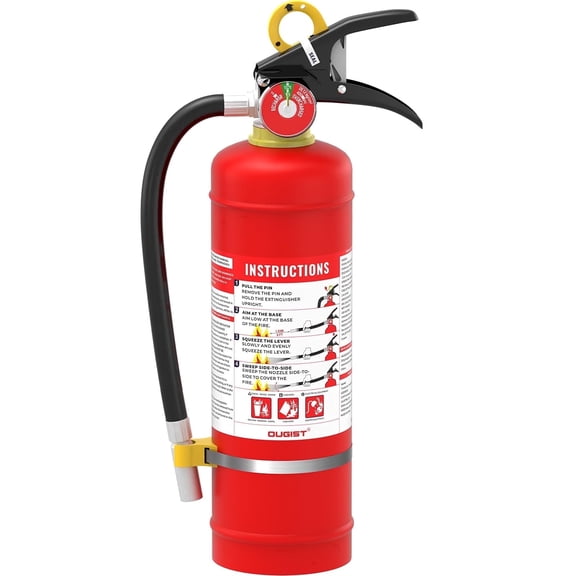
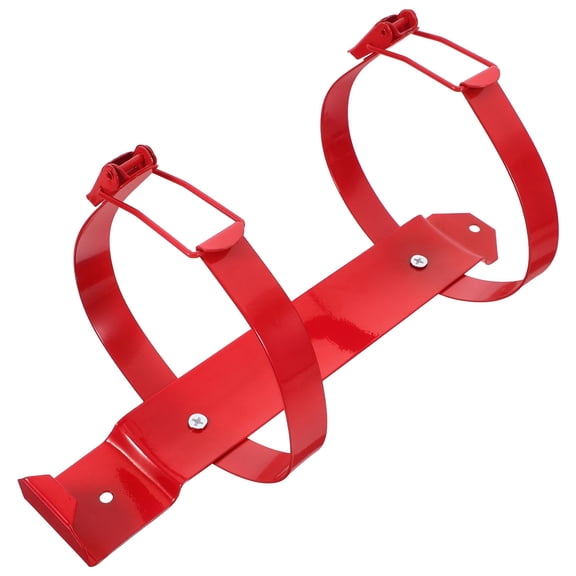
- You can choose strap mounts or quick-release metal brackets for different access needs.
- You can compare dry chemical and clean agent formulas based on cleanup preferences.
You may also compare rechargeable and single-use formats before you buy. If you drive often or keep a long-term emergency setup, you may prefer an option you can service later.
Understanding ratings, size, and key features
You should treat the rating label as a major buying detail, not a small spec. You’ll want a unit that matches the common materials and systems found inside your vehicle.
When you compare sizes, you’ll usually see 1 lb, 2 lb, and 2.5 lb capacities. You can favor smaller units for compact storage, while larger units may offer longer discharge time.
You should also look for a pressure gauge you can read quickly. You’ll find that a clear gauge helps you check readiness during routine vehicle gear inspections.
If you want a small fire extinguisher for car storage, you should compare dimensions before capacity alone. You can fit a compact unit more easily under a seat or in a small trunk organizer.
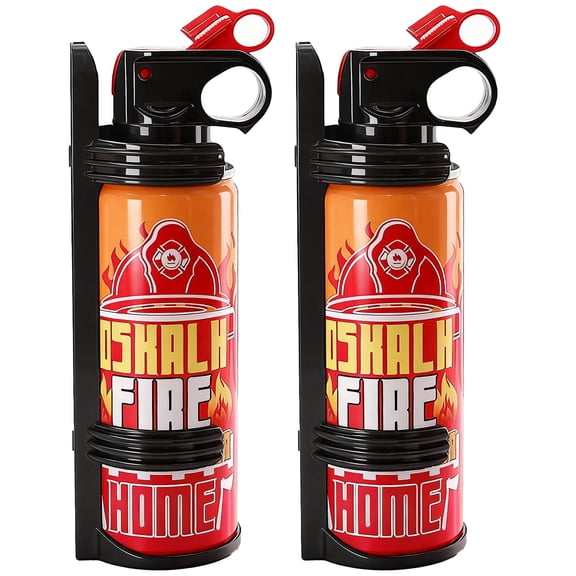
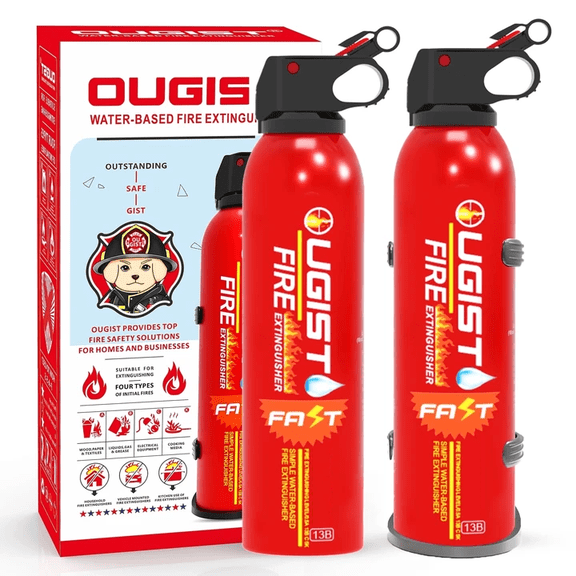
You’ll also see different mounting bracket types that affect access and stability. You can use a strap mount for simple placement, or choose a quick-release metal bracket for faster removal.
If your roads are rough or your vehicle sees daily commuting, you should check how securely the bracket holds the cylinder. You want your extinguisher to stay fixed instead of shifting around.
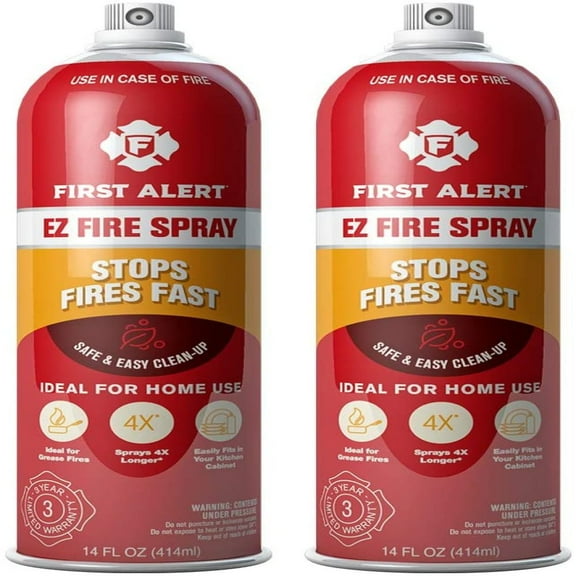
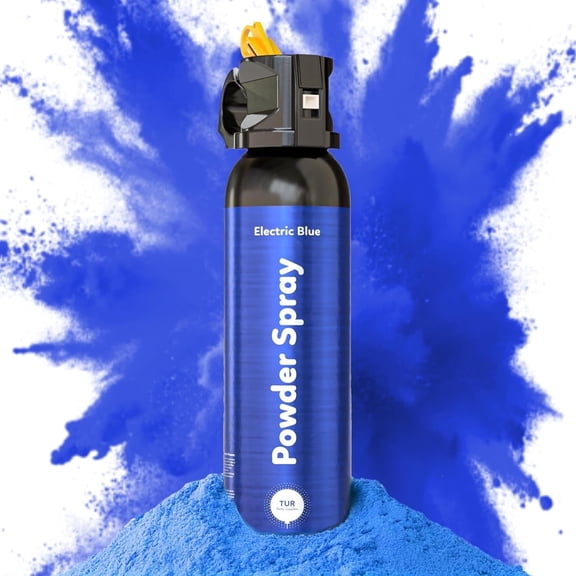
You can also compare discharge agents based on cleanup and intended use. You’ll often see dry chemical options, while some shoppers prefer clean agent or Halotron styles.
If you want broad availability, you may start with fire extinguishers for cars that use dry chemical agent. If you want less visible residue after use, you may compare clean agent formats.
Choosing the right setup for your vehicle
You should match your extinguisher to where you drive and what you drive. You can make a more useful choice when you pair size, bracket style, and rating together.
If you drive a compact car, you may prefer a 1 lb or 2 lb unit with a slim bracket. You can tuck that setup under a seat or inside a tighter cargo area.
If you drive a truck, SUV, or work vehicle, you may have room for a 2.5 lb size. You can mount it in a cargo area where you still have quick access.
You may want a quick-release bracket if you keep emergency gear within reach of the driver seat. You can choose a strap mount if your setup stays in the trunk or rear cargo space.
If you carry roadside tools, jumper cables, or warning gear, you can build a more complete vehicle safety kit. You may also want room for brackets and accessories in the same storage zone.
You should think about maintenance before you decide on a model. You can check whether the gauge is easy to read and whether the unit is rechargeable or single-use.
If you’re shopping for an extinguidor para carro, you’ll want the same key details in any language. You should compare class rating, bracket type, size, and gauge visibility first.
You can also consider how often you reorganize your vehicle storage. If you move gear between cars, you may prefer a compact unit with simpler mounting hardware.
What to look for before you choose
You should focus on labels and fit details that support everyday vehicle use. You can narrow your options faster when you compare the rating, capacity, and bracket style together.
If you want a car fire extinguisher that’s easy to keep in place, you should measure first and verify bracket compatibility. You’ll end up with gear that fits your space and stays accessible.
You can shop this category with more confidence when you understand B:C ratings, compact sizing, and vehicle mounting choices. You’ll make a cleaner, more practical decision for your car, truck, or SUV.