

Essence Oil Nose Rings & Aromatherapy



























About Essence Oil Nose Rings & Aromatherapy - Walmart.com
Aromatherapy helps you create a more personalized scent routine with essential oils, carrier oils, gift sets, and diffusers that fit your space. You can compare scent profiles, diffuser styles, and oil types in one place, so your routine feels simple to build.
How to choose aromatherapy for your routine
When you shop aromatherapy, you’ll want to start with the product type that matches how you plan to use scent. You can choose essential oils for custom blending, carrier oils for dilution, diffusers for room fragrance, or gift sets for easy variety.
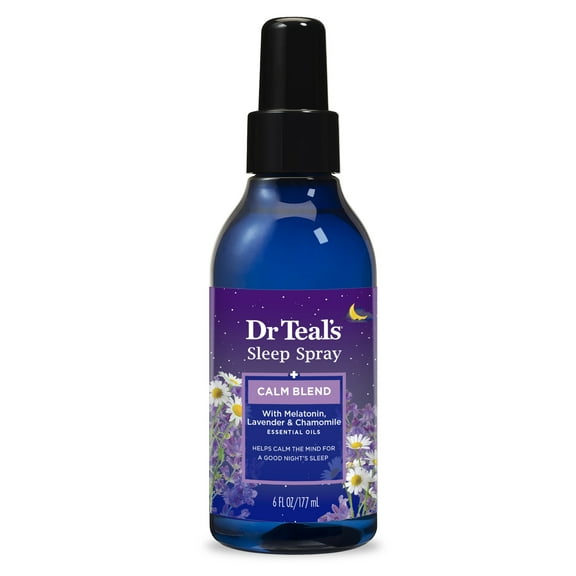
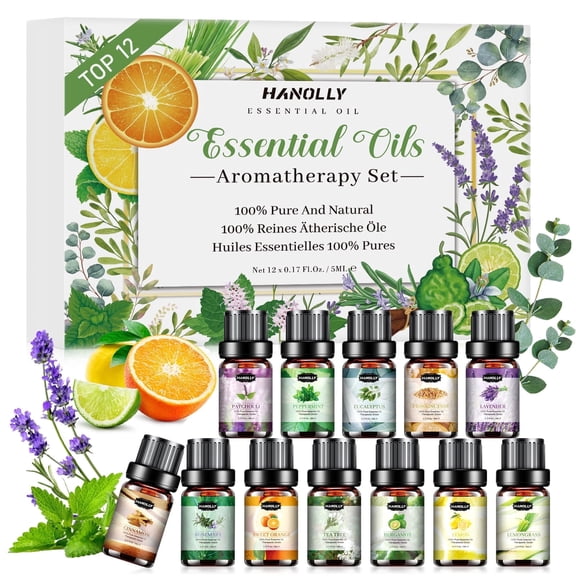
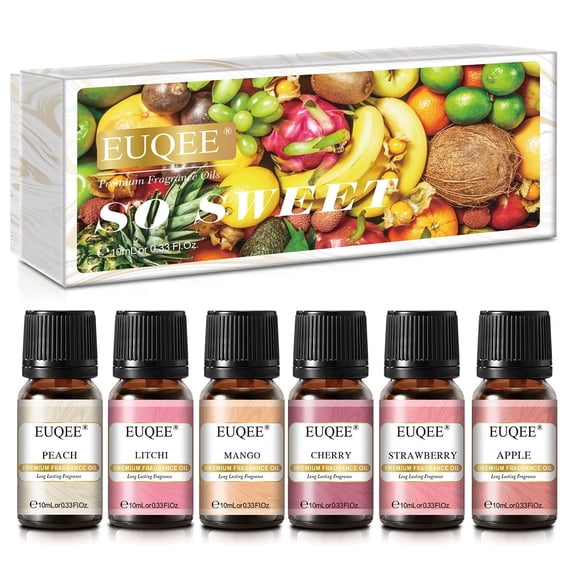
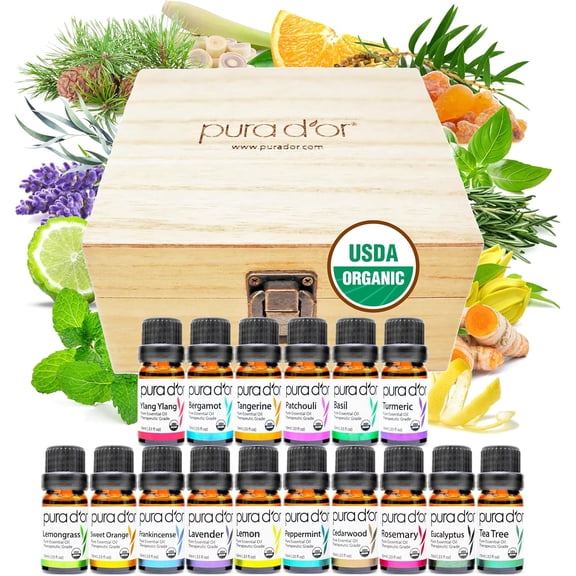
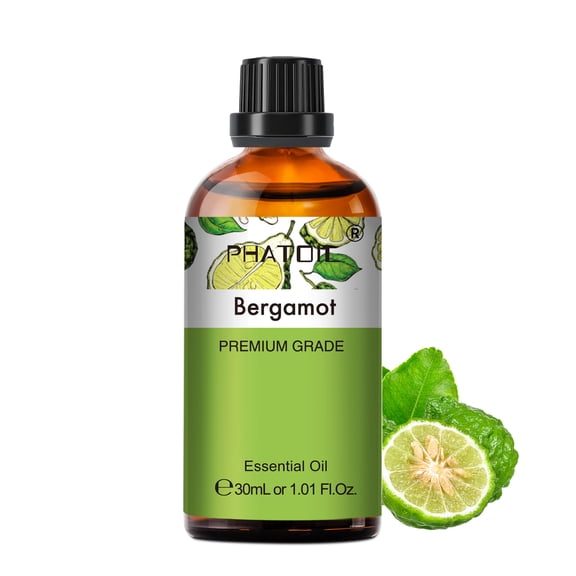
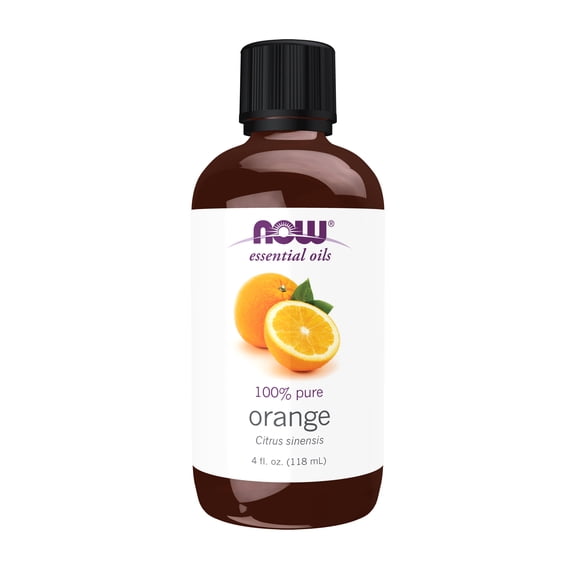
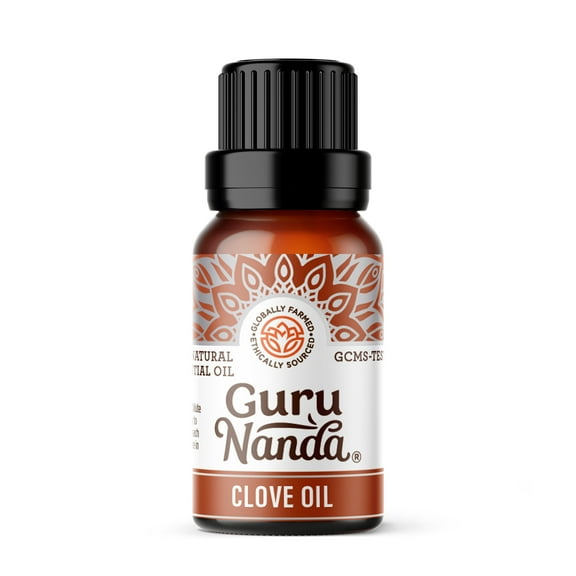
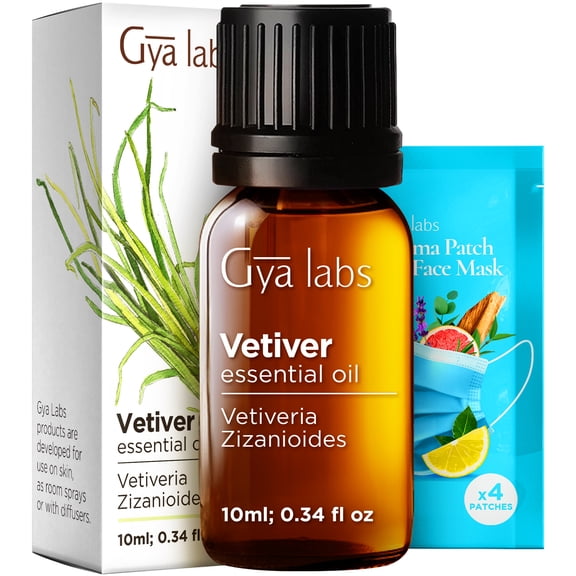
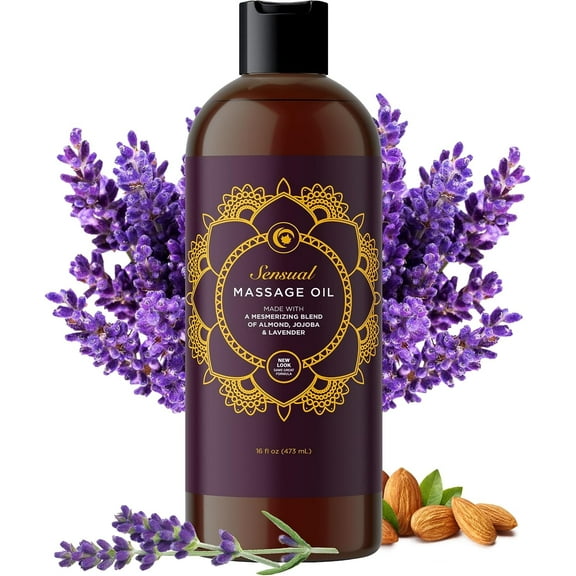
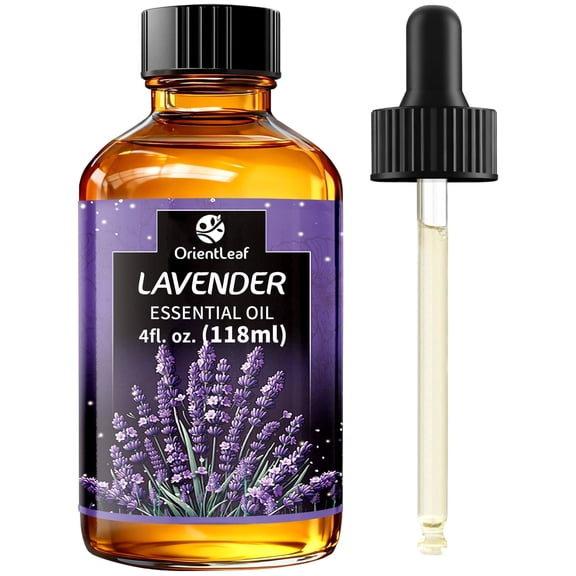
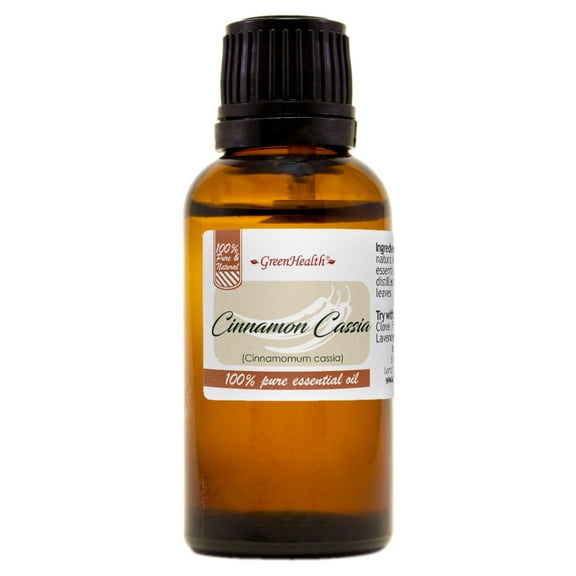
If you prefer flexibility, you may reach for single aromatherapy oils that let you mix scents based on mood or season. If you want a ready-made option, you can compare essential oil set choices that group popular scents together.
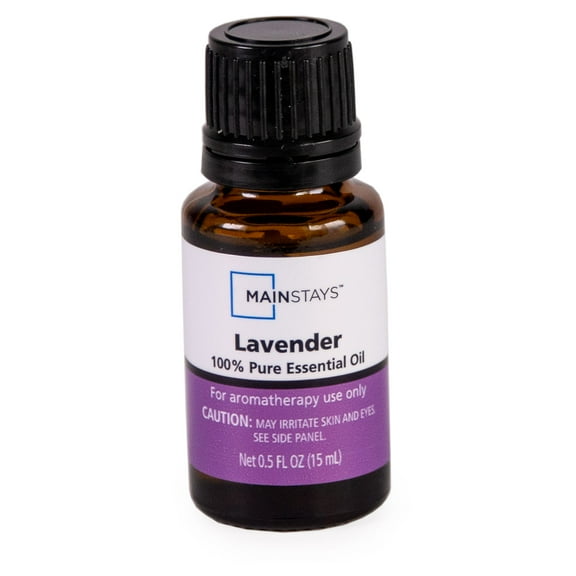
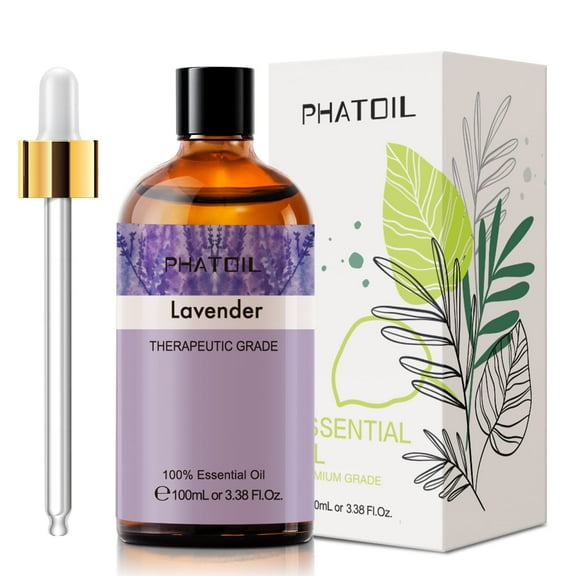
You can also narrow your options by scent profile before you compare bottle sizes or diffuser functions. Lavender can suit a calm bedroom feel, while citrus can brighten a kitchen or entryway.
- You can select essential oils when you want to build custom blends.
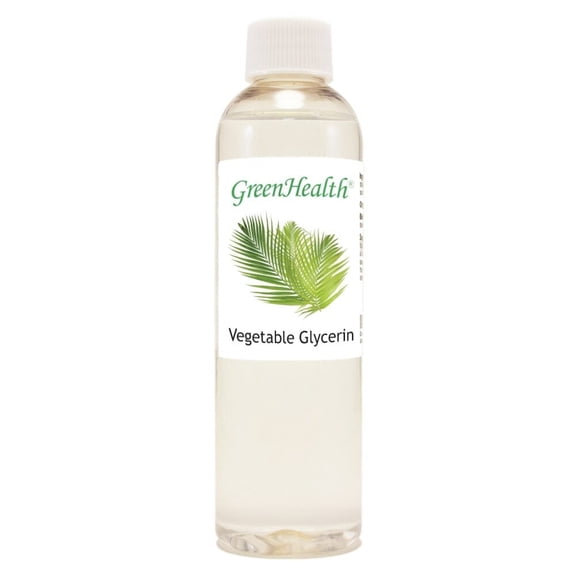
- You can choose carrier oils when you want to dilute oils for topical use.
- You can compare gift sets when you want several scents in one purchase.
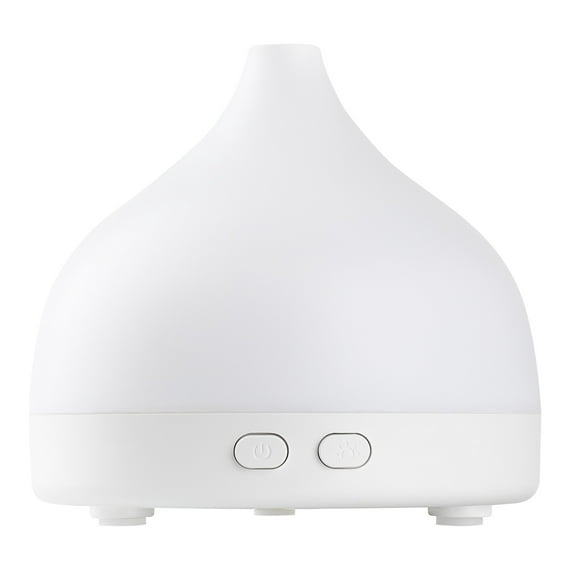
- You can pick diffusers when you want steady fragrance across a room.
Choosing essential oils and purity grades
When you compare essential oils, you should check whether you want 100% pure oils or blended options. You may also look for organic choices or therapeutic grade labeling if those details matter in your routine.
You’ll want to understand what those terms mean before you decide. A 100% pure oil contains one oil only, while a blended oil combines multiple oils for a preset scent profile.
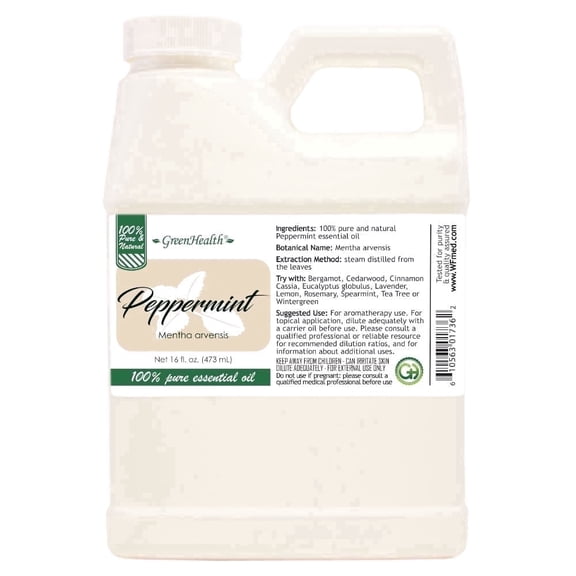
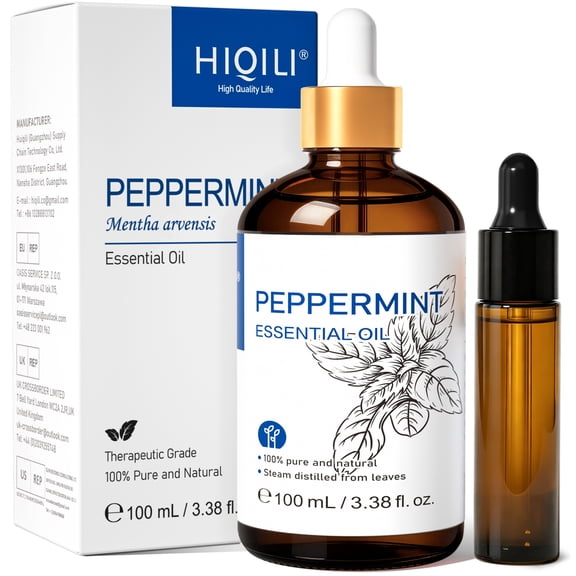
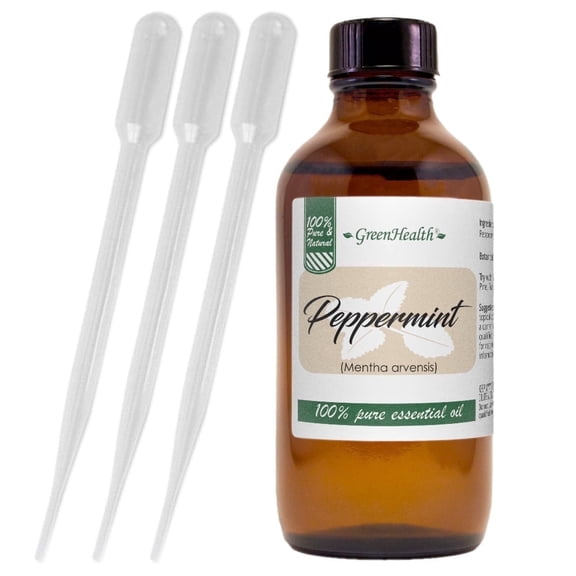
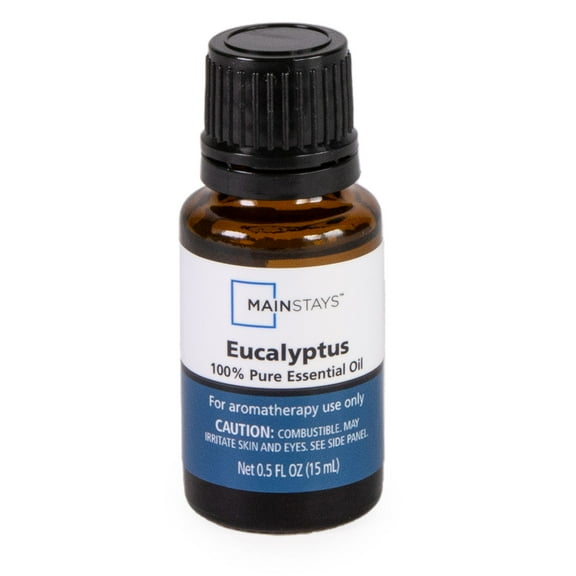
If you like control over each note, you may prefer single oils like eucalyptus, peppermint, lavender, citrus, or tea tree. If you want a simpler experience, you may like blends that combine floral, herbal, or fresh scents.
You should also compare how you plan to apply your oils. For inhalation, you can use essential oil diffusers, while topical use usually calls for dilution with carrier oils.
Carrier oils matter because they help you prepare essential oils for skin application in a simpler way. You can look for common options that pair easily with your preferred aromatherapy oils.
Choosing aromatherapy diffusers by room size
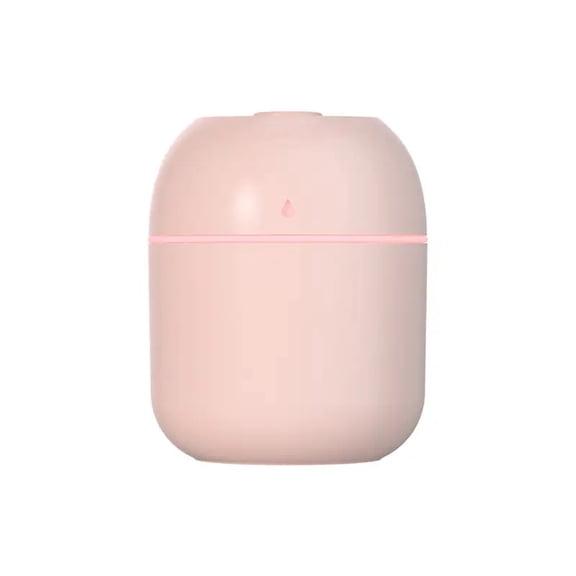
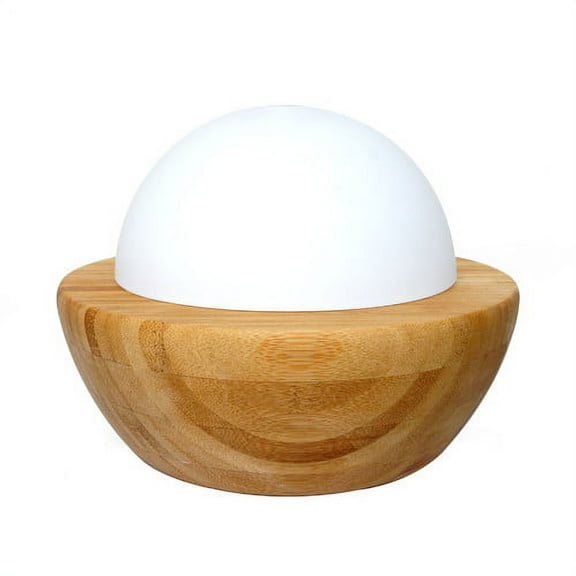
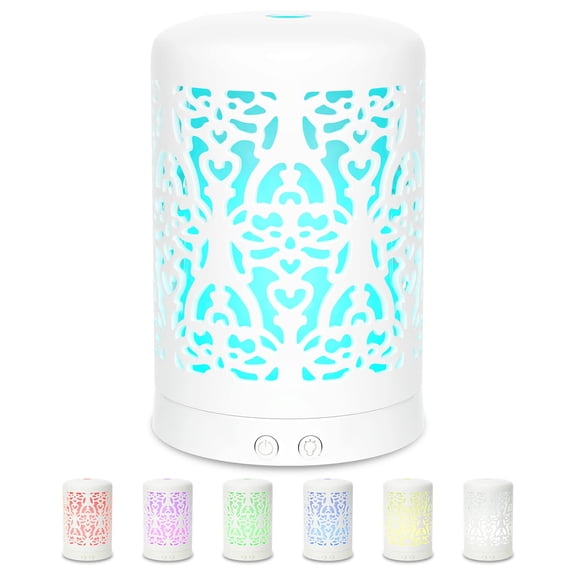
When you compare aromatherapy diffusers, you should match the diffuser type to your room size and scent preference. You can also check tank capacity, runtime, and mist style before you choose.
Ultrasonic diffusers use water and can work well when you want visible mist and easy everyday use. Nebulizing diffusers use oil without water, so you may notice a more direct scent in your space.
Heat diffusers can suit smaller areas where you want a simple setup with fewer moving parts. Evaporative diffusers move scent through airflow, which can work well for desks, entryways, or compact rooms.
You should measure your room or estimate its square footage before you buy. A larger room often needs higher coverage and a bigger tank, while a smaller room may need a more compact option.
If you’re setting up a bedroom, you may want a quieter unit with timed operation and a moderate tank size. If you’re scenting a living room, you may prefer broader coverage and longer runtime.
Matching scent profiles to your space
You can use scent families to narrow your options quickly when the assortment feels large. Lavender often fits bedrooms, eucalyptus can feel fresh in bathrooms, and peppermint can suit workspaces.
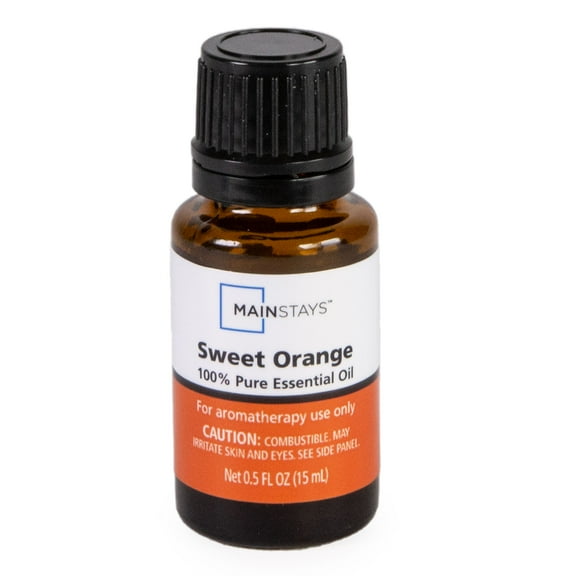
Citrus scents can work well in kitchens, entryways, or daytime living areas where you want a bright atmosphere. Tea tree may appeal to you when you want a sharper, clean-smelling profile.
You can also rotate scents by season or occasion to keep your setup feeling intentional. A gift set can help you sample several profiles before you commit to larger bottles.
If you share your home with others, you may want milder blends for common spaces. If you’re building a personal routine, you can choose stronger or more focused notes for your own room.
What to look for in safe everyday use
You should check labels and usage directions before you use any aromatherapy item at home. You can keep your routine straightforward by matching the product to inhalation, diffusion, or diluted topical use.
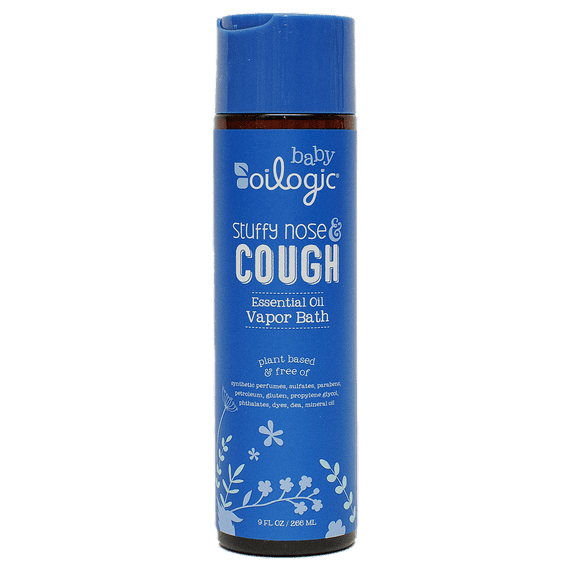
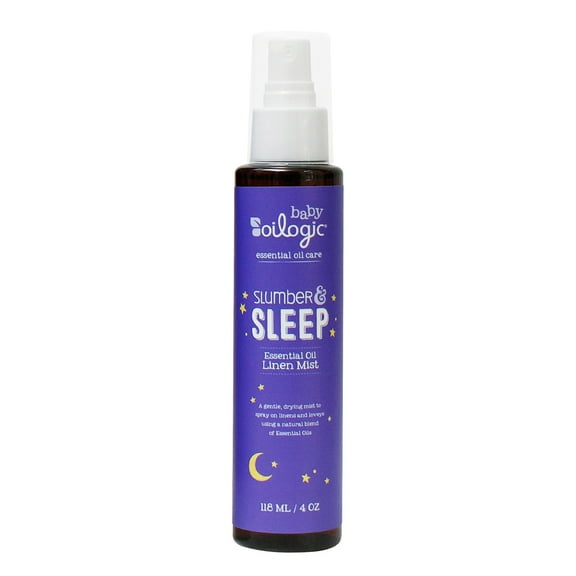
If you have children or pets at home, you may prefer lighter scent options and careful placement. You can also look for pet-safe oil alternatives and use diffusers in spaces with good airflow.
You’ll want carrier oils on hand if you plan to use oils on skin after dilution. You can keep diffuser use simple by adding the amount directed for your tank size.
For gifting, you may want sets that include popular scents and easy-to-understand instructions. That makes it easier for you to compare options that feel approachable for beginners.
With aromatherapy, you can build a scent setup that matches your rooms, your routine, and your preferred application method. You’ll feel more confident when you compare oil purity, diffuser coverage, and scent profile together.