




Cat Grooming in Cats
































About Cat Grooming in Cats - Walmart.com
Cat grooming helps you manage loose fur, tangles, and trims with tools designed for different coats and comfort levels. You can choose cat care essentials by coat type, grooming task, and safety details that matter during at-home routines.
How to choose cat grooming tools
You’ll usually start with grooming tool type, because each option handles a different task during regular care. You can use brushes and combs for coat upkeep, nail clippers for paw care, and wipes or cat shampoo for quick cleanups.
When you compare cat grooming tools, you should match the item to your cat’s tolerance and your routine. You may prefer a simple wipe for quick touchups, or you may want a bathing option for messier moments.
You can narrow your choices quickly by focusing on the job each tool supports. You’ll often see these common functions when you compare options:
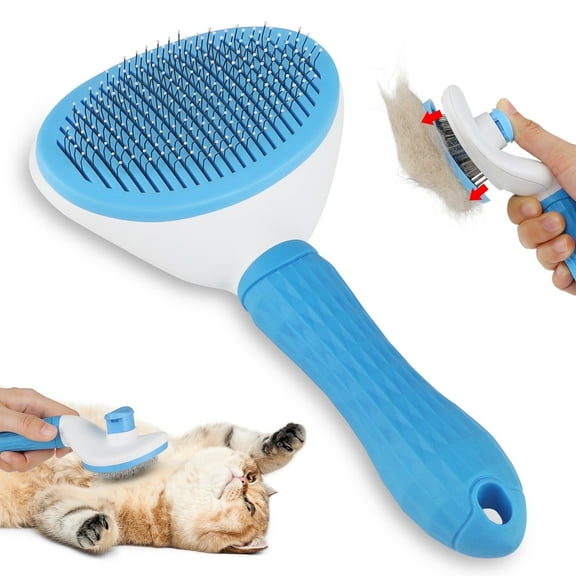
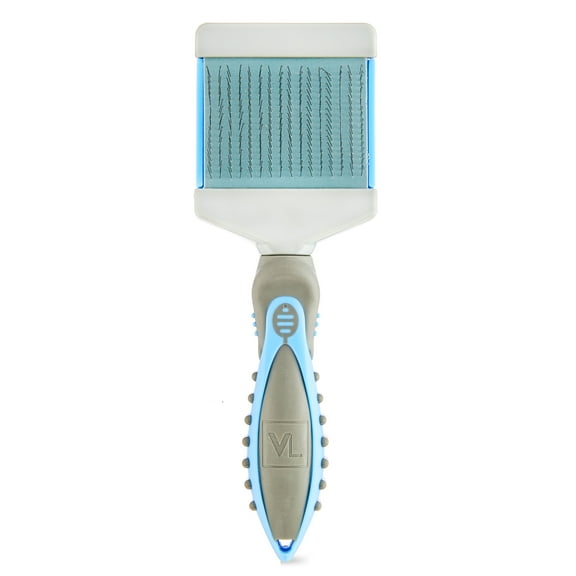
- You can use cat brushes and combs for detangling, smoothing, and everyday upkeep.
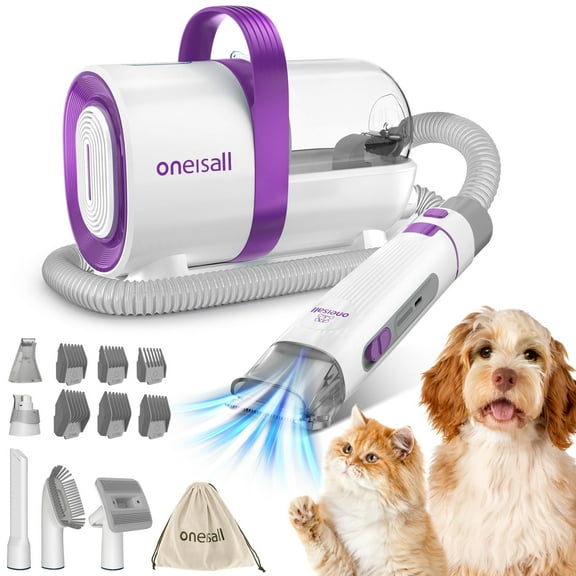
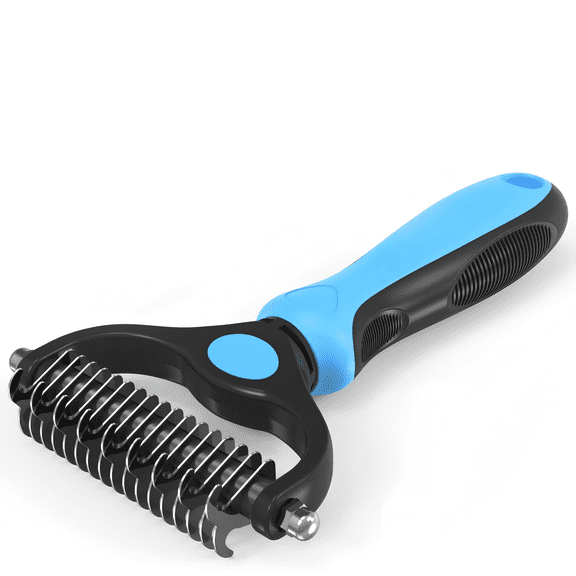
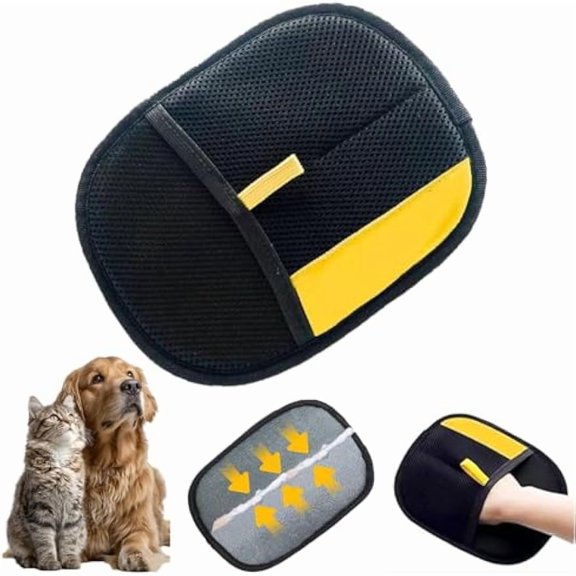
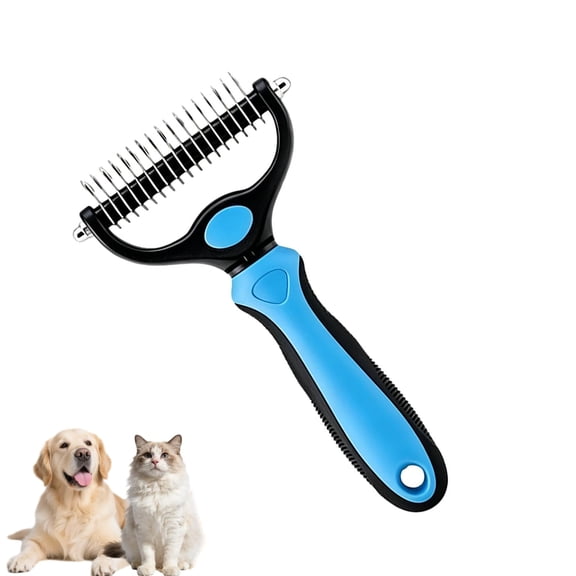
- You can choose a cat deshedding tool when your home collects loose undercoat and floating fur.
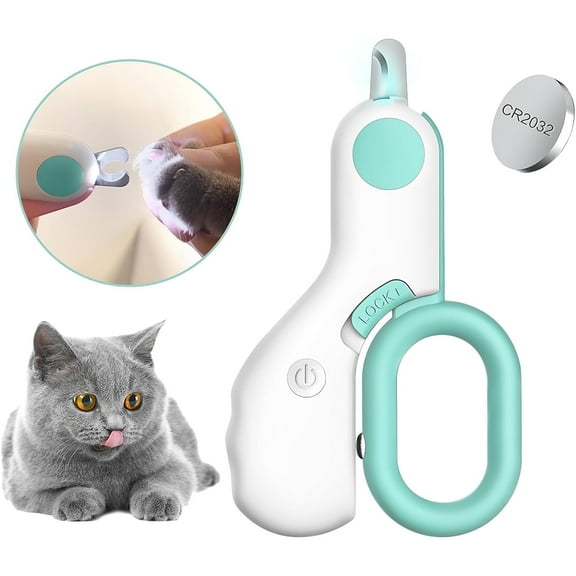
- You can use cat nail clippers when you want a controlled trim with a comfortable grip.
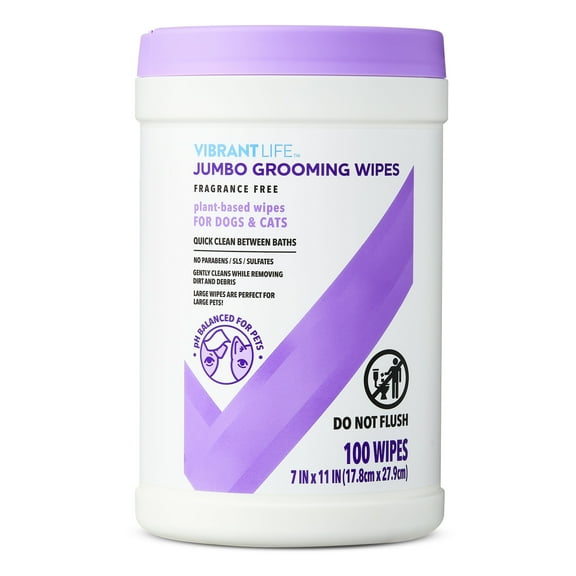
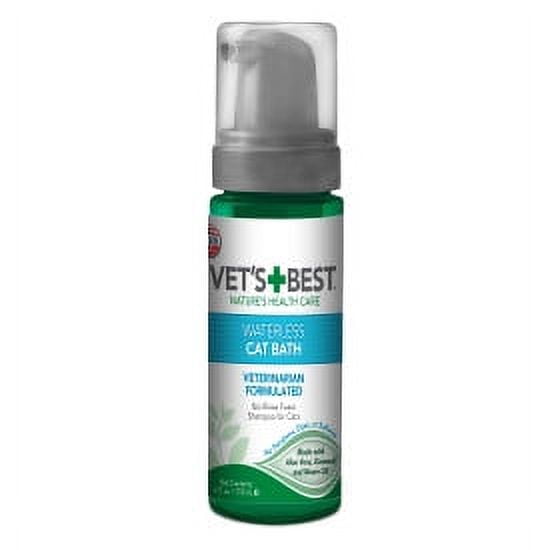
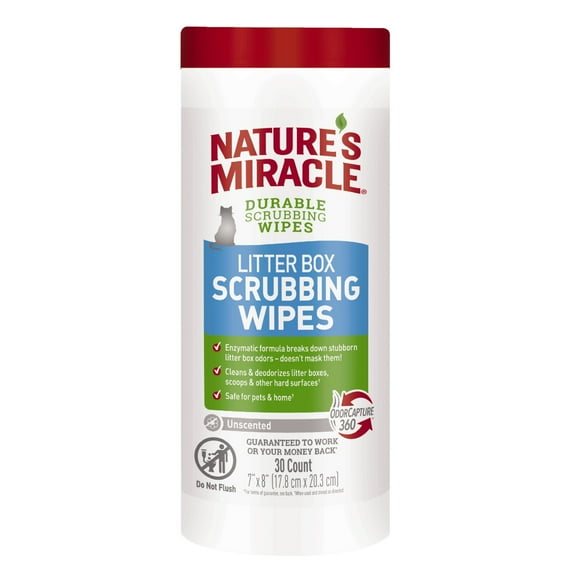
- You can keep wipes or cat shampoo on hand when you need quick coat and paw cleanup.
Choosing cat brushes by coat type
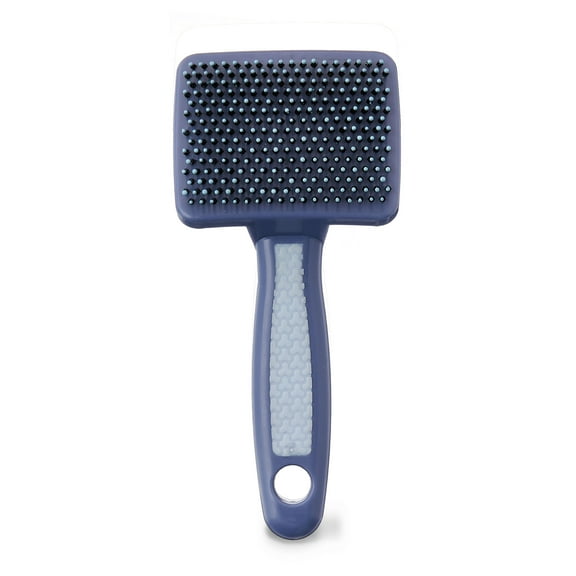
You should match cat brushes to coat length, because long hair and short hair need different contact and spacing. You may want wider-spaced combs for tangles, while shorter coats often respond well to softer brushing.
If your cat has a double coat, you’ll want a tool that reaches loose undercoat without dragging. You can look for a cat deshedding tool that lifts shed fur cleanly during seasonal coat changes.
You should also consider sensitive skin before picking a firm brush or comb. You may prefer gentler bristles, smoother teeth, or flexible contact points that keep grooming sessions calmer.
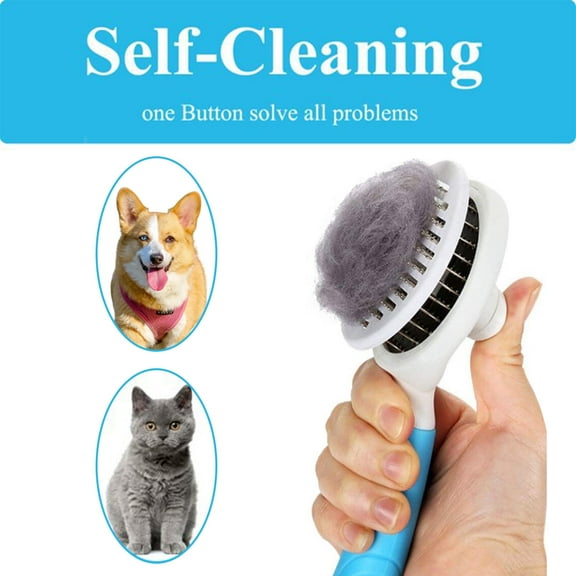
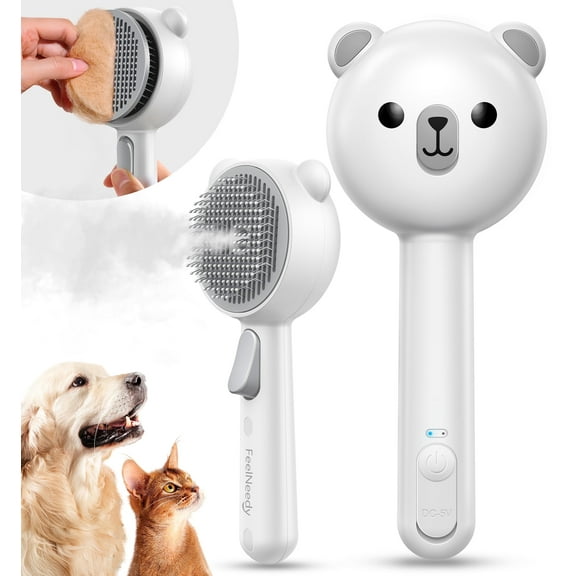
Some tools include self-cleaning features, and you may find those helpful after heavy brushing. You can clear trapped fur quickly, which keeps the routine simpler between full grooming sessions.
What to look for in cat nail clippers
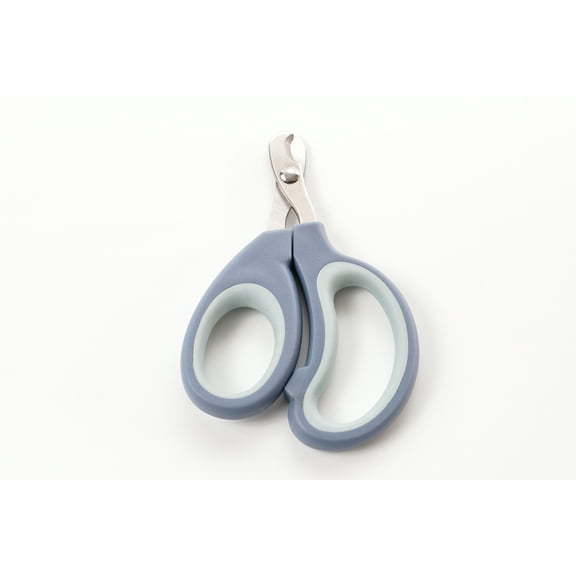
You can make nail care feel more controlled when you focus on grip, blade shape, and hand comfort. You should look for ergonomic grip handles that feel steady while you trim with slow, careful pressure.
If you’re comparing cat nail clippers, you may notice quick-guard and rounded tip designs. You can use a quick-guard safety stop as a visual guide, and you can choose rounded tips for gentler handling.
You should check whether the clipper size matches your hand and your cat’s paw size. You’ll usually feel more precise with a tool that stays balanced instead of twisting during each trim.
For anxious cats, you may prefer short sessions with a quiet, easy-to-position clipper. You can pair familiar handling with a steady grip, which helps the routine feel less abrupt.
Comparing bathing and cleaning options
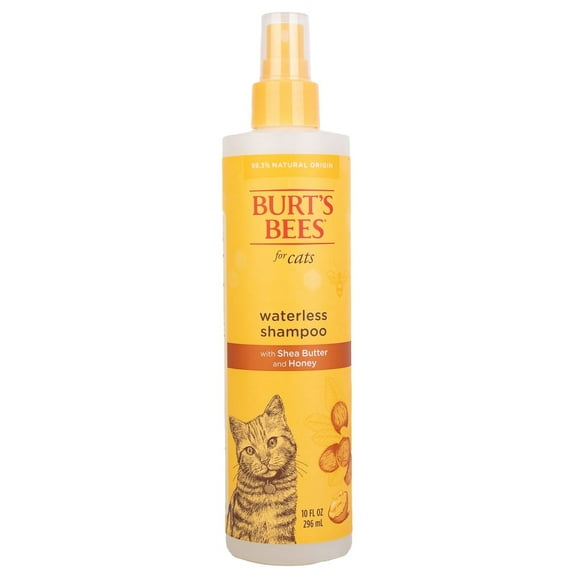
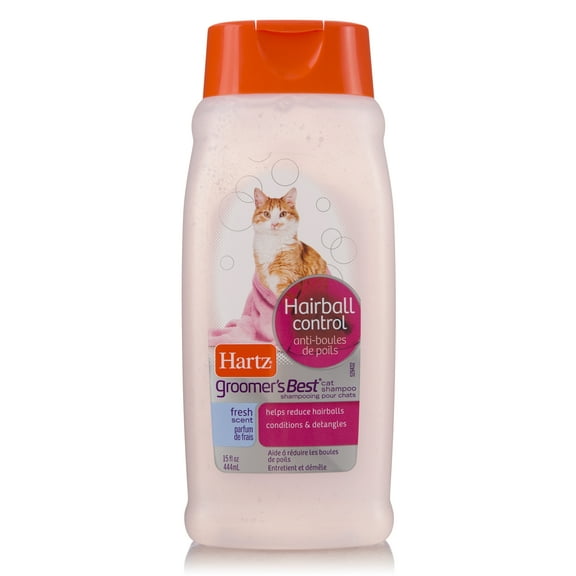
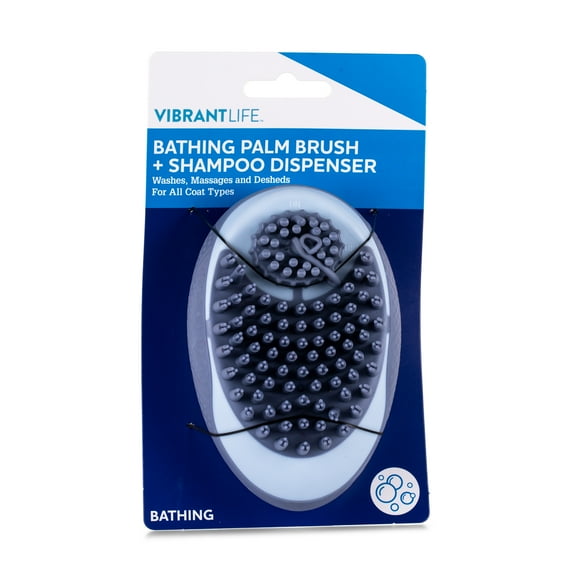
You can choose wipes, shampoos, or coat-cleaning basics based on how much cleanup you need. You may use wipes for paws and spot messes, while cat shampoo works for fuller washing routines.
If your cat dislikes water, you may lean toward wipes between larger grooming sessions. You can still freshen fur, clean paws, and tidy small messes without setting up a full bath.
You should also compare formulas and formats with your cat’s skin sensitivity in mind. You may want options that rinse easily, apply simply, and fit the pace of your regular routine.
Bathing tools work well when you treat them as part of a broader cat grooming plan. You can combine brushing, deshedding, and light cleaning to keep coat care more manageable over time.
Matching cat grooming to real routines
You may need different tools during shedding season than you use during weekly touchups. You can reach for cat brushes on regular days, then switch to a cat deshedding tool when loose fur increases.
If you live with a long-haired cat, you’ll likely focus on detangling before mats tighten. You can use a comb for tricky areas, then follow with brushing to smooth the coat.
For short-haired cats, you may want a lighter routine that feels quick and familiar. You can use softer brushing, occasional wipes, and scheduled nail care to keep upkeep simple.
You should build around your cat’s mood as much as the coat type. You can choose calmer tools, shorter sessions, and easy-clean designs when your cat is cautious with handling.
You can get great results from cat grooming when your tools match coat type, cleaning needs, and handling comfort. You can create a steadier routine with brushes, cat nail clippers, wipes, shampoos, and deshedding options that fit your home.