


Garden Center Savings




















About
Your garden center destination helps you plan seasonal projects with less guesswork and more confidence. You can compare soil formulas, gardening tools, planters, and live plants in one place. You’ll also find choices that fit patios, raised beds, containers, and in-ground spaces. Your setup can stay organized when you match each item to your space and growing goals.
How to choose garden center essentials
When you shop a garden center, you’ll want to start with product type and use case. You can narrow tools, soil, fertilizer, planters, and live plants by the project you’re building. If your focus is vegetable gardening, you may need raised bed soil and hand tools first. If your focus is flower beds, you may compare mulch, edging tools, and outdoor planters.
For indoor gardening, you can look for compact containers, watering cans, and mixes made for container roots. For outdoor landscaping, you may need longer tools, larger bags, and materials suited to open weather. Your project gets easier when you compare what each category actually does in your routine. Your shopping list stays clearer when you group items by planting, feeding, watering, and display.
- You can match tools to digging, pruning, raking, and planting tasks.
- You can choose potting soil formulas based on drainage, moisture, and plant type.
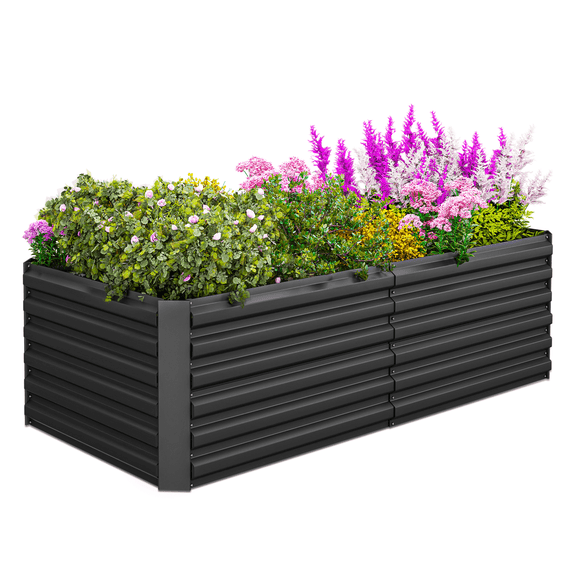
- You can compare planter materials by weight, appearance, and outdoor placement.
- You can select live plants by sunlight needs, watering habits, and growing space.
Choosing gardening tools for your soil and tasks
Your gardening tools should match the ground you’re working and the tasks you repeat often. You’ll notice heavy clay soil often calls for stronger digging tools and sturdy handles. If you’re loosening packed ground, you may look for metal heads and a shape that bites into dense dirt. If you’re maintaining beds, you may prefer smaller hand tools for tighter control.
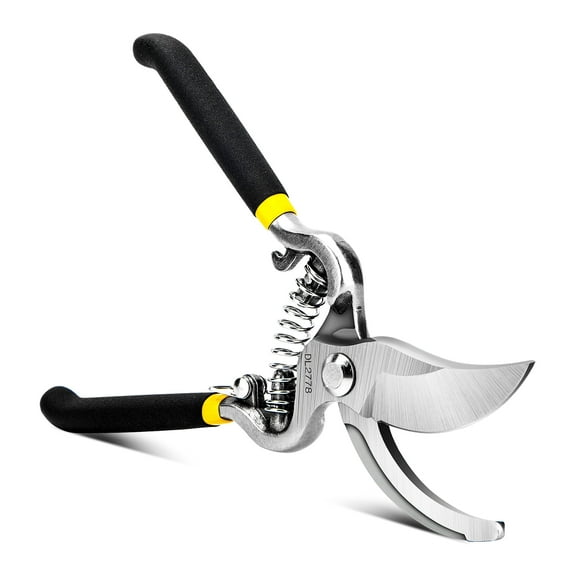
Your gloves, watering cans, and pruners also support daily upkeep around beds and containers. You can compare grip style, tool length, and head shape based on your reach and storage space. For larger yards, you may need longer handles that reduce bending during repeated work. For balconies or small patios, you may prefer compact tools that tuck into a small bin.
Choosing potting soil and soil formulas
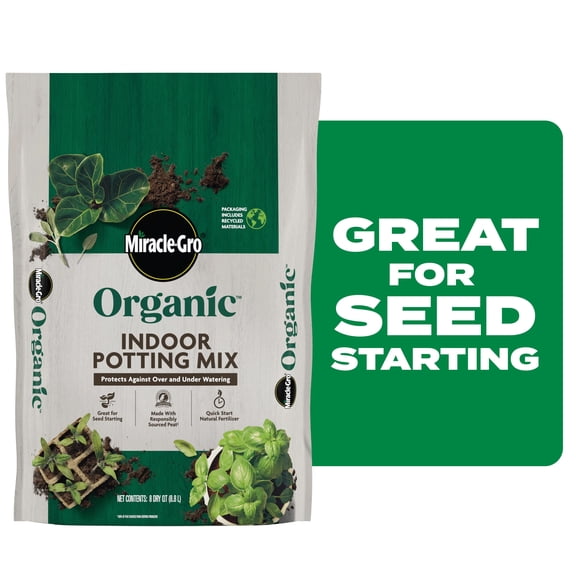
Your potting soil choice affects how roots sit, how water moves, and how often you need to water. You can compare organic potting mix, raised bed soil, succulent mix, and topsoil by plant type. If you’re filling containers, you’ll usually want a lighter mix that helps roots spread evenly. If you’re building raised beds, you may want a blend designed for larger planting areas.
You may also compare pH levels and drainage additives when your plants need more specific conditions. You’ll often see materials like perlite or bark included to improve airflow and drainage. For succulents, you may look for a fast-draining mix that doesn’t stay wet for long. For vegetables, you may prefer a blend that supports steady moisture across the bed.
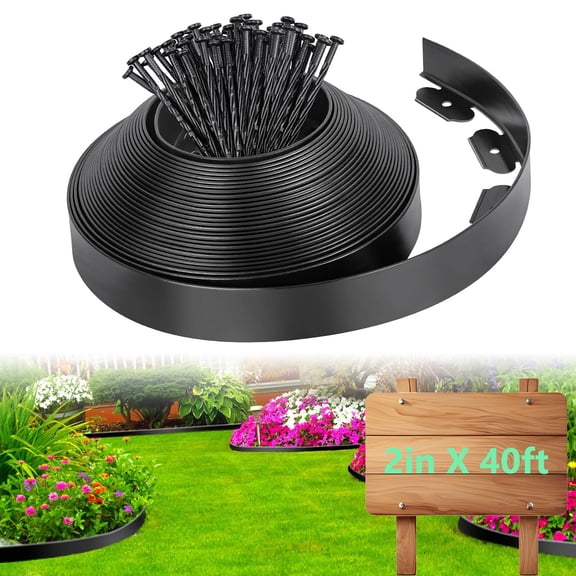
Your mulch and fertilizer choices can work alongside soil to support a cleaner, more planned garden layout. You can use mulch around beds to help your soil surface look finished and consistent. When you compare bag sizes, you should measure your beds and containers before you choose. Your project moves faster when you know how much coverage each bag can handle.
Choosing outdoor planters by size and material
Your outdoor planters should fit root growth, available space, and the look you want across your yard. You can compare plastic, ceramic, terracotta, metal, and wood by weight and placement. If you move containers often, you may want lighter materials that are easier to reposition. If you want an earthy look, you may prefer terracotta or wood for patios and entryways.
Your planter size matters because roots need room to spread below the surface. You should check plant width and expected growth before choosing a small decorative container. For herbs and annual flowers, you may use compact pots in sunny corners or rail spaces. For larger shrubs or mixed arrangements, you’ll want deeper containers with more root room.
You can also compare drainage holes, saucer options, and planter shape before setting up your space. Taller planters may help you add height near doors, while wide bowls can anchor tables. Your material choice can shape both upkeep and placement around decks, porches, and walkways. Your containers look more cohesive when you repeat colors, shapes, or textures across zones.
Choosing live plants for indoor and outdoor spaces
Your live plants should match your sunlight, watering routine, and available room to grow. You can compare bright-sun choices, shade-tolerant options, and compact varieties for smaller spaces. If your patio gets long afternoon light, you may choose plants that suit stronger sun exposure. If your porch stays covered, you may need varieties suited to filtered or lower light.
Your watering habits matter just as much as light when you choose live plants. You should check whether a plant prefers evenly moist soil or a drier schedule between waterings. For indoor gardening, you may choose smaller plants that fit shelves, windows, and tabletops. For outdoor beds, you may plan combinations that fill borders, containers, and flower beds with structure.
With the right garden center selection, you can build a setup that fits your season, space, and routine. Your choices feel simpler when you compare tools, potting soil, planters, and live plants with clear purpose. You’ll finish with a garden that looks organized and works smoothly from planting day through regular care.