

Theraputty in Sports & Outdoors













About Theraputty in Sports & Outdoors - Walmart.com
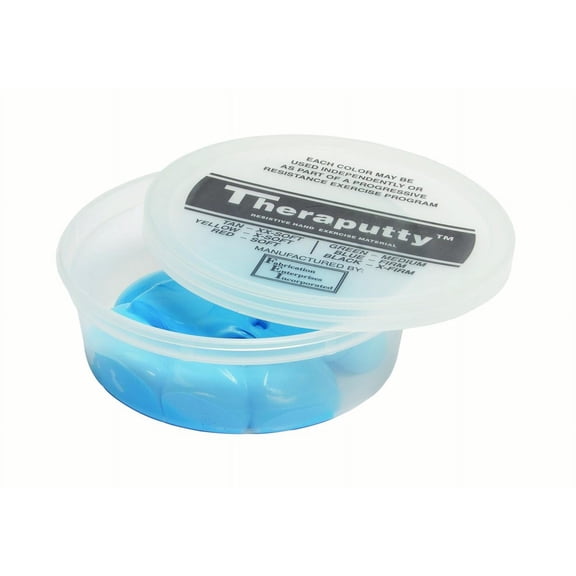
Theraputty helps you compare resistance, size, and use case before you choose hand therapy putty for home practice, clinic sessions, or daily grip exercises. With this guide, you can understand color-coded firmness, common container sizes, and material details that matter during repeated hand work.
How to choose theraputty by resistance level
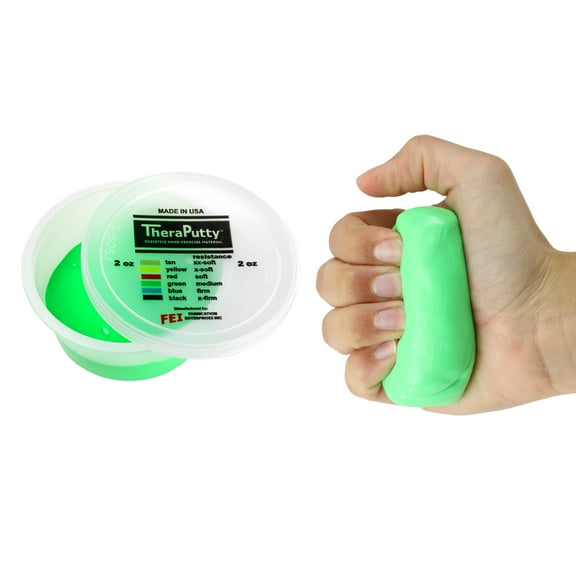
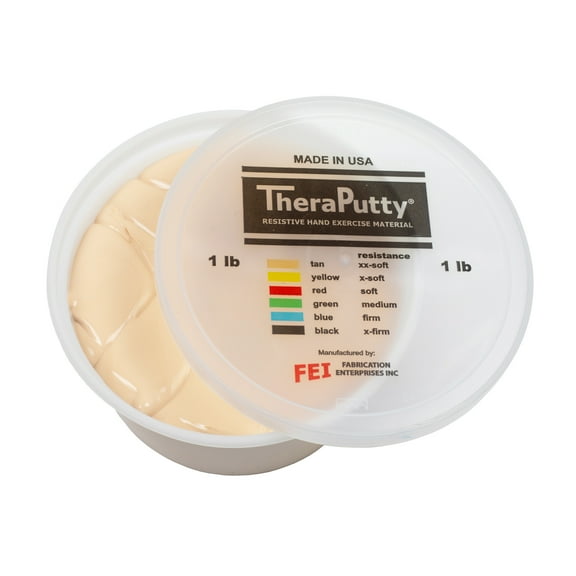
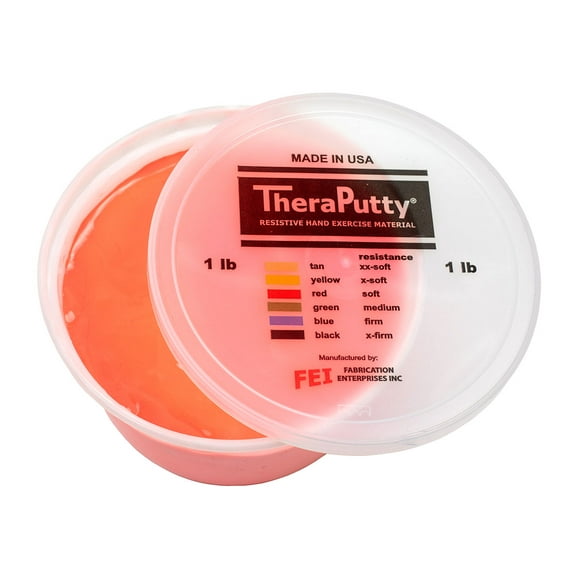
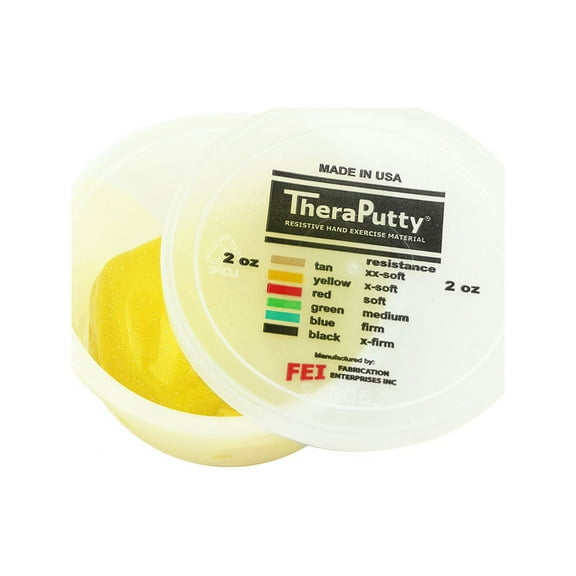
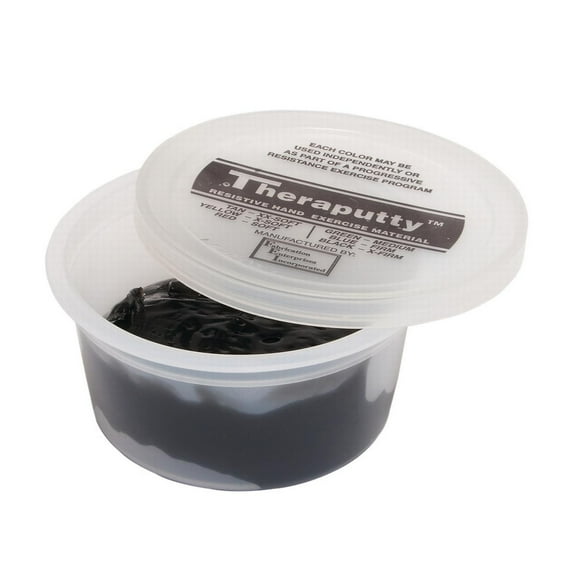
Start with the resistance level that fits your current routine and comfort during squeezing, pinching, rolling, and finger extension work. A color-coded system gives you a quick way to compare firmness before you commit to a container.
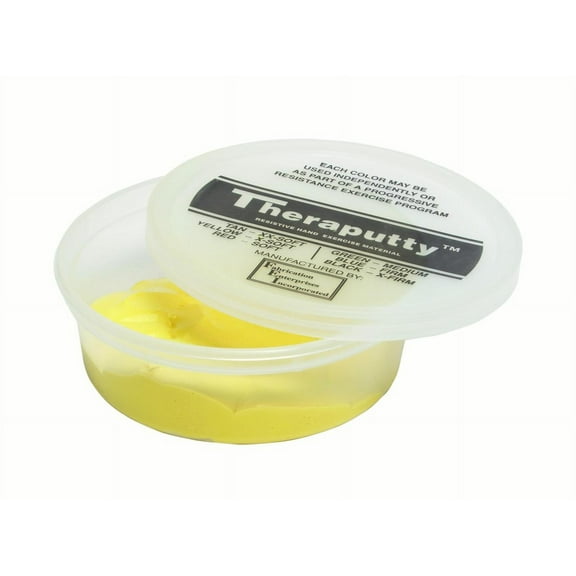
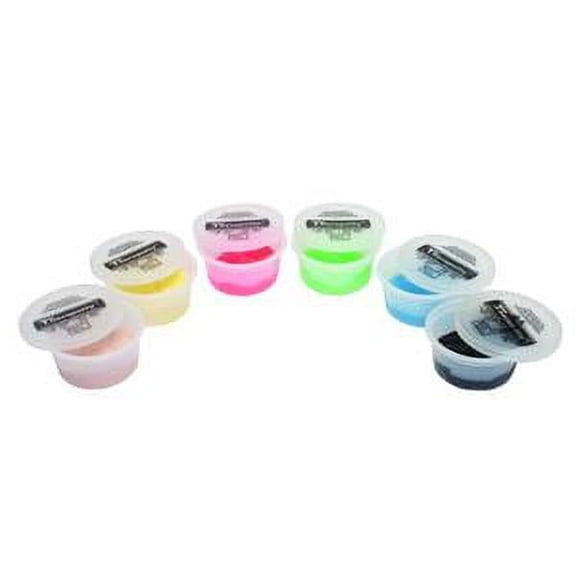
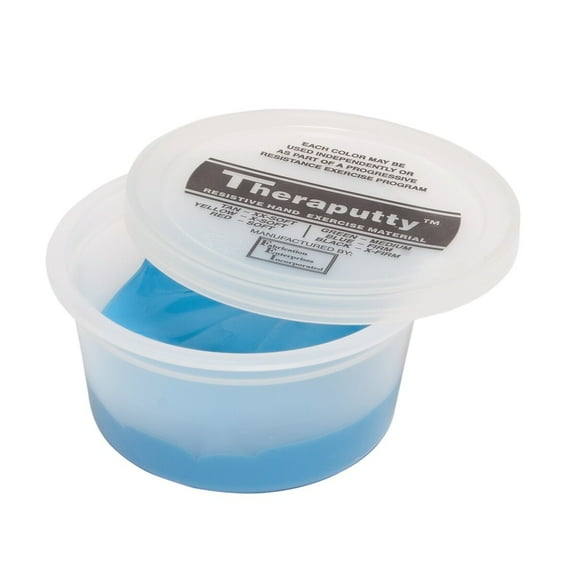
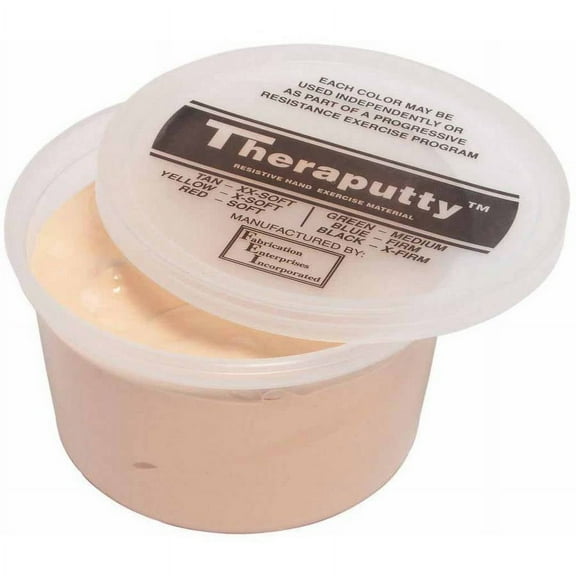
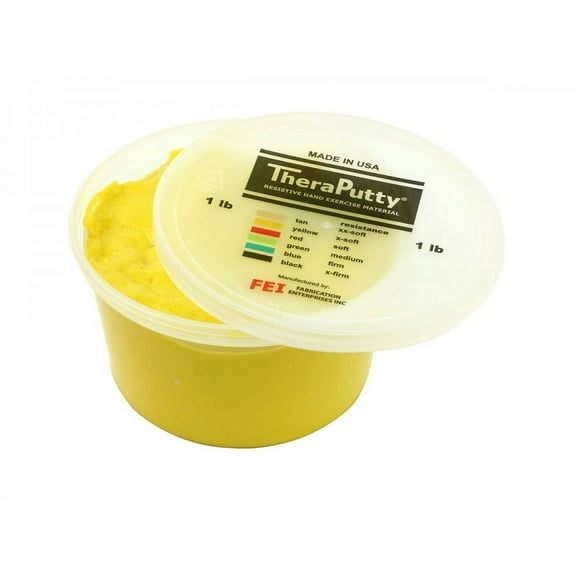
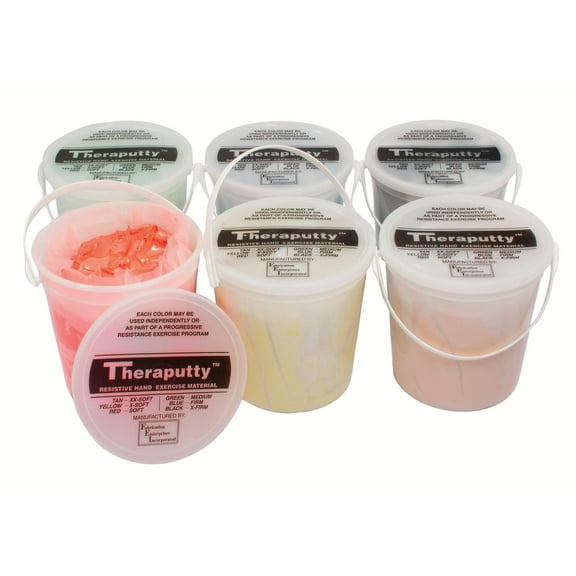
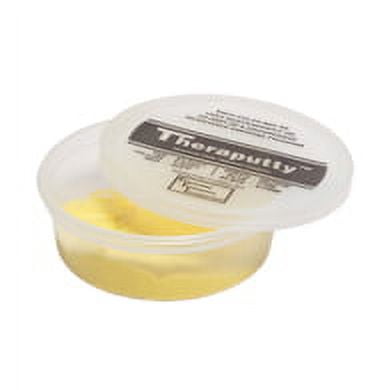
In many assortments, you may see yellow for extra soft and tan for soft resistance. As you compare firmer options, you may also see red or green for medium, then blue or black for stronger resistance.
- You can choose extra soft or soft levels for lighter hand rehabilitation tasks.
- You can move into medium resistance when your exercises call for longer squeezes and steadier finger control.
- You can pick firm or extra firm putty when your routine needs stronger opposition, pinch, and grip practice.
If you search for therapuddy or therapitty, you still need the same color guide before comparing options. Your decision gets easier when you choose clearly labeled containers for clinic use, home use, or occupational therapy exercises.
Choosing between CanDo therapy putty and theraputty options
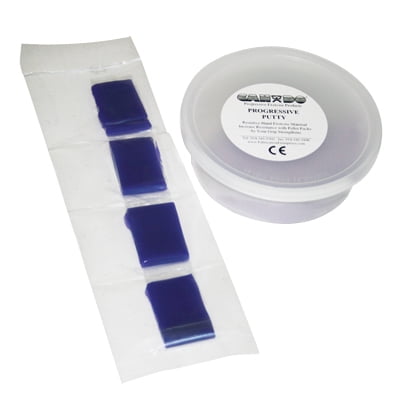
When you compare CanDo therapy putty and theraputty options, focus on resistance color, container size, and intended setting. Those details shape how the putty fits your routine far more than packaging style alone.
For shared spaces, you may want containers that help you identify resistance quickly during repeated sessions. That kind of organization supports several users, multiple exercise plans, and faster setup between activities.
Brand searches often overlap with general therapy putty searches when you already know the material and firmness style you need. Your selection stays simpler when you match the brand you prefer with the exact amount and resistance your exercises require.
Choosing the right size and weight
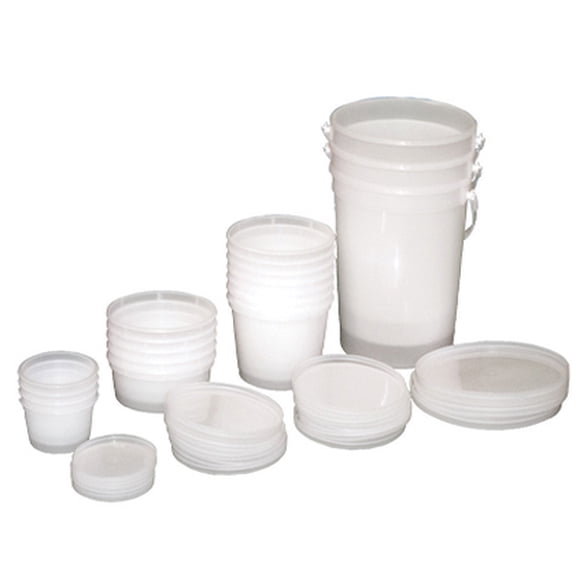
Size matters when you decide how often you'll use the putty, how many people share it, and how much material each session needs. Smaller amounts suit personal routines, while larger tubs fit therapy rooms, classrooms, and busy shared spaces.
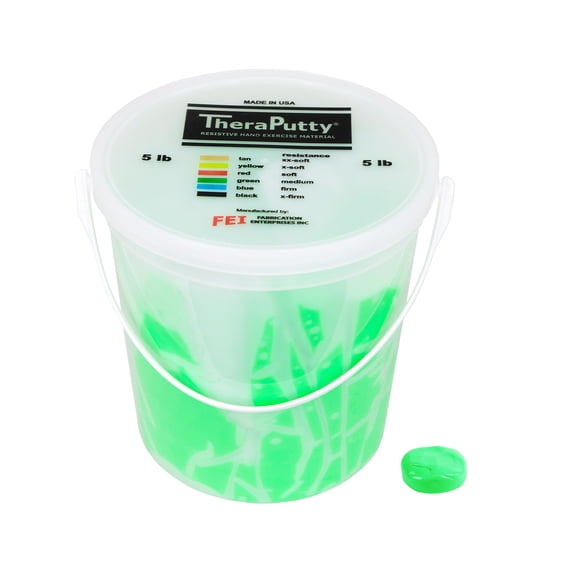
You can often find 2 oz, 3 oz, and 4 oz containers for individual practice and compact storage. If your routine involves frequent sessions or several users, 1 lb and 5 lb sizes give you more material on hand.
For one hand or a portable therapy kit, you may prefer a smaller container that stores easily in a drawer or bag. In clinical spaces, you may lean toward larger weights when your day includes repeated sessions and multiple participants.
What material and cleanliness details to check
Material details matter when your routine involves repeated handling in homes, schools, clinics, or pediatric settings. You should check for non-toxic, gluten-free, and latex-free labeling when those specifications are important to your environment.
You may also want hand therapy putty that feels non-greasy during repeated squeezes, twists, and rolling patterns. Cleaner handling helps you move through fingertip drills and palm work without a messy feel on your hands.
Texture also affects your experience when your routine includes fingertip isolation, rolling strands, or flattening the putty into shapes. You can compare notes on residue and durability when you want putty that stays workable through regular sessions.
Matching theraputty to your use case
Your use case should guide the resistance level, size, and texture you choose for theraputty. Hand rehabilitation often calls for lighter resistance first, while grip strength training may call for firmer options later.
For occupational therapy, you may need putty that supports pinching, finger spreads, and dexterity patterns across repeated sessions. In sensory therapy settings, you may focus more on texture, easy handling, and a manageable resistance range.
At home, a small container can fit desk exercises, quick routines, and easy storage between tasks. In clinics or therapy departments, larger tubs make more sense when several users need access to the same resistance system.
If you're deciding where to buy therapy putty, you may want clear resistance labels and dependable availability for pickup or delivery. That convenience helps you compare the right format without slowing down your routine planning.
What to remember when you compare theraputty
When you compare theraputty, the key decisions are resistance color, container size, intended use, and material details. Once those points line up with your routine, you can find a clearer match for consistent hand exercises.