Dr. Killigan's(1)
Dr. Killigan's The Insect Buster - Bulb Duster, Sprayer, Applicator, Dispenser for Diatomaceous Earth and Other Powders - a Non-Toxic, Natural and Safe Tool - Small (8oz)
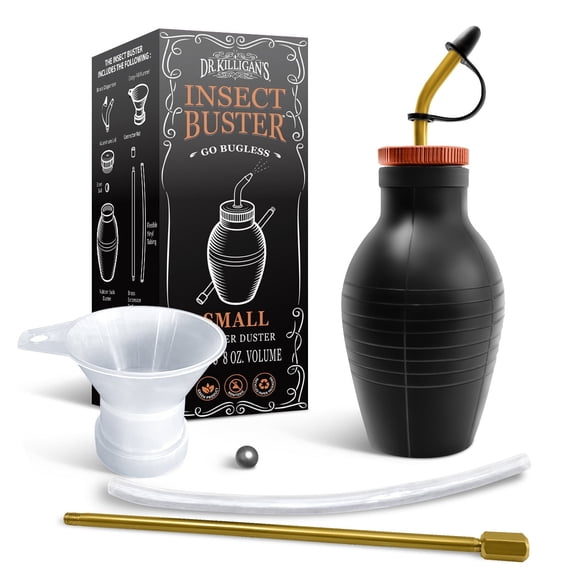
Dr. Killigan's The Insect Buster - Bulb Duster, Sprayer, Applicator, Dispenser for Diatomaceous Earth and Other Powders - a Non-Toxic, Natural and Safe Tool - Small (8oz)
FAQ
Is Dr. Killigan's safe to use around pets?
Dr. Killigan's Premium Pantry Moth Traps are designed for use in kitchens and pantries, and they use pheromones to attract moths. While the traps do not contain traditional insecticides, it's always a good idea to place them out of reach of pets and children. The sticky surface and pheromone attractant are intended for moths, but keeping traps away from curious paws can help prevent accidental contact. If you have concerns about your specific household, consider checking the product packaging for additional safety details or consulting your veterinarian for advice.
How often do I need to change pantry moth traps?
For best results, it's usually recommended to replace pantry moth traps every three months or sooner if they're full of moths or dust. Regularly changing the traps helps maintain their effectiveness, as the pheromone attractant can lose potency over time. If you notice a decrease in moth catches or the trap surface is covered, it's a good sign it's time for a new one. Always follow the instructions provided with your traps for the most accurate guidance.
What can I spray on clothes to keep moths away?
To help protect your clothes from moths, you can use sprays specifically formulated for fabric protection. Look for sprays labeled for use on clothing and always follow the manufacturer's directions. In addition to sprays, keeping clothes clean and storing them in sealed containers can help deter moths. Avoid using harsh chemicals or home remedies that aren't intended for fabrics, as these could damage your clothes. For persistent issues, consider consulting a pest control professional for tailored advice.
Are the moth traps toxic if touched?
Dr. Killigan's moth traps use a sticky surface with pheromones to attract moths, not traditional toxins. While they're not considered toxic, it's still wise to avoid direct contact with the adhesive to prevent skin irritation or mess. If you accidentally touch the sticky part, wash your hands with soap and water. For households with children or pets, placing traps in less accessible spots can help minimize accidental contact and keep everyone safe.
Where should I place pantry moth traps for best results?
For optimal effectiveness, place pantry moth traps in areas where you've seen moth activity, such as kitchen cupboards, pantries, or food storage spaces. Position the traps at eye level or near shelves, away from vents or windows to prevent airflow from dispersing the pheromones too quickly. Avoid placing traps near open food or where pets and children can easily reach them. Checking and replacing traps regularly can help you monitor and manage moth issues more effectively.
Popular in Dr. Killigan's
Related Products
Maxforce Granular Fly Bait - 5 lbs Pail by Bayer
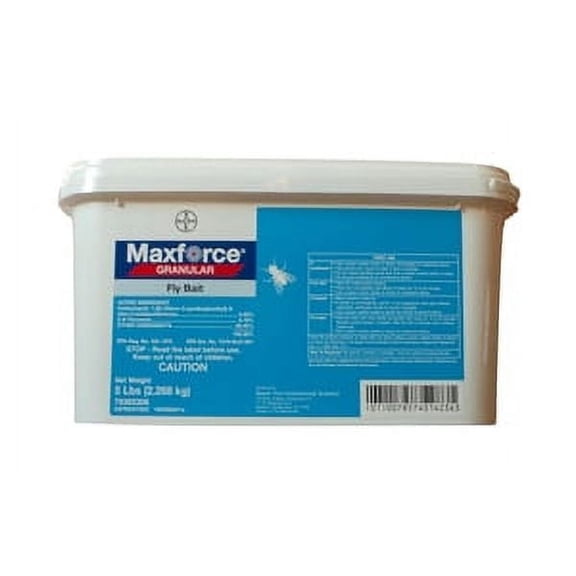 Maxforce Granular Fly Bait - 5 lbs Pail by Bayer$74.15current price $74.15
Catchmaster Crawling Pest & Insect Glue Traps 12PK, Insect Traps Indoor Pest Control
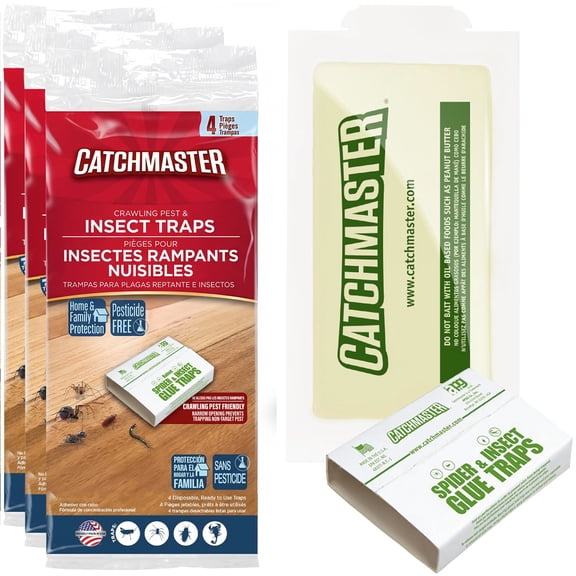 Catchmaster Crawling Pest & Insect Glue Traps 12PK, Insect Traps Indoor Pest Control$13.99current price $13.99
Terro Spider & Insect Trap - Waterproof, Indoor Use - 4 Count, Pack of 2
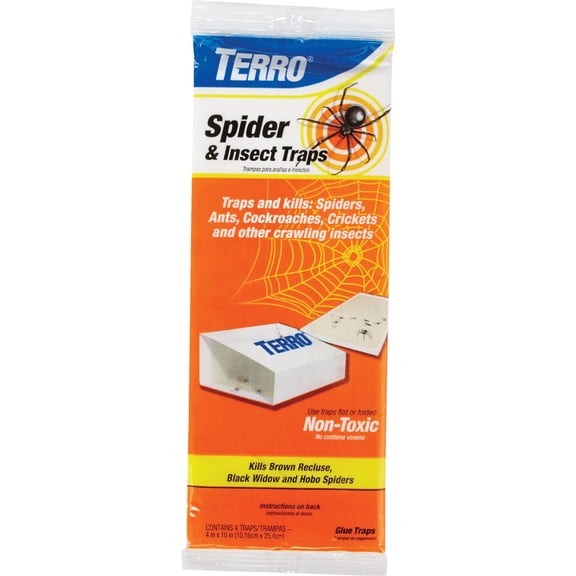 Terro Spider & Insect Trap - Waterproof, Indoor Use - 4 Count, Pack of 2$25.07current price $25.07
RESCUE! Yellowjacket Trap Reusable - Outdoor Pest Control - Single Piece
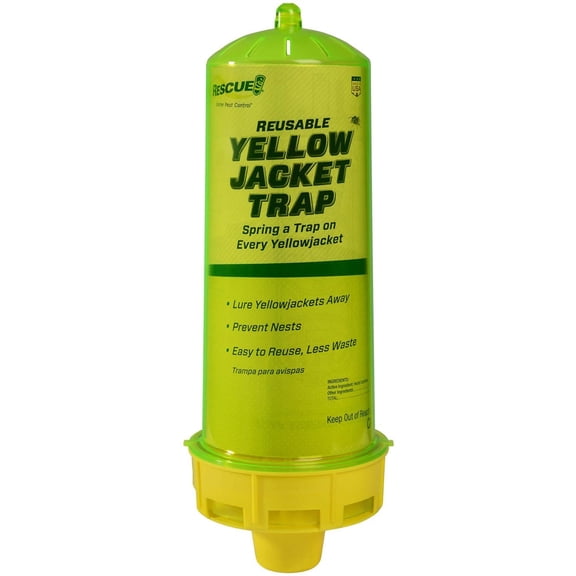 RESCUE! Yellowjacket Trap Reusable - Outdoor Pest Control - Single Piece$19.40current price $19.40
Spectracide BAG-A-BUG Japanese Beetle Trap (16901)
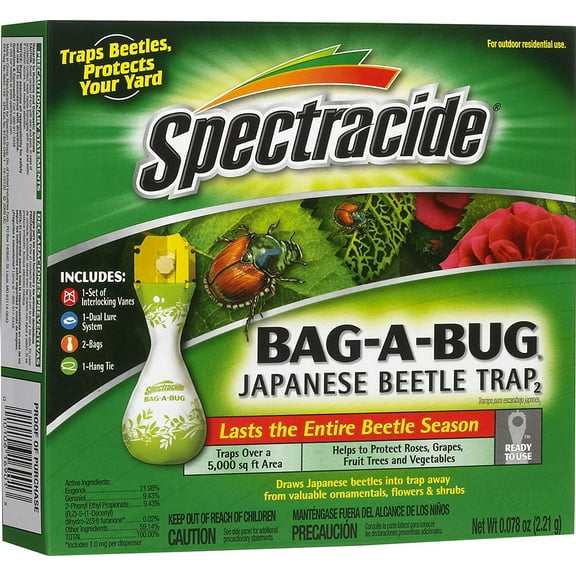 Spectracide BAG-A-BUG Japanese Beetle Trap (16901)$14.31current price $14.31
QuikStrike 5 Lb. Granular Outdoor Fly Bait
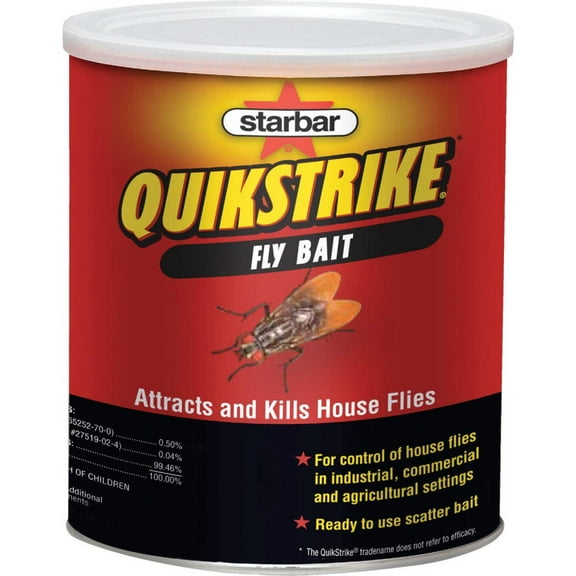 QuikStrike 5 Lb. Granular Outdoor Fly Bait$54.99current price $54.99
Spider Glue Trap – 12 Pack | Natural Indoor Glue Traps for Spiders and Other Bugs and Crawling Insects | Adhesive Spider Bait Trap, Monitor, Killer and Detector with for Pest Control
 Spider Glue Trap – 12 Pack | Natural Indoor Glue Traps for Spiders and Other Bugs and Crawling Insects | Adhesive Spider Bait Trap, Monitor, Killer and Detector with for Pest Control$14.99current price $14.99
Maxforce FC Select Roach Gel Bait (4 tubes, 30g each) with Four Applicator Tips and Four Plungers
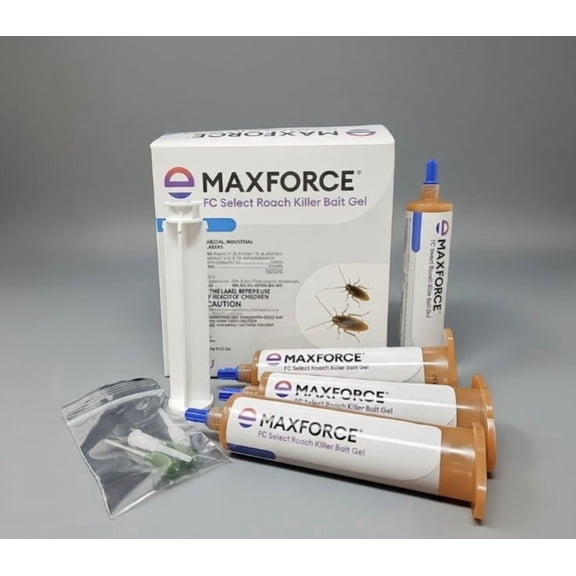 Maxforce FC Select Roach Gel Bait (4 tubes, 30g each) with Four Applicator Tips and Four Plungers$35.78current price $35.78
RESCUE! Japanese & Oriental Beetle Trap One Season, Reusable - 3 Traps — Residential Use, Standard Application
 RESCUE! Japanese & Oriental Beetle Trap One Season, Reusable - 3 Traps — Residential Use, Standard Application$38.09current price $38.09
RESCUE! Japanese Beetle Trap Reusable Bag - 6 Traps — Residential Use, Standard Application
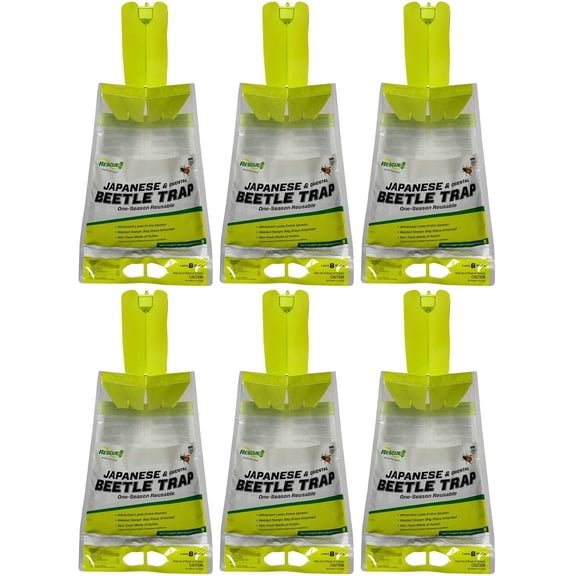 RESCUE! Japanese Beetle Trap Reusable Bag - 6 Traps — Residential Use, Standard Application$69.66current price $69.66
United Bag-A-Bug Japanese Beetle Trap Complete Kit Protects Up To 5000 Squa
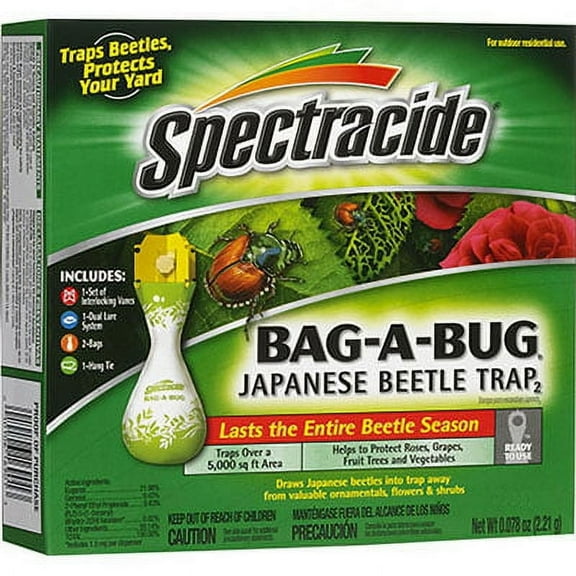 United Bag-A-Bug Japanese Beetle Trap Complete Kit Protects Up To 5000 Squa$13.71current price $13.71
RESCUE Non-Toxic Yellowjacket Trap Attractant Refill, 10 Weeks
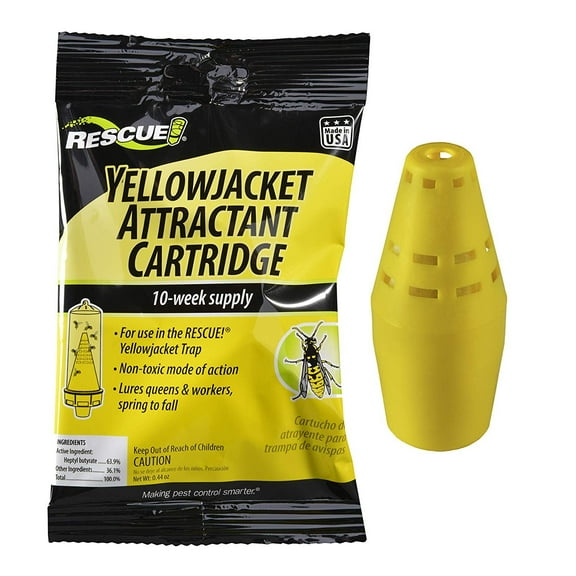 RESCUE Non-Toxic Yellowjacket Trap Attractant Refill, 10 Weeks$15.34current price $15.34
Spectracide BAG-A-BUG Japanese Beetle Trap 12 Pk
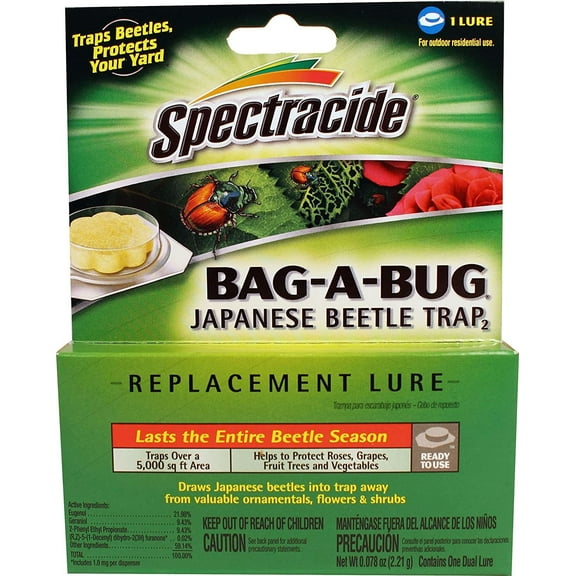 Spectracide BAG-A-BUG Japanese Beetle Trap 12 Pk$94.13current price $94.13
1unit Spectracide HG-16904-5 Bag-A-Bug Kwikstand Beetle Trap Stands
 1unit Spectracide HG-16904-5 Bag-A-Bug Kwikstand Beetle Trap Stands$10.89current price $10.89
Black Flag TAT Roach Motel Traps, 2-count Packages Pack of 6
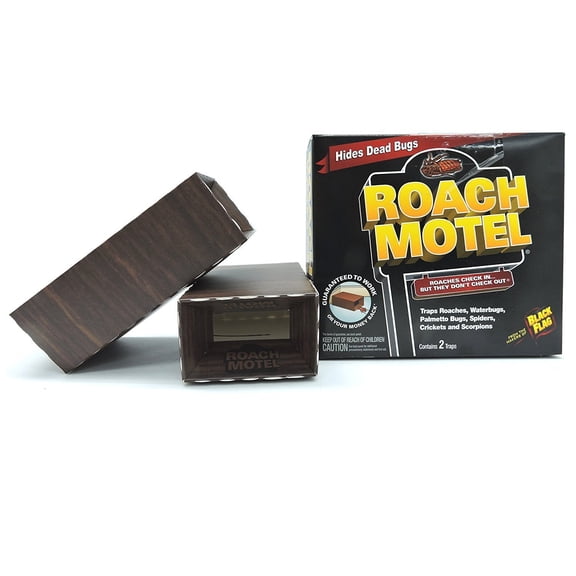 Black Flag TAT Roach Motel Traps, 2-count Packages Pack of 6$29.99current price $29.99