Crystal Blue(11)
BIOLOGICAL MUCK REDUCER (Pack of 1) $37.99
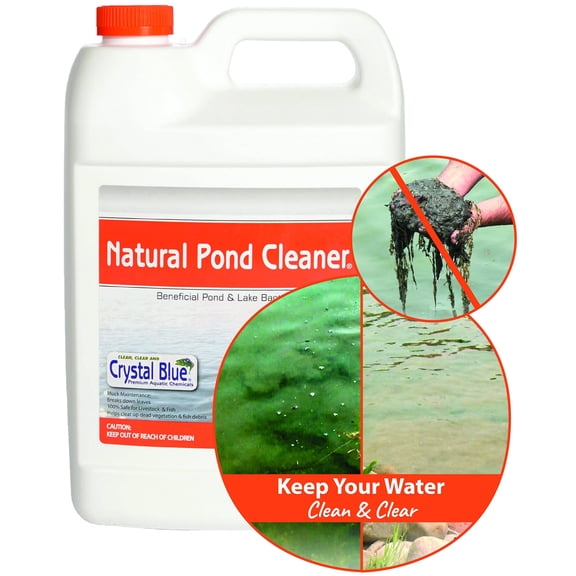
BIOLOGICAL MUCK REDUCER (Pack of 1)
Crystal Blue 5029625 32 oz 30 Percent Vinegar, White $22.99

Crystal Blue 5029625 32 oz 30 Percent Vinegar, White
Pre-Owned The Red Bathing Suit: a memoir, (Paperback) $14.23

Pre-Owned The Red Bathing Suit: a memoir, (Paperback)
Ready to Fly: Stories of Strength and Courage to Inspire Your Journey Forward Paperback $20.56

Ready to Fly: Stories of Strength and Courage to Inspire Your Journey Forward Paperback
Ready to Fly: Stories of Strength and Courage to Inspire Your Journey Forward (Paperback) $20.56

Ready to Fly: Stories of Strength and Courage to Inspire Your Journey Forward (Paperback)
Crystal Blue 1 gal Crystal Plex Algaecide Herbicide $47.80

Crystal Blue 1 gal Crystal Plex Algaecide Herbicide
Crystal Blue Lake and Pond Dye Sapphire Blue 1 Gallon From $39.99
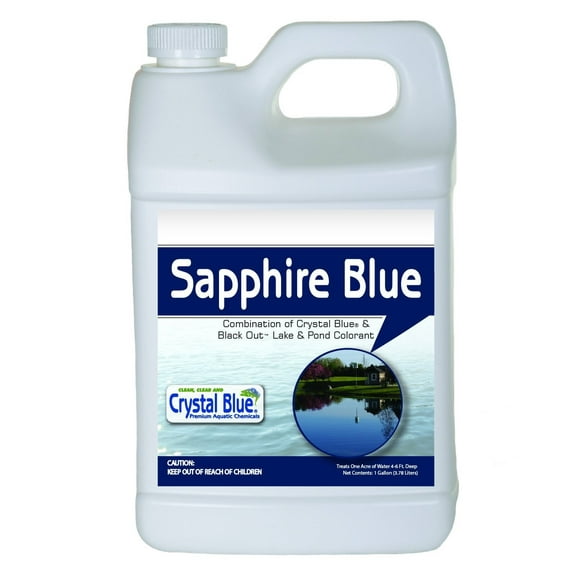


Crystal Blue Lake and Pond Dye Sapphire Blue 1 Gallon
Crystal Blue Ocean Blue Lake and Pond Colorant 1 gal $39.95
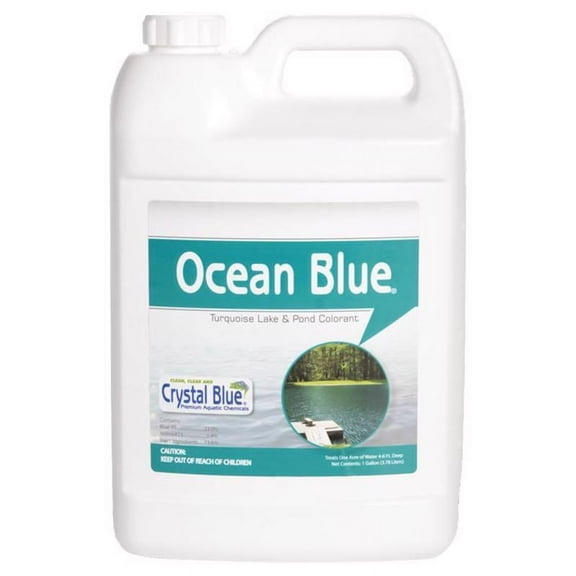
Crystal Blue Ocean Blue Lake and Pond Colorant 1 gal
YF 1502131 6.8 oz Crystal Blue Toss-N-Treat Throw Pack Blue $33.61

YF 1502131 6.8 oz Crystal Blue Toss-N-Treat Throw Pack Blue
DETOUR * [CRYSTAL BLUE] $21.53
DETOUR * [CRYSTAL BLUE]
Tsunami DQ Landscape & Aquatic Herbicide - 1 Qt.
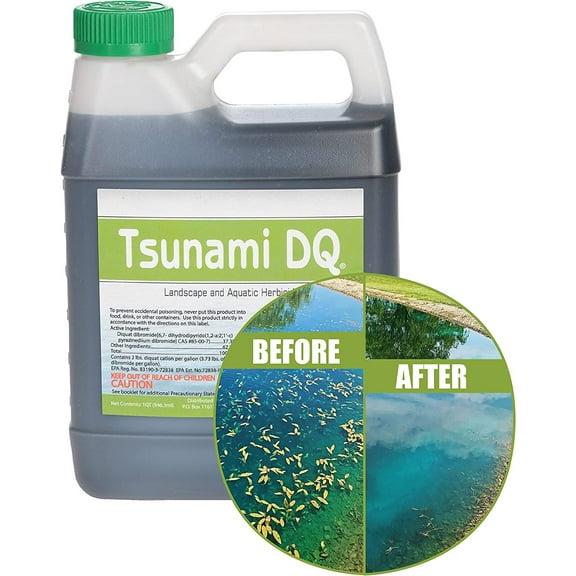
Tsunami DQ Landscape & Aquatic Herbicide - 1 Qt.
FAQ
How do you use lake and pond dye?
Lake and pond dye is often used to enhance the appearance of water features. To use it, simply pour the recommended amount into the water, usually near the center for best distribution. Over time, the color spreads throughout the pond or lake.
- Always read the product label for specific instructions.
- Wear gloves to avoid staining your hands.
- Avoid using more than directed, as this can affect the water's look.
Using dye can be a straightforward way to help your pond or lake look its best. Results often depend on the size and depth of the water.
Can I swim after using pond colorant?
Swimming is usually possible after using pond colorant, but it's important to check the product's packaging for any waiting periods or safety notes. Most dyes are designed for decorative use and are not intended to harm fish, plants, or people.
- Review the manufacturer's guidelines to confirm safe swimming times.
- Avoid entering the water immediately after adding the dye, as this can lead to staining on skin or swimwear.
Following instructions can help ensure a better experience when enjoying your pond or lake.
What does 30% vinegar do for ponds?
30% vinegar is a strong cleaning agent sometimes used in outdoor settings. In the context of ponds, it's primarily intended for cleaning surfaces like rocks or water features, not for treating the water itself.
- Never add undiluted vinegar directly to pond water, as high concentrations can impact plants and aquatic life.
- Always use gloves and follow label directions when cleaning with vinegar.
For pond cleaning, it's best to apply vinegar to hard surfaces and rinse thoroughly with water to avoid residues entering the pond.
How do you remove muck from a pond?
Removing muck from a pond involves a few different methods, depending on the amount and location. You can use a pond rake to manually lift debris from the bottom or consider biological products that help break down organic matter over time.
- Regularly skim leaves and twigs from the surface.
- Consult product labels for instructions on biological muck reducers.
- Always wear gloves and avoid stirring up too much sediment at once.
Keeping up with routine maintenance can make muck management easier.
Are pond dyes safe for fish and plants?
Many pond dyes are designed to be safe for fish and aquatic plants when used as directed, but it's always best to confirm by reading the specific product label.
- Look for information about safety and usage rates on the packaging.
- Do not exceed the recommended amount to help minimize risk.
If you have sensitive species in your pond, consider consulting an expert for advice before treating the water.