Boxue Du(9)
Electrical Insulation Breakdown and Its Theory, Process, and Prevention: Emerging Research and Opportunities, (Hardcover) $179.18

Electrical Insulation Breakdown and Its Theory, Process, and Prevention: Emerging Research and Opportunities, (Hardcover)
Polymer Insulation Applied for Hvdc Transmission, (Paperback) $169.65
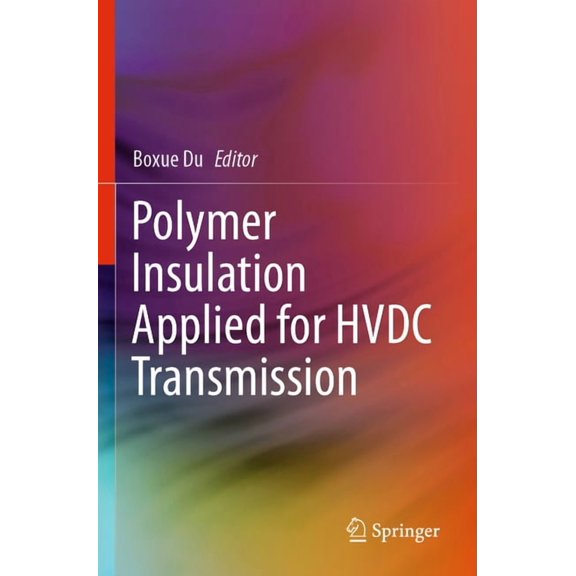
Polymer Insulation Applied for Hvdc Transmission, (Paperback)
Polymer Insulation Applied for Hvdc Transmission, (Hardcover) $159.89
Polymer Insulation Applied for Hvdc Transmission, (Hardcover)
Accelerating the Discovery of New Dielectric Properties in Polymer Insulation, (Hardcover) $210.00 Was $225.25

Accelerating the Discovery of New Dielectric Properties in Polymer Insulation, (Hardcover)
Electrical Insulation Breakdown and Its Theory, Process, and Prevention: Emerging Research and Opportunities, (Paperback) $198.64

Electrical Insulation Breakdown and Its Theory, Process, and Prevention: Emerging Research and Opportunities, (Paperback)
Epoxy-Based Spacers for Gas Insulated Power Apparatus, (Paperback)

Epoxy-Based Spacers for Gas Insulated Power Apparatus, (Paperback)
Epoxy-Based Spacers for Gas Insulated Power Apparatus, (Hardcover)

Epoxy-Based Spacers for Gas Insulated Power Apparatus, (Hardcover)
Polypropylene Cable Insulation, (Hardcover) $120.44
Polypropylene Cable Insulation, (Hardcover)
Polymer Dielectrics: Properties and Applications of (Hardcover) $113.54
Polymer Dielectrics: Properties and Applications of (Hardcover)
FAQ
What are epoxy-based spacers used for?
Epoxy-based spacers are commonly used in gas insulated power apparatus to provide support and maintain separation between conductive parts. This helps improve electrical insulation and the overall safety of high-voltage equipment. These spacers can be especially beneficial in environments where reliable electrical insulation is needed to prevent breakdowns or malfunctions. For customers interested in high-voltage electrical systems or looking to understand insulation methods, books on this topic offer a deeper dive into technologies and design considerations around epoxy-based components.
How does polymer insulation help HVDC transmission?
Polymer insulation is often applied in high-voltage direct current (HVDC) transmission systems to manage electrical stresses and prevent breakdowns. It’s valued for being lightweight and flexible, which can make cable installation easier compared to traditional materials. Polymer insulation also offers a good balance of durability and performance under various operating conditions. If you want to explore advancements and practical applications, specialized books provide detailed insights into the science and engineering behind these modern materials.
Why focus on preventing electrical insulation breakdown?
Preventing electrical insulation breakdown is crucial for the efficiency and safety of power systems. An insulation breakdown can lead to equipment failure, unplanned outages, and safety hazards. By understanding the processes and theory behind insulation failure, professionals can develop better materials and design methods, leading to more resilient electrical infrastructure. Books covering this subject help readers grasp emerging research and practical approaches to prolong insulation lifespan.
What is polypropylene cable insulation for?
Polypropylene cable insulation is popular in electrical engineering due to its resistance to moisture, good dielectric properties, and reliability in harsh environments. It’s used to separate conductors and prevent unintended current flow. This material is often chosen for its combination of performance, durability, and processing advantages. For those curious about how polypropylene compares with other insulation types, related literature available at Walmart explains its applications in various industries.
How are new dielectric properties discovered in polymers?
Discovering new dielectric properties in polymers involves both experimental research and theoretical studies. Scientists use specialized tests to measure how different polymer formulations respond to electrical fields. Insights gained can help improve insulation materials for power systems, electronics, and more. Books focused on this area often cover recent breakthroughs and emerging trends, making them a great resource for students and professionals who want to stay updated on cutting-edge developments.