











Scrubs | Nursing Scrubs | Unisex Scrubs





































About Scrubs | Nursing Scrubs | Unisex Scrubs - Walmart.com
Scrubs help you stay ready for long shifts with practical comfort, easy movement, and work-ready details. You can compare fits, fabrics, colors, and pocket layouts to match your role and dress code.
How to choose scrubs by fit and coverage
Fit is one of the first choices you should compare when you shop for medical scrubs. You can narrow options by unisex, women's, men's, petite, tall, or plus size cuts.
If you need cleaner length proportions, you should check inseam details for petite and tall sizes. You can often get a smoother fit through the leg and a cleaner break at the ankle.
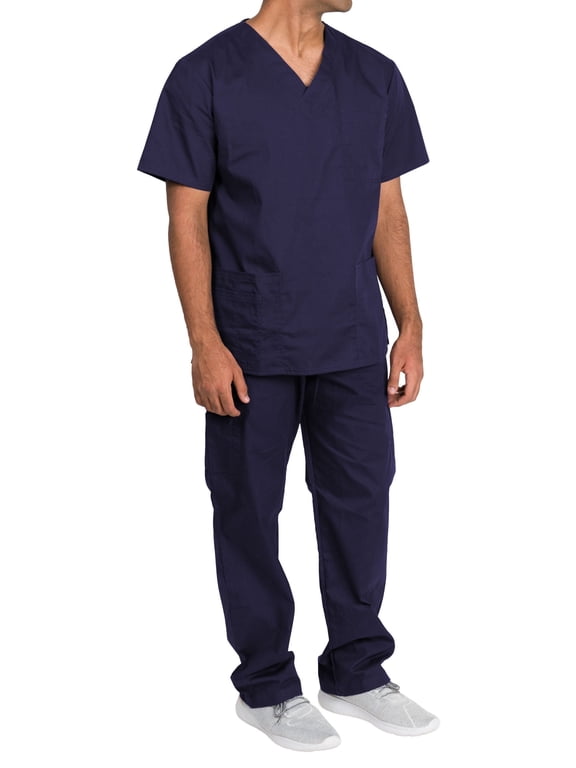
Womens scrubs often shape through the waist and hip, while mens scrubs usually allow more room through the seat and thigh. You should compare size charts because brands can fit differently.
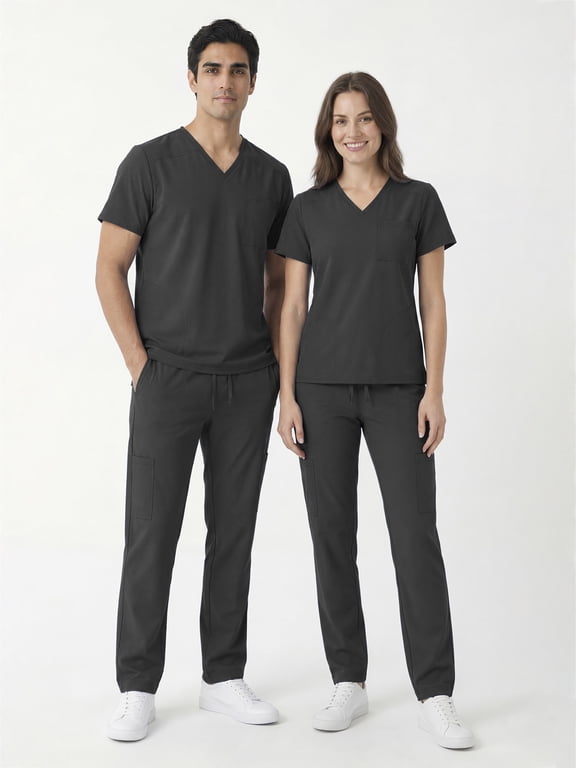
- You can choose unisex styles when you want a straightforward fit for shared teams.
- You should look for petite or tall sizing when standard lengths feel short or drag.
- You can pick plus size options when you want room through the shoulders, waist, and hips.
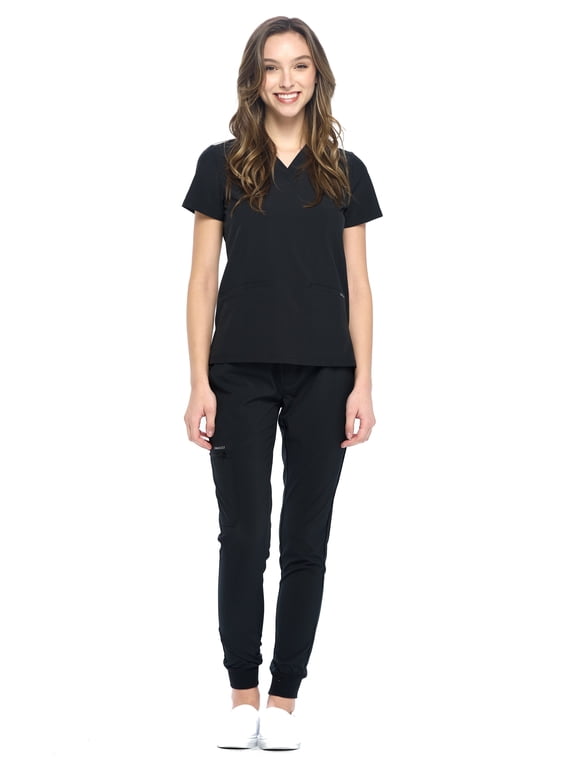
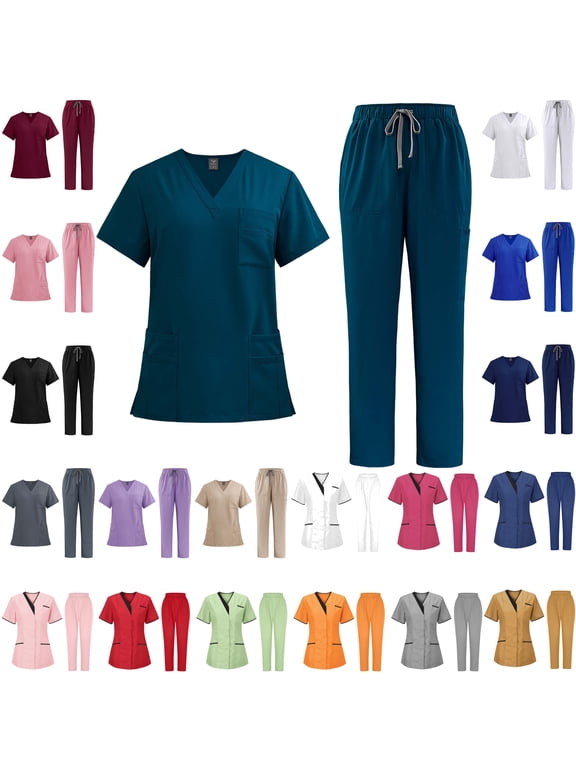
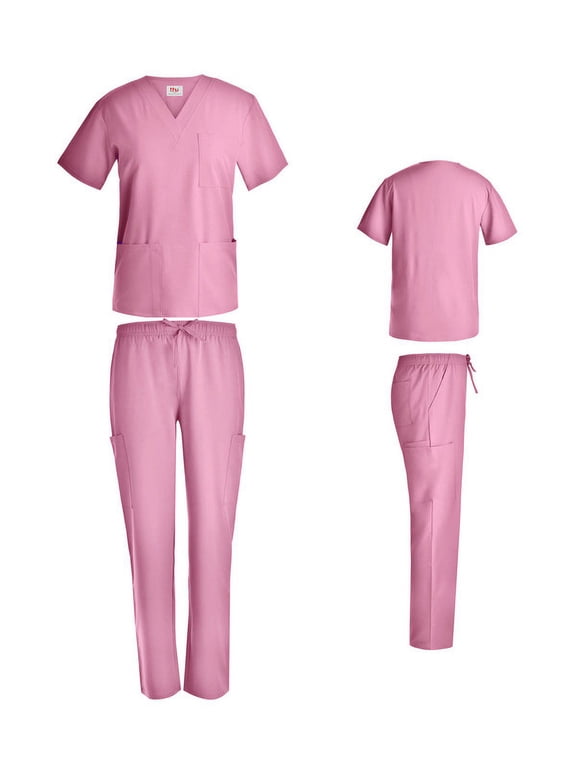
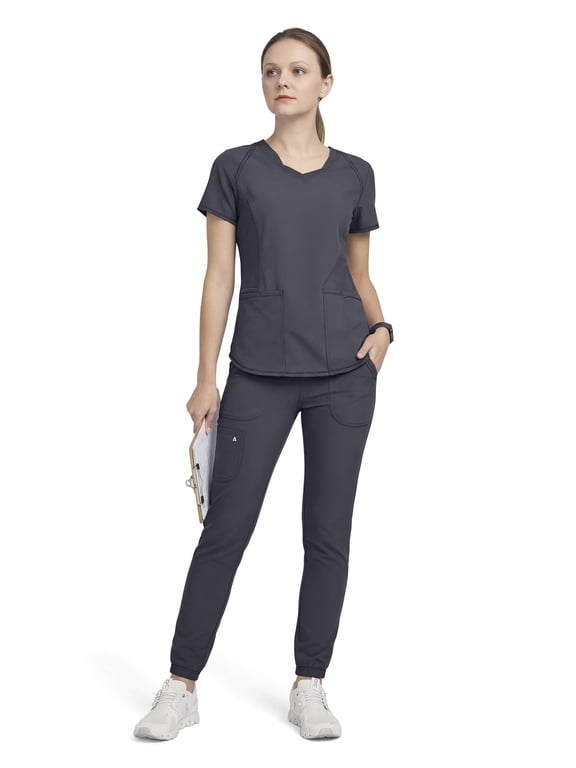
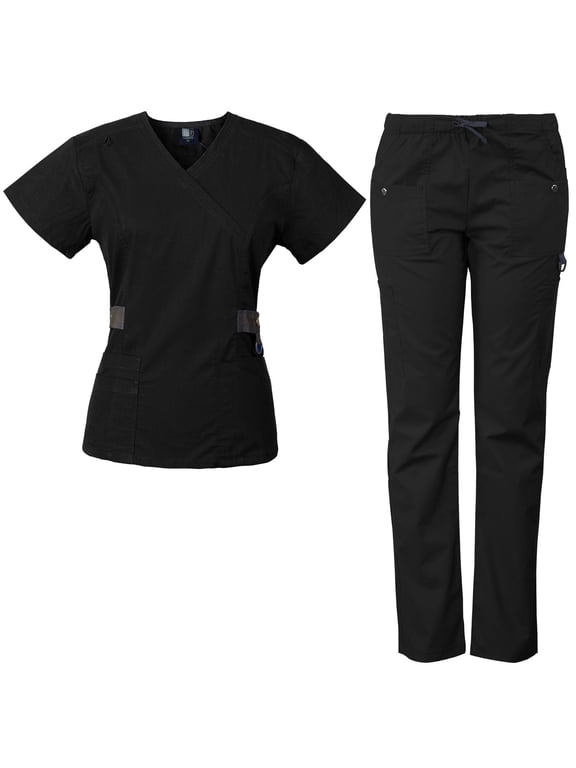
- You should compare scrub sets when you want an easier way to match tops and bottoms.
Choosing medical scrubs by fabric technology
Fabric feel matters when you move, bend, and reach throughout your shift. You should compare stretch, breathability, and easy-care construction before you choose.
If you want easier movement, you should look for four-way stretch fabrics. You’ll notice they flex in multiple directions during charting, lifting, and fast hallway walks.
If you run warm, you should compare moisture-wicking and breathable fabrics. You’ll often feel drier and less restricted during busy hours and layered uniforms.
Some medical scrubs include antimicrobial fabric treatments as a material feature. You should read the label closely so you understand the fabric finish and care directions.
What to look for in scrub sets, tops, and pants
Component choice affects how easily you build a uniform that works across repeated shifts. You can choose scrub sets, scrub tops, scrub pants, or under-scrub tees based on your routine.
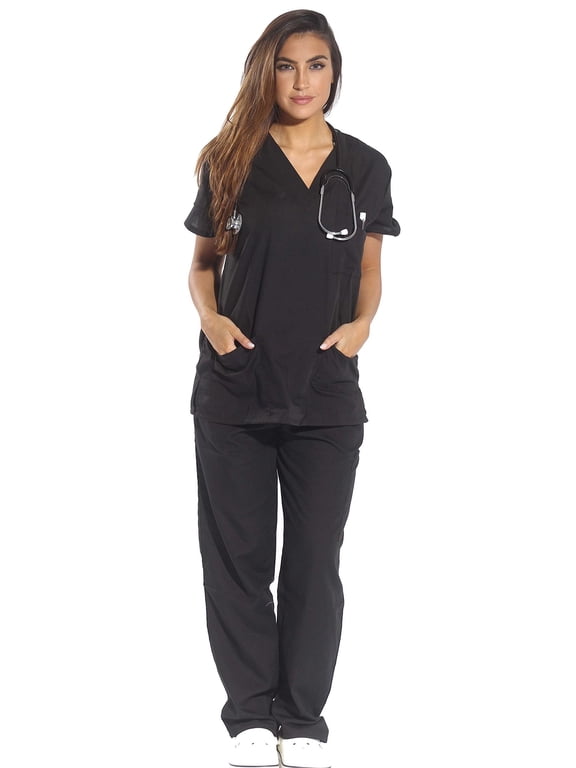
Scrub sets help you coordinate color and fabric quickly, especially when you want a consistent look. You can simplify morning prep and keep your workwear rotation more organized.
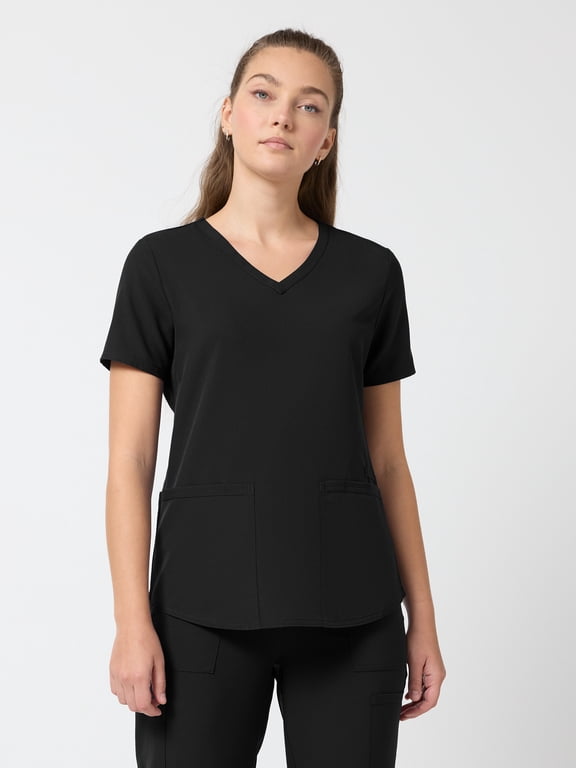
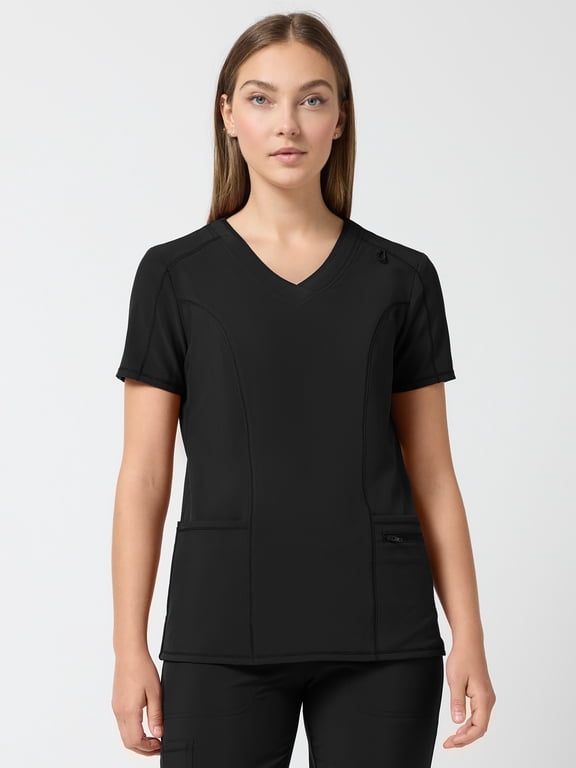
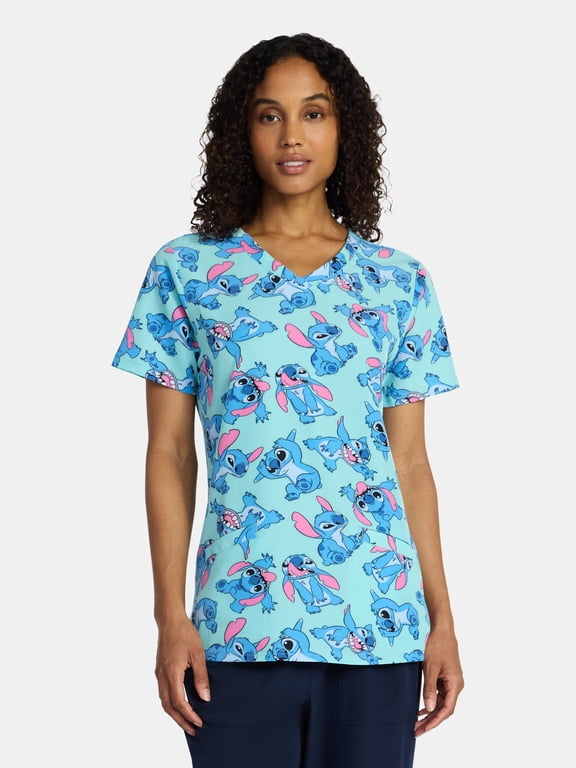
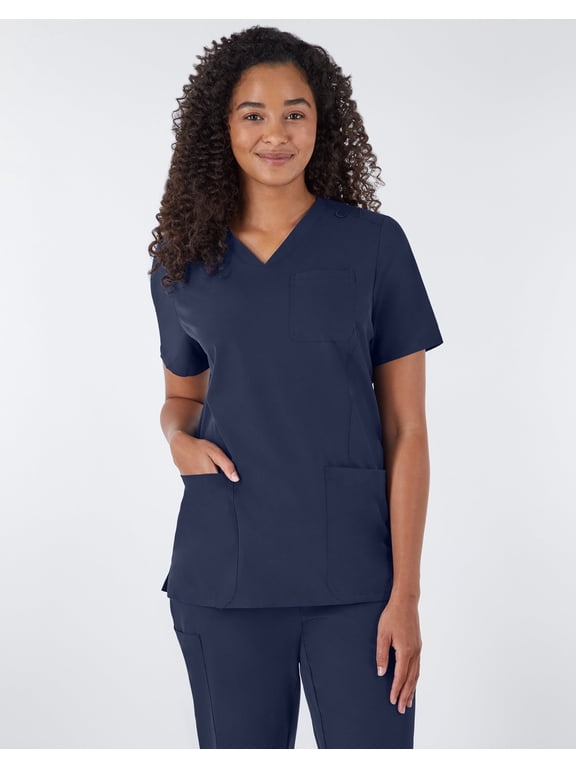
Scrub tops often vary by neckline and storage details, including V-neck styling, chest pockets, or badge loops. You should compare sleeve shape and hem length for layering comfort.
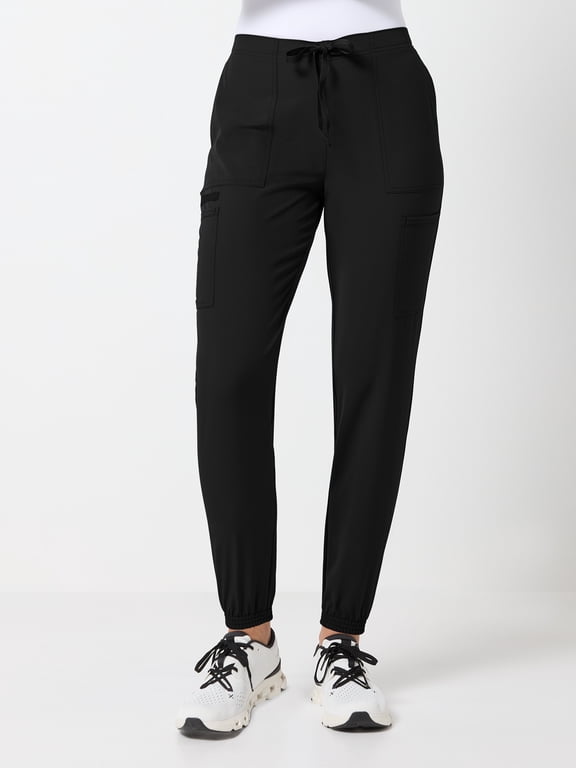
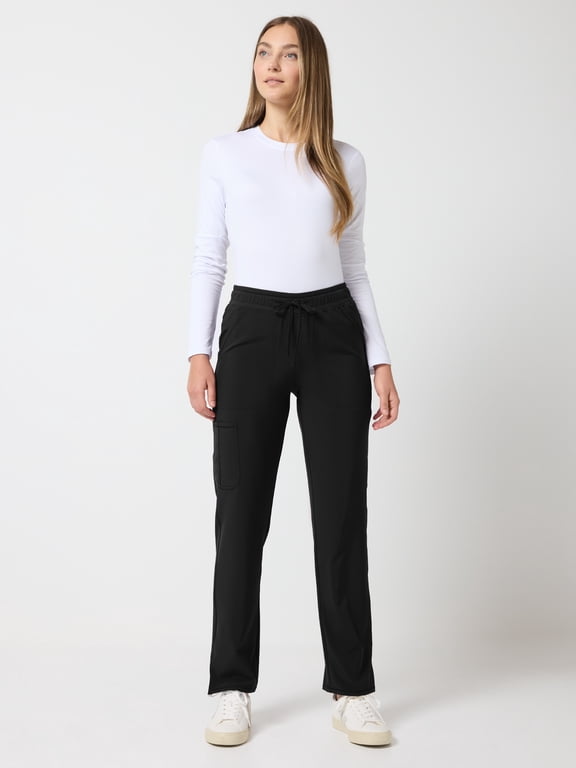
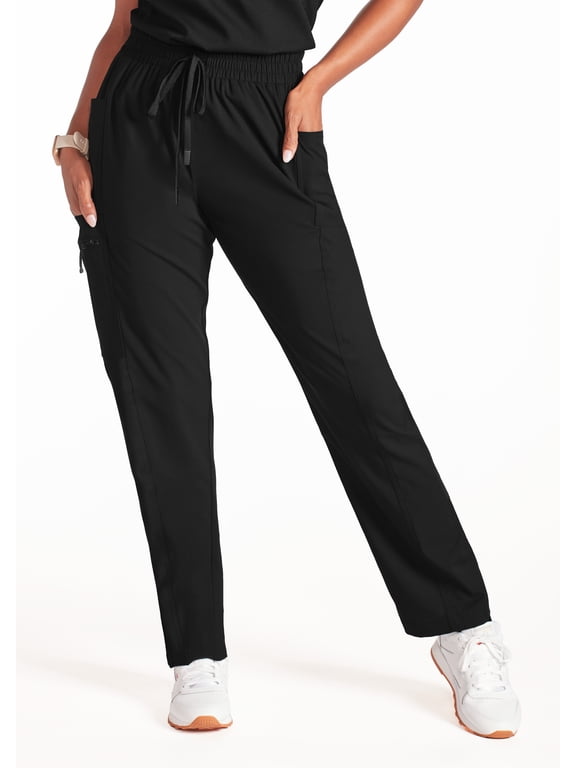
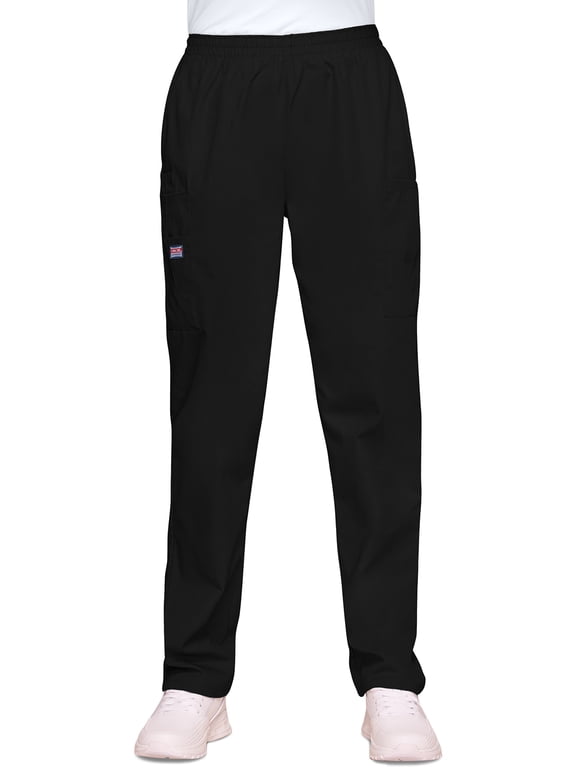
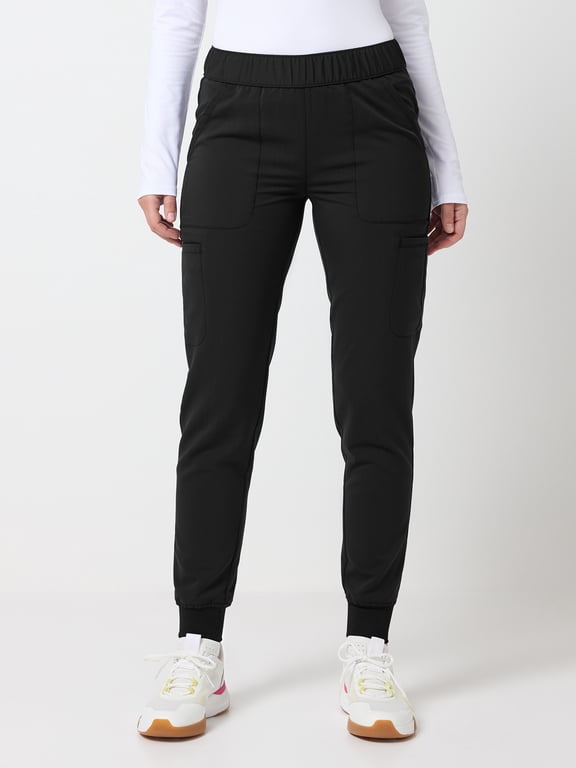
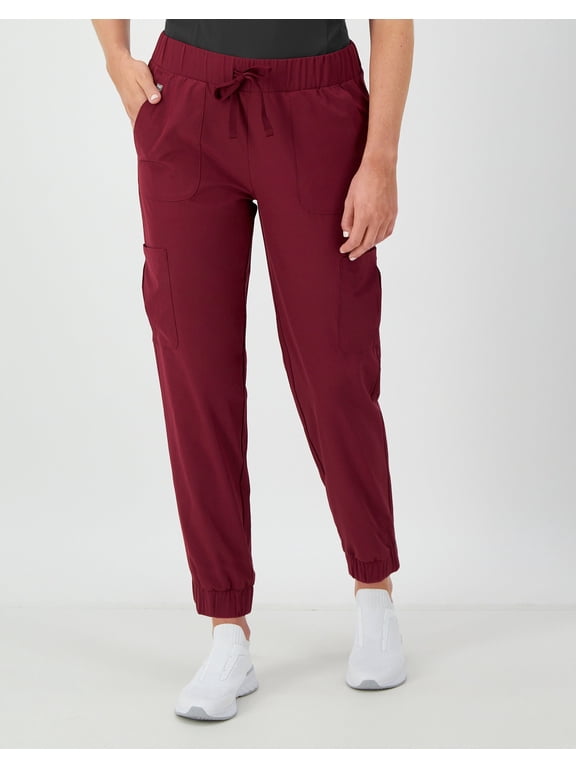
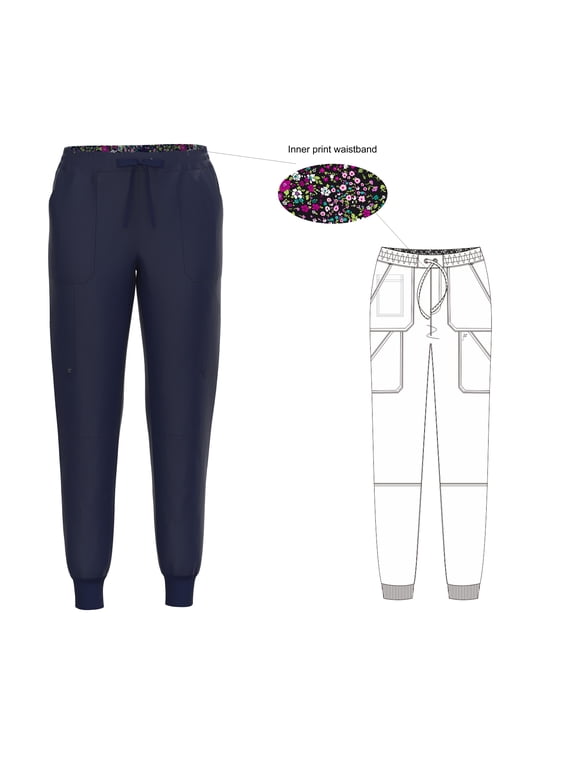
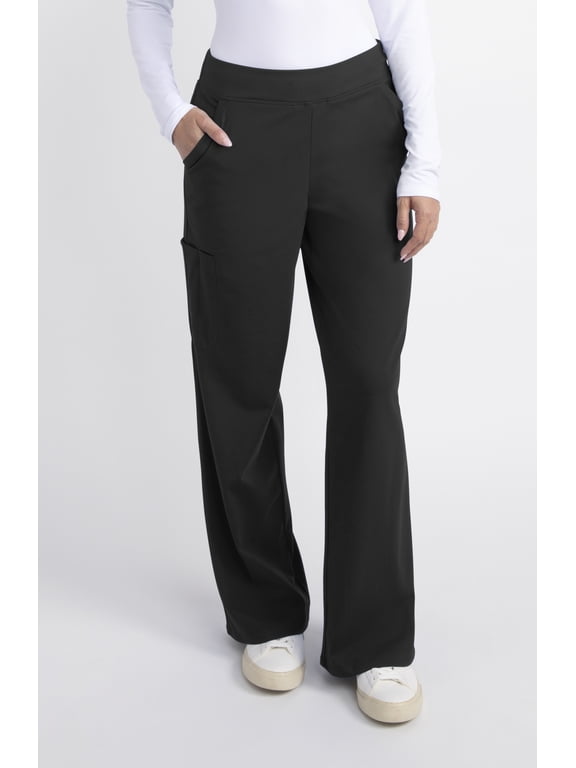
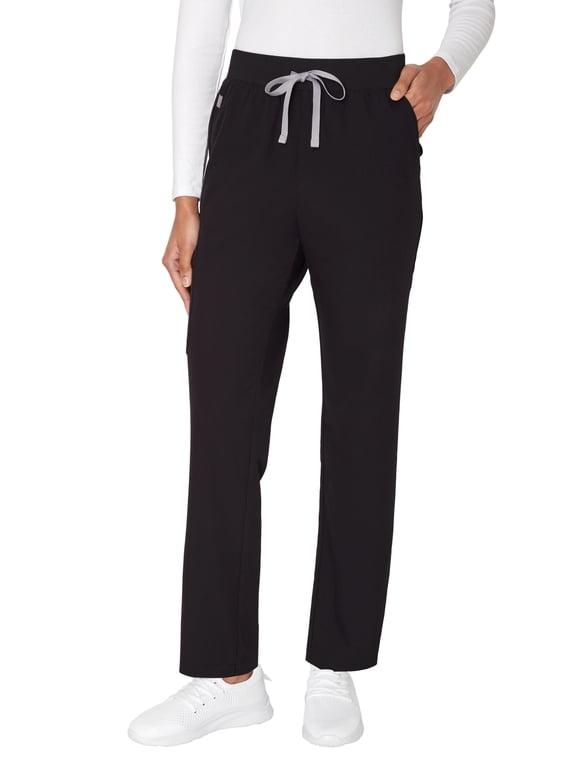
Scrub pants can change your comfort throughout a long day, so you should check rise, leg shape, and waistband style. You may prefer jogger hems, straight legs, or drawstring waists.
Under-scrub tees can add light coverage under V-neck uniforms without adding bulk. You should check sleeve length and fabric weight when you layer under warmer scrub fabrics.
Comparing utility features for your workflow
Utility details can shape how easily you carry the tools you use every day. You should compare cargo pockets, pen slots, badge loops, and waistband details before choosing.
If you carry small instruments, you may want scrub pants with cargo pockets for extra storage. You can keep everyday items closer without overloading one pocket.
Pen slots can help you separate writing tools from larger items during rounds. You should also check whether badge loops sit where your ID stays visible.
Drawstring waists can help you fine-tune fit through long shifts and frequent movement. You should compare waistband styles if you sit, bend, and stand throughout the day.
Choosing nursing scrubs by color and shift needs
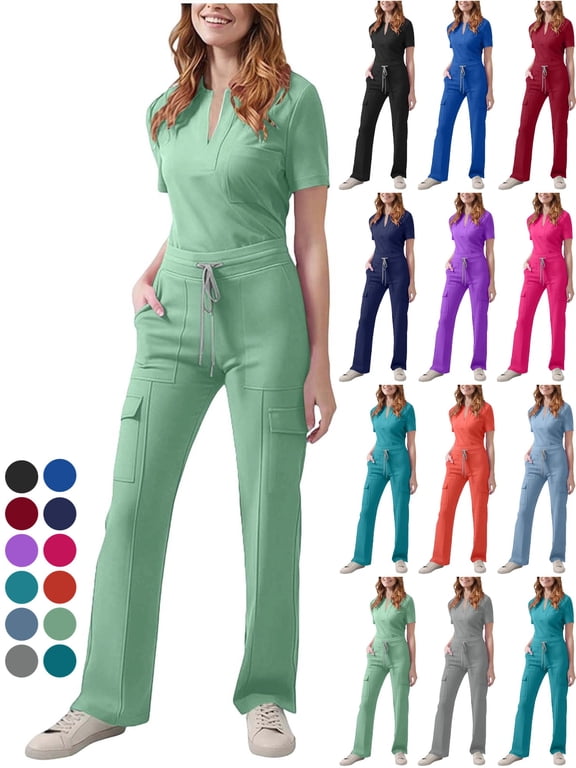
Color matters when your workplace follows department dress codes or unit color rules. You should compare navy blue, royal blue, black, and other approved shades before you buy.
Navy and royal blue often align with common hospital uniform palettes. You can keep your look consistent across extra tops, replacement pants, and backup sets.
Black can offer a clean, versatile option when your dress code allows darker uniforms. You should confirm color requirements first so your new nursing scrubs fit your workplace standards.
If you rotate between departments, you may want separate colors for different assignments. You can build a workwear lineup that stays coordinated with your schedule and role.
How scrubs fit real work routines
You may want different combinations for clinic days, hospital floors, lab work, or training shifts. You should match fit, fabric, and storage details to the pace of your day.
For long hospital shifts, you may prefer breathable fabric, stretch, and multiple pockets. You can stay more comfortable during repeated movement and frequent supply checks.
For outpatient settings, you may want lighter scrub tops with simple pocket layouts and easy-care fabric. You can maintain a polished look without extra bulk.
If you’re buying for a team, you should compare unisex options, color consistency, and inseam choices. You can make coordination easier across roles, sizes, and dress code needs.
With the right scrubs, you can balance fit, movement, color compliance, and storage in one work-ready uniform. You’ll feel more prepared for each shift when your clothing supports your routine.