

Convection Microwave Ovens in Microwaves



About Convection Microwave Ovens in Microwaves - Walmart.com
Convection microwave ovens help you bake, roast, reheat, and crisp in one space-saving appliance. You can compare installation type, capacity, wattage, and cooking modes to match your kitchen and cooking routine.
Choosing convection microwave ovens by installation type
You should start with installation type because your space determines what fits and how it works. You can choose countertop, over-the-range, or built-in models based on placement, ventilation, and kitchen layout.
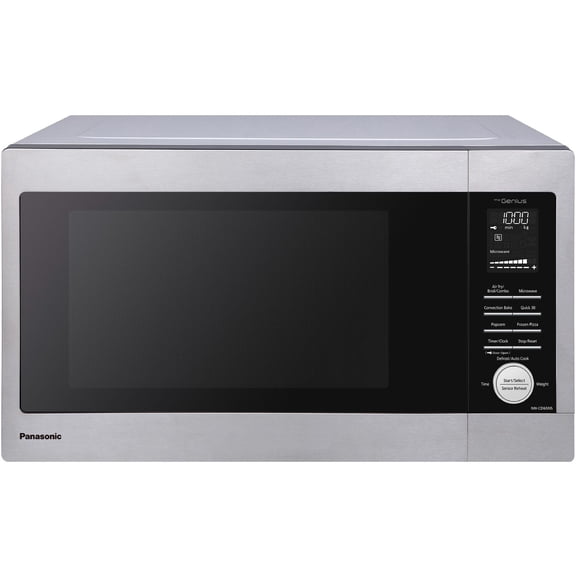
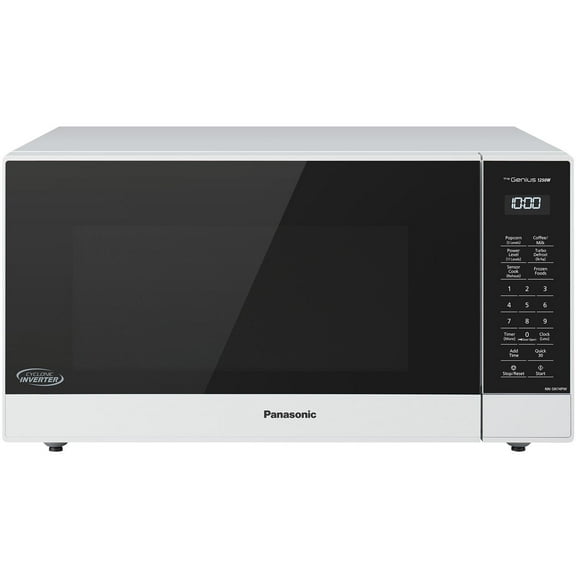
If you want simple setup, a countertop convection microwave oven gives you flexible placement on open counter space. You can move it more easily, and you can check width, depth, and door swing before you commit.
If you want ventilation above your range, an over the range convection microwave can combine cooking and venting in one spot. You should measure cabinet width, mounting height, and clearance so your microwave fits your cooktop area correctly.
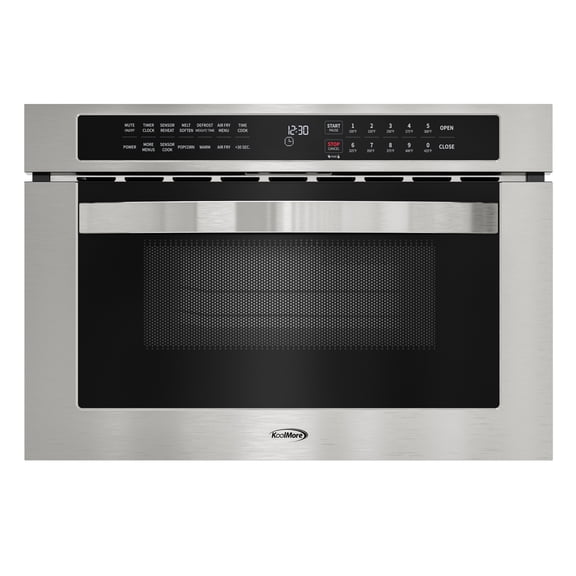
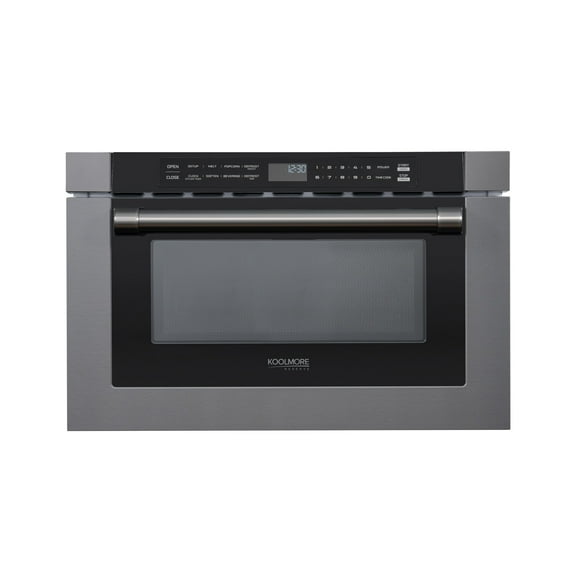
If you want a streamlined look, a built in convection microwave can align with surrounding cabinetry. You need to compare cutout dimensions, trim compatibility, and airflow space so your installation works as planned.
What to look for in cooking technology
You may want more than basic reheating, and that is where a convection microwave combo stands out. You get microwave energy for speed and a convection fan with a heating element for more even browning.
When you use convection mode, hot air circulates around your food like a traditional oven. You can bake cookies, roast vegetables, or finish casseroles with a more oven-like texture.
Some models also include a convection grill combo, which helps you brown the top of foods with extra surface color. You can compare preset menus, sensor cooking, and combo modes for easier weekday meals.
- You can heat leftovers quickly and still get a less soggy finish on foods like pizza or baked pasta.
- You can bake smaller batches without heating your full-size oven.
- You can roast or crisp foods in one appliance when your kitchen space is limited.
- You can use sensor cooking to help adjust time based on steam and moisture levels.
Comparing size, capacity, and interior fit
You should match capacity to the dishes you use most often, not just the outside dimensions. You can compare compact, mid-size, and family-size interiors by cubic feet and plate clearance.
If you want a small convection microwave, compact models from 0.5 to 0.9 cubic feet suit tighter counters and lighter daily use. You may prefer this size when you heat snacks, drinks, or smaller plates.
Mid-size interiors from 1.0 to 1.4 cubic feet give you more room for dinner plates and covered dishes. You can often balance interior space and exterior footprint more easily in this range.
Family-size models at 1.5 cubic feet or larger support bigger cookware and larger portions. You should check turntable diameter and cavity height if you use casserole dishes or taller bakeware.
How wattage and features affect daily cooking
You should compare wattage because higher wattage usually means faster heating and shorter cook times. You can often notice quicker results when you prepare frozen meals, side dishes, or repeated daily reheating.
Power matters, but your controls matter too when you cook often. You may want sensor cooking, auto menus, multi-stage settings, and clear digital controls for more consistent results.
If your kitchen has modern finishes, a stainless steel convection microwave can coordinate with ranges, refrigerators, and dishwashers. You can also compare black stainless steel, white, and black finishes to match your cabinets and hardware.
You should also look at practical details like child lock settings, interior lighting, removable racks, and easy-clean surfaces. You can narrow choices faster when you focus on the features you will use every week.
Matching your convection microwave to real-life use
You may cook differently on weekdays than on weekends, so your feature mix should support your routine. You can choose a model that fits quick lunches, family dinners, or occasional baking projects.
If you live in an apartment or smaller home, you may lean toward a compact countertop unit with combo cooking modes. You can reheat, bake, and crisp without giving up much counter space.
If you cook nightly and want to free your range area, an over the range convection microwave may suit your kitchen plan. You can combine ventilation, microwave speed, and oven-style cooking above your stovetop.
If you are updating cabinetry, a built-in style may help you create a more integrated appliance wall. You should confirm cutout measurements, trim options, and required clearance before choosing your model.
When you prepare larger portions, a family-size interior and stronger wattage can support casseroles, sheet-pan sides, and larger plates. You can also compare rack options if you want more flexibility during convection cooking.
If appearance matters as much as function, finish can guide your final choice. You can select a stainless steel convection microwave or another finish that fits your kitchen without changing your workflow.
With convection microwave ovens, you can choose an appliance that fits your space and expands how you cook. You gain oven-style versatility, microwave speed, and a layout that works for your kitchen every day.