

Garden Carts Utility Carts and Collapsible Wagons

























About Garden Carts Utility Carts and Collapsible Wagons - Walmart.com
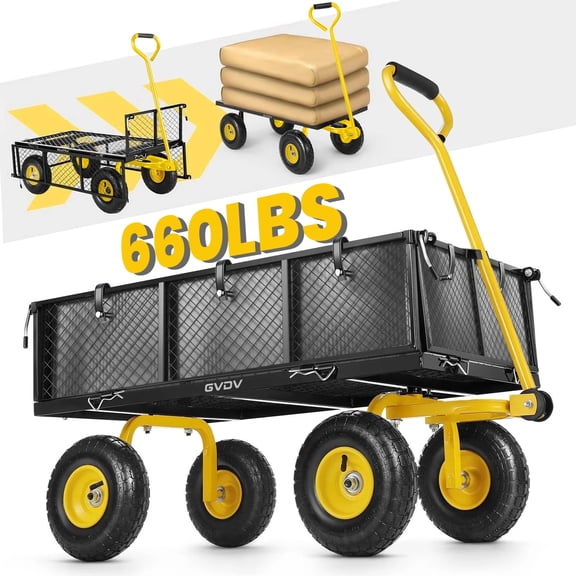
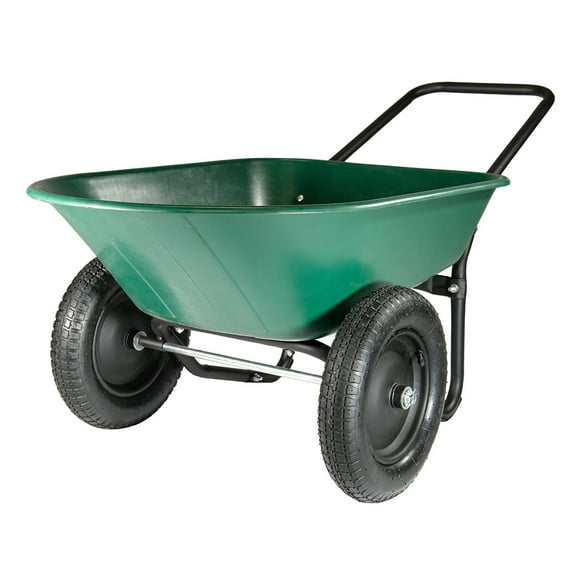
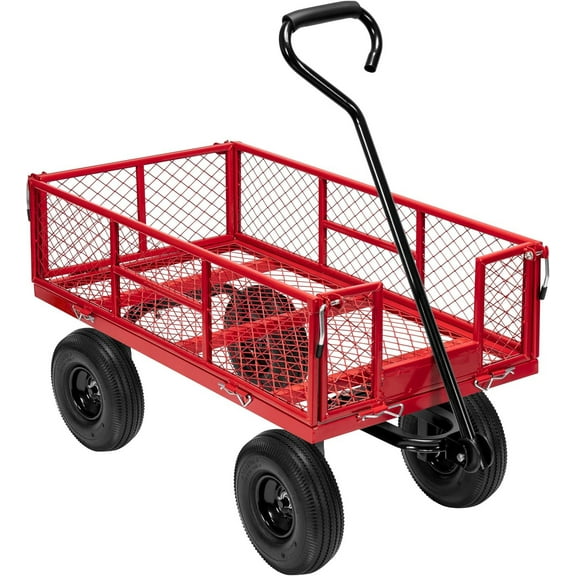
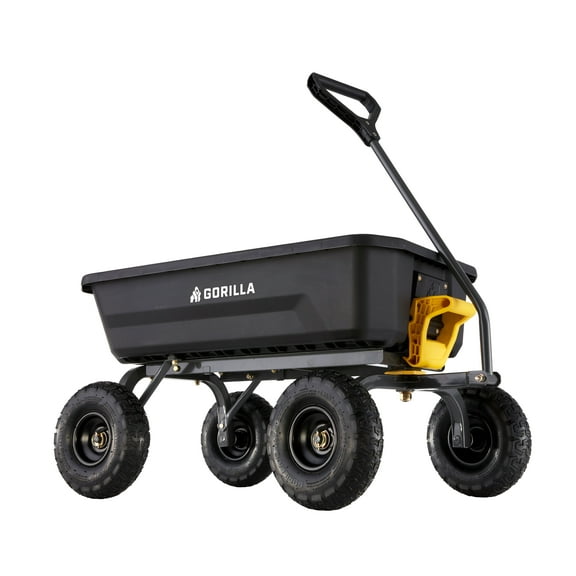
Garden carts help you move mulch, soil, pots, and tools with less lifting across your yard. You can compare load ratings, frame materials, wheel types, and cart styles to match your projects.
How to choose garden carts for your workload
Start with weight capacity, because your load size shapes every other choice you make. You may prefer 300 lbs for light planting jobs, 600 lbs for regular yard cleanup, or 1000 lbs+ for heavier hauling.
Consider how often you move bagged soil, firewood, stones, or large planters around uneven ground. You’ll want a heavy duty garden cart when your tasks involve dense materials and longer hauling routes.
Frame material also changes how your cart feels during daily use in the garden. You can compare steel for strength, polyethylene for easy cleanup, and wood for a classic look.
- You can use lighter load ratings for hand tools, seed trays, and small containers.
- You may want higher load ratings for mulch bags, rocks, and landscape supplies.
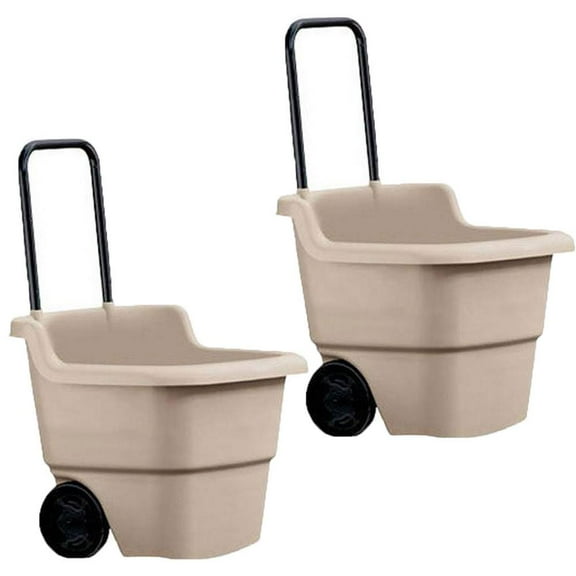
- You’ll notice poly beds rinse clean quickly after dirt, compost, and wet leaves.
- You can choose steel frames when your routine calls for frequent hauling.
Choosing weight capacity, frame material, and wheel type
Check the listed load rating in pounds before you compare style or color. You’ll get a clearer fit when your cart rating matches the heaviest loads you actually move.
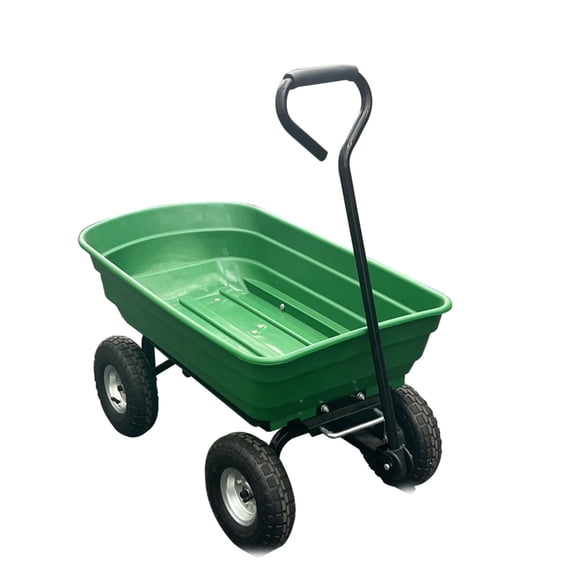
Steel frames usually suit repeated hauling across larger properties and work zones. A poly garden cart may suit you when you want a lighter bed and simpler cleanup after messy jobs.
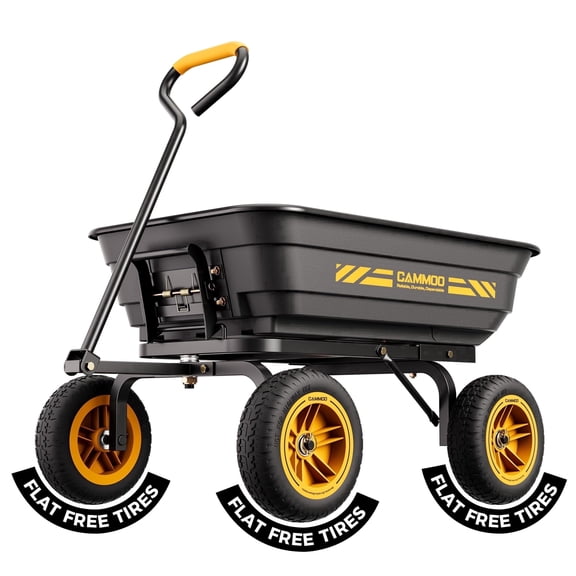
Wheel type matters when your ground changes from grass to gravel to packed soil. You can use pneumatic tires for smoother rolling over bumps, while flat-free tires reduce upkeep between projects.
Pneumatic tires contain air, so you may notice a softer ride on rough paths. Flat-free tires stay ready in storage, and you can keep moving without checking air pressure.
Solid plastic wheels can suit lighter tasks on smoother surfaces around patios or sheds. You’ll want larger wheels when your route includes roots, ruts, or soft garden beds.
If you compare an outdoor yard cart by wheel size and tread, you’ll judge pulling comfort more accurately. You can also measure gate openings and path width before choosing a wider cart.
Comparing dump cart, flatbed cart, and folding garden cart designs
Utility type shapes how you load, unload, and store your cart after work. You can choose a dump cart, flatbed cart, or folding garden cart based on your routine.
A dump cart works well when you move mulch, soil, or leaves that need quick unloading. You’ll want to check whether the cart uses manual tipping or a quick-release latch.
Quick-release latches let you empty loose material with fewer shovel passes at the end. Manual tipping may suit you when you want a simpler setup for occasional yard work.
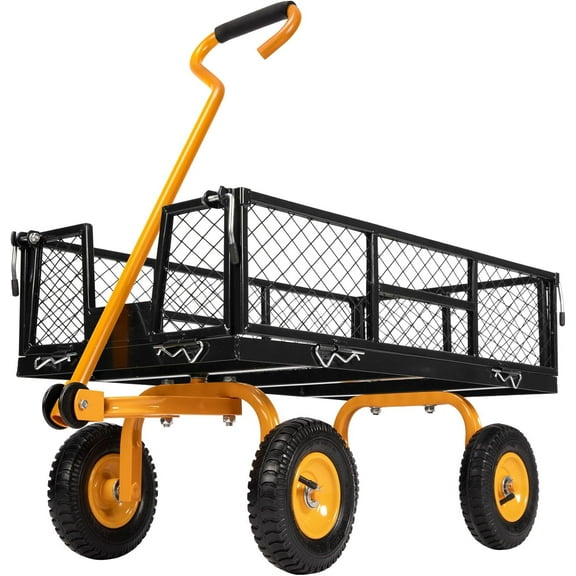
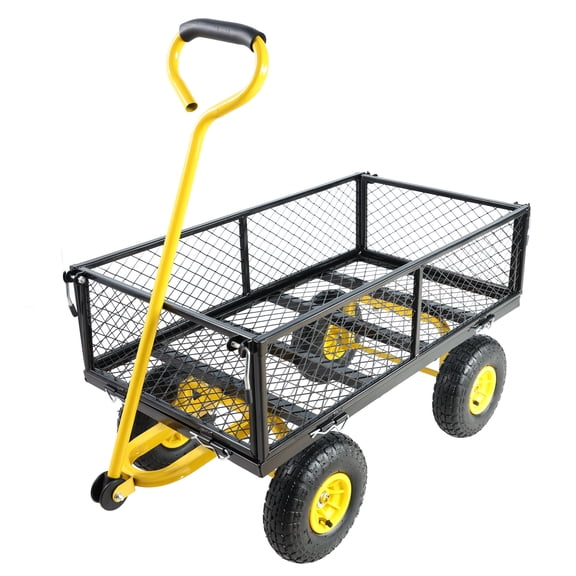
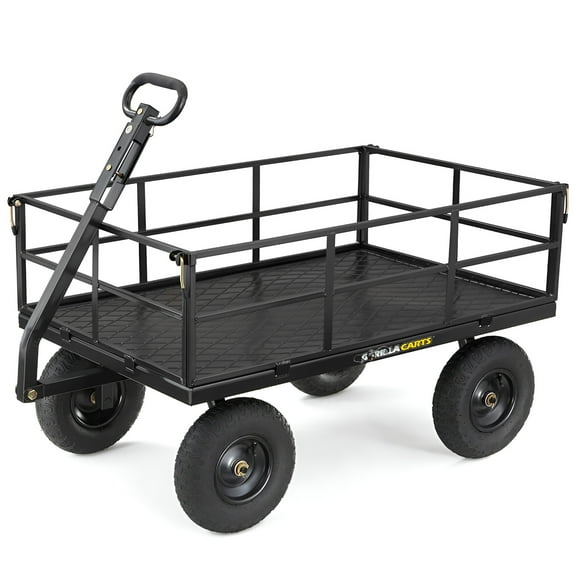
Flatbed carts help you carry boxed plants, lumber, fencing supplies, and oversized containers. You can load awkward items more easily when the bed stays open and flat.
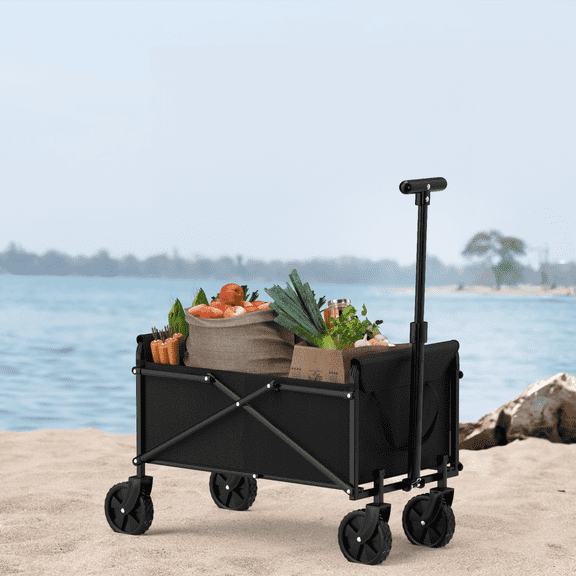
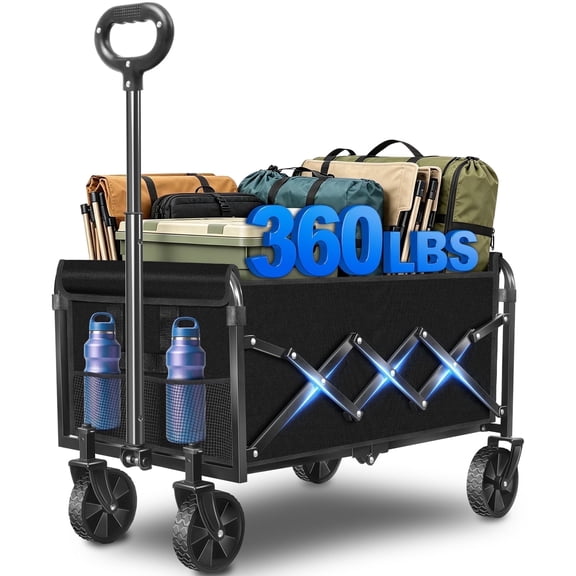
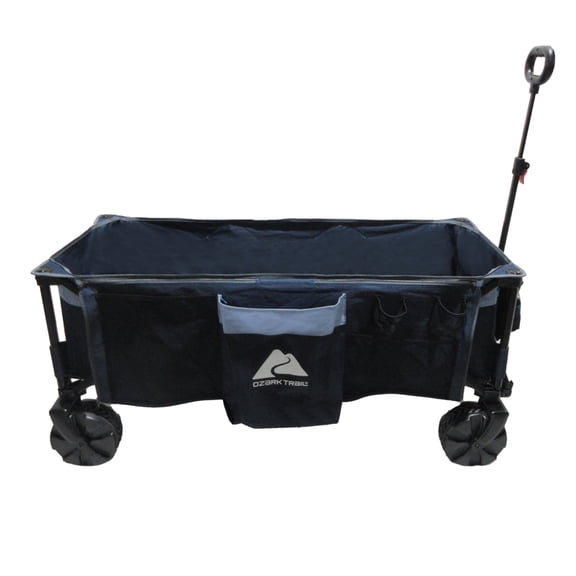
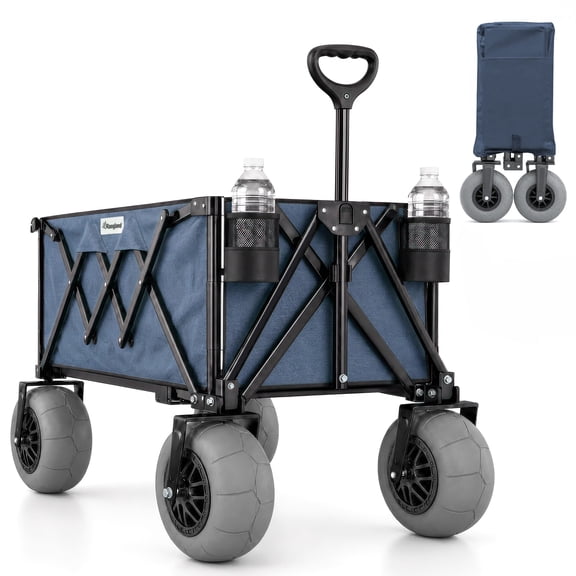
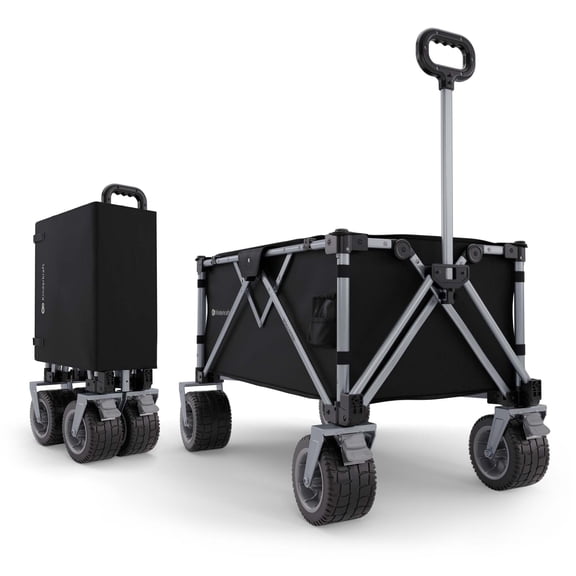
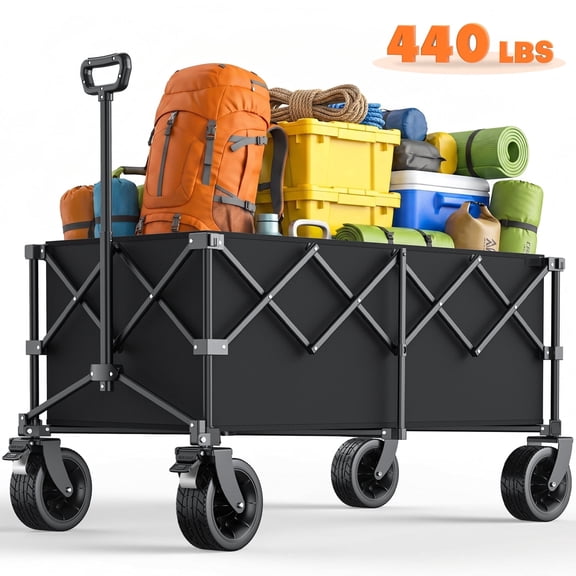
Folding designs make sense when your garage, shed, or patio storage stays tight. You’ll appreciate a folding garden cart when you need hauling help without giving up floor space.
Rigid frames often feel steadier for repeated heavy loads across longer distances outdoors. Collapsible frames can suit you when compact storage matters as much as carrying capacity.
Matching a utility lawn cart to your projects
You can match a utility lawn cart to spring planting, summer cleanup, and weekend landscaping. Your choice becomes easier when you think about material, terrain, and storage together.
For raised bed work, you may want a medium-capacity cart with a poly bed and pneumatic tires. You’ll move bags of soil and seedlings smoothly over grass and uneven edging.
For leaf collection and brush hauling, you might prefer a dump cart with higher sidewalls. You can unload faster when the bed tips easily at your compost area.
If your property includes gravel paths or rough ground, you should compare tire cushioning first. You’ll feel less drag when you choose a lawn cart with wheels built for uneven terrain.
When you move pavers, logs, or heavier landscape material, a heavy duty garden cart makes more sense. You can check for a reinforced frame and a higher pound rating before loading dense supplies.
If you work in a smaller yard, a folding model may fit your routine more naturally. You’ll store it more easily beside bins, tools, or seasonal equipment when the frame collapses.
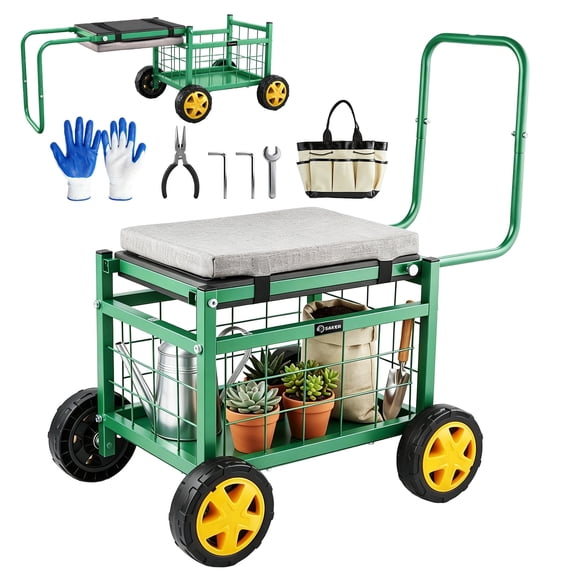
A utility lawn cart can also support harvest days, potting projects, and general outdoor cleanup. You can keep gloves, hand tools, pots, and yard waste together in one organized trip.
With the right garden carts setup, you can haul more comfortably and plan your yard work with fewer interruptions. You’ll get a cart that fits your terrain, load size, and storage space from the start.