


Urban explorer










































About
Urban explorer gear helps you move through busy days with organized carry, weather-ready materials, and a clean look that fits work and weekend plans. You can compare packs, apparel, footwear, and accessories here using practical details that matter on city streets and daily routes.
If you commute with tech, walk between meetings, or pack light for short trips, you need pieces that handle motion and changing conditions. You’ll find this guide focuses on capacity, materials, style, and storage choices that shape everyday use.
How to choose urban explorer gear by gear type
When you compare urban travel gear, start with the role each item plays in your routine. You may want backpacks for organized carry, apparel for layering, footwear for long walks, and accessories for smaller essentials.
A backpack supports your main load, especially when you carry a laptop, charger, bottle, and notebook through a full commute. Apparel and footwear matter when you need comfort indoors and outdoors without changing your whole look.
Accessories finish your setup when you need quick access to keys, cards, cables, or transit items. You can build a more useful system when each piece has a clear job.
- You can use backpacks to separate tech, documents, and daily essentials.
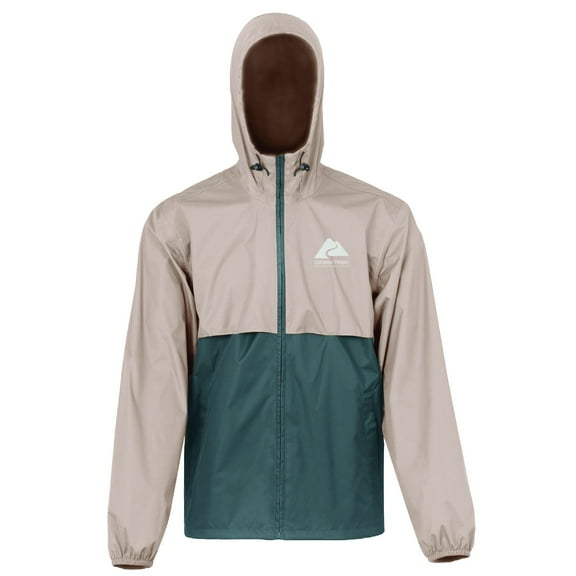
- You can use commuter clothing to transition from train platforms to office spaces.
- You can use footwear with all-day comfort for walking blocks between stops.
- You can use techwear accessories to keep small items visible and easy to reach.
Choosing materials for waterproof everyday carry
Material choice affects how your gear feels, wears, and handles wet weather during a normal week. You should compare water-resistant nylon, ripstop canvas, and breathable polyester based on your route and carry style.
Water-resistant nylon usually feels lighter, and you may prefer it when you want a sleek bag for trains, buses, and crowded sidewalks. Ripstop canvas often feels more structured, and you may choose it when you want texture and extra abrasion resistance.
Breathable polyester works well in commuter clothing when you want lighter layers that feel easier through warm buildings and active mornings. You should also look for decision-critical details like denier rating and DWR coating.
A higher denier often means tougher fabric, which helps you handle repeated contact with seats, floors, and packed storage spaces. A DWR coating helps moisture bead on the surface, so your gear stays cleaner-looking during light rain.
Choosing urban commuter backpack capacity and organization
Capacity changes how a bag fits your day, so you should match liters to what you actually carry. Compact bags under 15L suit light essentials, while 15-25L bags fit a fuller workday.
If you carry lunch, a laptop, and layers, you’ll usually want daily commute capacity between 15L and 25L. If you pack for overnight stays or longer routes, you may need travel capacity above 25L.
Laptop organization matters just as much as total size when you move between stations, offices, and coffee shops. You should check whether a sleeve fits your device size and includes padding around the edges.
Separate compartments help you keep chargers away from papers and water bottles away from electronics. You may also want quick-access pockets for earbuds, badges, and transit cards that you reach for often.
An urban commuter backpack should feel balanced when loaded, especially if you walk several blocks before and after transit. You can look for padded straps, a supportive back panel, and a shape that stays close to your body.
Comparing style aesthetics and office-to-outdoor versatility
Style affects how easily your gear moves from office settings to casual evenings and outdoor breaks. You should compare minimalist, techwear, gorpcore, and classic commuter looks based on your wardrobe.
Minimalist styles give you clean lines and fewer visual details, which can blend easily with work clothes and simple sneakers. Techwear accessories often add modular pockets, darker colors, and utility-focused shapes for a more technical look.
Gorpcore styling leans into trail-inspired textures and practical layering, which suits you if you like outdoorsy details in everyday wear. Classic commuter options keep the look streamlined when you want polished pieces that still feel ready for weather changes.
Versatility also comes from comfort choices that stay useful across changing environments. You should look for commuter clothing with easy layering, flexible movement, and fabrics that feel comfortable during seated and walking time.
How urban travel gear fits real routines
If your weekday starts with transit and ends with errands, you may need a 15-25L pack in water-resistant nylon. That combination gives you room for a laptop, lunch, and a light layer without bulky carry.
If your schedule includes short business trips, you may want travel capacity above 25L with organized internal pockets. You can pair that setup with classic commuter apparel for a cleaner office-ready appearance.
If you prefer lighter loads and fast movement, a compact bag under 15L may suit your phone, wallet, tablet, and cables. You can add techwear accessories for quick access and a more utility-driven style.
During wetter seasons, you should prioritize waterproof everyday carry details like DWR-treated fabric and covered zippers. You may also want footwear that feels steady on long walks and layers that work across indoor and outdoor temperatures.
For mixed work and weekend use, you can combine a minimalist backpack with breathable commuter clothing and simple accessories. That pairing helps you keep a city-ready look without carrying separate setups for each part of your day.
With urban explorer gear, you can choose materials, capacity, and style with more clarity when you compare how each detail fits your route. You’ll end up with carry and clothing choices that feel organized, weather-aware, and ready for daily movement.