


Shop all winter prep
























About
You can tackle cold weather confidently with winter prep supplies that cover your home, vehicle, outdoor spaces, and daily routines. You’ll find practical options for drafts, snow, ice, and freezing mornings in one focused seasonal hub.
When you prepare before temperatures drop, you can handle light frost or heavy snow with less disruption. You’ll also compare home winterization products, snow tools, and winter emergency supplies using clear decision points.
How to choose winter prep supplies by application area
You should start with the area that needs attention first, because each space calls for different gear. Your home may need draft stoppers, while your vehicle may need scraper tools and a car winter prep kit.
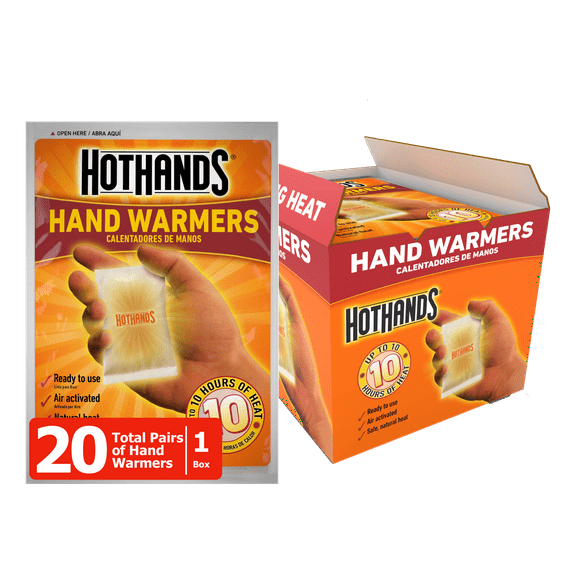
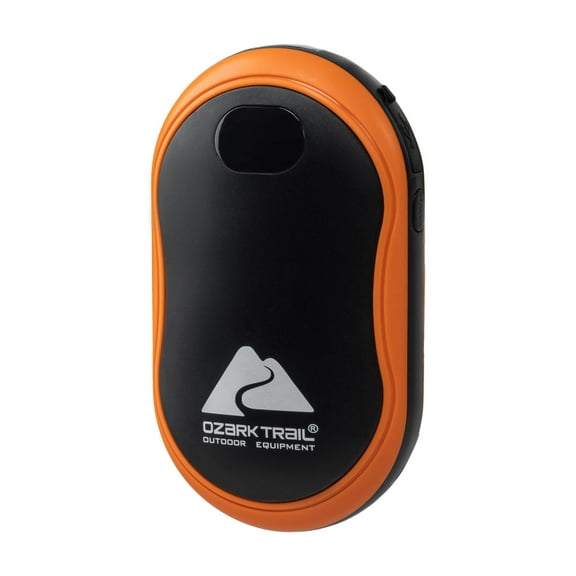
For outdoor tasks, you may look for snow shovels, ice melt tools, and traction-focused equipment. For personal comfort, you may compare ready-to-use layers, warming accessories, and compact carry items.
- You can reduce indoor drafts with insulation film, weather sealing, and draft stoppers around doors and windows.
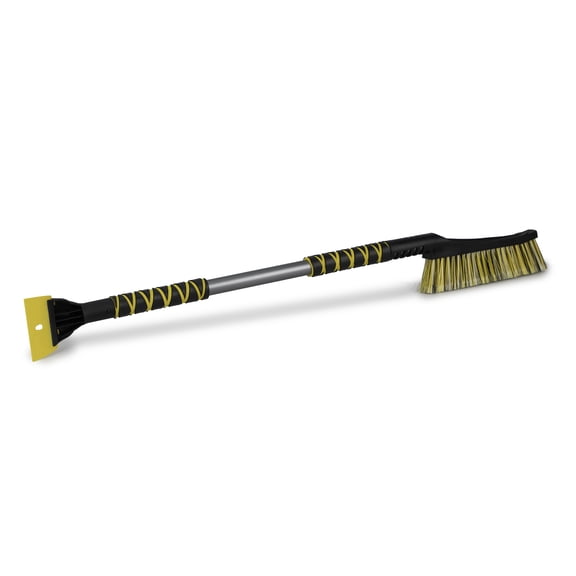
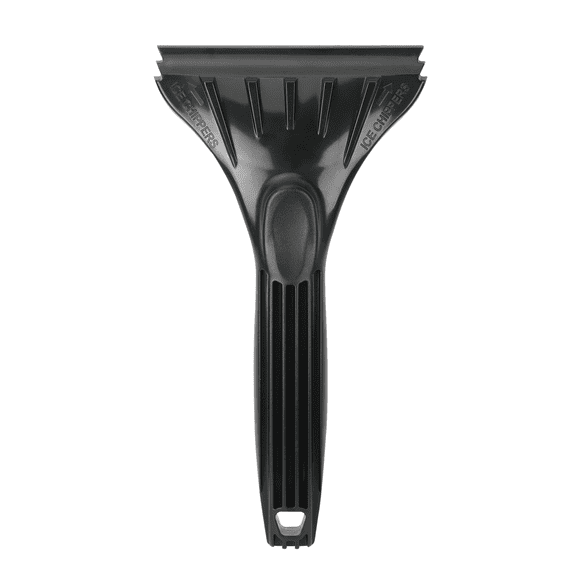
- You can keep your vehicle ready with windshield deicer, scrapers, jumper tools, and compact emergency gear.
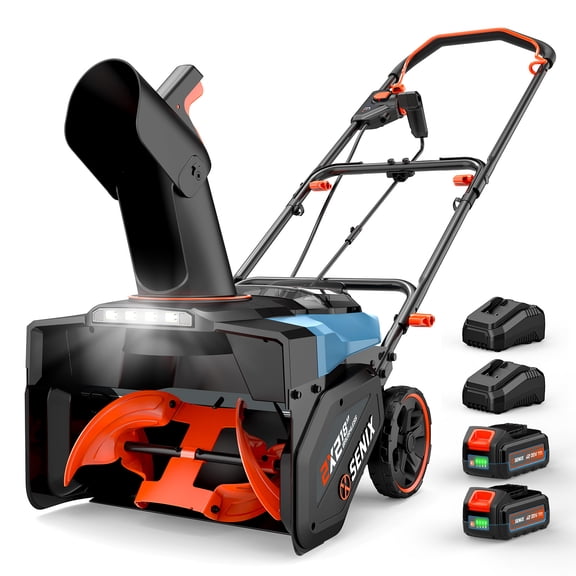
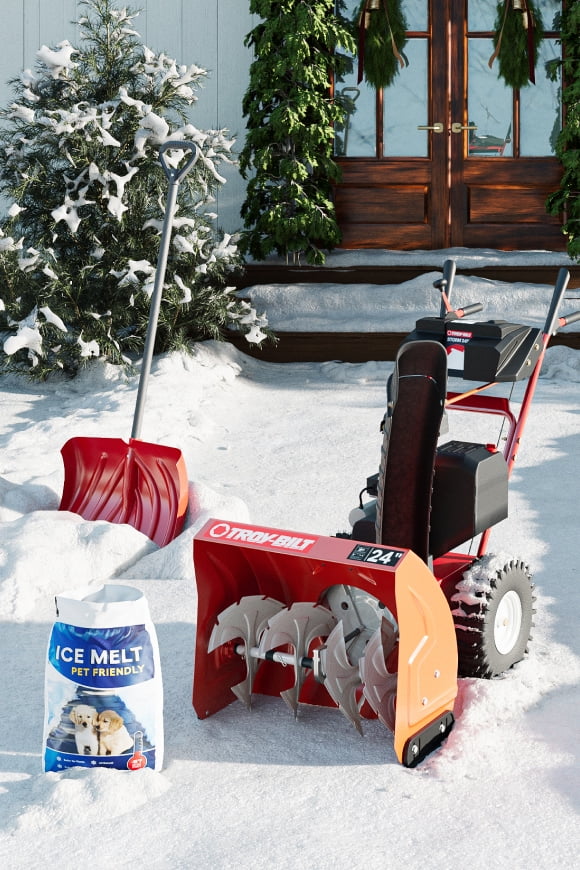
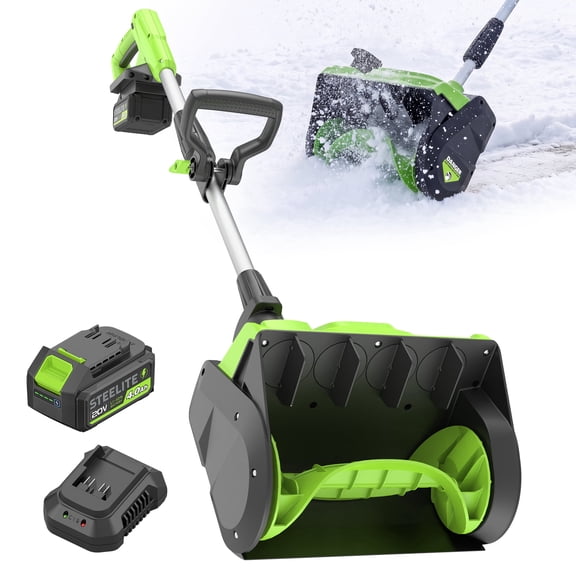
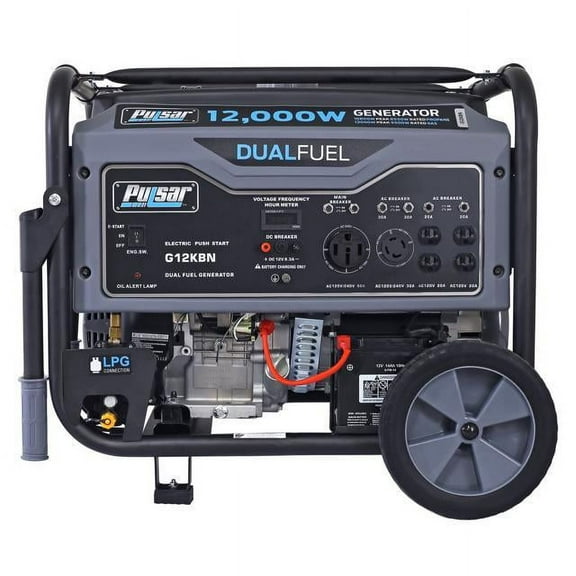
- You can clear paths and driveways with manual shovels or gas powered snow equipment for deeper accumulation.
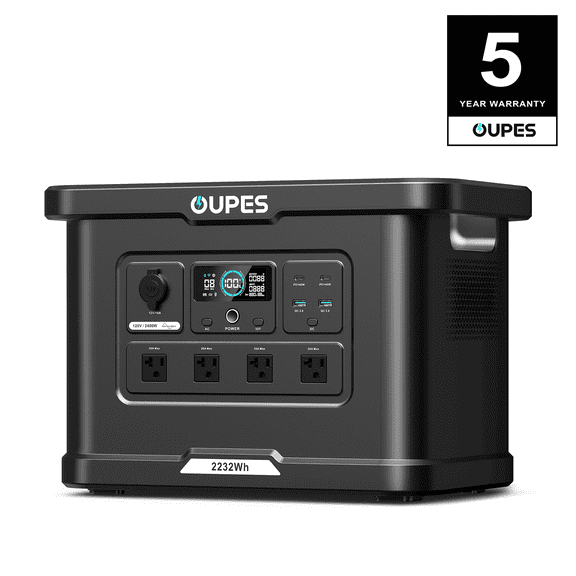
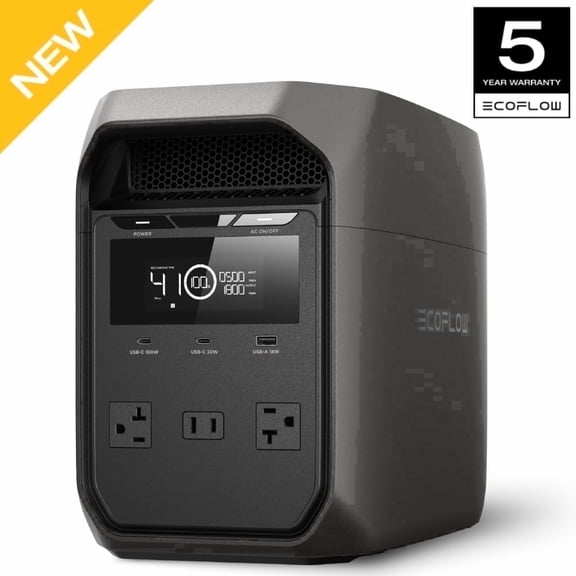
- You can stay prepared during outages with battery operated lights, blankets, and other winter weather essentials.
You’ll shop more efficiently when you match products to the place you’ll use them. Your checklist becomes easier when each item supports a specific cold-weather task.
Choosing winter weather essentials for your climate
You should compare products by weather severity, because light frost needs different tools than freezing rain or deep snowfall. Your region may only need simple scrapers, or it may call for layered home and vehicle preparation.
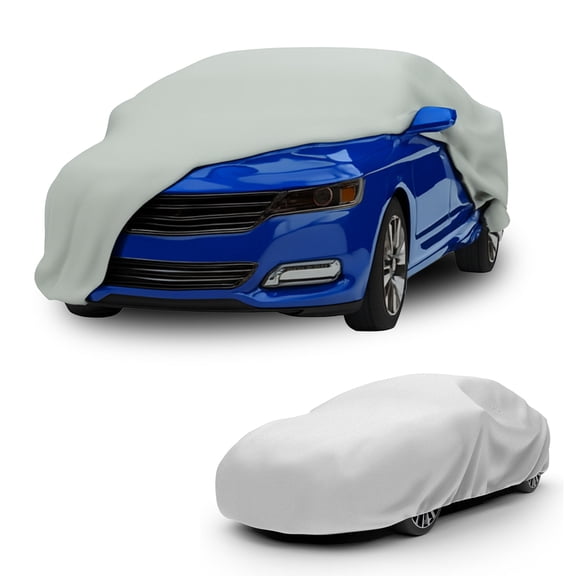
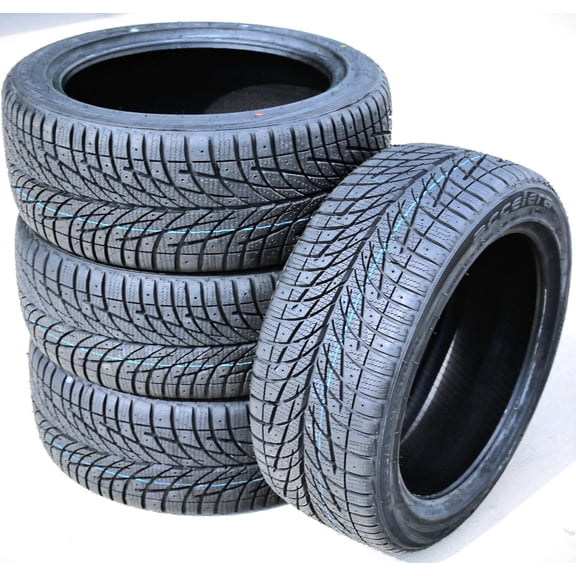
In light frost, you may focus on windshield covers, ice scrapers, and basic door sealing. In heavy snow, you’ll usually need stronger snow removal tools and broader home winterization products.
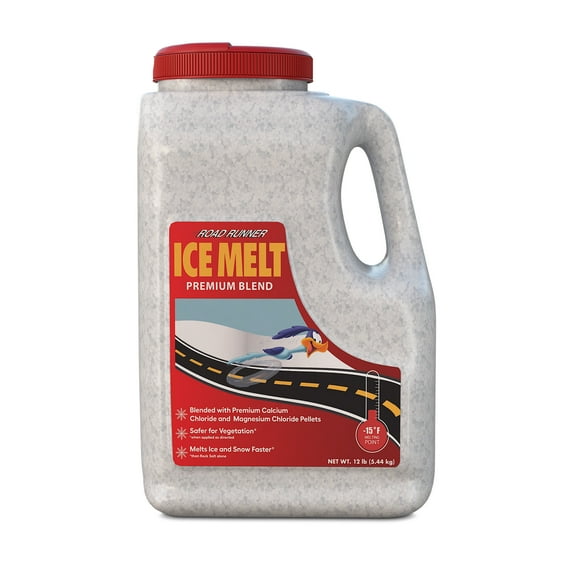
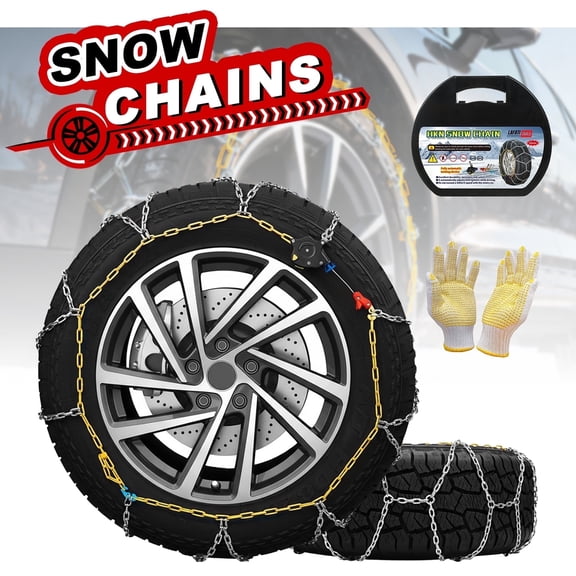
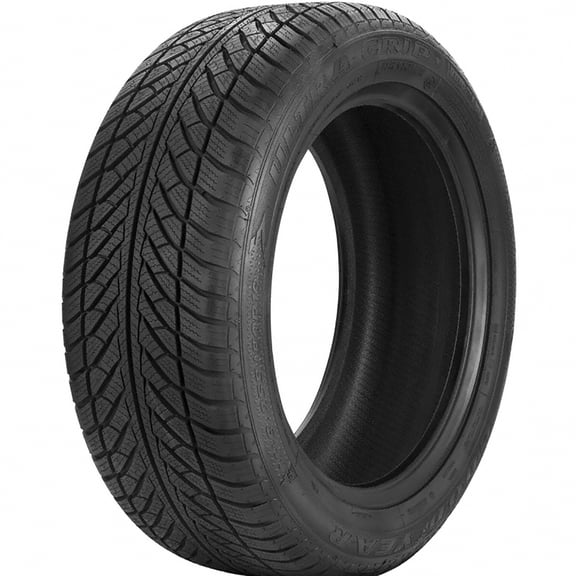
For freezing ice, you should look for traction aids, windshield deicer, and sealing supplies that help block cold air. In extreme cold, you may prioritize backup lighting, extra blankets, and dependable winter emergency supplies.
You can avoid overbuying when you match each item to the conditions you actually face. You’ll also build a more complete setup when you cover both routine mornings and unexpected storms.
What to look for in home winterization products
You should compare insulation and draft control options by installation type before you choose. Your time, tools, and comfort level often decide whether DIY or hardware-mounted products make more sense.
DIY and self-adhesive options work well when you want quick setup around doors and windows. You can apply many draft stoppers, weather strips, and insulation films without specialized tools.
Hardware required options may suit you when you want a more fixed setup for repeated winter use. Your project may involve mounting supports, securing heavier materials, or fitting larger openings.
Ready-to-use items help you prepare fast when a cold snap arrives suddenly. You can place some draft stoppers immediately, and your rooms may feel less exposed to chilly airflow.
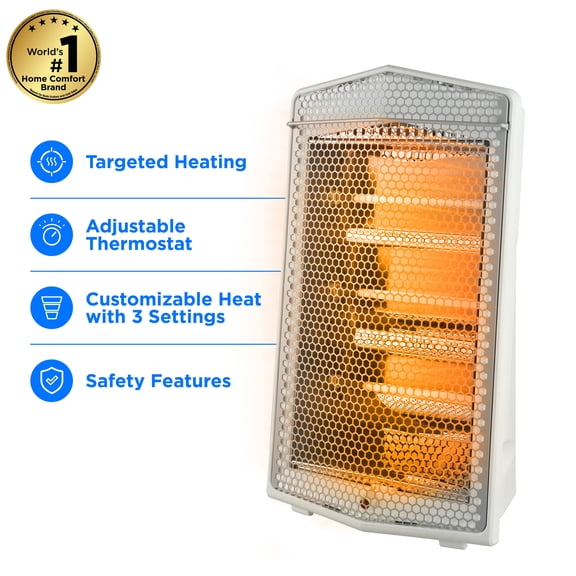
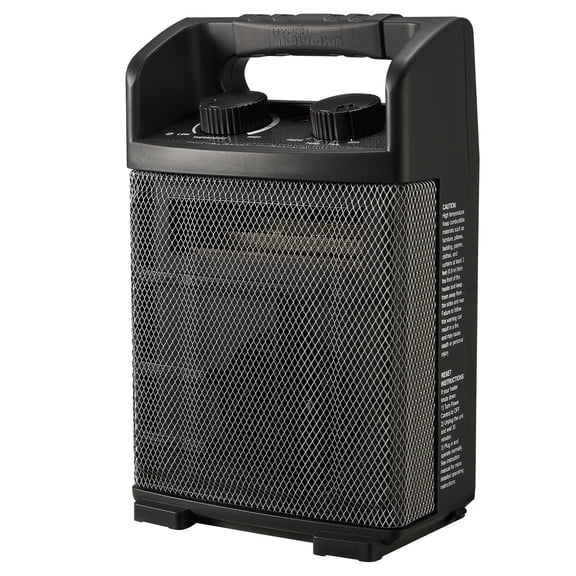
You should also consider heating products as part of your home plan. Your space may benefit from electric corded heaters in occupied rooms and battery operated lights for outage readiness.
How to compare a car winter prep kit and emergency gear
You should build your vehicle setup around common winter disruptions, not just daily commuting. Your car winter prep kit may include scrapers, windshield deicer, towels, flashlights, and compact power accessories.
Battery operated gear matters when you want light or communication support without relying on your car’s main power. You should check battery type and runtime, because those details affect how long your gear stays useful.
Manual tools still matter, especially when you need quick access in freezing conditions. Your scraper, shovel, and traction items can stay ready without cords, charging, or fuel concerns.
Ready-to-use kits help you keep core items together in one place. You can store them in a trunk more easily, and your essentials stay easier to grab during a storm delay.
Matching snow removal and emergency tools to power source
You should compare manual, electric corded, battery operated, and gas powered tools by where you’ll use them. Your access to outlets, fuel, and charging can shape which setup fits your routine.
Manual tools give you simple operation for sidewalks, steps, and small areas after light accumulation. You won’t need electricity, and your shovel or scraper stays ready whenever weather shifts.
Electric corded tools may suit you when you’re clearing areas close to your home. Your setup can feel easier to manage when you have outlet access and predictable reach.
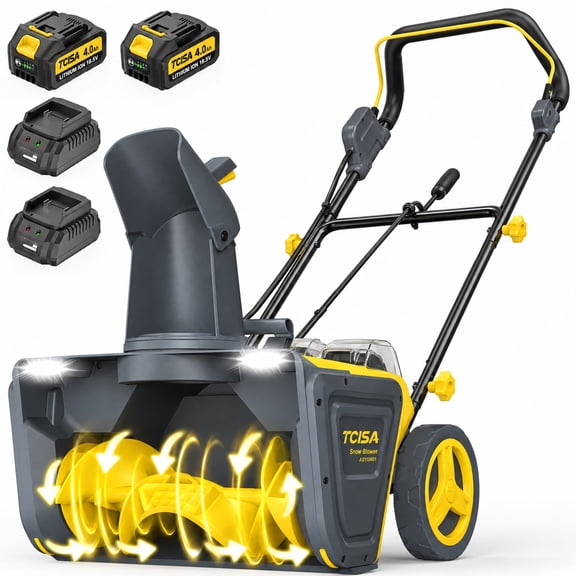
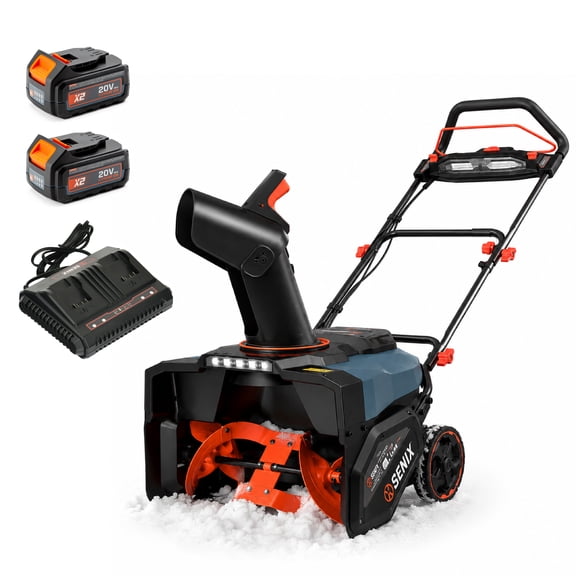
Battery operated options help you move more freely around driveways, vehicles, and dark spaces. You should compare runtime and charging habits, because your storm prep depends on dependable use time.
Gas powered equipment may fit you when you handle larger spaces or repeated heavy snow. Your cleanup can move faster in deeper accumulation, especially across longer paths and wider drive areas.
Using winter prep supplies in real seasonal scenarios
You may need one setup for a mild climate and another for repeated storms. Your combination of products should reflect whether you face light frost, freezing rain, or extreme cold.
If your main concern is indoor comfort, you can focus on self-adhesive sealing, insulation film, and draft stoppers. Your plan stays simple, and your home feels more prepared for overnight temperature drops.
If your mornings start with icy windshields, you may prioritize windshield deicer, covers, and a compact scraper. Your vehicle routine becomes quicker when those items stay together in an easy-to-reach spot.
If your property gets regular snowfall, you should pair snow removal tools with lighting and backup supplies. Your walkways, entry points, and garage areas become easier to manage during early or late clearing.
When outages are part of your winter planning, you can choose battery operated lights, blankets, and ready-to-use emergency gear. Your setup supports visibility and comfort without depending only on wall power.
You can prepare more effectively when your winter checklist matches your space, climate, and power needs. Your cold-weather setup works harder when each item solves a clear seasonal challenge.