


School lunch essentials















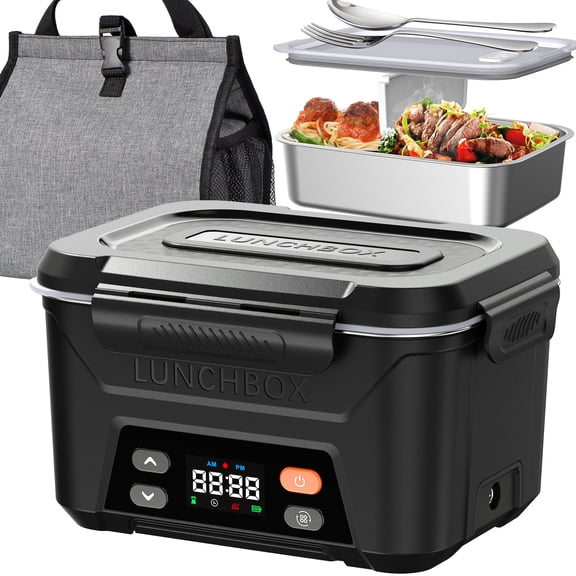


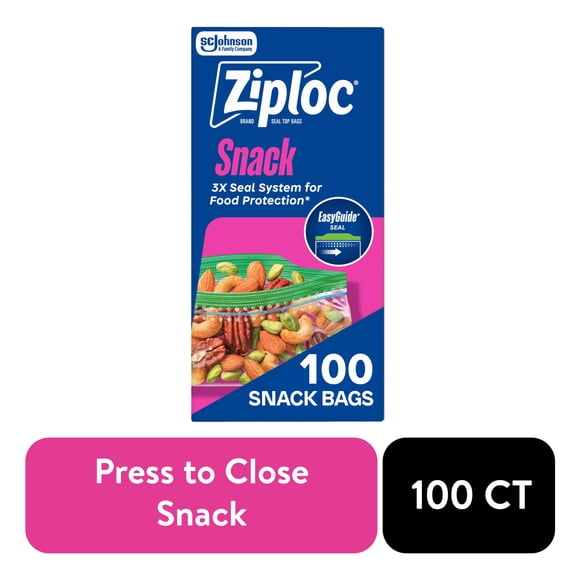

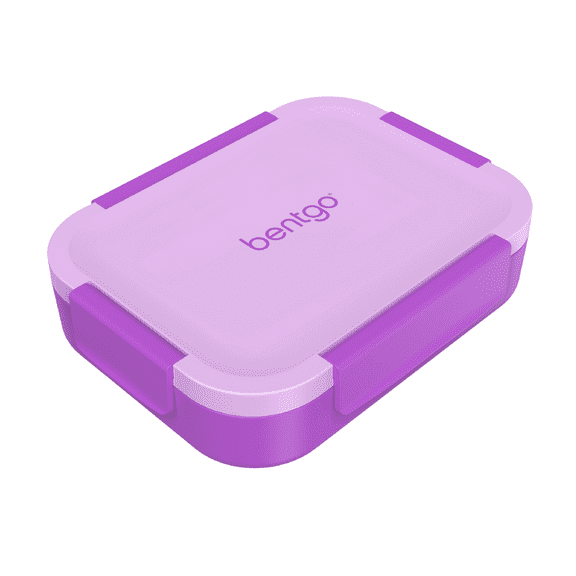


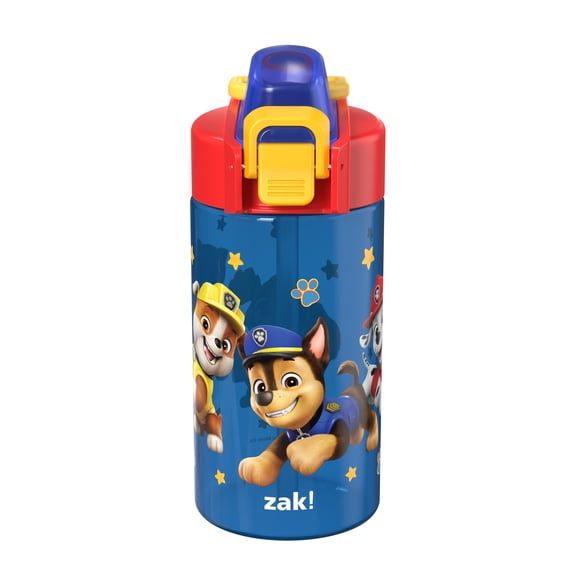










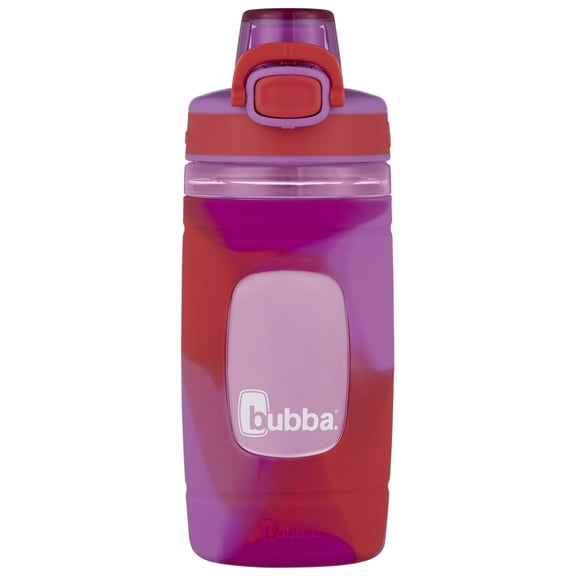


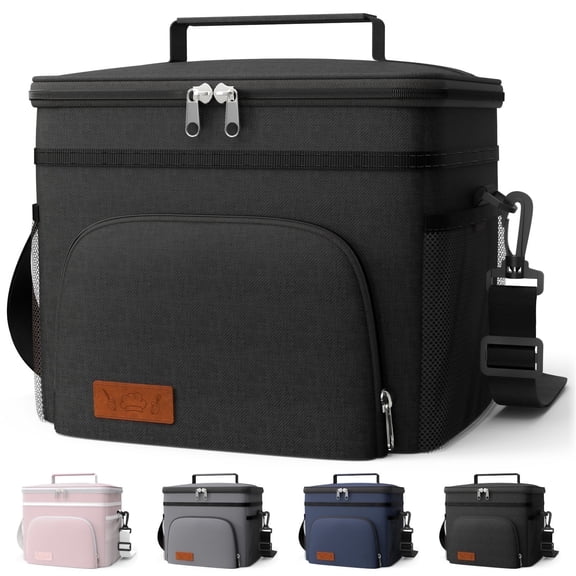


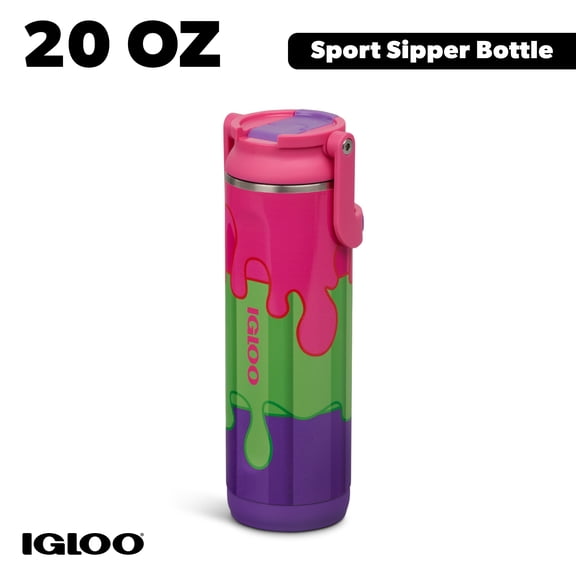


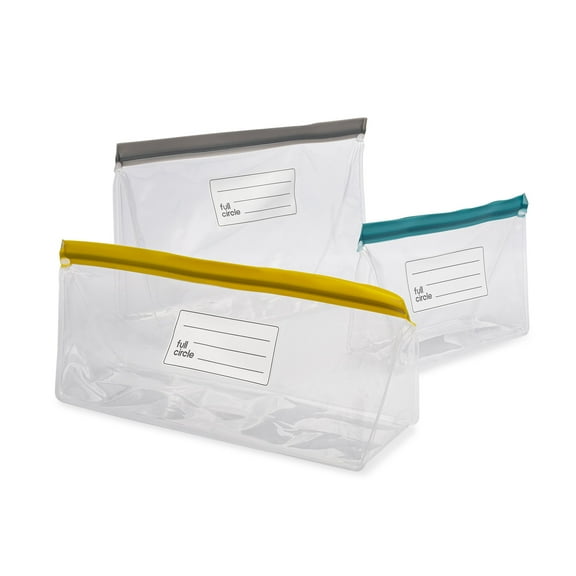






About
School lunch supplies help you organize meals, support smoother mornings, and fit school-day routines. To make packing easier, you can compare containers by insulation, cleanup, sizing, and age group.
How to choose school lunch supplies
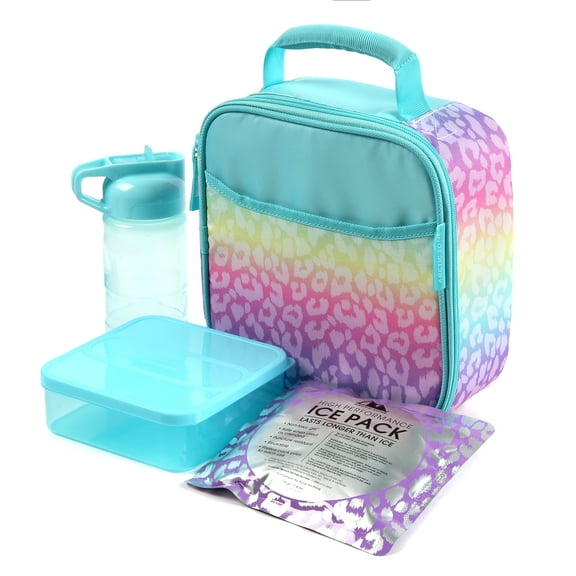
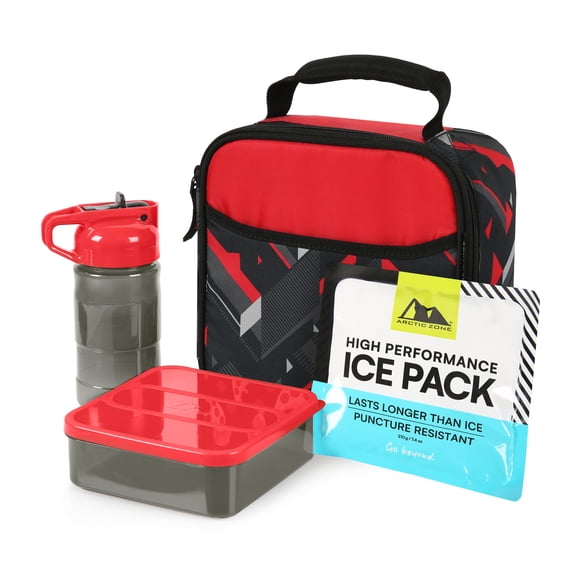
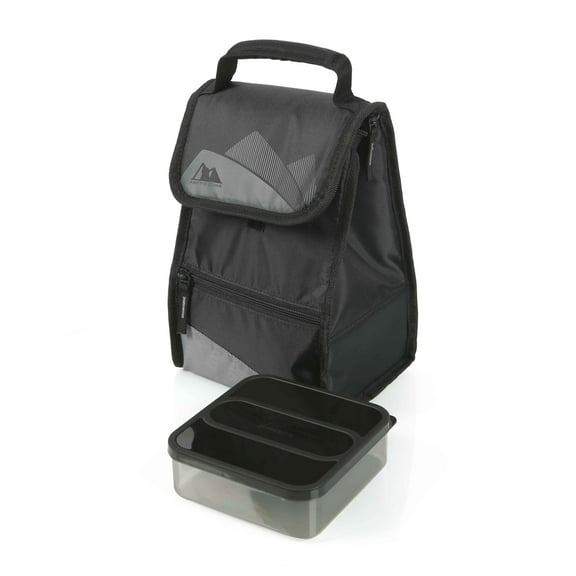
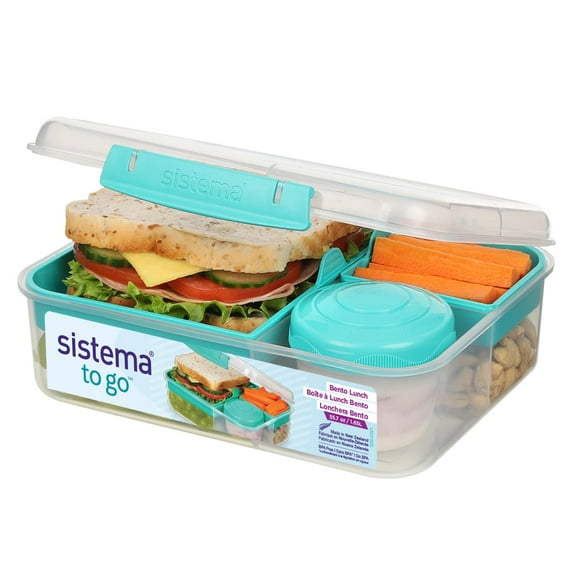
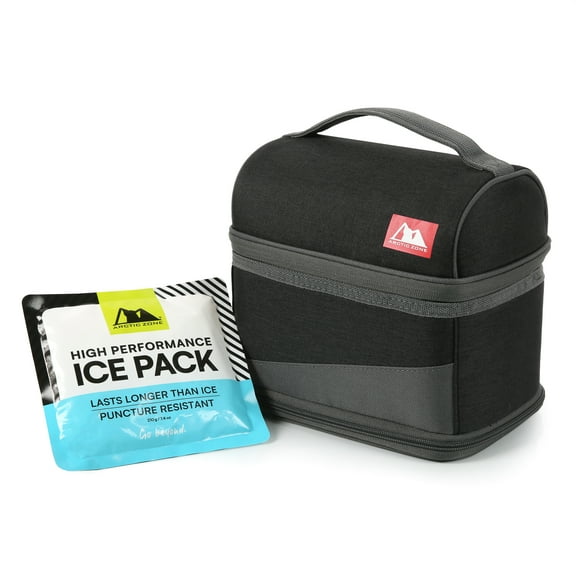
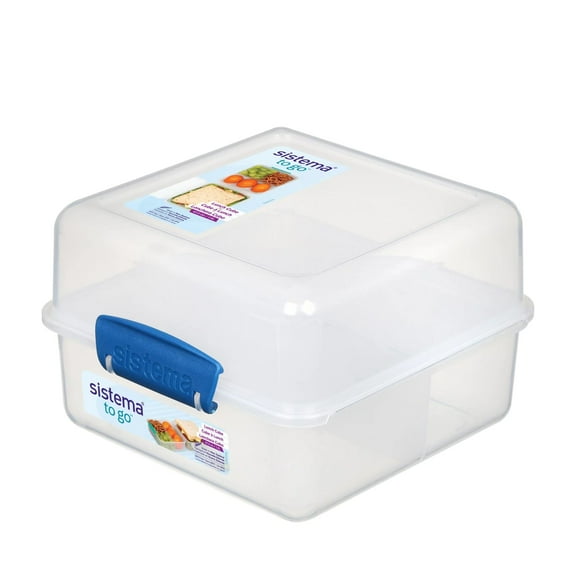
Start with container type, because each format supports a different lunch routine. For separated foods, you may prefer a bento box, while an insulated bag gives you flexible packing space.
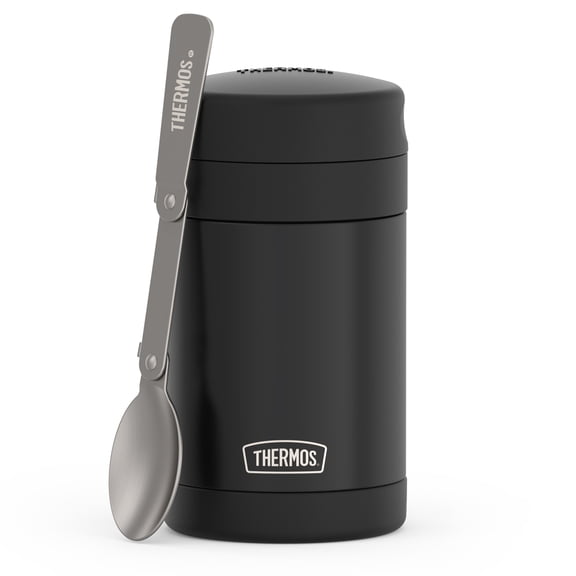
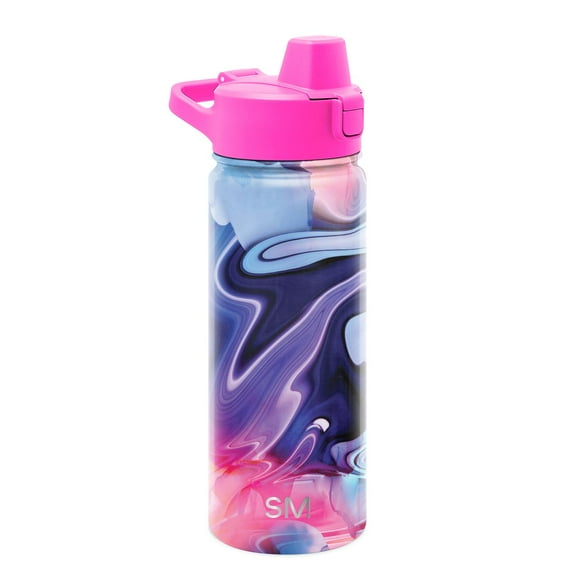
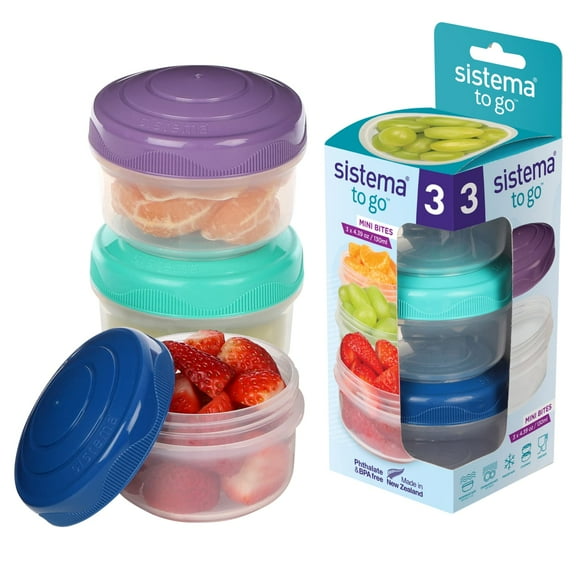
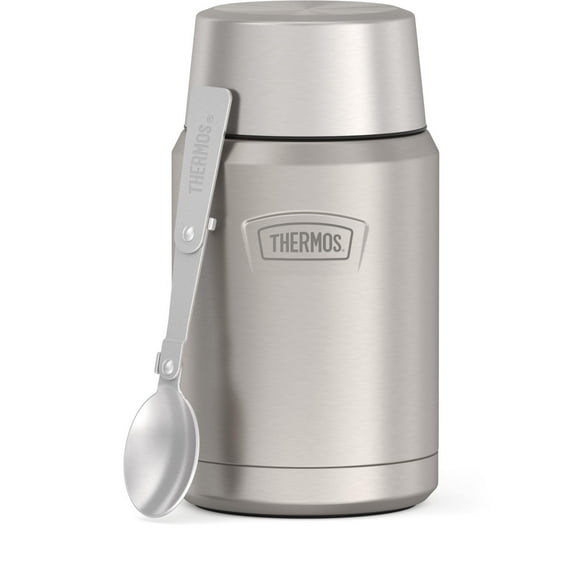
When warm foods are part of your plan, a thermos can hold soups, pasta, or oatmeal neatly. For smaller portions, a snack pack helps you portion sides that fit short lunch breaks.
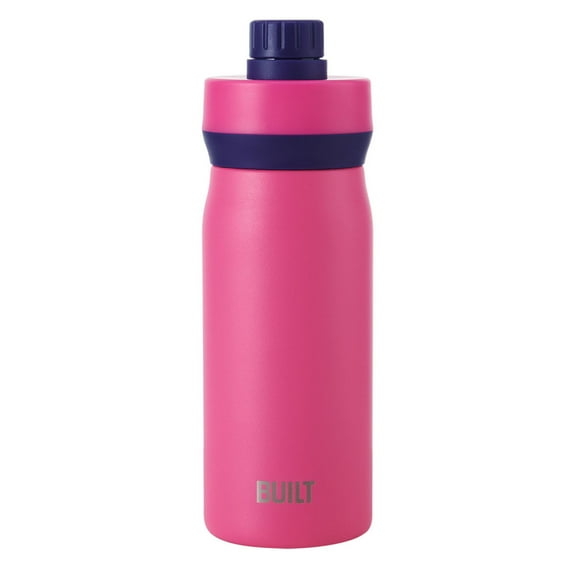
Material also shapes your daily experience, especially when weight and durability matter. You can compare BPA-free plastic, stainless steel, and silicone based on how your lunch kit feels in a backpack.
Age group fit deserves close attention before you choose your setup. Depending on your child’s stage, you may need toddler-friendly shapes, kids’ compartments, or teen sizes for larger portions.
What to look for in a school lunch store
Choosing from a strong school lunch store selection gets easier when you focus on real packing needs. Instead of sorting by color alone, you can compare insulation, spill control, and cleaning requirements first.
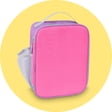
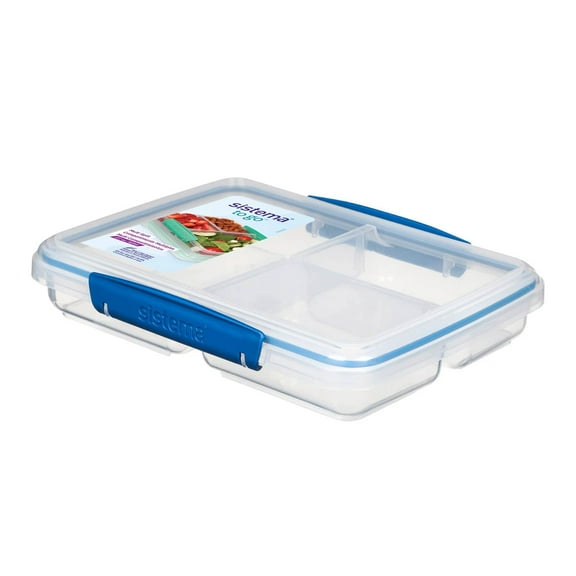
- With bento layouts, you can keep sandwiches, fruit, and sides separated until lunch.
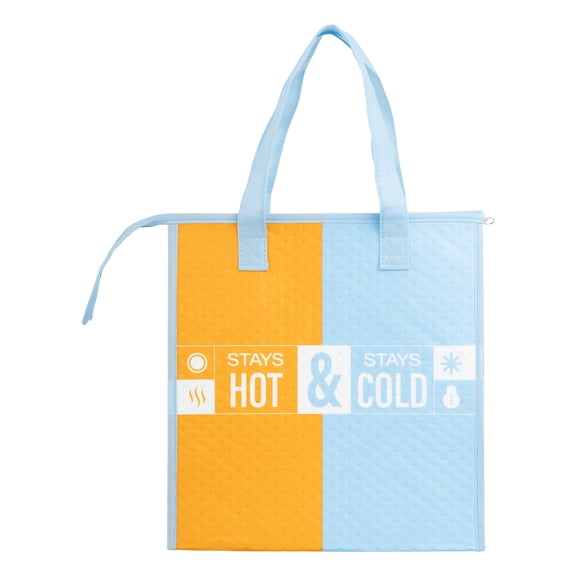
- Using insulated bags, you can carry cold items with clearer expectations for school-day packing.
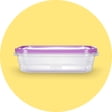
- Leakproof lids help you contain dips, yogurt, and juicy fruit inside the container.
- Dishwasher safe parts can simplify cleanup after busy afternoons and evening routines.
- Easy-open closures help younger students handle lunch gear with less frustration.
During rushed mornings, these details are especially important for everyday use. With the right mix of features, you can keep packing, carrying, and cleanup more organized.
Choosing container type, material, and key features
Container shape affects what you can pack and how neatly it travels in a backpack. A bento box supports portioning, while an insulated bag can hold several items in one place.
For temperature-sensitive foods, cold retention hours give you useful guidance during comparison. When you check that number, you can judge whether your lunch setup matches your school-day schedule.
Leakproof compartment design matters when sauces, dips, or cut fruit are part of lunch. By looking for secure seals and snug lids, you can reduce spills on folders and notebooks.
Cleanup should match your weeknight routine before you commit to a setup. If you want easier care, dishwasher safe parts can help, while hand-wash designs may suit certain shapes.
Backpack fit becomes easier to judge when you compare dimensions with usable capacity. Even when a container holds plenty of food, you still need it to slide beside books.
Microwave safe pieces can support routines that include reheating at school or after activities. For added flexibility, you can pair those containers with stainless steel bottles or silicone snack containers.
Matching lunch box essentials to age and routine
Smart lunch box essentials depend on school stage, portion size, and the foods you pack frequently. By matching features to routine, you can build a setup that feels easier to manage each day.
For toddlers, lighter pieces and easy-open latches can make handling lunch gear simpler. Smaller containers also help you fit meals into compact bags without wasting space.
Elementary schedules often call for organized portions and quick access during short breaks. In that setting, you can use snack packs, divided boxes, and leak-resistant cups for grab-and-go packing.
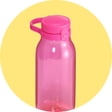
As school days get longer, teens may need larger containers and roomier insulated bags. With a bigger setup, you can combine a thermos, water bottle, and food container more efficiently.
Food choice should guide your setup just as much as age group does. Divided containers suit crackers and fruit, while wide-mouth thermoses support noodles, pasta, or oatmeal.
Once each piece has a clear role, your lunch routine usually feels easier to repeat. That structure helps you spend less time repacking and more time getting out the door.
Why the right school lunch supplies setup helps
Well-chosen school lunch supplies can support cleaner bags, faster packing, and simpler after-school cleanup. By focusing on fit, insulation, and easy care, you can build a routine that works through the school day.
With the right combination of container type, material, and features, your setup stays practical across changing grades. That kind of planning helps you pack tomorrow’s lunch with less guesswork and fewer spills.