




Laundry Appliances

























About
With laundry appliances, you can build a laundry setup that fits your space, routine, and load size. You’ll find washers and dryers, combo units, and stackable solutions that match everyday household needs.
If you’re replacing older laundry room appliances, you can compare layouts and power needs before you commit. You can also narrow your search by capacity, configuration, and cycle options that fit your weekly wash habits.
Choosing laundry appliances by appliance type
When you compare laundry appliances, you’ll want to start with the appliance type that matches your room and routine. You can choose separate washing machines and clothes dryers, or you can consider washer dryer combos for a streamlined setup.
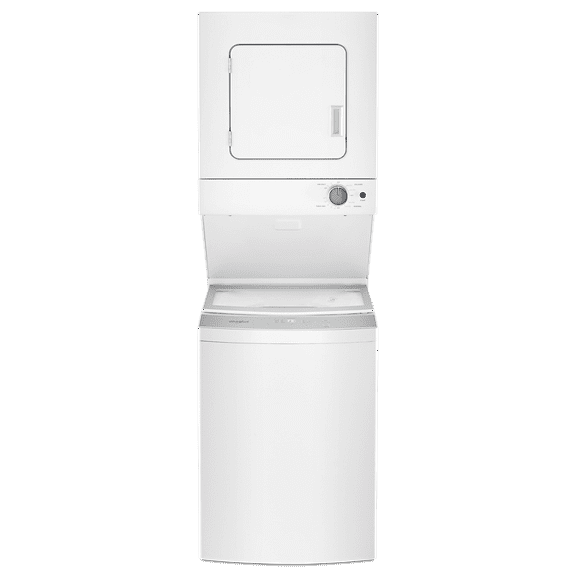
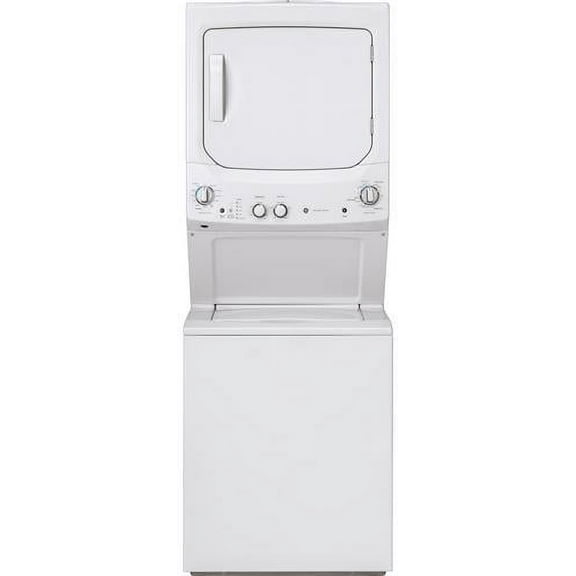
If you like flexible placement, you may prefer separate washers and dryers in a side-by-side layout. If you need a smaller footprint, you may prefer a stackable washer dryer or stacked set.
You can use this quick guide to match appliance types to your home setup. You’ll notice each option supports a different laundry flow and room layout.
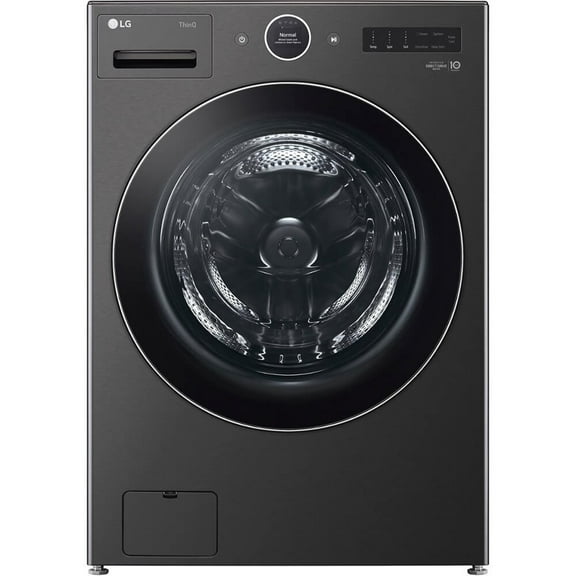
- You can choose washing machines when you need a dedicated washer replacement.
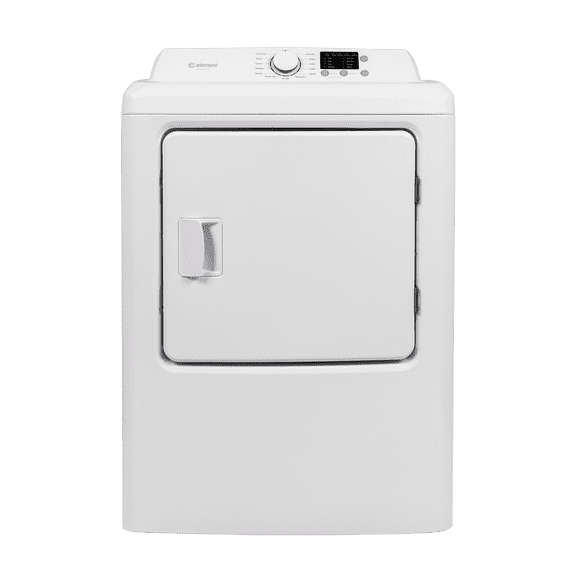
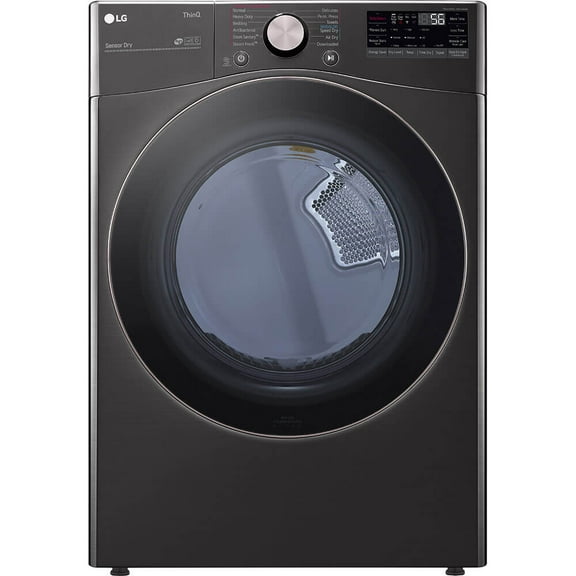
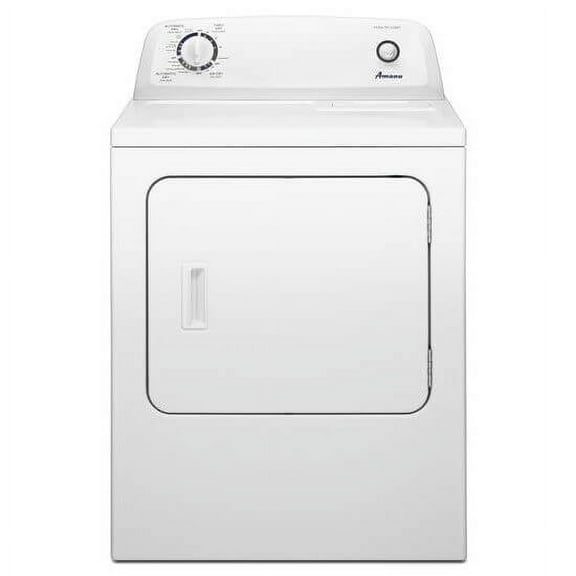
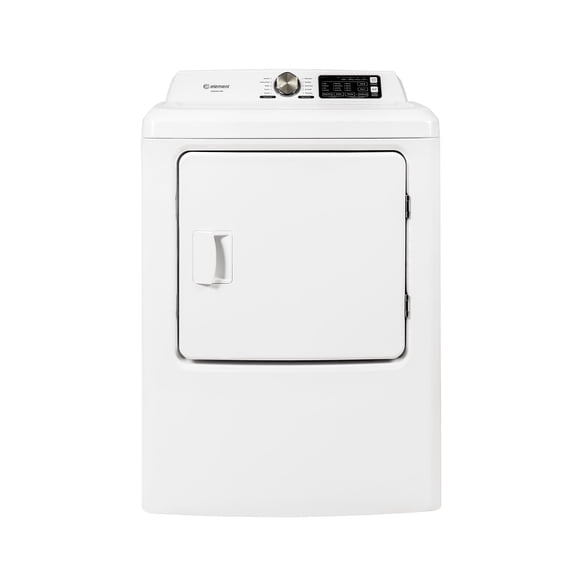
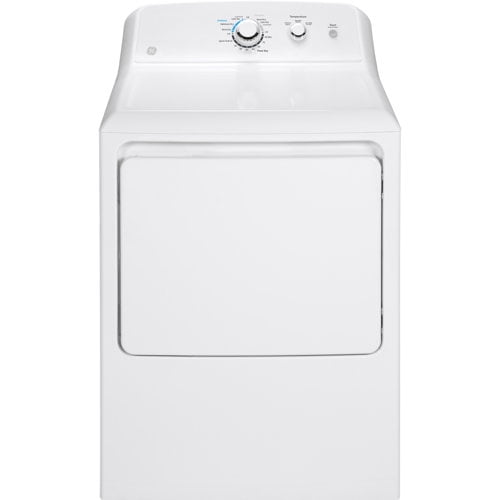
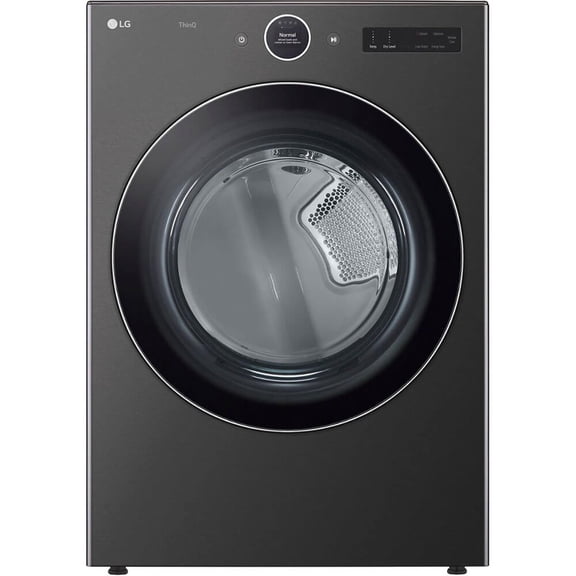
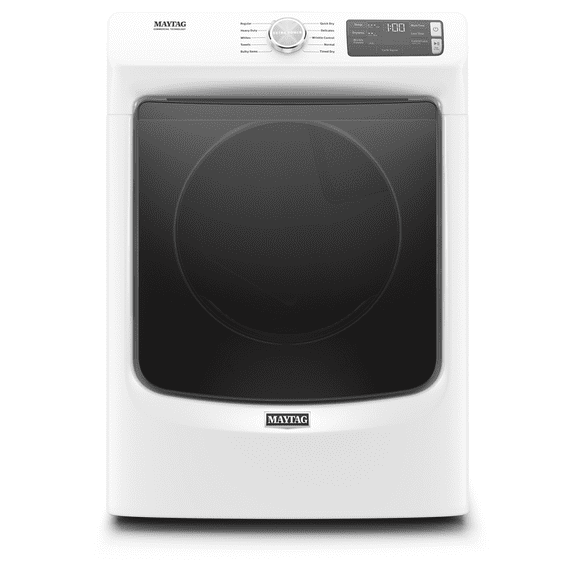
- You can choose clothes dryers when your current dryer needs a compatible update.
- You can choose washer dryer combos when you want one unit for washing and drying.
- You can choose stackable sets when you need to use vertical space in a smaller laundry area.
Choosing the right washers and dryers configuration
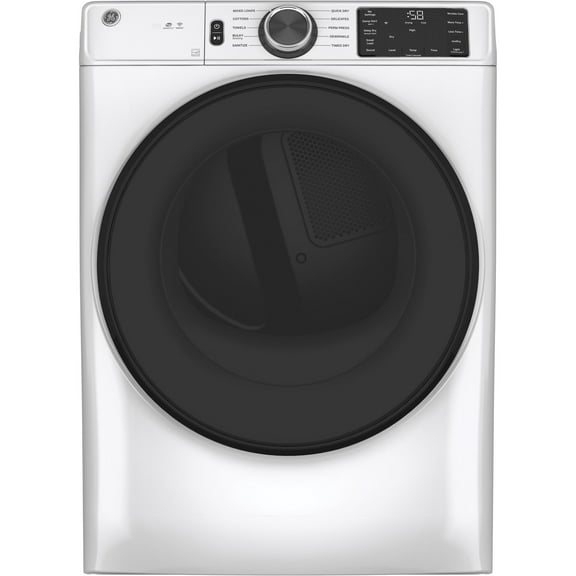
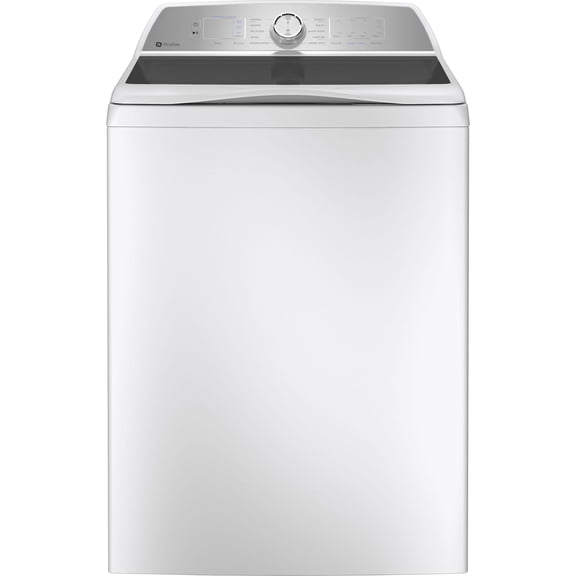
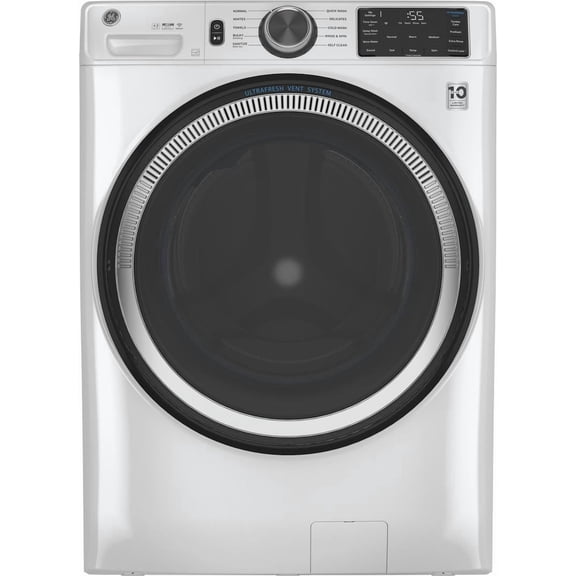
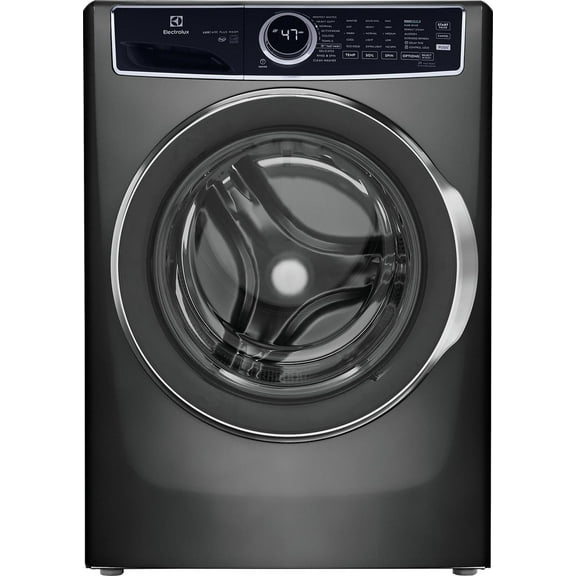
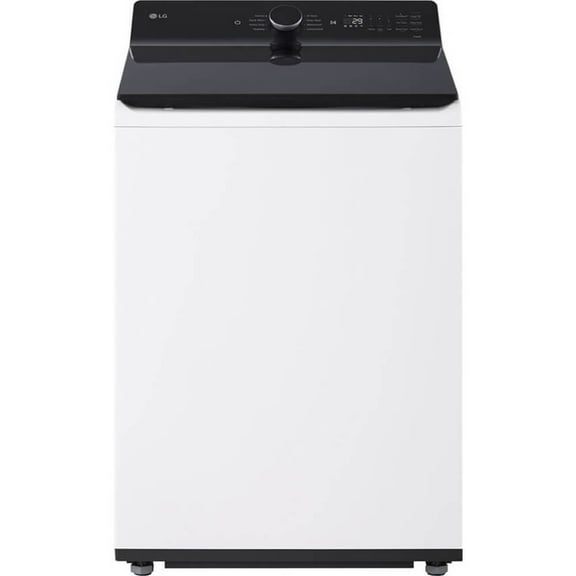
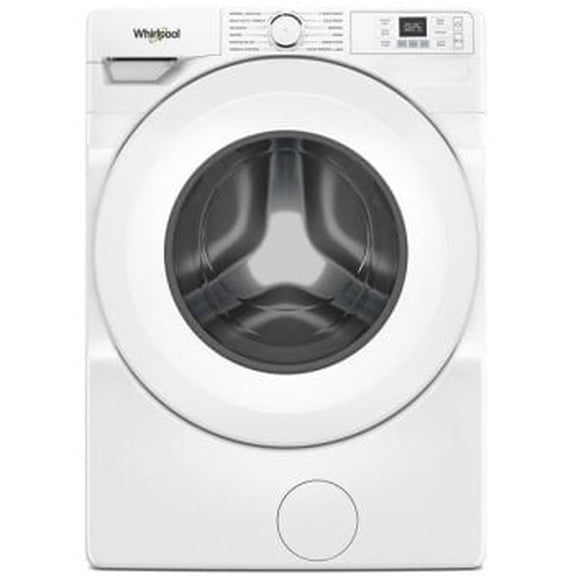
You’ll want to compare front load and top load designs based on access, room shape, and door clearance. You can often load front load units from the front, while top load units let you reach from above.
If you’re planning a stacked layout, you should measure stackable height, total depth, and nearby shelving. You’ll also want to check door swing, so your washer or dryer opens comfortably.
For side-by-side layouts, you can measure width for both units and leave room to move baskets. You should also check depth clearance behind the machines for hoses, vents, and cords.
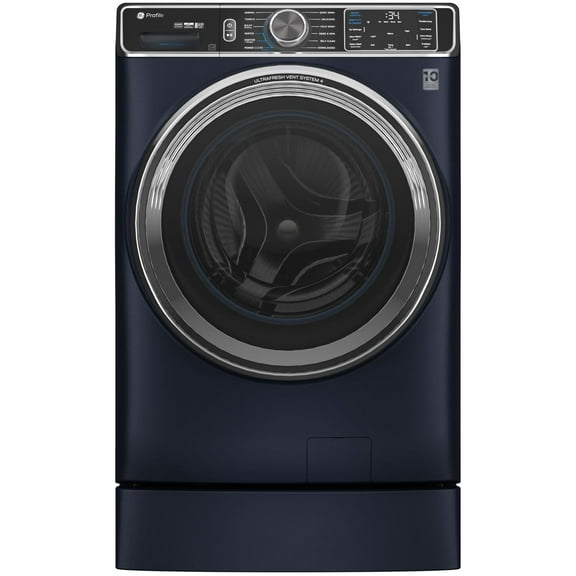
You may prefer front load models when you want easy pairing with pedestals or stacked placement. You may prefer top load models when you want a familiar setup and easy access from above.
Matching capacity to your laundry routine
You can choose compact, standard, or large capacity laundry machines based on how often you wash. If you run loads often, you may prefer more drum space for fewer trips.
When you compare cubic feet, you should think about your household size and laundry volume. You can often use compact models for tighter spaces and lighter weekly loads.
If you wash bedding, towels, or sports gear often, you may want large capacity machines. You’ll get more room for bulky items that need extra tumbling space.
Standard capacity units can work well when you want a balanced option for regular family use. You can keep everyday loads moving without taking up as much room as oversized models.
Checking power source and hookups
You should confirm your hookups before you choose clothes dryers or complete washers and dryers sets. You’ll need to match your dryer to an electric connection or a gas line already in place.
For electric dryers, you should check for a 240V outlet and confirm the plug style. For gas dryers, you should confirm a compatible gas connection and venting layout.
If you’re replacing one unit, you’ll want to compare dimensions and hookup positions with your current machine. You can avoid installation surprises when you measure utility access before delivery.
You should also check whether your laundry room supports a side-by-side or stackable washer dryer arrangement. You’ll make a smoother choice when your space and hookups align.
Comparing cycles and efficiency features in laundry machines
You can narrow laundry machines by the cycles that match your fabrics and schedule. You may want quick wash cycles for busy weekdays and heavier cycles for towels or bedding.
If efficiency matters in your routine, you can compare models with Energy Star ratings and water-conscious settings. You’ll often find those details helpful when you run laundry several times each week.
You may also want settings for delicates, bulky items, or timed drying based on your usual loads. You can focus on controls that feel simple and useful for your household.
When you compare laundry room appliances, you should look for features that support the way you actually wash. You’ll get a more practical setup when your cycles match your real laundry habits.
Using laundry room appliances in real homes
If you live in an apartment or smaller home, you may need compact units or a stackable washer dryer. You can use vertical space and keep walkways clearer in a tighter laundry area.
If you have a shared family routine, you may prefer side-by-side washers and dryers with standard or large capacity. You can move loads faster when both machines fit your pace.
For a utility room with existing hookups, you can replace only the washing machine or dryer that needs updating. You’ll keep your setup consistent when you match dimensions and power requirements.
If you’re planning a full refresh, you can compare washer dryer combos, stackable sets, and separate laundry appliances together. You’ll choose with more confidence when you measure space, check hookups, and match capacity first.
With the right laundry appliances, you can create a setup that fits your room, your hookups, and your weekly routine. You’ll feel more confident when your washers and dryers match your space from day one.