

Home safety

















About
Your home safety products should help you cover daily risks with clear choices for every room and entry point. You can compare fire safety, childproofing, home security, personal safety, and accessibility-focused options in one place.
If you're setting up a new home or updating older spaces, you need practical guidance that fits your layout. You can use this category to compare power source, installation type, smart connectivity, and certification details.
Choosing home safety products by safety category
You can start with the safety category that matches the spaces you want to protect first. Your needs may center on smoke alarms, child safety locks, cameras, door sensors, grab bars, or personal safety devices.
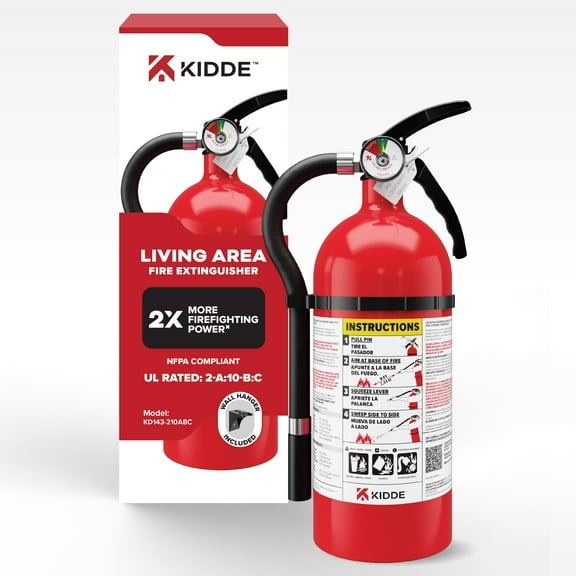
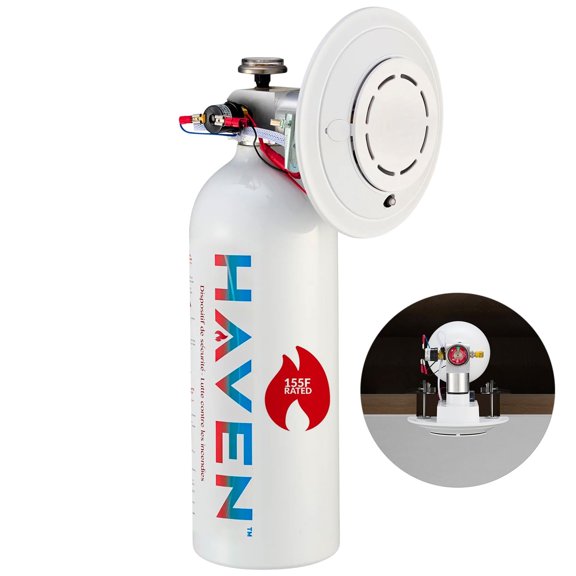
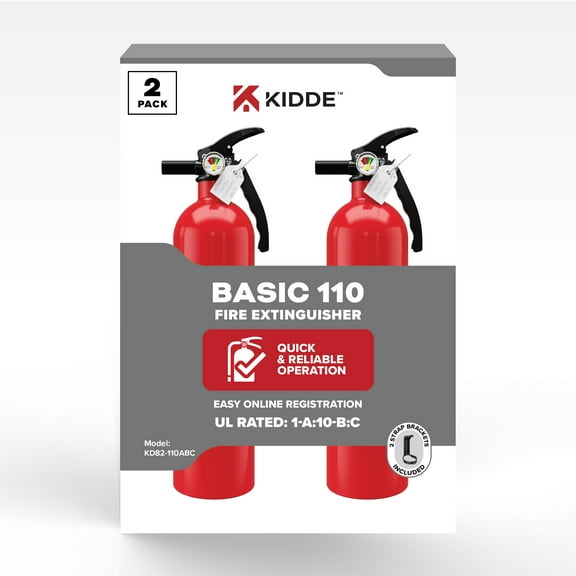
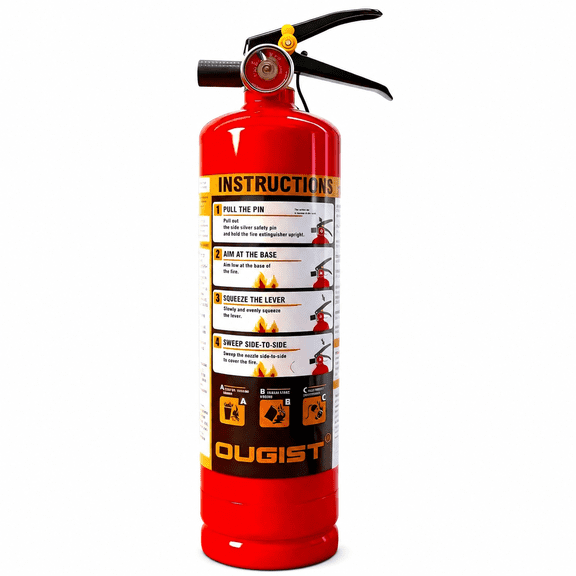
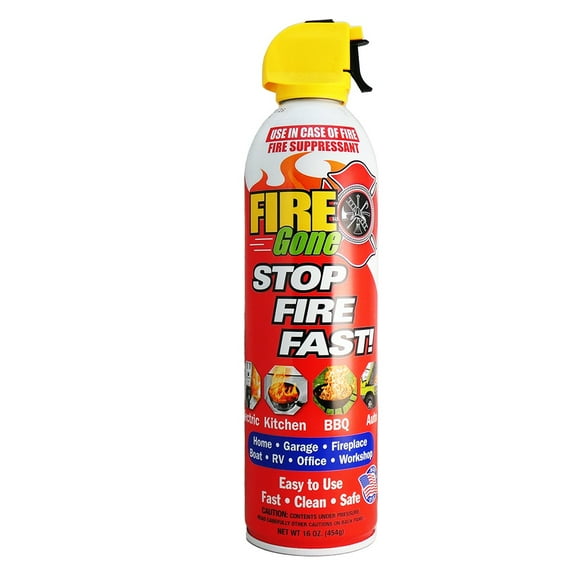
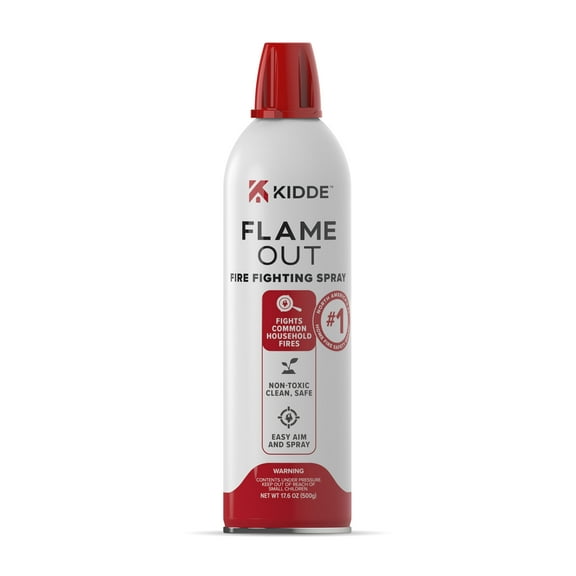
When you compare by category, you can build a more complete setup without missing key areas. Your fire safety equipment can cover kitchens and hallways, while your childproofing can focus on cabinets, stairs, and outlets.
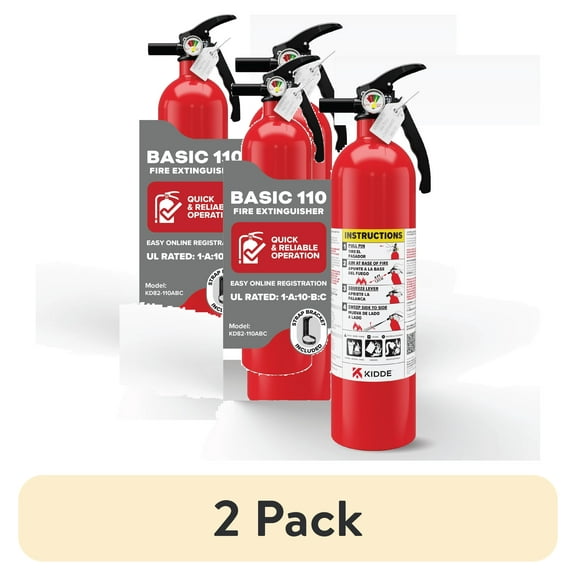
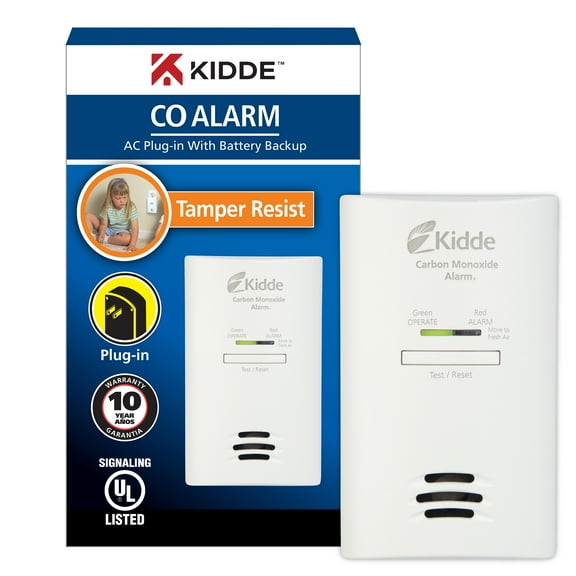
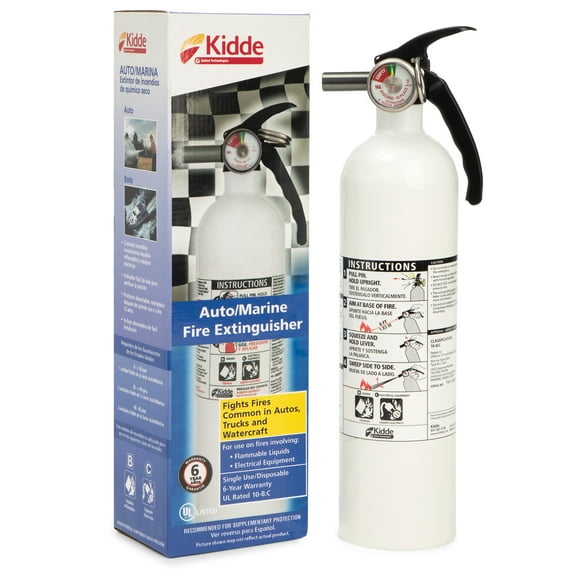
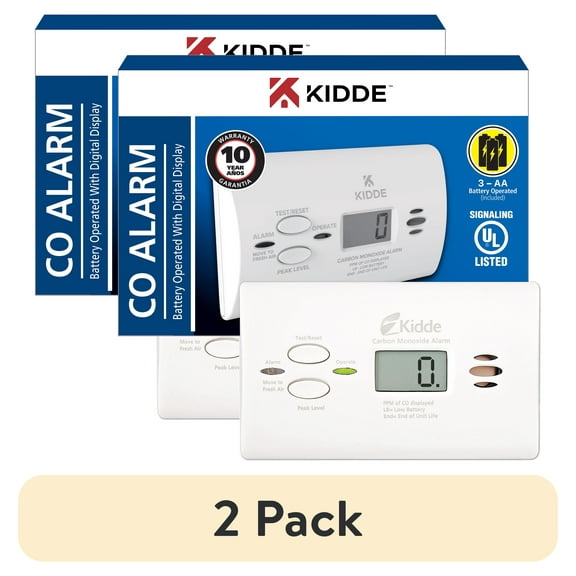
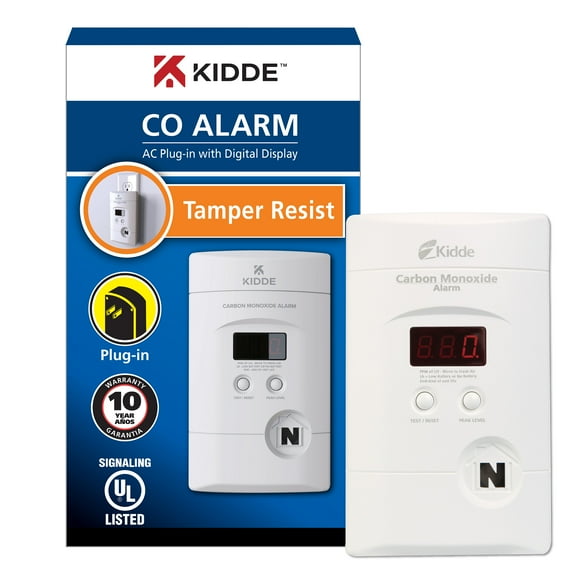
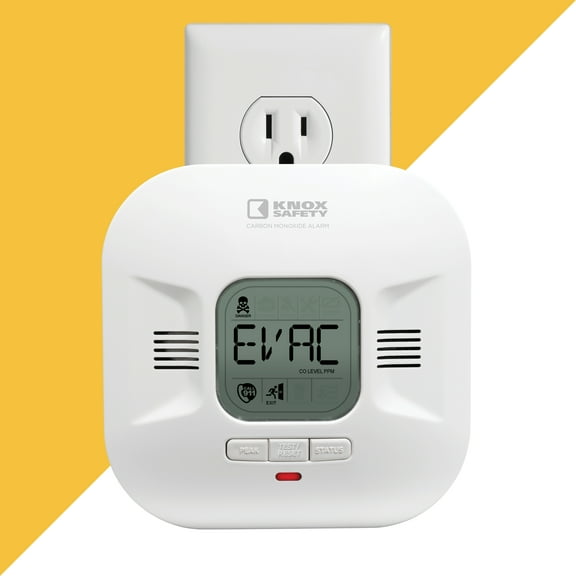
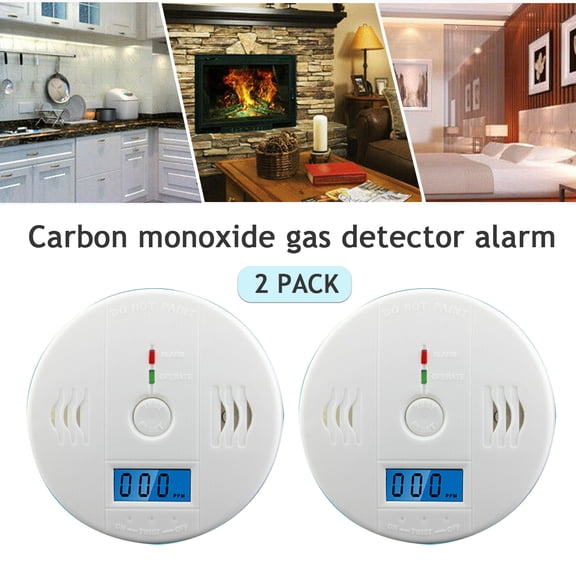
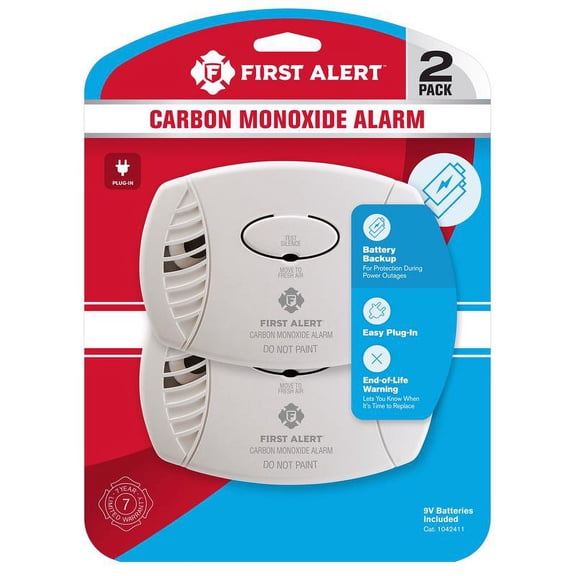
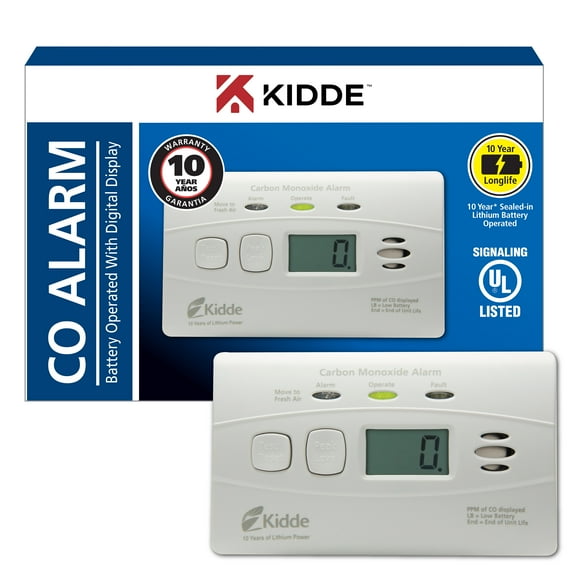
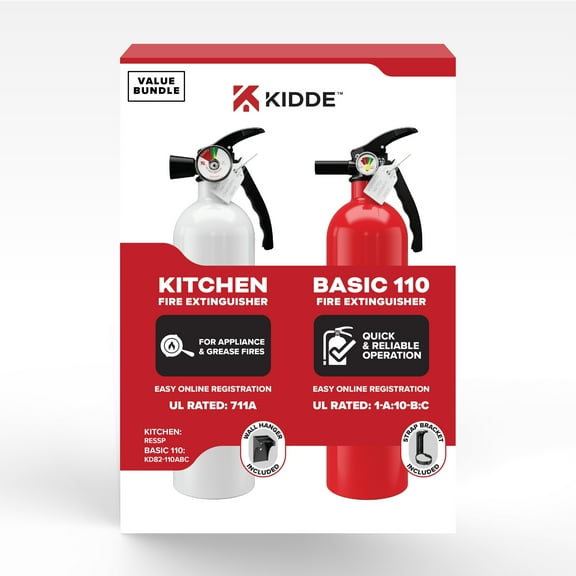
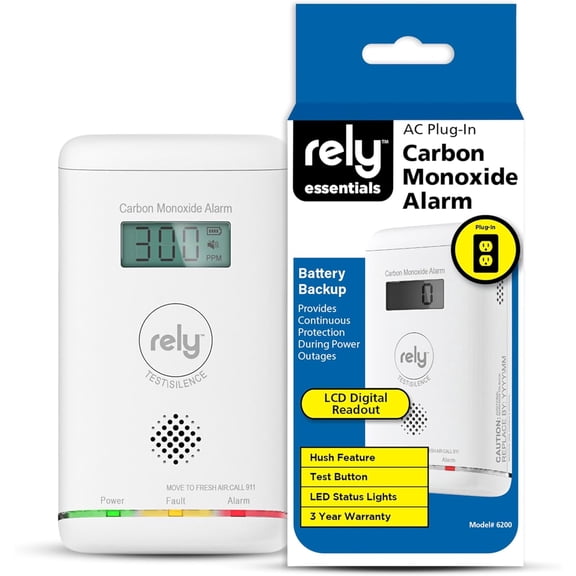
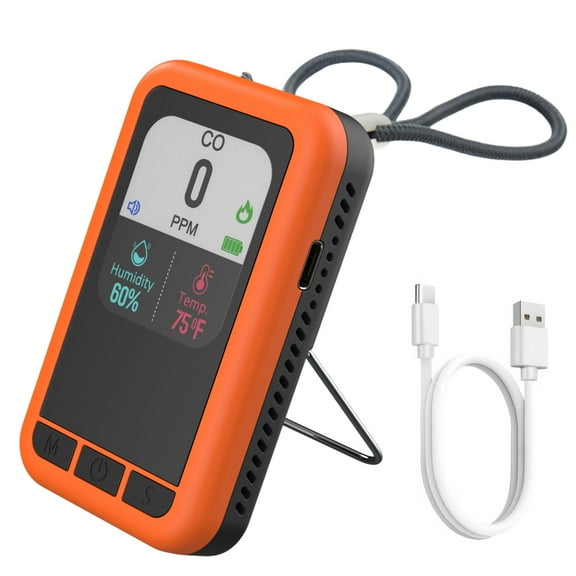
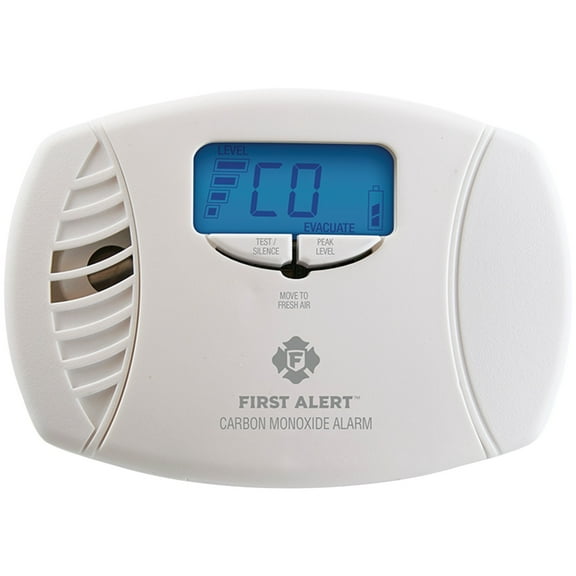
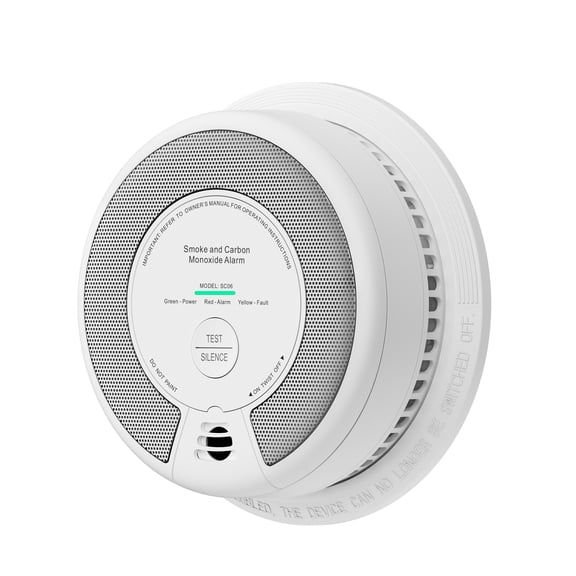
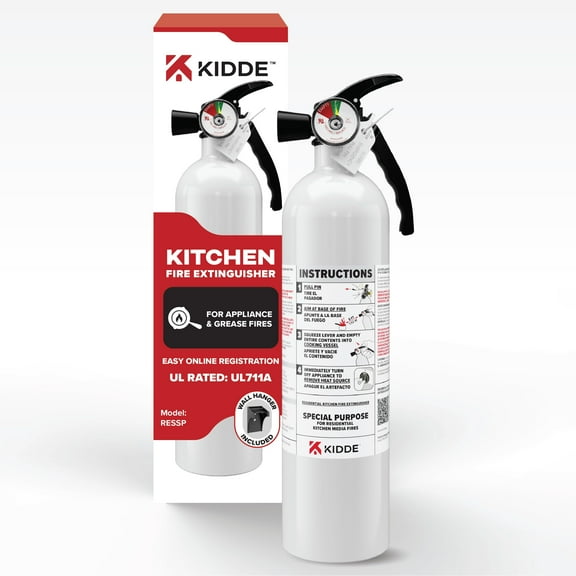
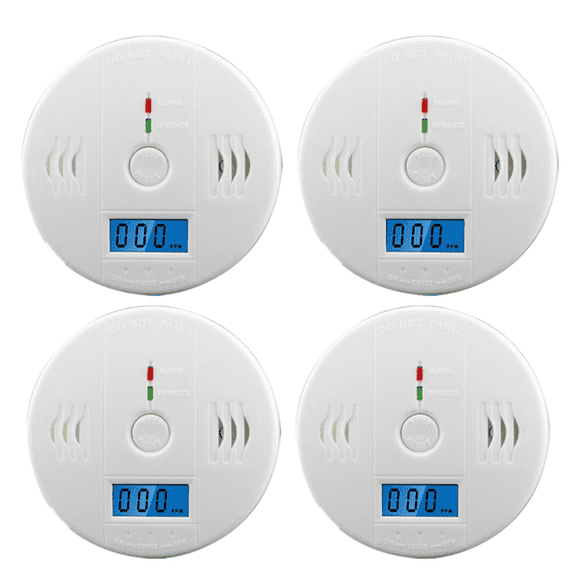
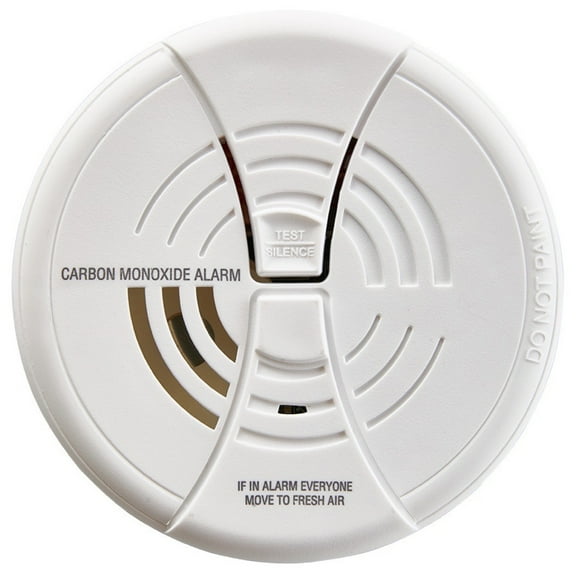
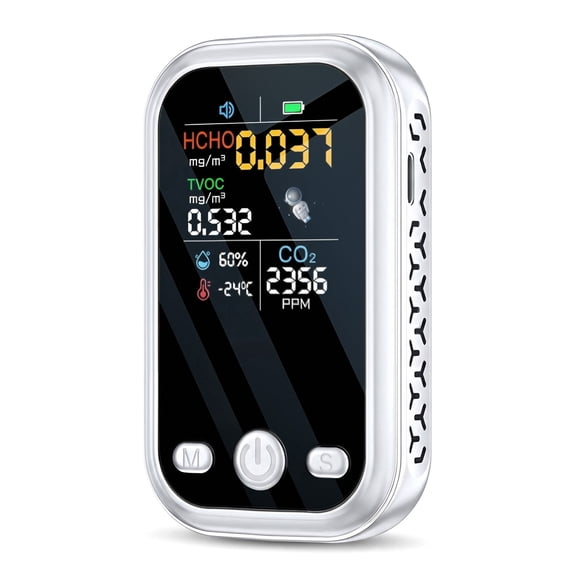
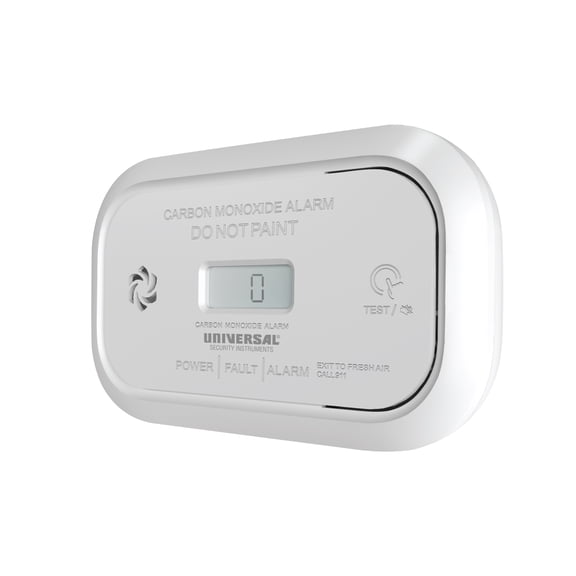
- You can use smoke alarms and carbon monoxide detectors to cover core alert needs throughout your home.
- You can use child safety locks, gates, and outlet covers where little hands reach most often.
- You can use home security systems and home security cameras to watch doors, windows, and shared spaces.
- You can use grab bars, bath supports, and slip-resistant safety products where steady footing matters most.
You may also want personal safety devices that stay close during daily routines or travel. Your setup can feel more complete when each category supports a specific part of your household.
Comparing power source and backup options
You should compare power source first because it affects placement, upkeep, and backup planning. Your choices may include battery operated, hardwired, plug-in, or solar powered designs.
If you want flexible placement, you may prefer battery operated units in closets, hallways, or detached spaces. Your battery-only setup can work well where wiring access is limited.
When you want a fixed setup, you may look at hardwired models for steady household power. Your hardwired choice with battery backup can keep alerts active during outages.
You can also consider plug-in options where outlets are easy to reach and daily visibility matters. Your solar powered choices may fit outdoor lights or cameras where sunlight supports regular charging.
As you compare, you should check battery type, replacement access, and backup details before you decide. Your routine gets easier when the power setup matches how often you want maintenance.
Deciding between smart connectivity and standalone use
You should decide whether you want alerts through your phone or simple local alarms at home. Your options may include Wi-Fi enabled, Bluetooth, or non-smart standalone devices.
If you want remote awareness, you may choose Wi-Fi enabled home safety devices that send app notifications. Your connected setup can also help you check cameras, sensors, or entry activity from elsewhere.
When you want simpler operation, you may prefer standalone units with local alerts and basic controls. Your non-smart choice can reduce app setup and keep operation straightforward for shared households.
You can consider Bluetooth when you want close-range pairing without a full home network connection. Your choice depends on whether you want ecosystem integration or direct device access nearby.
Before you decide, you should check whether your smart home security products work with your existing platform. Your setup feels smoother when cameras, locks, and sensors connect the way you expect.
Understanding installation type and fit
You should compare installation type early because it affects effort, wall surfaces, and long-term placement. Your choices may include DIY adhesive designs, no-drill options, or screw-in hardware mounted products.
If you want quick setup, you may lean toward adhesive and no-drill child safety locks or contact sensors. Your rental-friendly approach can help you add protection without major wall changes.
When you need added hold, you may choose screw-in gates, grab bars, or mounted cameras. Your hardware mounted option can suit stairs, bathrooms, and entry points where stable placement matters.
You should also measure door frames, cabinet edges, stair widths, and wall clearance before installation. Your fit check can help you avoid returns and choose the right mounting style sooner.
As you compare DIY options, you can look for included templates, mounting hardware, and clear instructions. Your setup process becomes easier when installation steps match your tools and comfort level.
Checking certifications and category-specific features
You should review certifications because they help you compare products against recognized testing standards. Your search may include UL listed and Intertek certified options for key alert and monitoring devices.
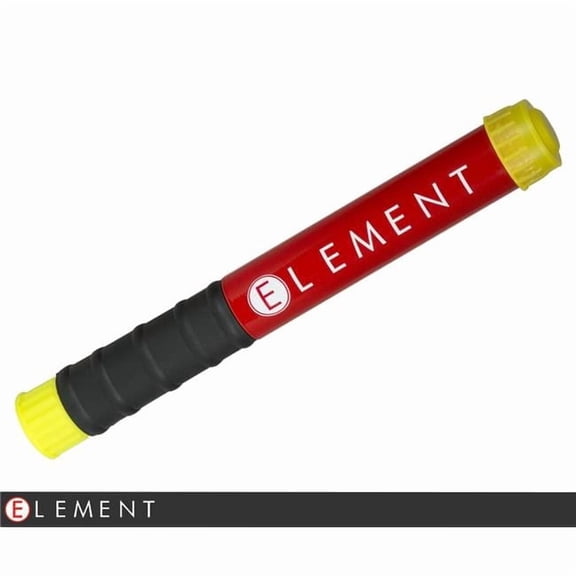
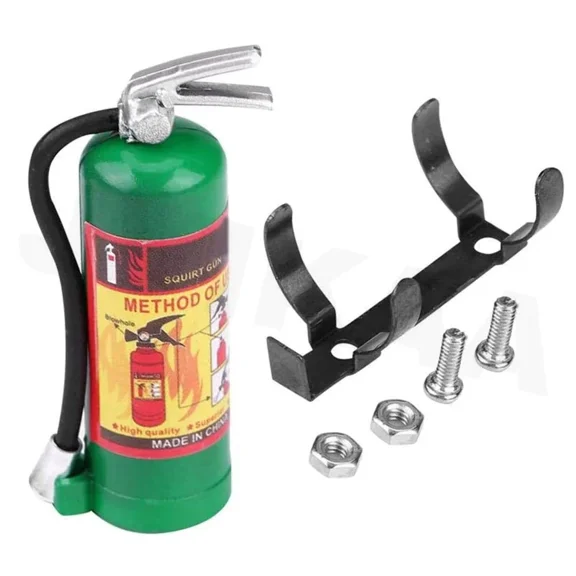
When you compare fire safety equipment, you should look at alarm type, sound level, and placement guidance. Your carbon monoxide detectors and smoke alarms should match the rooms where you plan to install them.
If you're choosing accessibility-focused safety products, you should check weight capacity and slip-resistance details carefully. Your bathroom and stairway setup depends on secure support that matches the user's space.
For home security systems, you can compare camera resolution, motion alerts, night viewing, and sensor compatibility. Your entry coverage works better when devices fit doorways, porches, garages, and shared access points.
During winter home safety planning or storm prep supplies updates, you can review flashlights, backup alarms, and weather-ready monitoring tools. Your seasonal setup stays more useful when power and placement fit changing conditions.
You can choose with more confidence when your home safety products match your rooms, routines, and installation comfort. Your final setup can deliver clearer alerts, steadier support, and better day-to-day coverage.